Artwork
Venus disarming Cupid
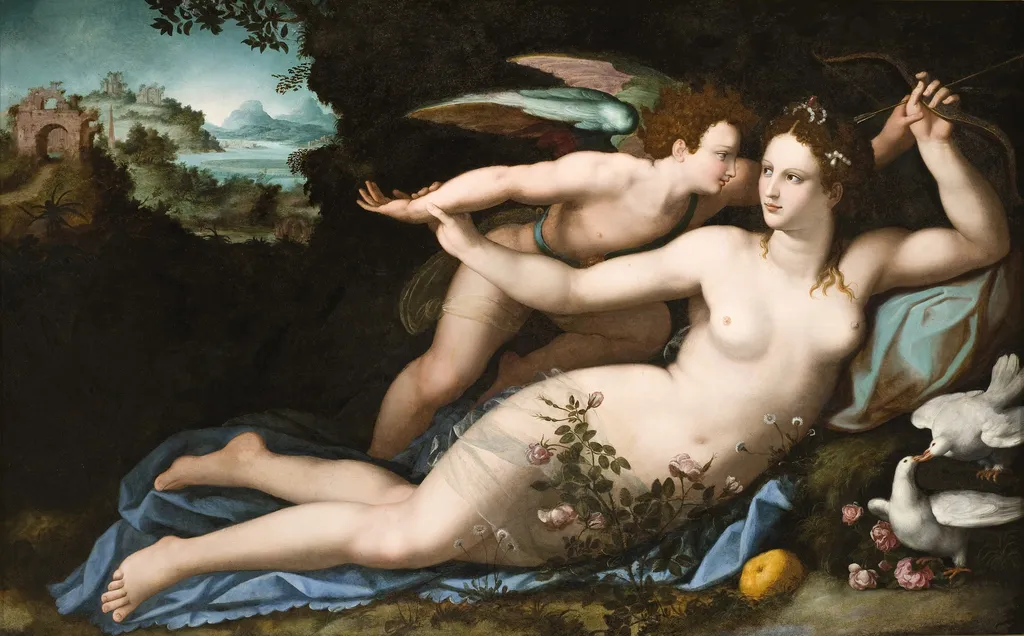
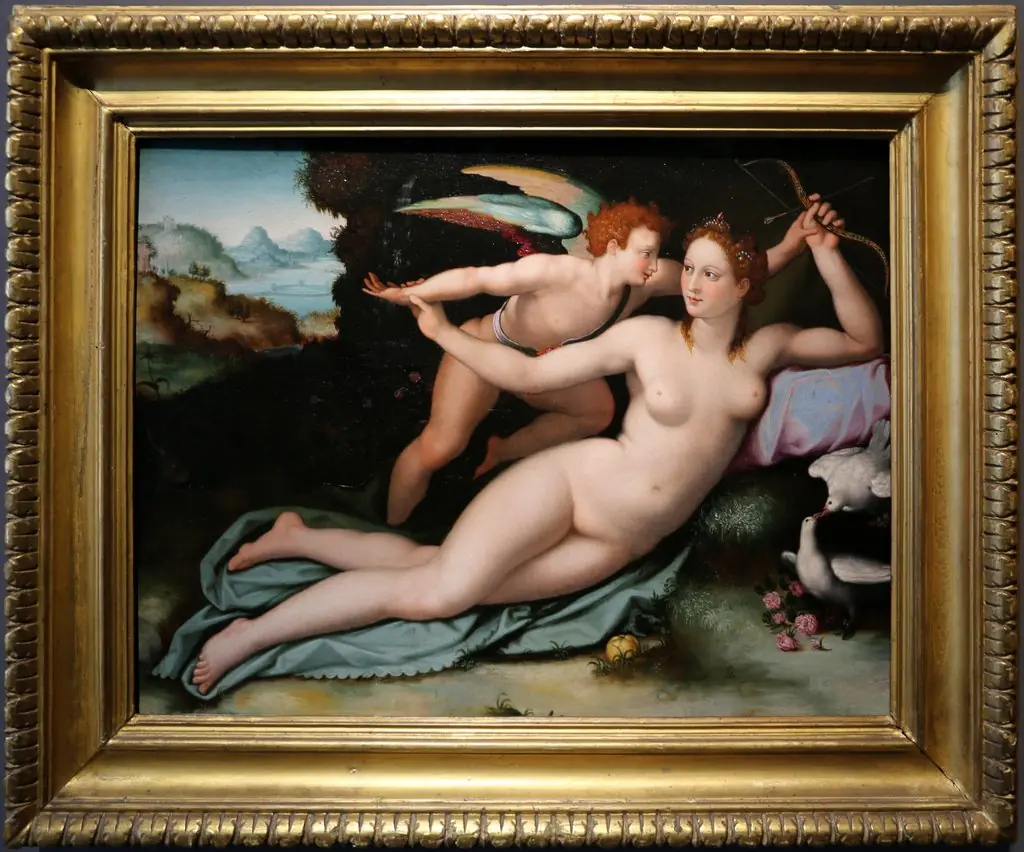
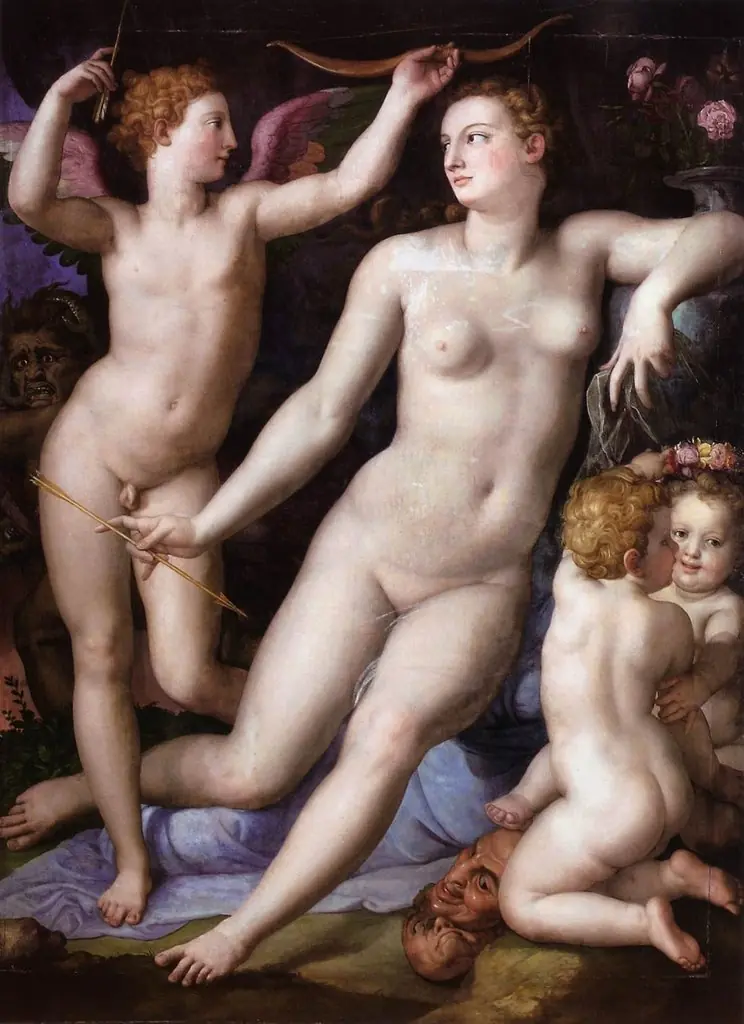
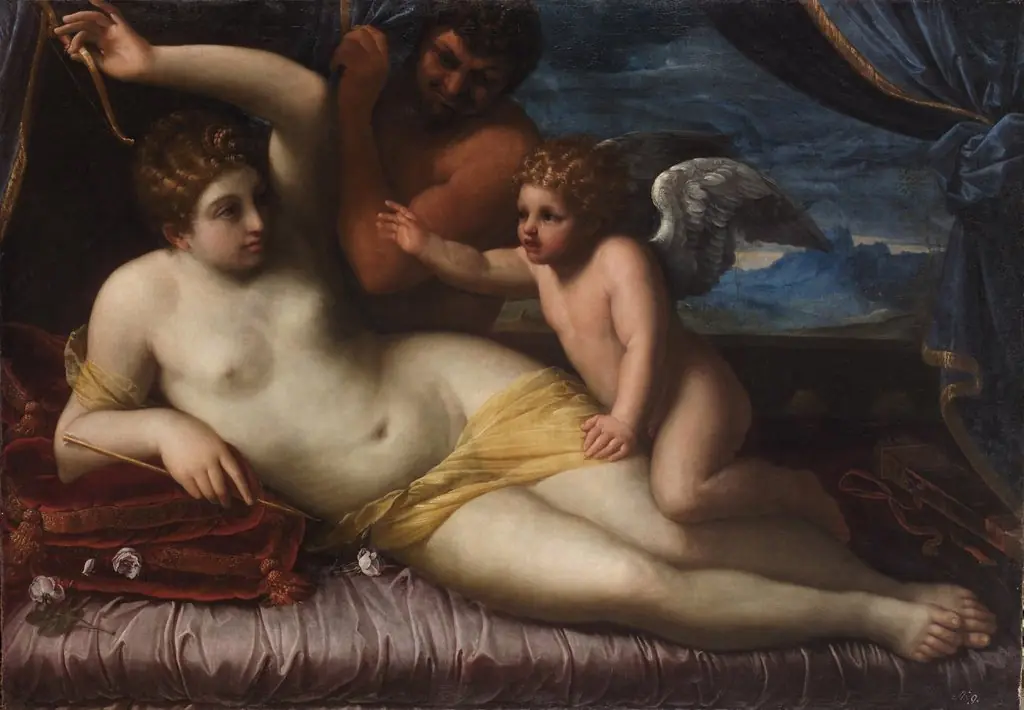
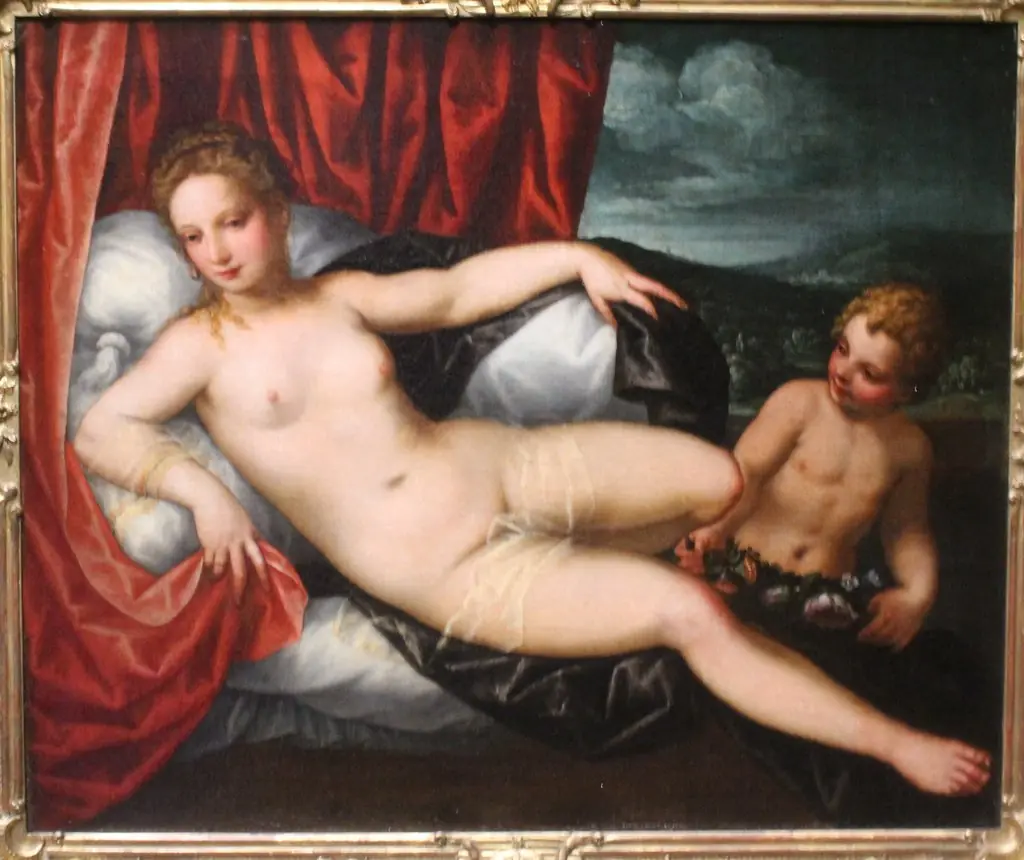
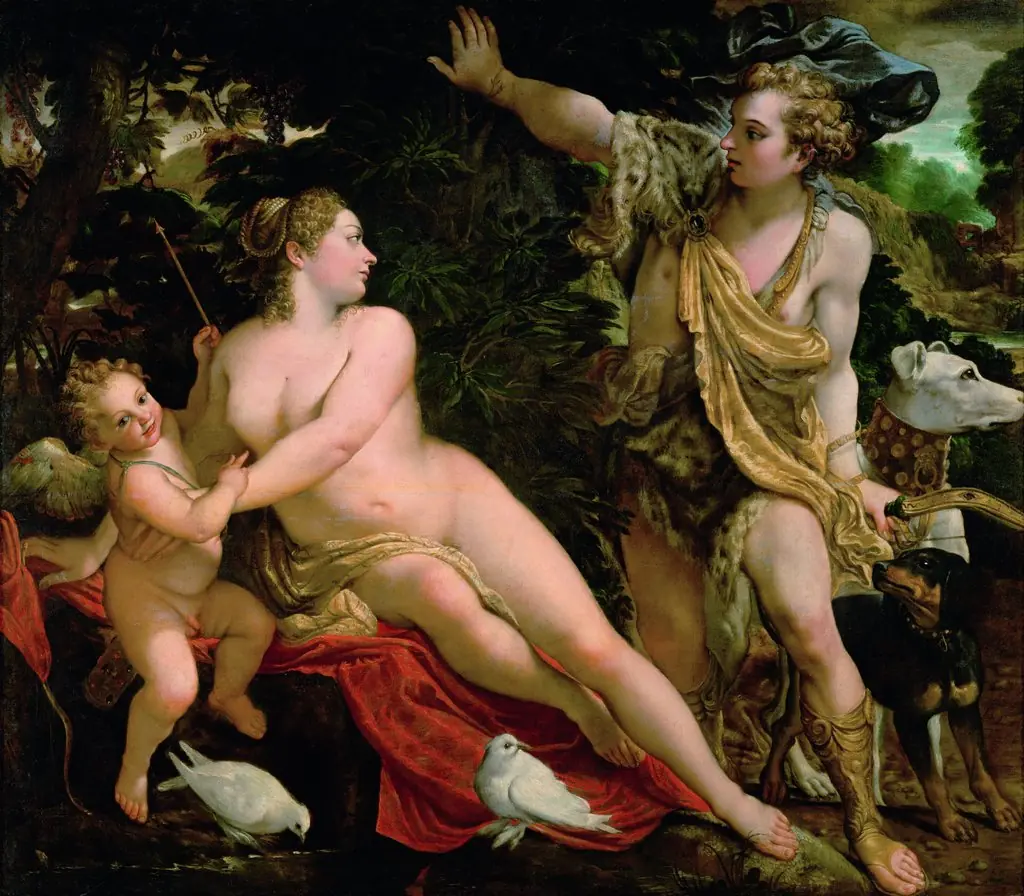
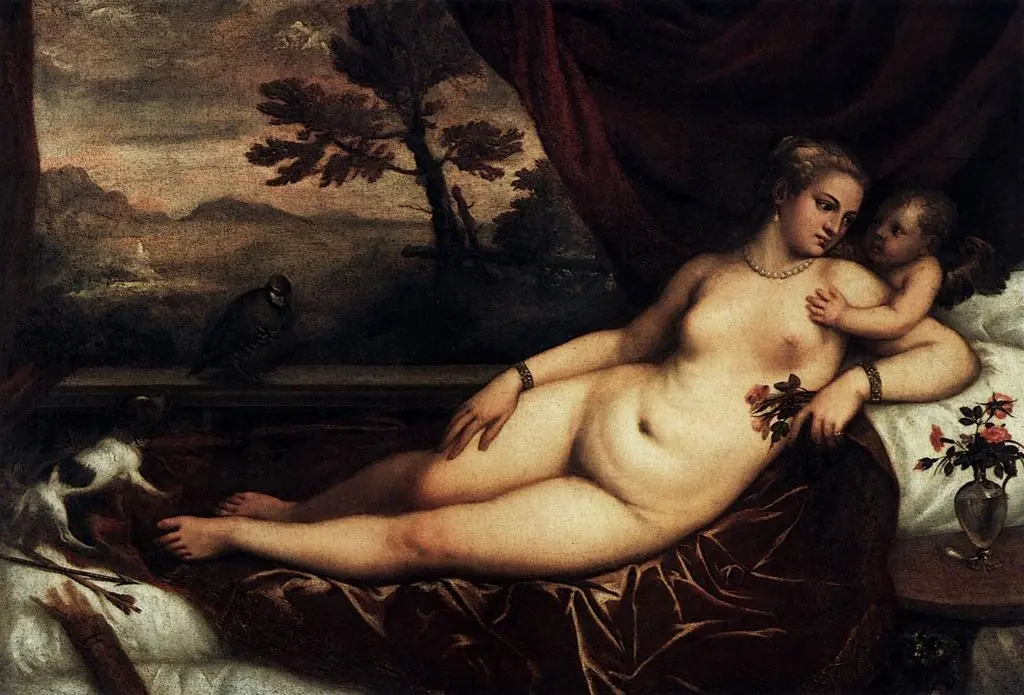
Venus disarming Cupid is an oil painting by Alessandro Allori. It dates from 1570 and is held in the collection of the Los Angeles County Museum of Art.
About this work
Overview
It is now part of the Los Angeles County Museum of Art’s collection, where it remains a quiet example of mythological narrative in Renaissance-era painting.
Painted in 1570 by Alessandro Allori, this oil-on-panel work portrays a moment from classical mythology: Venus, goddess of love, gently retrieving a bow from her son Cupid. Executed in the late Mannerist style, the painting reflects the refined, elegant sensibilities of Florentine art at the time. It is now part of the Los Angeles County Museum of Art’s collection, where it remains a quiet example of mythological narrative in Renaissance-era painting.
Subject & Meaning
The scene captures Venus, embodying serene authority, reaching back to take the bow and arrow from Cupid, the mischievous god of desire. Their interaction suggests a moment of tender control—love’s power being tempered by wisdom. The presence of a white dove and scattered flowers reinforces themes of purity and fertility, while the intimate setting implies a private, domesticated version of divine myth, far from grand spectacle.
Technique & Style
Allori employs oil paint to achieve soft transitions and delicate modeling, particularly in the figures’ skin and drapery. Chiaroscuro is used subtly to define form without dramatic contrast, enhancing the quiet mood. The figures are elongated in the Mannerist tradition, with fluid poses and refined contours. Background elements like trees and water are rendered with loose brushwork, grounding the scene in nature without distracting from the central figures.
History & Provenance
Commissioned during the height of the Medici patronage in Florence, the painting reflects the era’s fascination with classical themes and refined courtly aesthetics. It remained in Italian collections until the 20th century, when it entered the Los Angeles County Museum of Art. Its documented history is modest, but its stylistic consistency with Allori’s other works confirms its attribution and dating to circa 1570.
Context
In late 16th-century Florence, mythological subjects were favored by elite patrons seeking to align themselves with classical ideals. Allori, a pupil of Bronzino, worked within a tradition that prioritized elegance over emotional intensity. This painting exemplifies how religious and mythological narratives were adapted for private contemplation, blending spiritual symbolism with aristocratic leisure in a cultivated, intimate setting.
Legacy
Though not widely exhibited, the painting contributes to understanding the evolution of Mannerist mythological scenes beyond grand public commissions. Its focus on quiet interaction, rather than drama, influenced later depictions of myth in domestic contexts. Allori’s restrained approach helped bridge the gap between High Renaissance idealism and the emerging Baroque emphasis on naturalism.
Own this work as a print
Artist & collection

Artist
Alessandro di Cristofano di Lorenzo del Bronzino Allori (Florence, 31 May 1535 – 22 September 1607) was an Italian painter of the late Mannerist Florentine school.