Artwork
Church of Sant'Onofrio, Rome: The Interior with a Cardinal
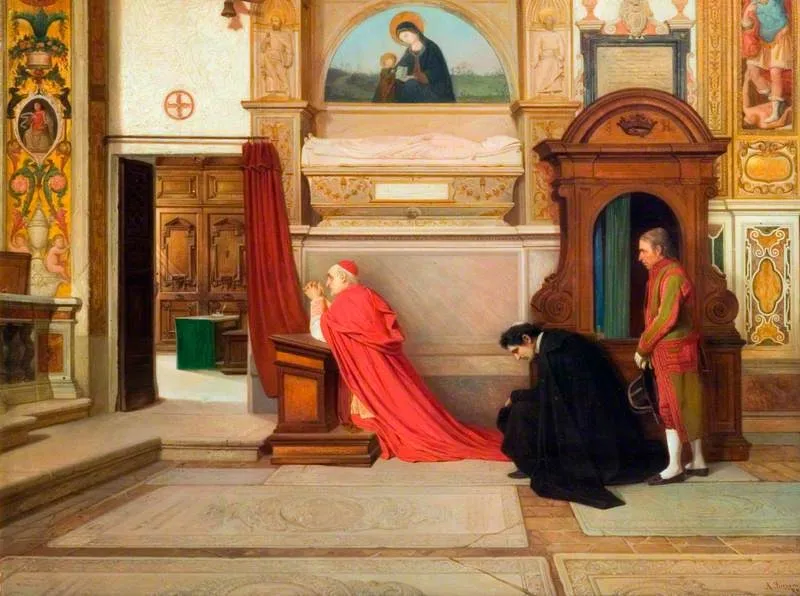
Church of Sant'Onofrio, Rome: The Interior with a Cardinal is an oil painting by the Realist artist Alexander Antonovich Rizzoni. It dates from 1872 and is held in the collection of the Victoria and Albert Museum.
About this work
Overview
Rizzoni, a Russian-born artist who worked extensively in Italy, focused on religious and genre subjects with careful observation.
Painted in 1872 by Alexander Antonovich Rizzoni, this oil work captures the interior of the Church of Sant'Onofrio in Rome. Rizzoni, a Russian-born artist who worked extensively in Italy, focused on religious and genre subjects with careful observation. The painting presents a quiet moment within the sacred space, emphasizing architectural detail and the presence of clergy. It resides in the Victoria and Albert Museum’s collection, reflecting 19th-century interest in ecclesiastical interiors.
Subject & Meaning
The scene centers on a cardinal kneeling at a wooden pulpit, surrounded by other figures in ecclesiastical dress. A man in black bows nearby, while another in a red and green robe observes from beside a confessional. These figures suggest ritual, devotion, or private prayer, reinforcing the church’s role as a place of spiritual reflection. The composition avoids dramatic action, instead conveying stillness and reverence through posture and spatial arrangement.
Technique & Style
Rizzoni employed a realist approach with precise rendering of textures—stone floors, woven rugs, carved wood, and fabric folds. Light falls subtly across surfaces, enhancing depth through controlled chiaroscuro without theatrical contrast. Colors are muted yet rich, with the cardinal’s crimson robe serving as a focal point against darker tones. The brushwork is deliberate, prioritizing accuracy over expressive gesture, aligning with academic traditions of the period.
History & Provenance
Rizzoni painted this work during his time in Rome, where he lived and worked after moving from Riga. The painting was likely created for a European collector interested in religious subjects or Italian architecture. It entered the Victoria and Albert Museum’s collection in the late 19th or early 20th century, possibly through acquisition or donation, reflecting the museum’s broader interest in decorative arts and ecclesiastical culture.
Context
In the 1870s, European artists increasingly turned to authentic depictions of religious spaces, moving away from idealized compositions. Sant'Onofrio, a quiet Augustinian church near the Janiculum, was known for its historical resonance and understated beauty. Rizzoni’s focus on its interior aligns with a broader trend of documenting sacred architecture as a record of cultural and spiritual life, rather than as a backdrop for narrative.
Legacy
Though not widely exhibited, the painting remains a documented example of 19th-century realist religious painting by a lesser-known artist with cross-cultural roots. It contributes to the study of how non-Italian artists interpreted Italian ecclesiastical spaces. Its preservation in a major museum ensures continued access for scholars examining the intersection of art, faith, and architectural representation in the modern era.
Artist & collection
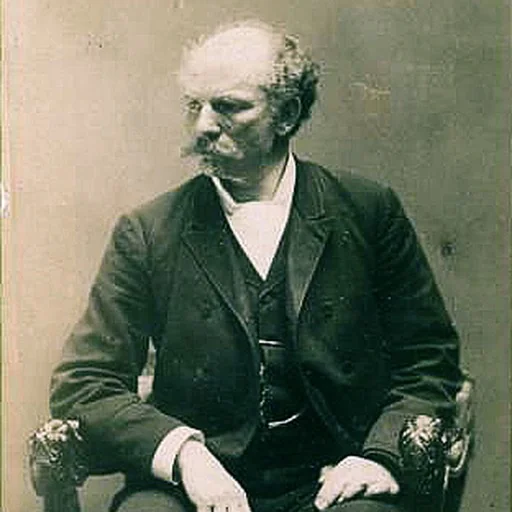
Artist
Alexander Antonovich Rizzoni, or Alessandro Rizzoni (Russian: Алекса́ндр Анто́нович Риццо́ни; 4 February 1836, in Riga – 29 April 1902, in Rome) was a Russian-Italian painter of portraits and genre scenes; mostly on Catholic themes.

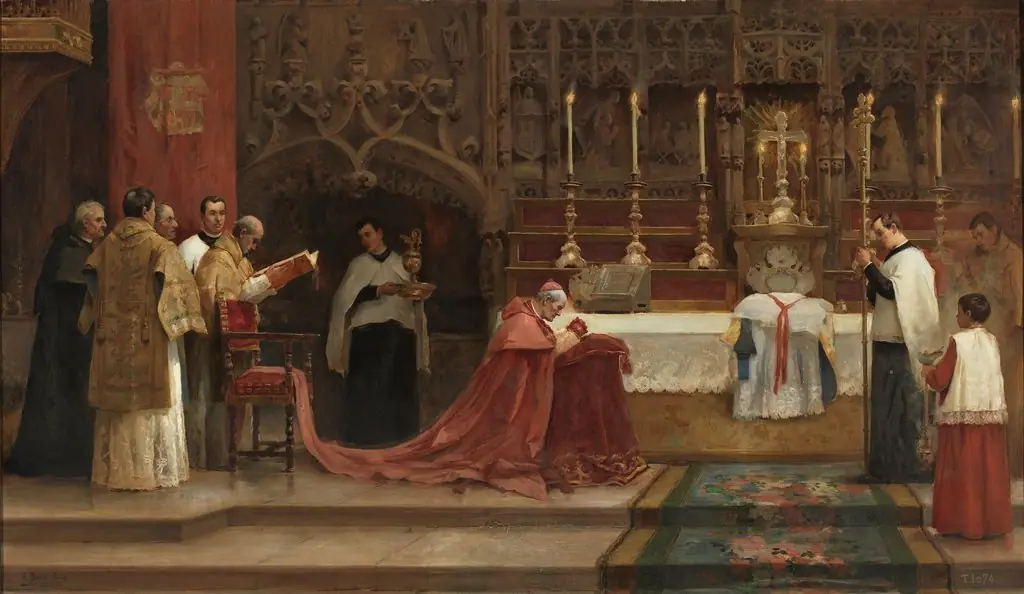 La misa de pontifical
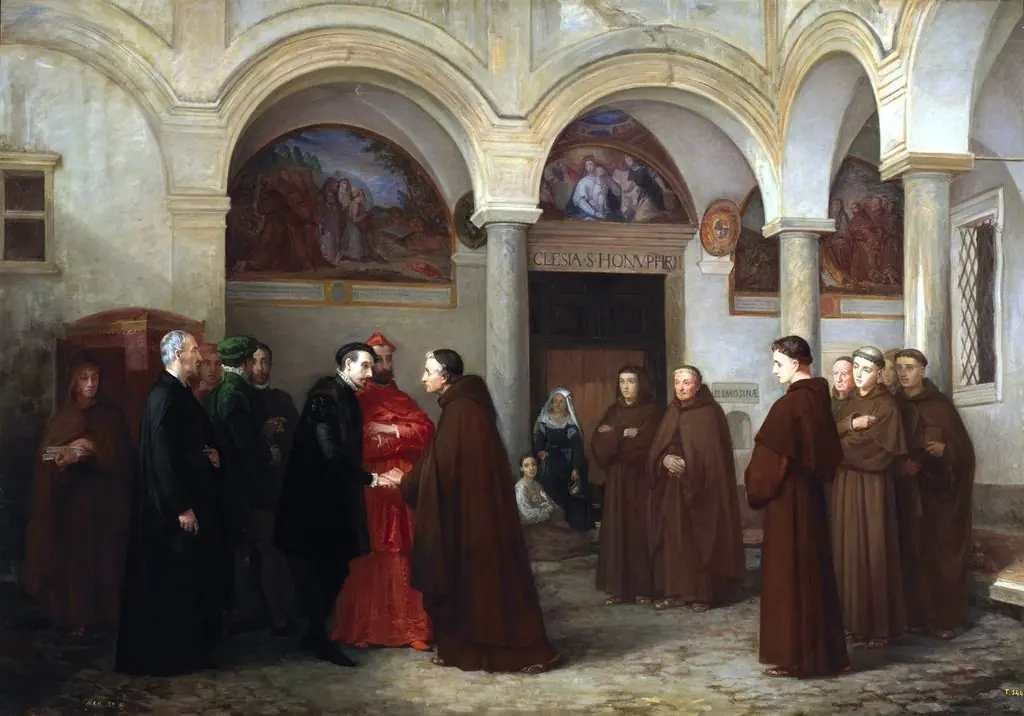 Torcuato Tasso se retira al convento de San Onofre en el Janículo
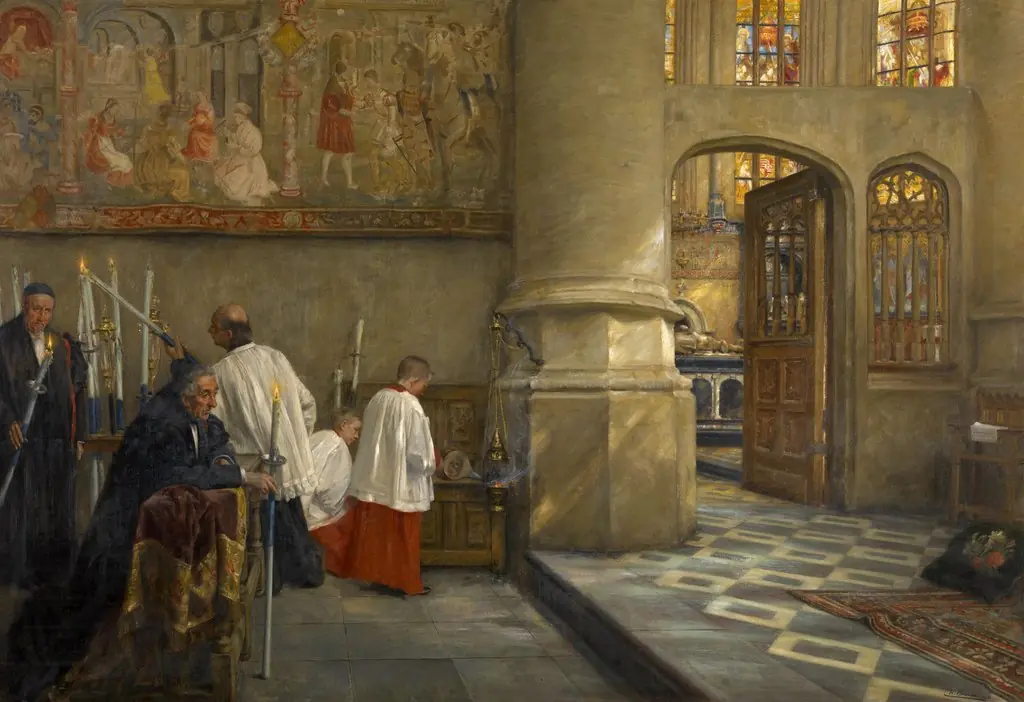 Before Blessing at the Church of Hoogstraten
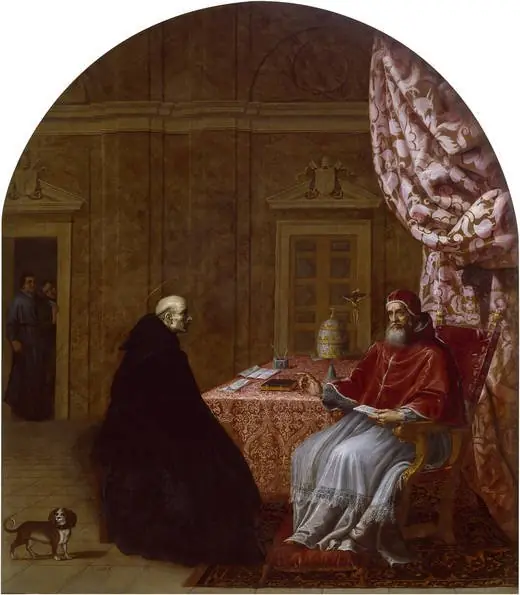 Urban II Deliberates with Saint Bruno
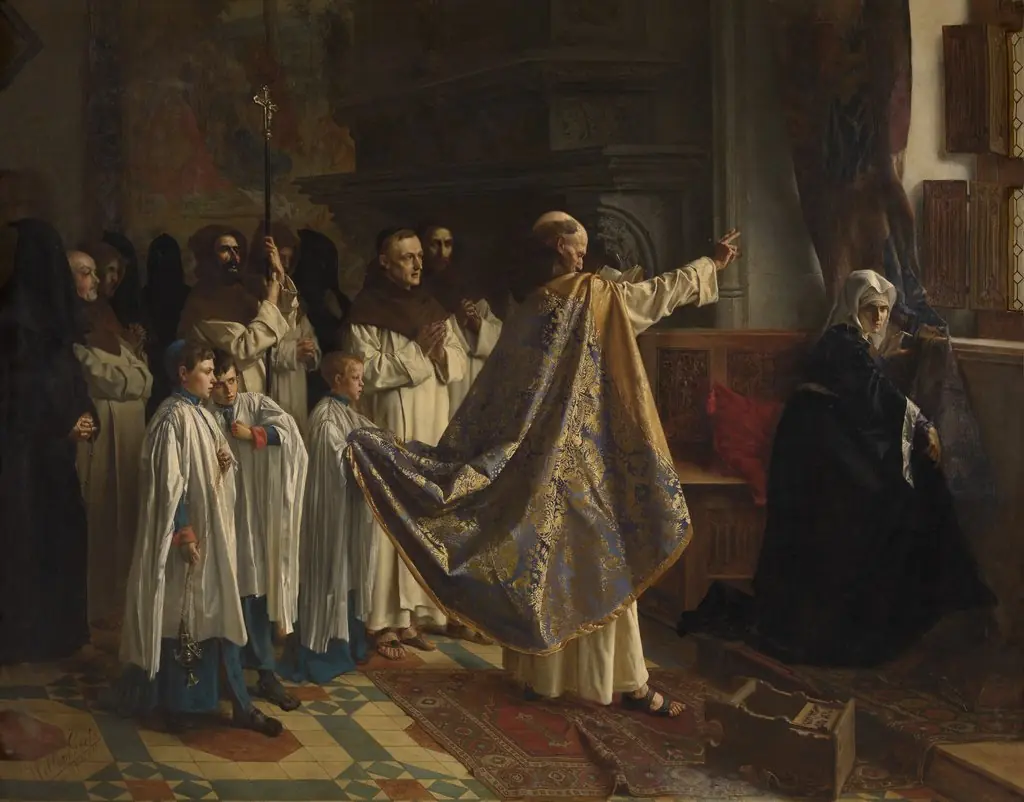 Exorcism of Joanna of Castile
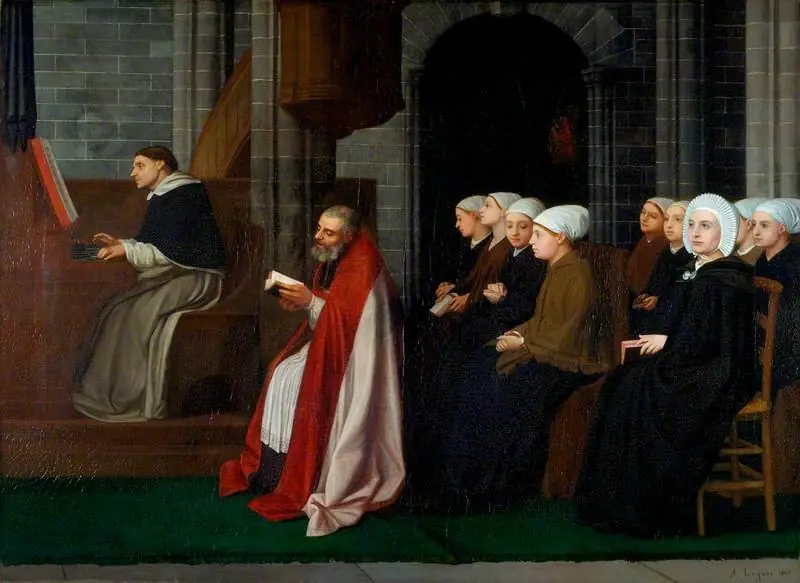 A May Service for Young Women
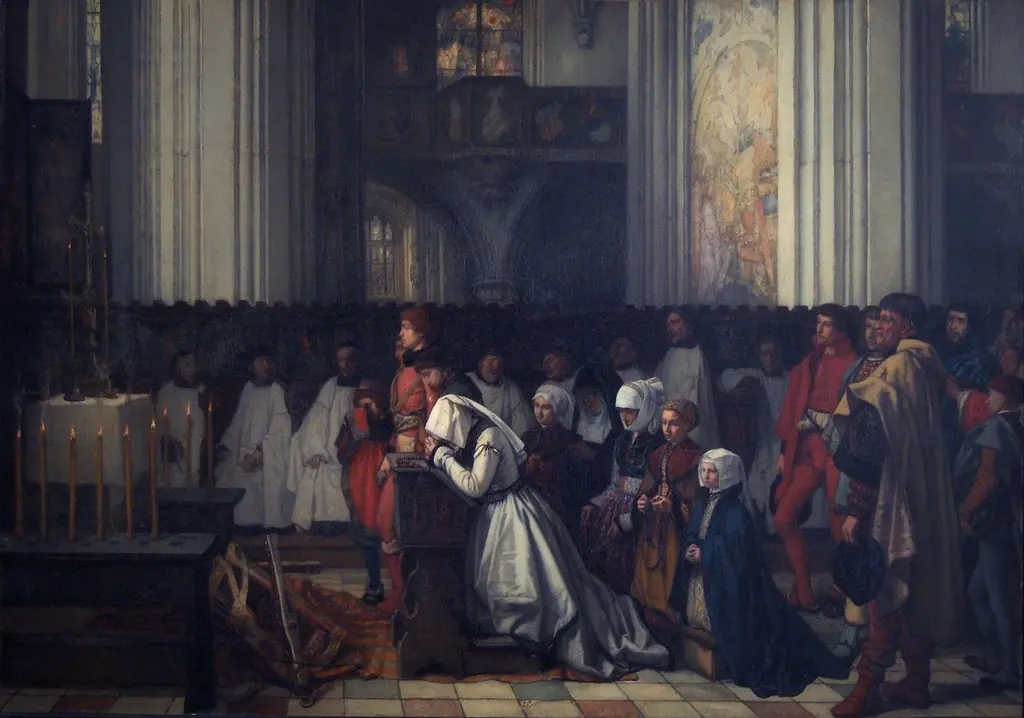 The Trental Mass for Berthal de Haze
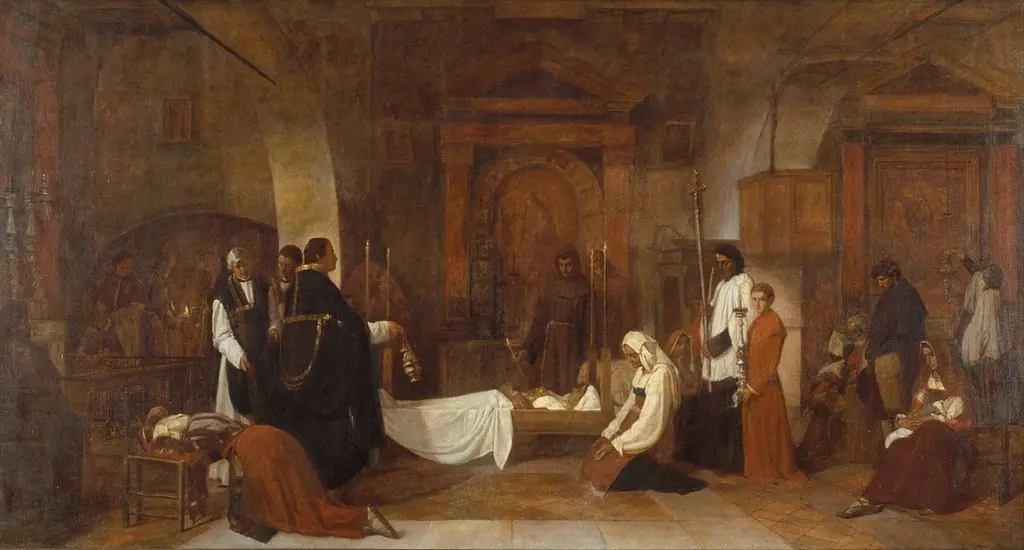 Church of Cervara (Papal States)
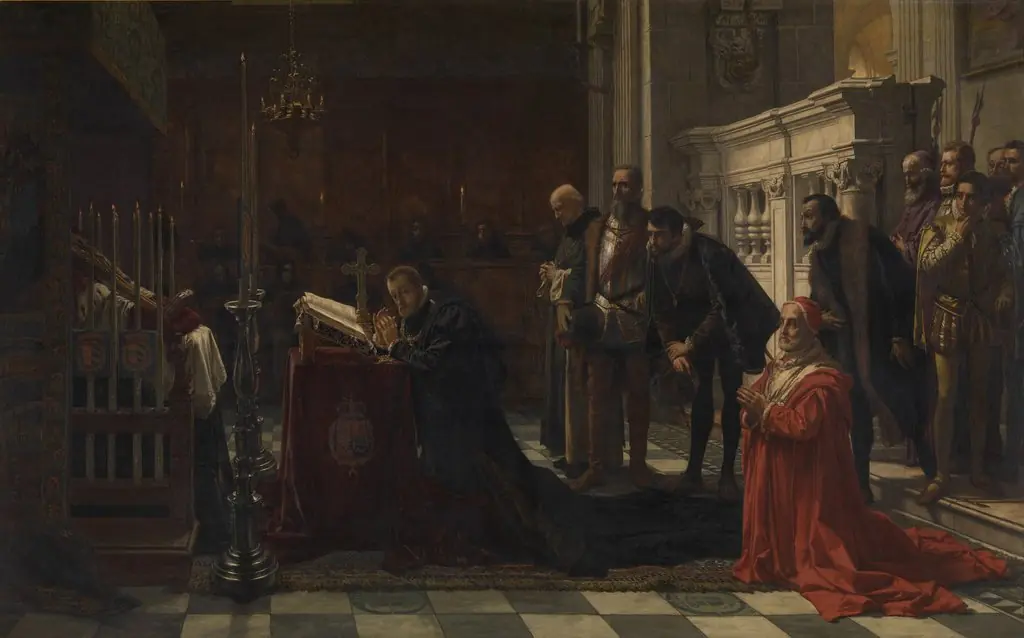 Philip II of Spain Honours Don John of Austria
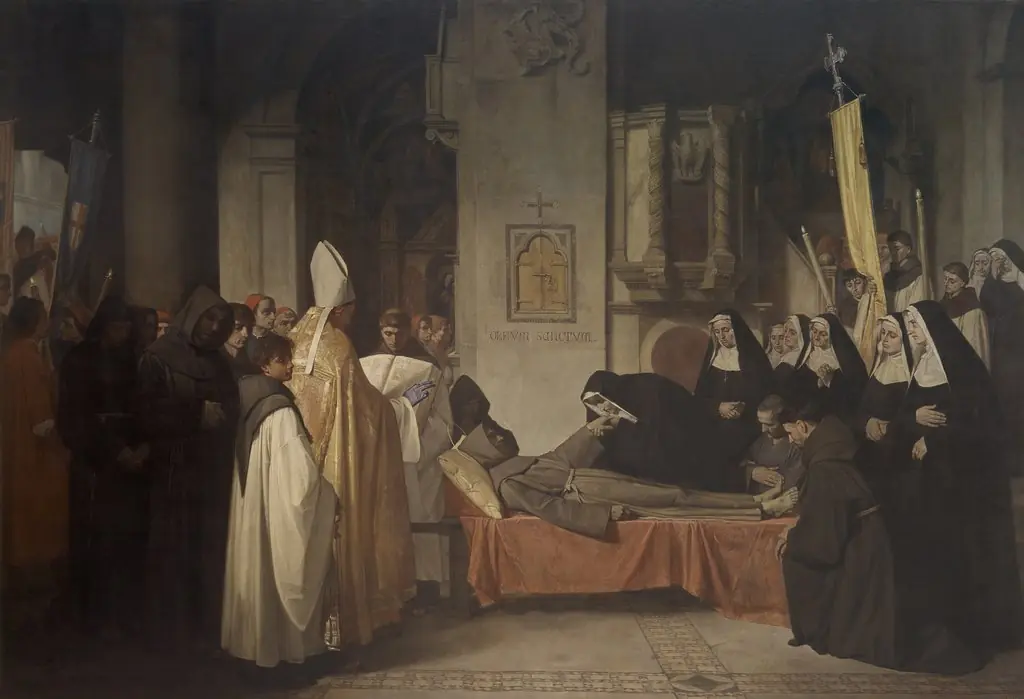 Traslación de San Francisco de Asís