Artwork
Torcuato Tasso se retira al convento de San Onofre en el Janículo
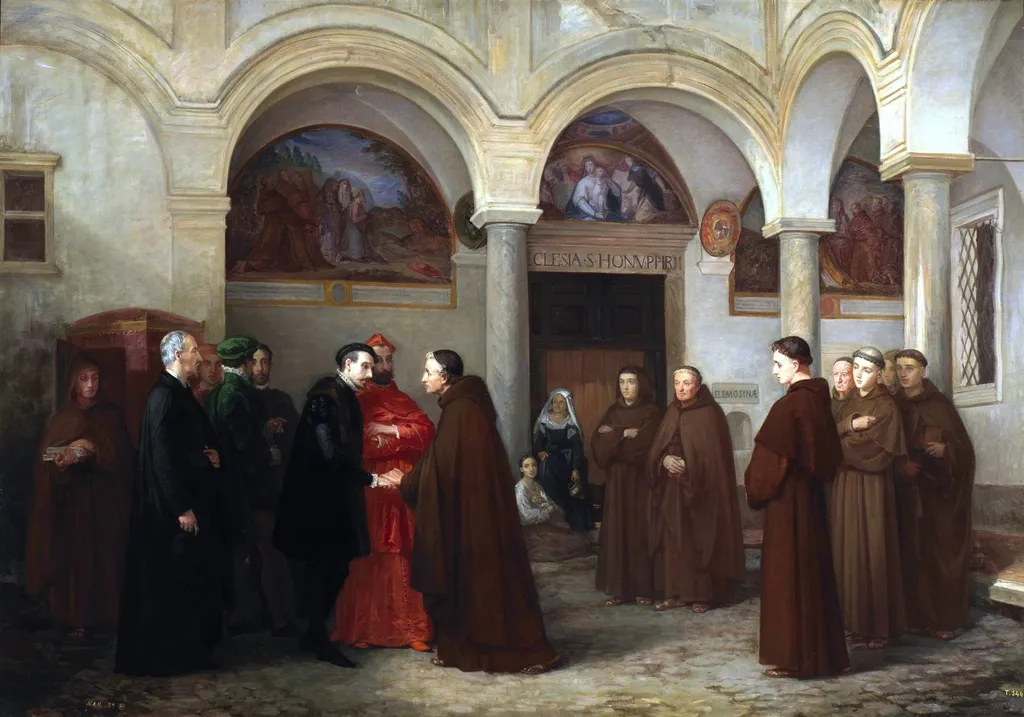
Torcuato Tasso se retira al convento de San Onofre en el Janículo is an oil painting by the Realist artist Gabriel Maureta Aracil. It dates from 1864 and is held in the collection of the Museo del Prado.
About this work
Overview
This 1864 oil painting by Gabriel Maureta Aracil belongs to the Museo del Prado in Madrid. Measuring a substantial format, it presents an interior scene rendered with meticulous attention to architectural and figural detail. The work reflects mid-nineteenth-century academic conventions, balancing narrative clarity with technical precision.
Subject & Meaning
The wooden chest, draped in fabric, suggests a symbolic or ceremonial object, reinforcing themes of renunciation or spiritual transition.
The composition centers on a moment of retreat or consecration, evoking the literary figure Torquato Tasso’s withdrawal to the monastery of San Onofrio on Rome’s Janiculum Hill. Monks in brown habits occupy the foreground, while a bishop or ecclesiastical dignitary in red engages in conversation. The wooden chest, draped in fabric, suggests a symbolic or ceremonial object, reinforcing themes of renunciation or spiritual transition.
Technique & Style
Maureta Aracil employs a controlled, academic technique characterized by smooth glazes and precise draftsmanship. The dim, vaulted interior is illuminated selectively, creating dramatic contrasts between figures and their surroundings. Wall paintings within the scene echo Baroque theatricality, while the artist’s attention to textiles, stonework, and facial expressions demonstrates a commitment to historical accuracy and narrative cohesion.
History & Provenance
Completed in 1864, the painting entered the Museo del Prado’s collection through institutional acquisition, likely reflecting the museum’s mandate to preserve nineteenth-century Spanish academic art. No record of private ownership precedes its accession, suggesting it was commissioned or purchased directly for public display. Its inclusion in the Prado’s holdings underscores its alignment with contemporary tastes for history painting.
Context
The work emerges from a period when Spanish artists increasingly turned to literary and historical subjects, often imbued with moral or patriotic undertones. Torquato Tasso’s life—marked by poetic genius and personal turmoil—provided fertile ground for such treatments. Maureta Aracil’s depiction aligns with broader European trends, where monasteries and religious figures served as vehicles for exploring themes of solitude, duty, and intellectual pursuit.
Legacy
While not among the most frequently reproduced works in the Prado’s collection, the painting exemplifies the enduring appeal of history painting in nineteenth-century Spain. Its technical proficiency and narrative ambition reflect the standards of academic training, offering insight into the era’s artistic priorities. Today, it contributes to the museum’s representation of Spanish Romanticism and the intersection of literature and visual art.
Own this work as a print
Artist & collection

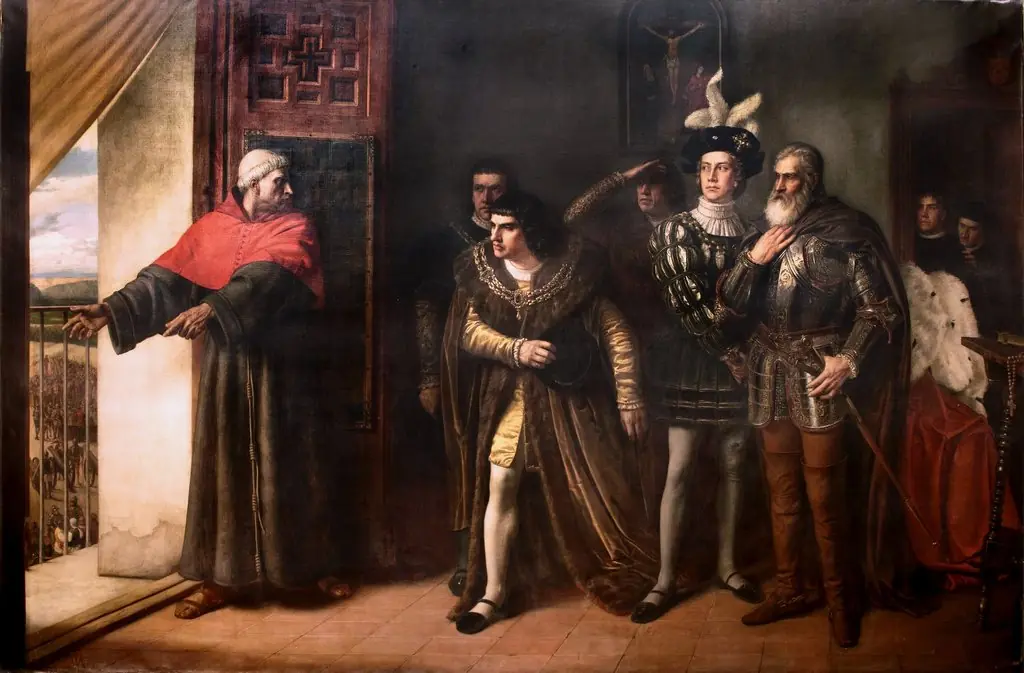 Cisneros y los Grandes
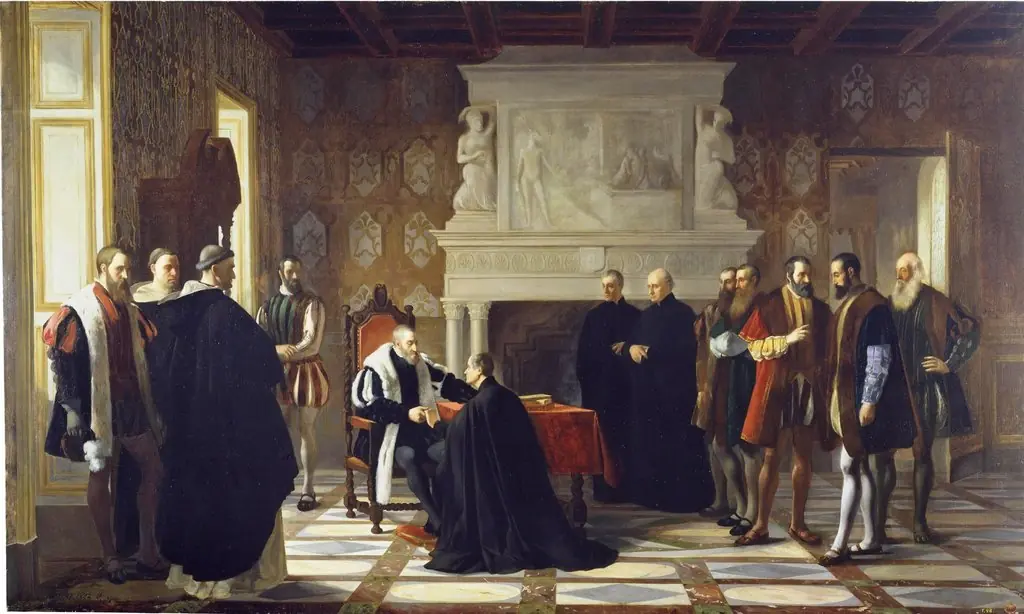 Carlos V recibe en Yuste la visita de San Francisco de Borja
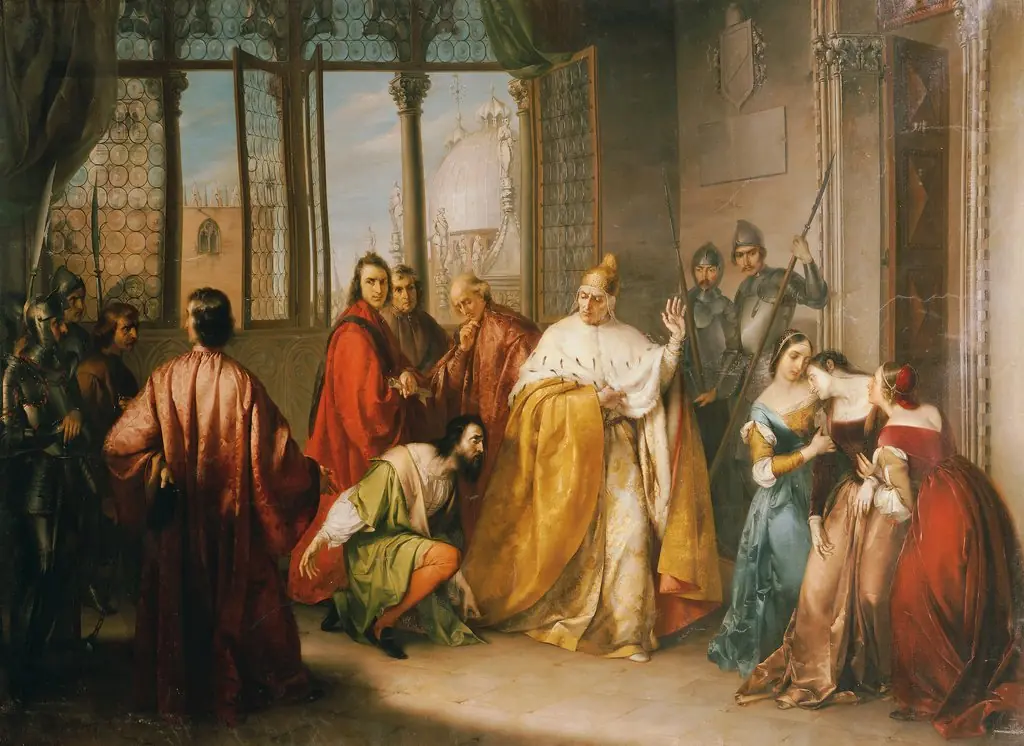 Der Doge Francesco Foscari schickt seinen Sohn Giacomo in die Verbannung ("I due Foscari")
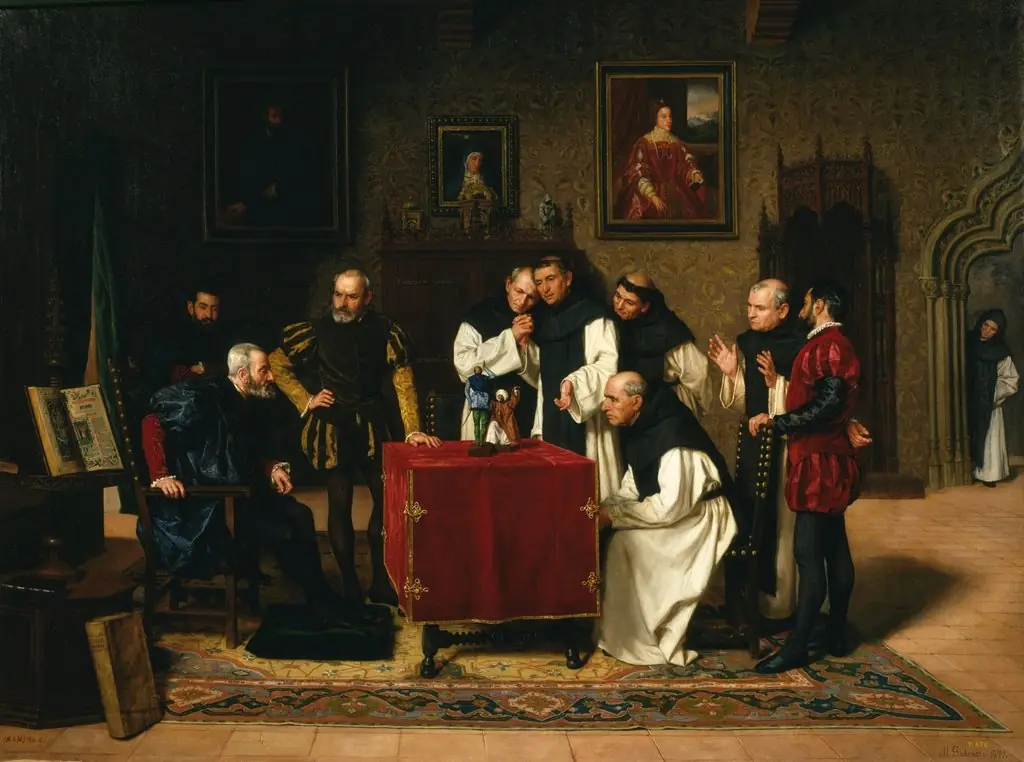 Charles V at Yuste
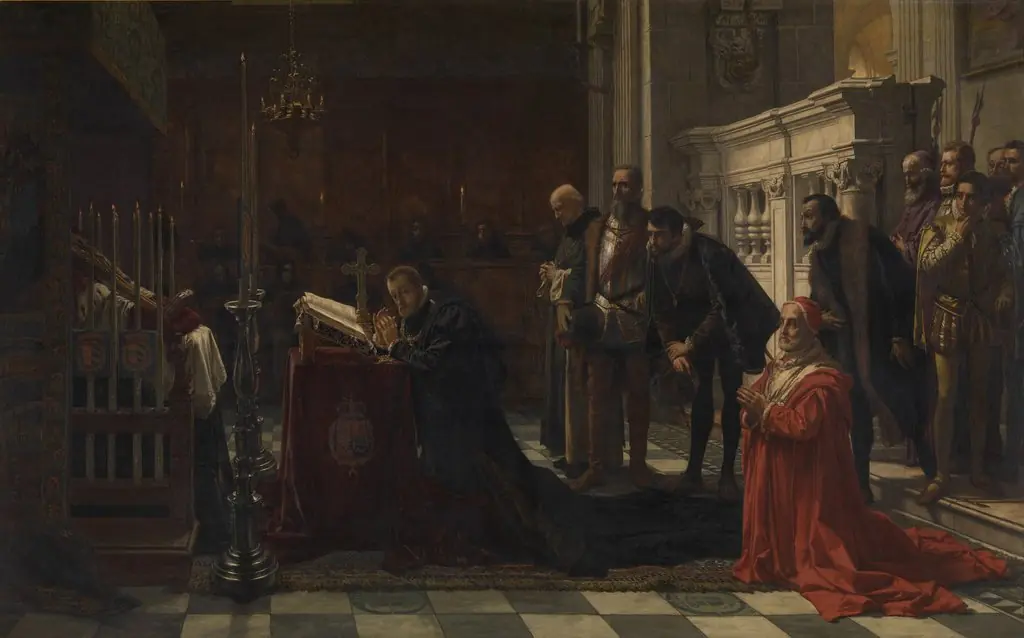 Philip II of Spain Honours Don John of Austria
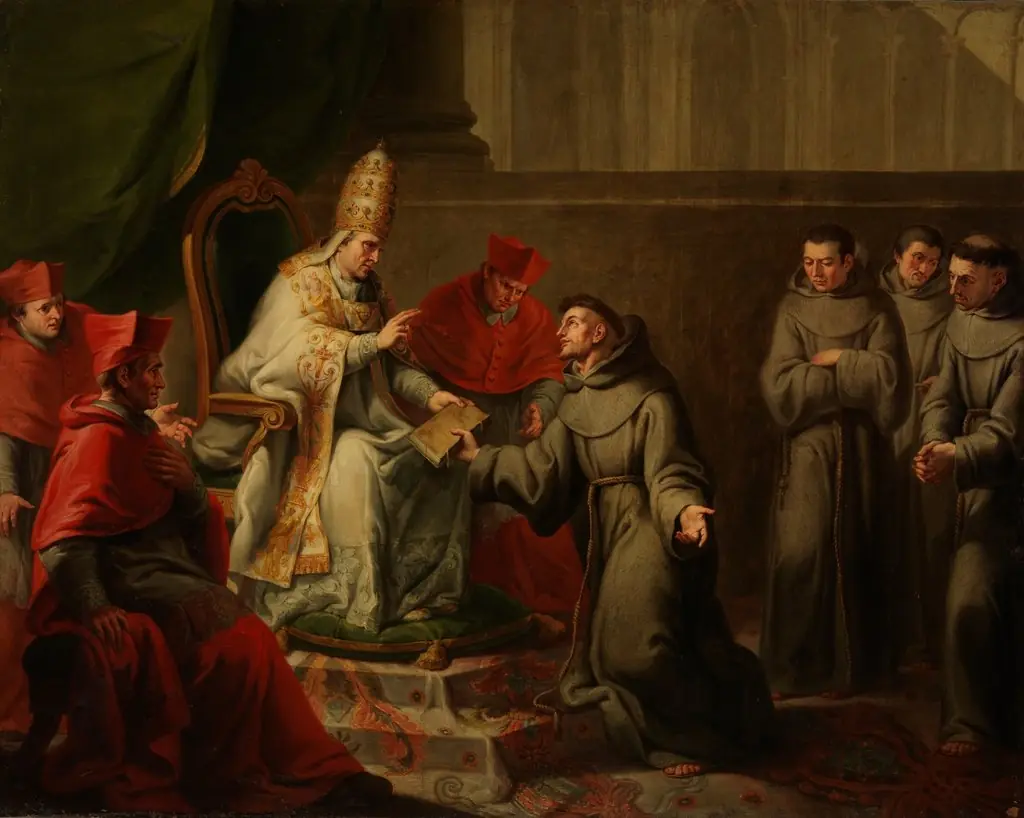 Aprobación de la regla franciscana por el papa Inocencio III
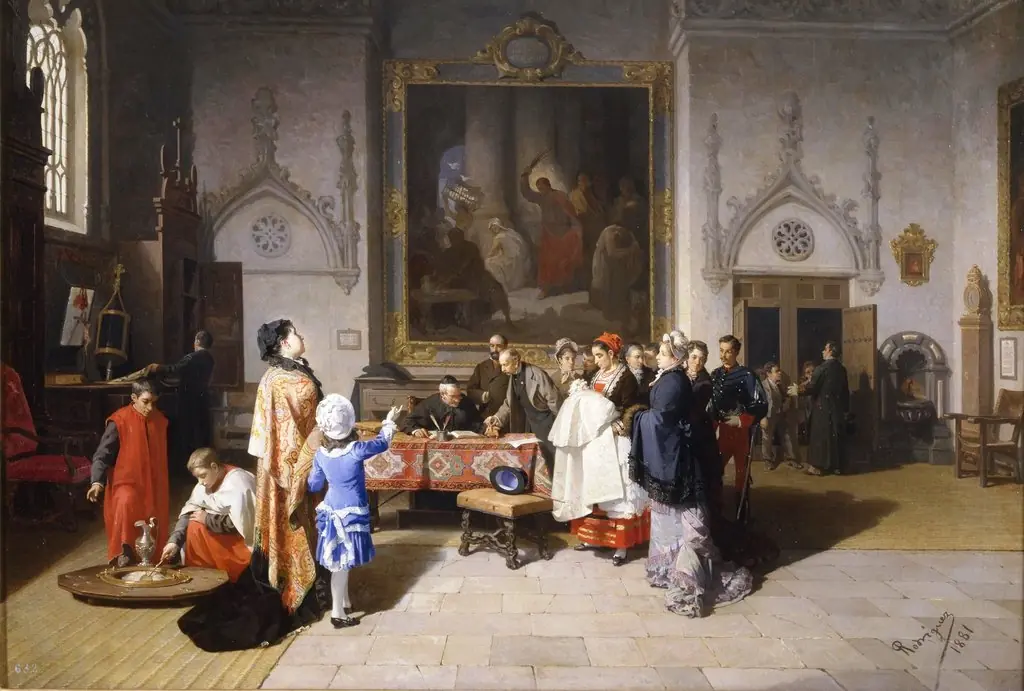 En la sacristía. ¿Mamá por qué pega Jesús a ese hombre?
 Pope Pius VII in the Sistine Chapel
 Jan Hus at Constance
 Anointing of a bishop