Artwork
Dorflandschaft
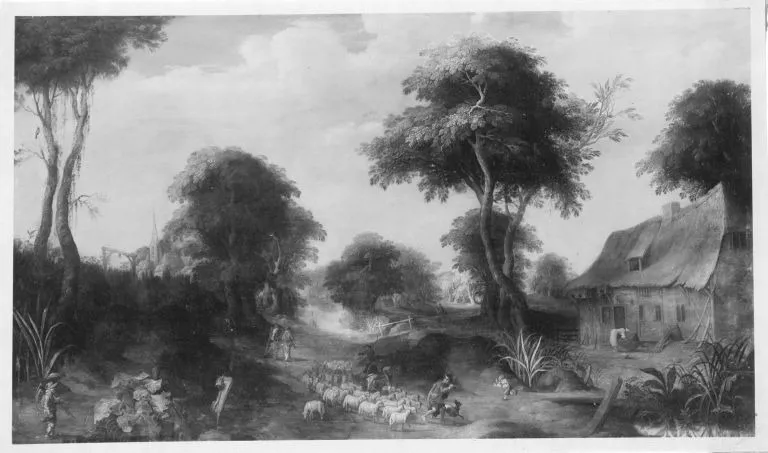
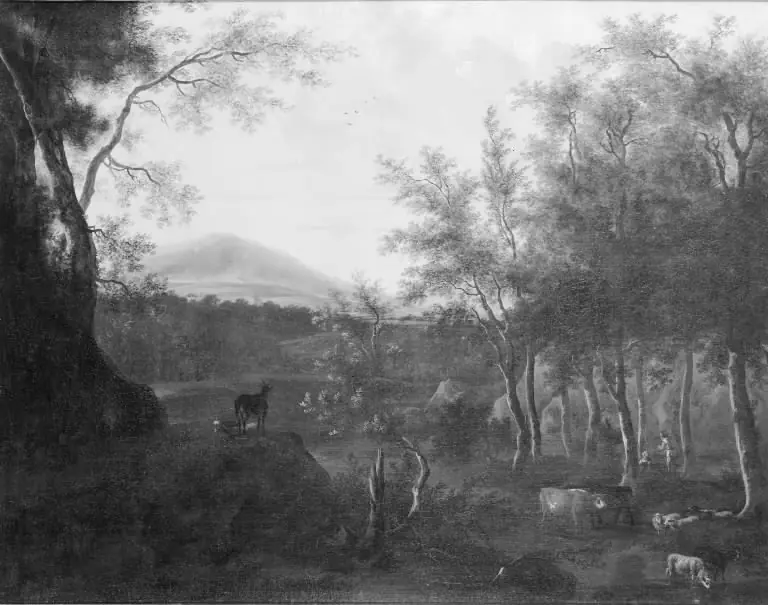
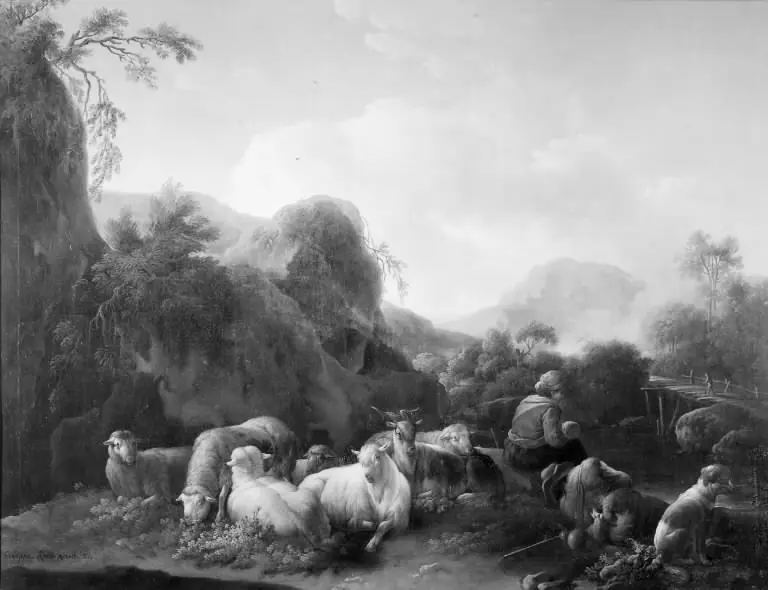
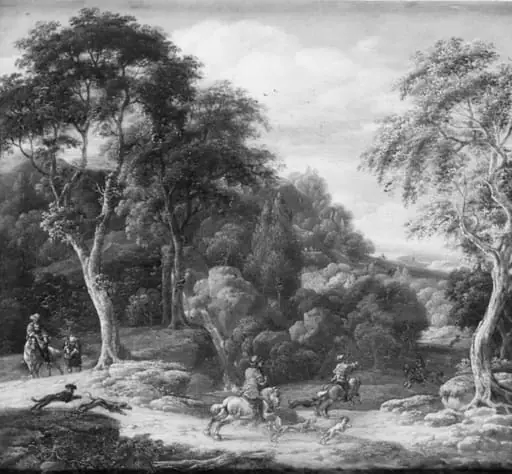
Dorflandschaft is an unspecified painting by the Dutch Golden Age artist Alexander Keirincx. It dates from 1626 and is held in the collection of the Bavarian State Painting Collections.
About this work
Overview
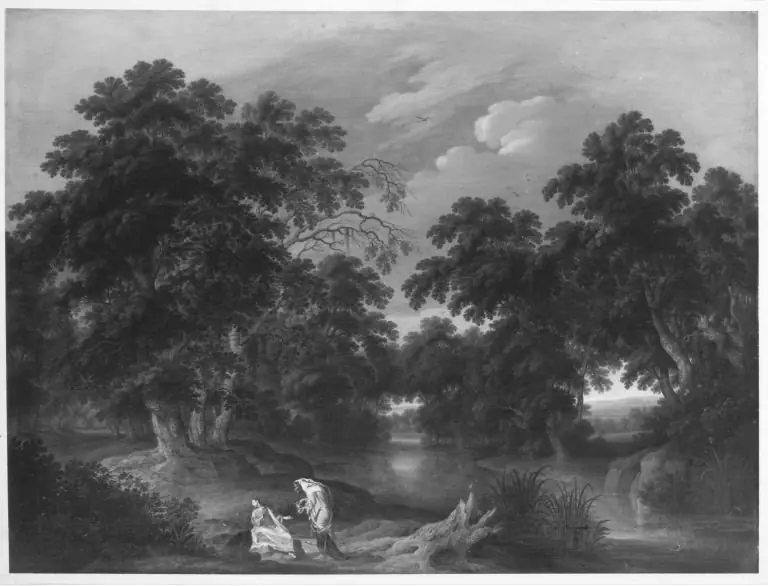
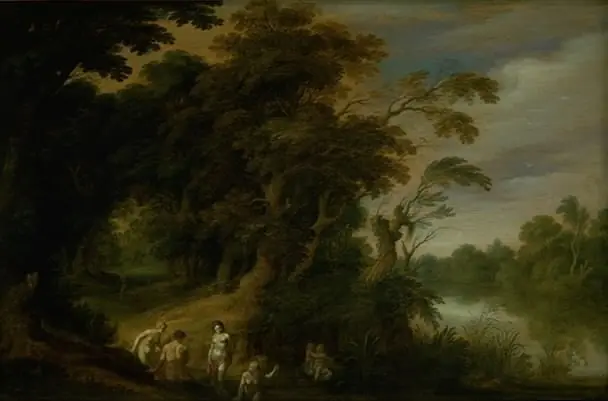
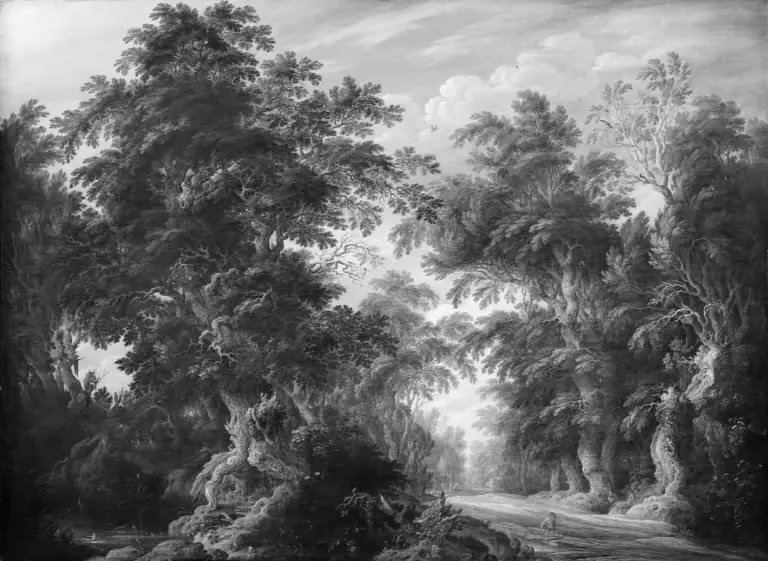
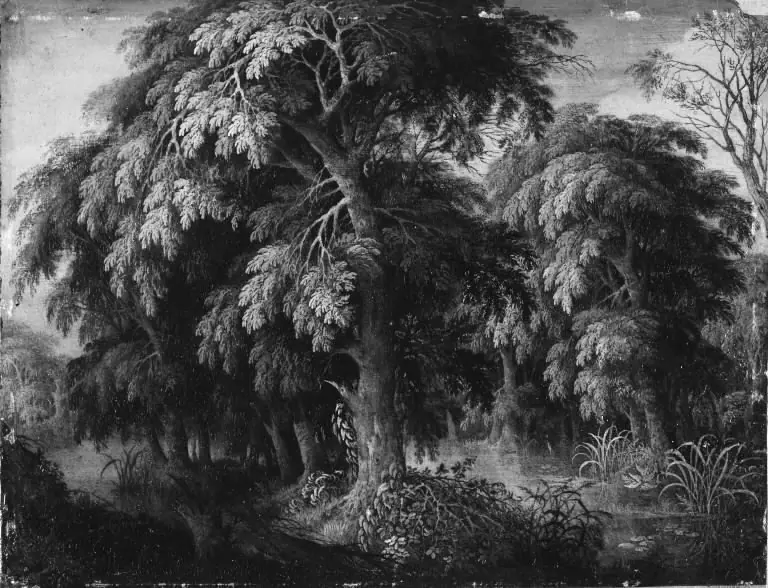
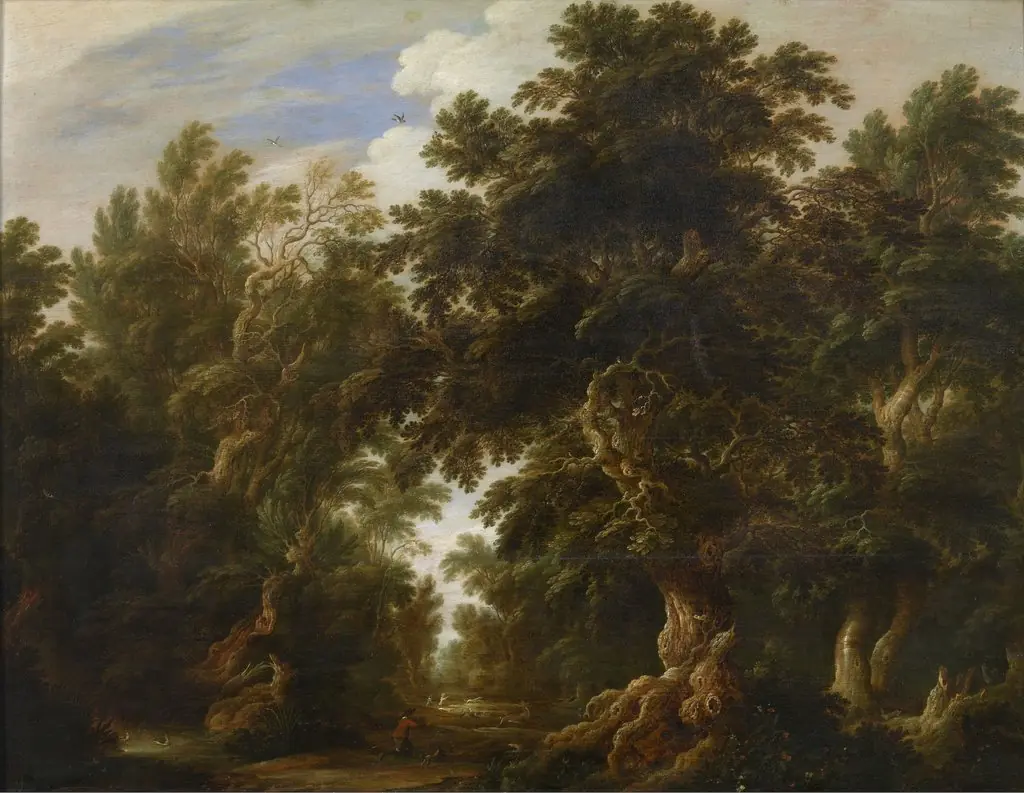
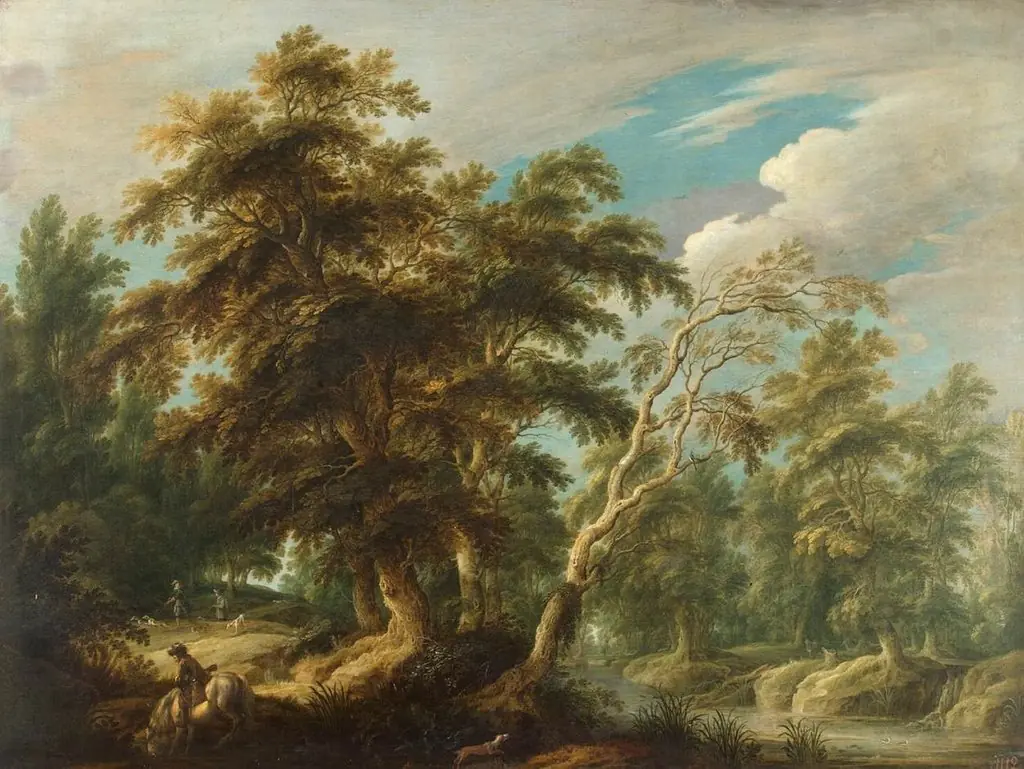
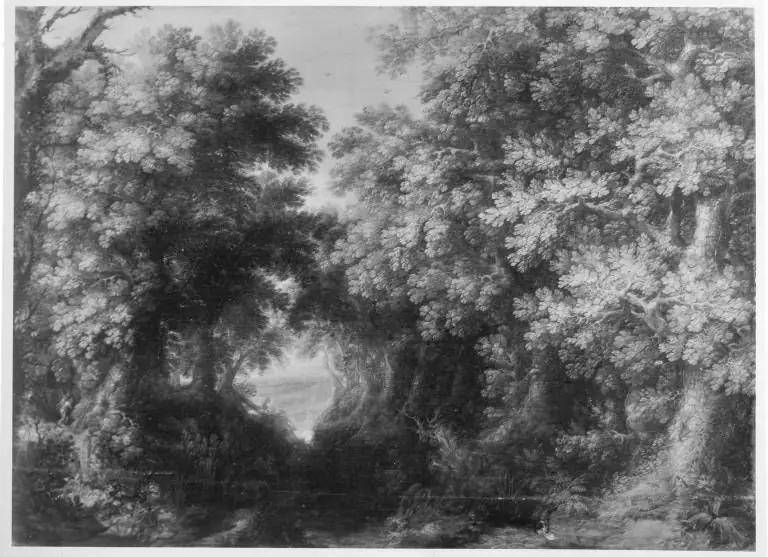
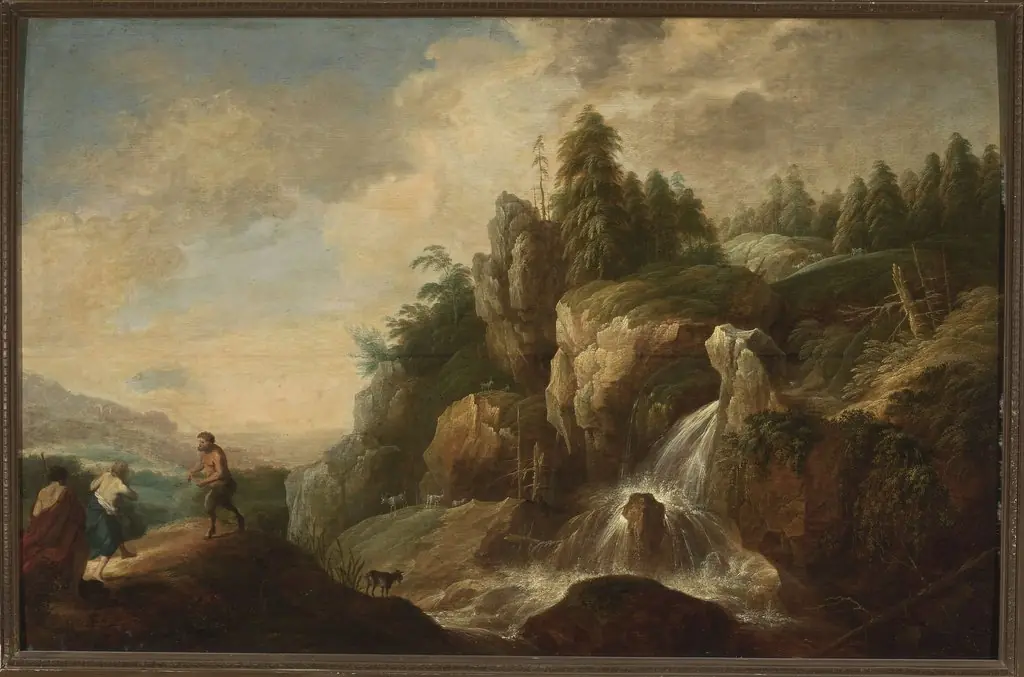
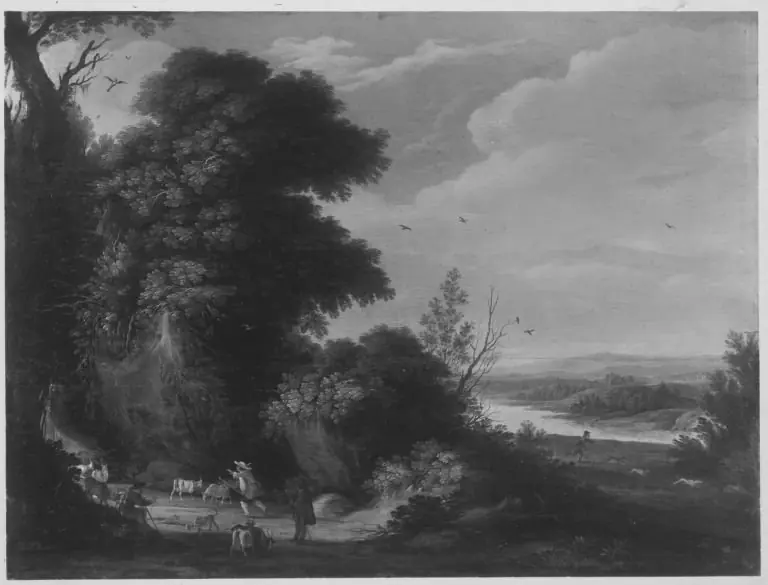
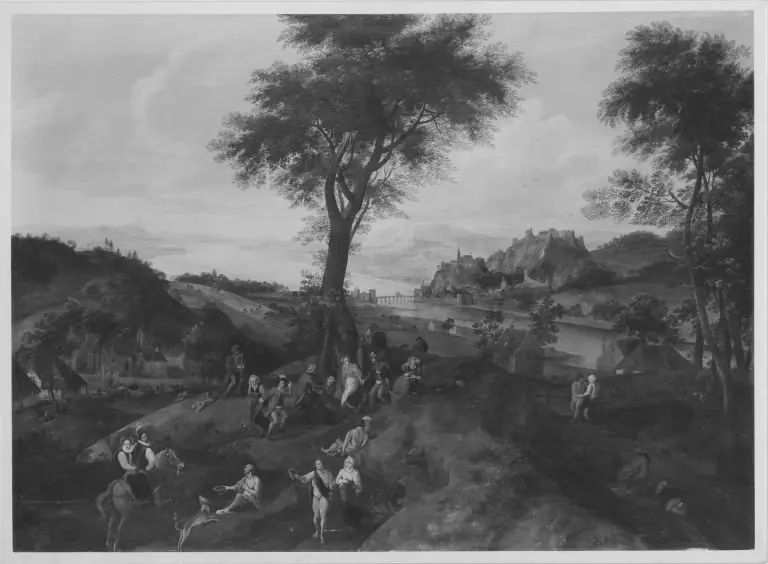
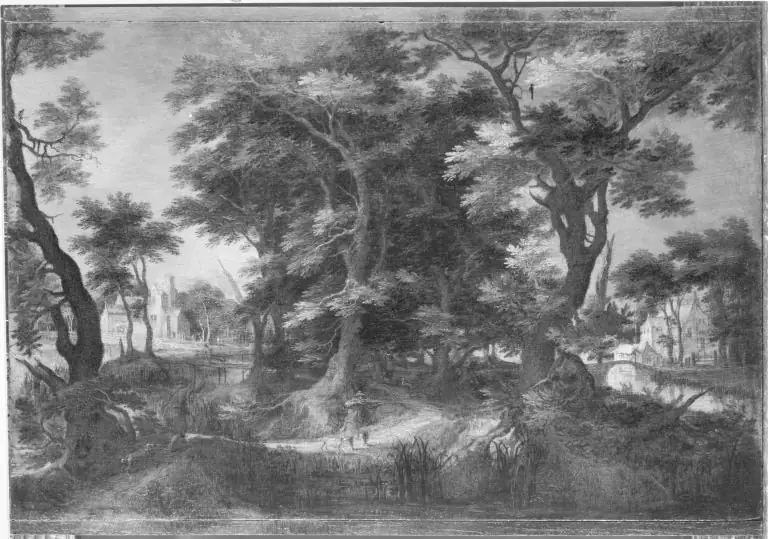
Dorflandschaft, a 1626 painting by Flemish artist Alexander Keirincx, captures a serene rural scene. Executed during his time in the Dutch Republic, the work reflects his characteristic blend of landscape and figural elements.
Subject & Meaning
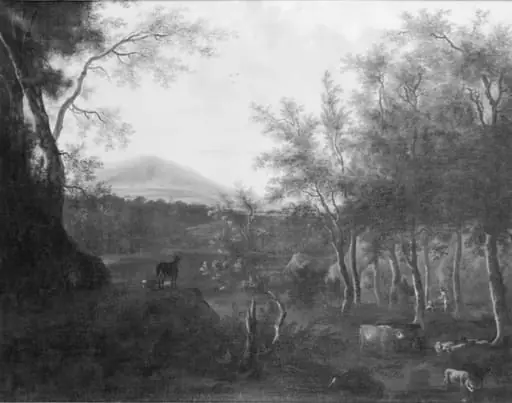
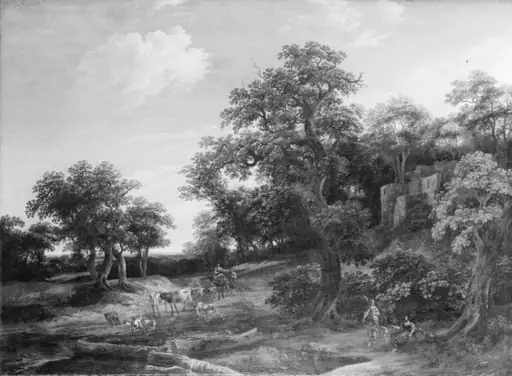
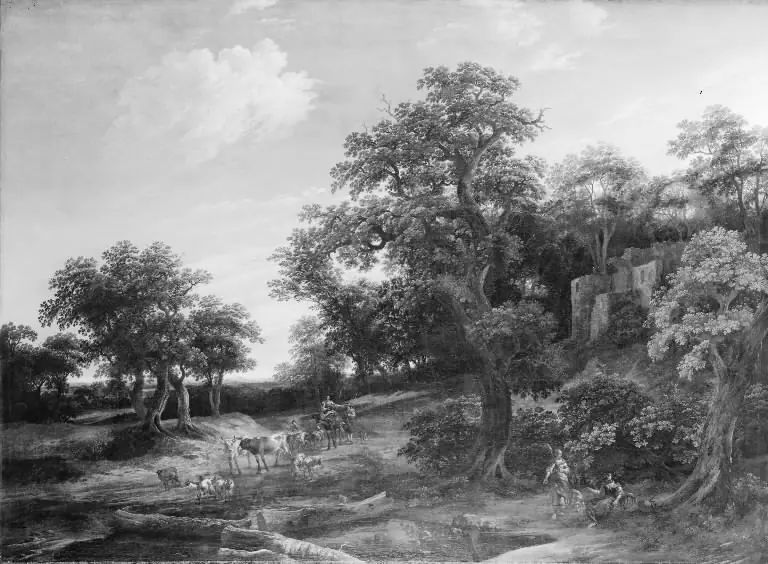
The painting depicts a peaceful gathering near a stream in a rural setting, with figures, animals, and natural elements conveying a sense of tranquility. The scene may allude to everyday life or pastoral themes, though specific narrative intentions are unclear.
Technique & Style
Keirincx employed a vibrant color palette and skillful use of light and shadow to create depth and texture. The soft blue sky and lush green trees exemplify the Dutch Golden Age's emphasis on capturing natural ambiance.
History & Provenance
Created in 1626, Dorflandschaft is part of the Alte Pinakothek's collection. Its history prior to museum acquisition is not detailed here, reflecting the focus on its current holdings.
Context
As a product of the Dutch Golden Age, Dorflandschaft contributes to the period's flourishing of artistic innovation, particularly in landscape painting. Keirincx's Flemish training influenced his contributions to Dutch art.
Legacy
While not individually renowned, Dorflandschaft represents Keirincx's contribution to the evolution of landscape painting during the Dutch Golden Age, influencing subsequent generations of artists through its serene and detailed depictions of rural life.
Artist & collection
Artist
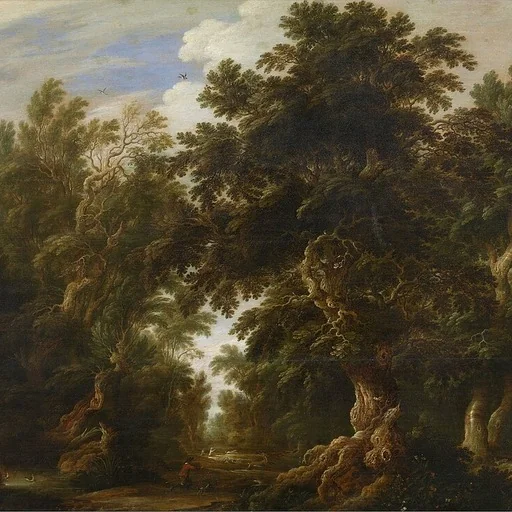
Alexander Keirincx (23 January 1600 in Antwerp – 1652 in Amsterdam) was a Flemish landscape painter who is known for his wooded landscapes with figures as well as his 'portraits' of English castles and country houses.