Artwork
Rocher couvert de mousses et troncs d'arbres abattus
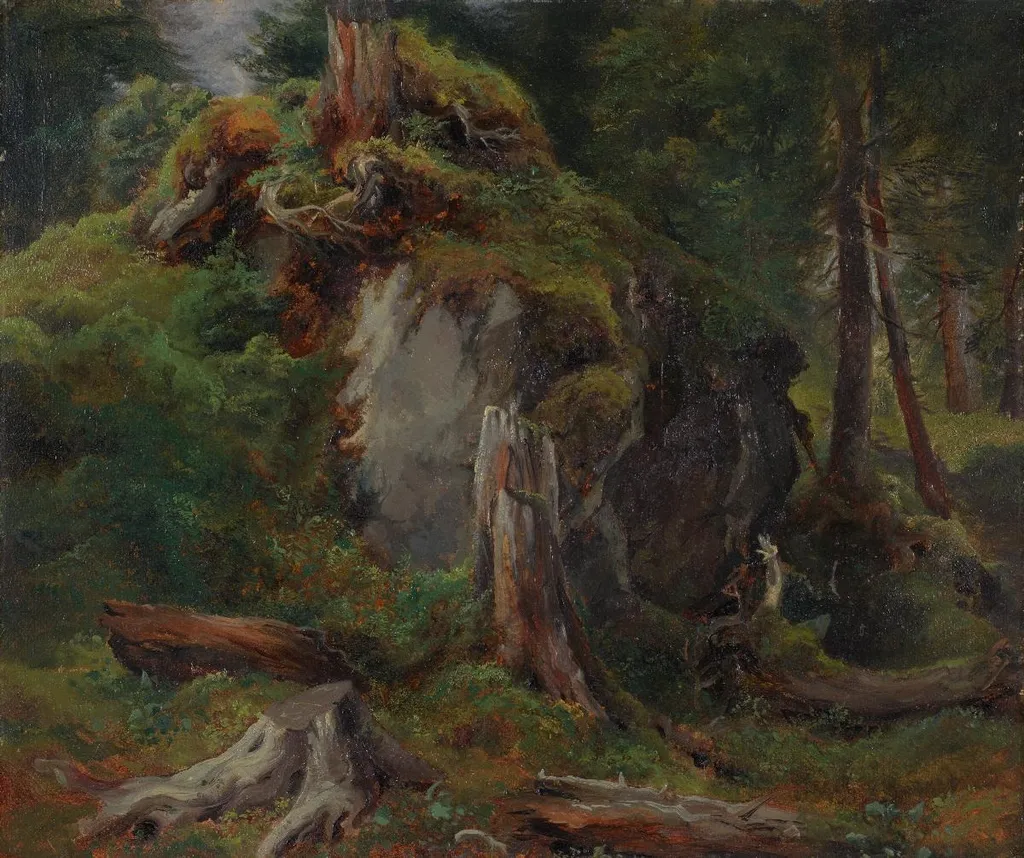
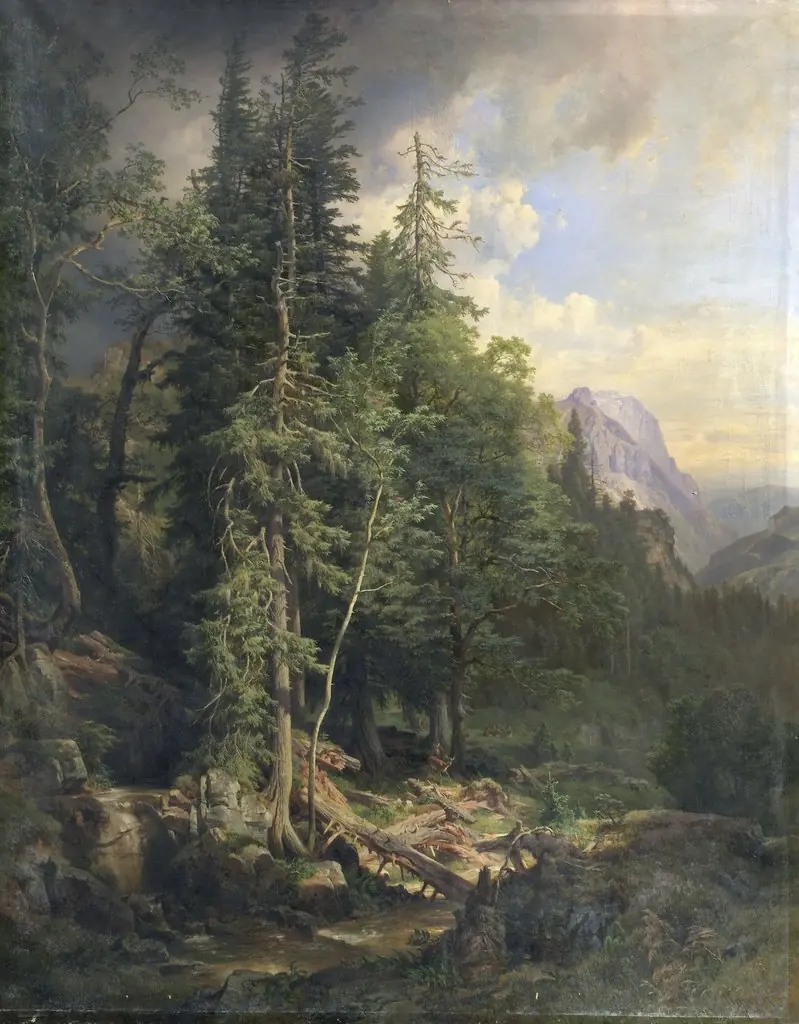
Rocher couvert de mousses et troncs d'arbres abattus is an oil painting by Alexandre Calame. It dates from 1842 and is held in the collection of the Kunsthaus Zürich.
About this work
Overview
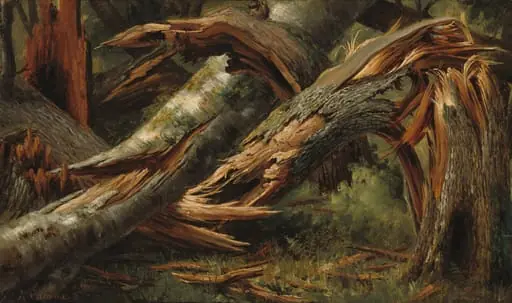
Created in 1842, this oil work by Swiss landscape painter Alexandre Calame depicts a compact woodland scene centered on a light‑gray boulder cloaked in green moss. Tall trunks rise around the stone, while fallen logs and broken branches litter the foreground, and a darker thicket recedes toward a faint opening of sky.
Subject & Meaning
The composition emphasizes the quiet persistence of nature, contrasting the solidity of the moss‑covered rock with the surrounding forest’s transient elements. By foregrounding the decaying wood and the enduring stone, Calame suggests a cycle of growth and decay within the alpine environment he often explored.
Technique & Style
Executed in oil, the painting features a muted palette of greens, browns and grays, allowing subtle tonal shifts to convey depth. Visible brushwork outlines the bark texture and the mossy surface, while layered glazes create a modest luminosity that enhances the atmospheric mood of the secluded grove.
History & Provenance
The canvas entered the collection of the Kunsthaus Zürich, where it remains on display. Its acquisition date is not recorded in the museum’s public catalogue, but the work has been part of the institution’s holdings since the early twentieth century, reflecting the gallery’s focus on 19th‑century Swiss landscape painting.
Context
Calame was a leading figure of the Swiss Romantic landscape tradition, known for rendering alpine scenery with scientific precision and poetic feeling. This piece aligns with his broader oeuvre, which often foregrounds geological formations—such as rocks and cliffs—set within meticulously observed forested settings.
Artist & collection


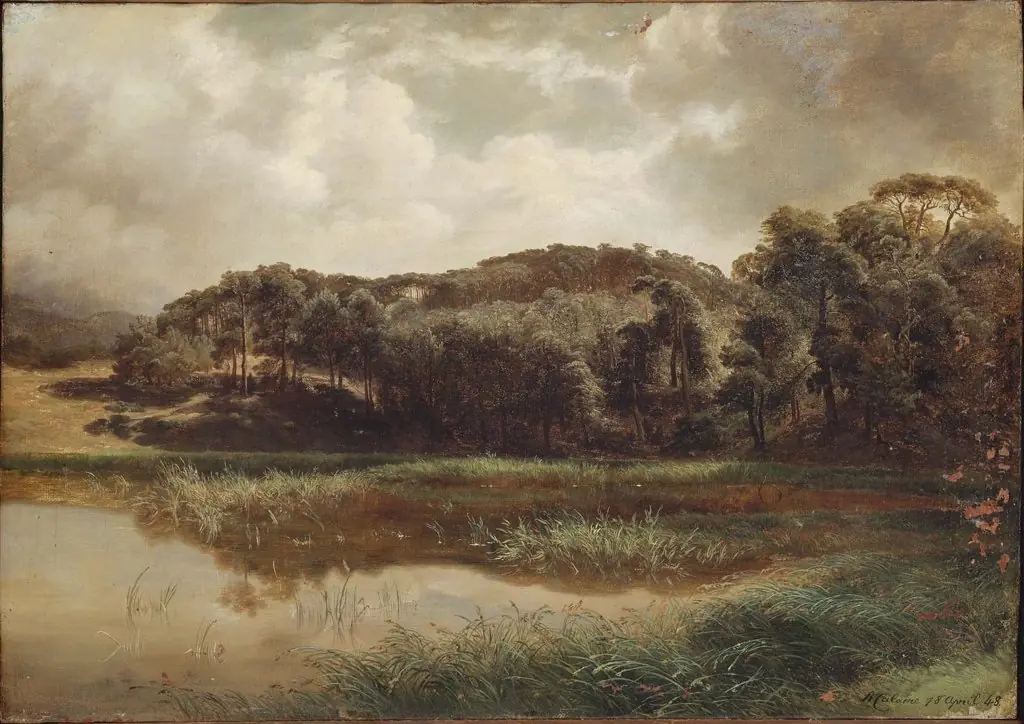
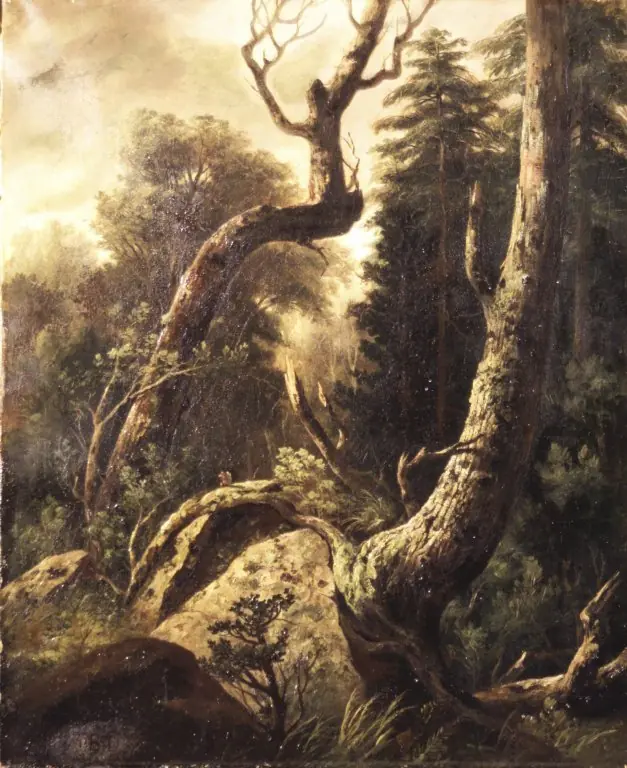 Forest Landscape
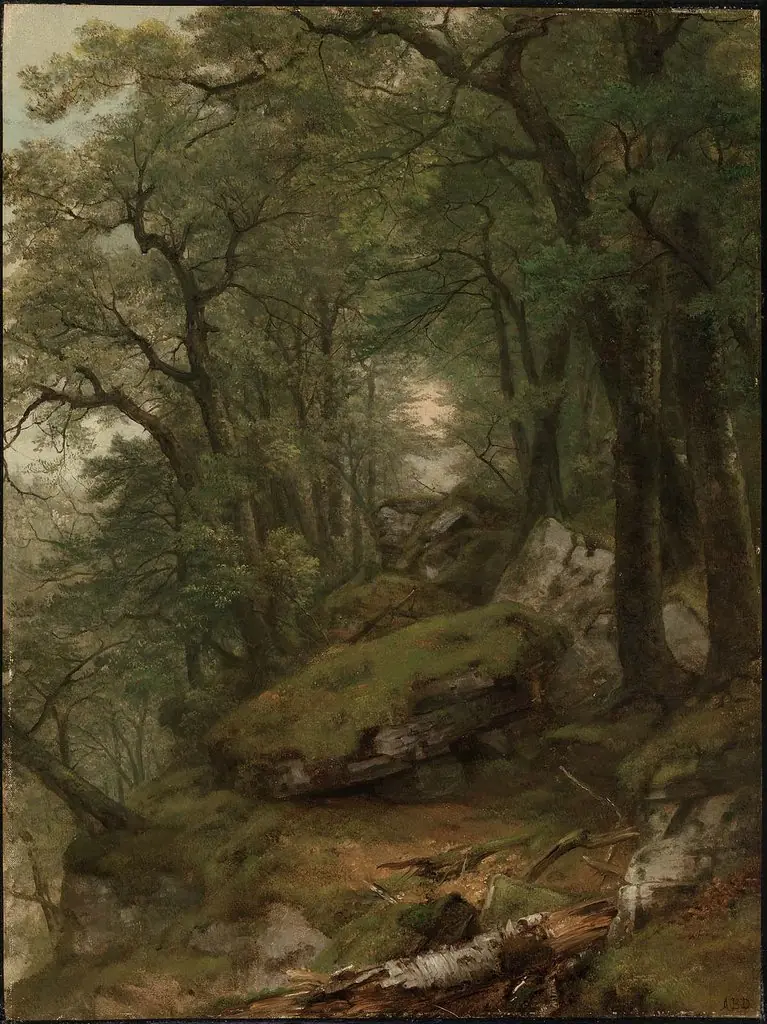 Woodland Interior
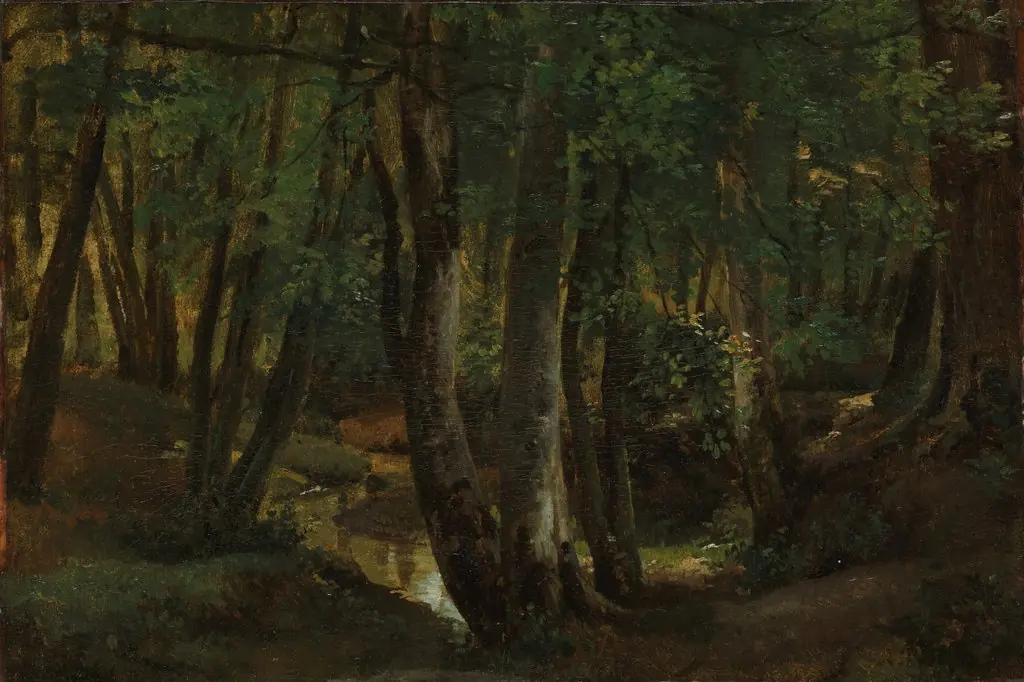 Interior of a Wood at Pierrefitte
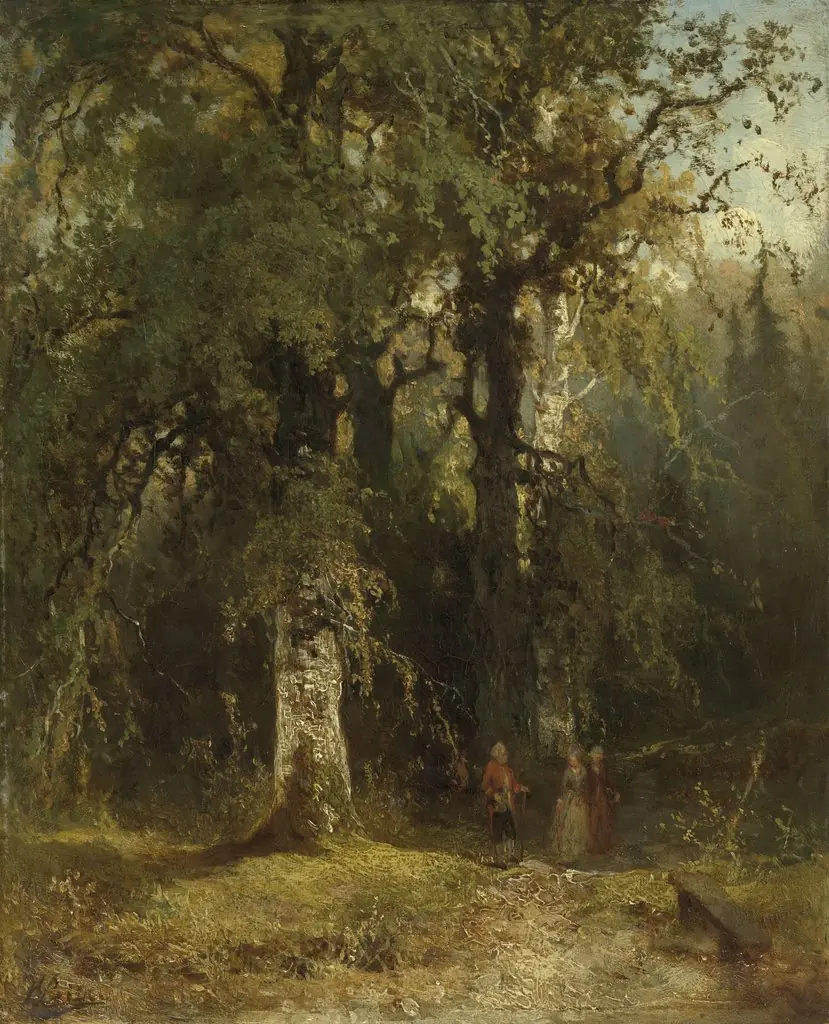 View in the Woods
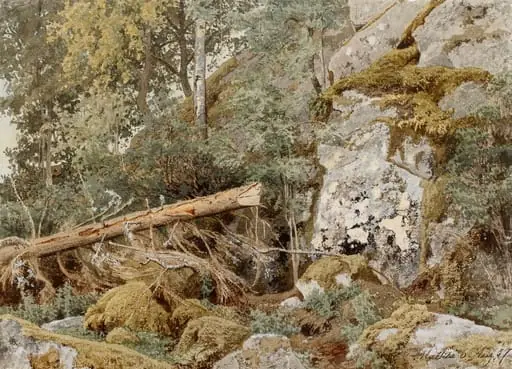 Sammaleinen kallio metsässä
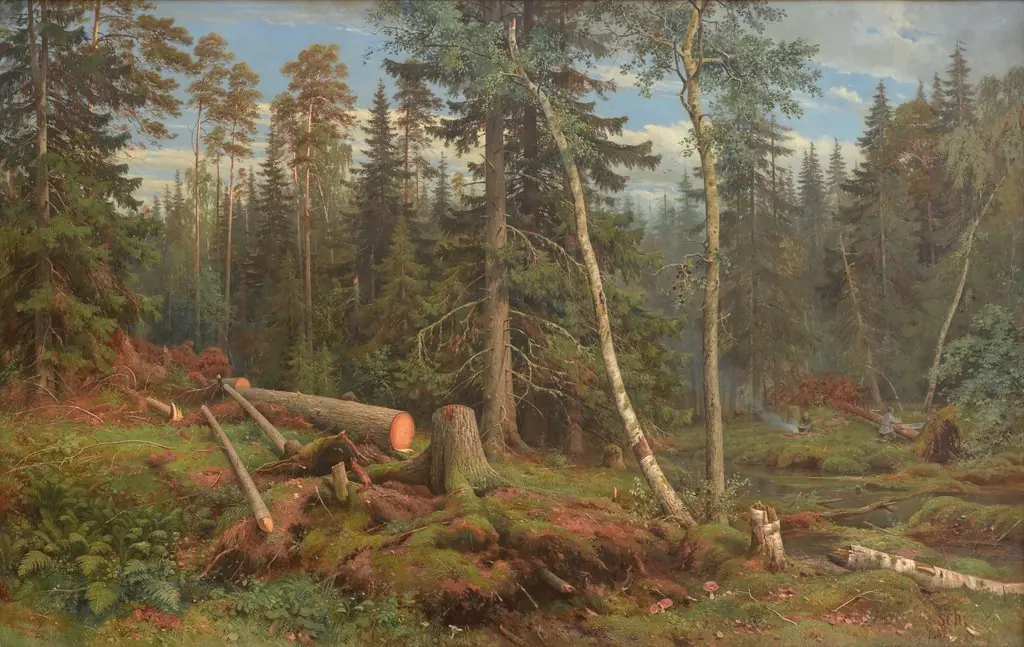 Lumbering
 Trees and a Stream on a Hillside
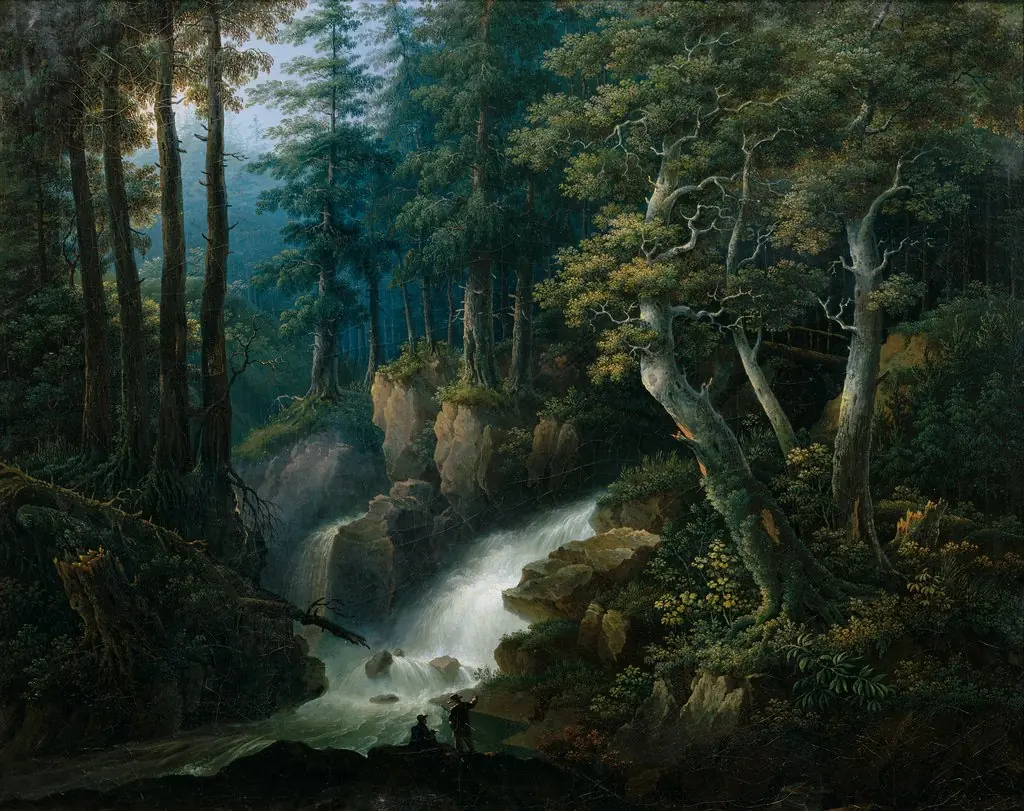 Der Wasserfall der Ilse auf dem Brocken im Harzgebirge
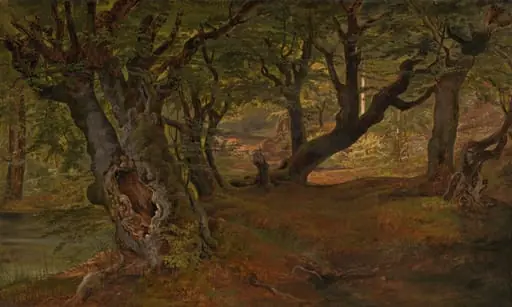 View of Bregentved Forest, Sjaeeland
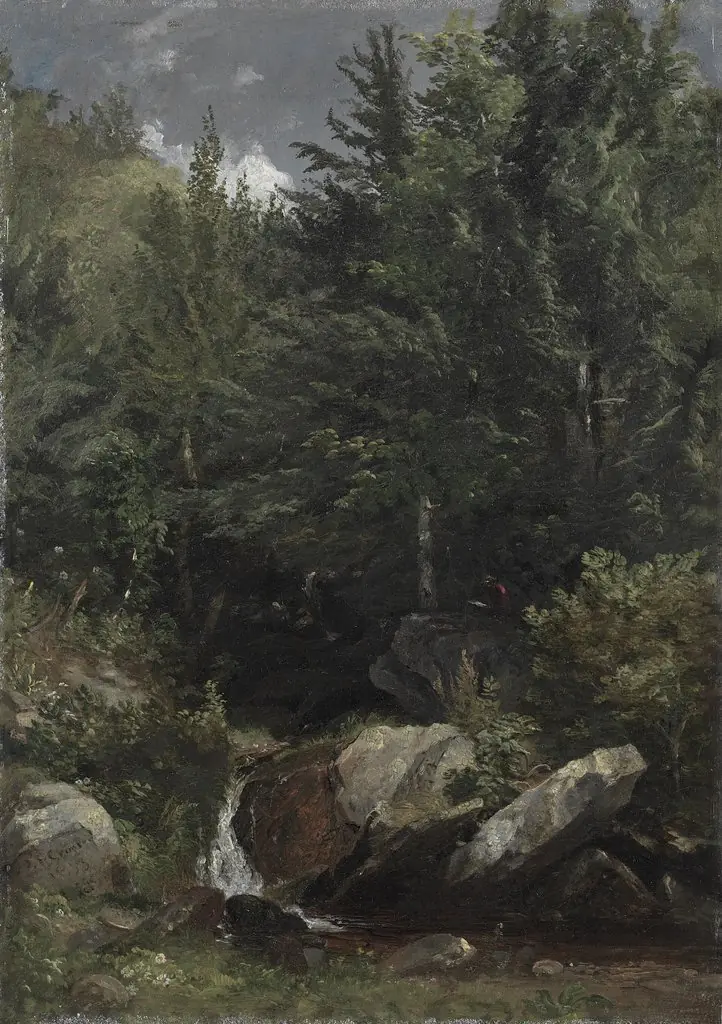 Trees and a Stream on a Hillside
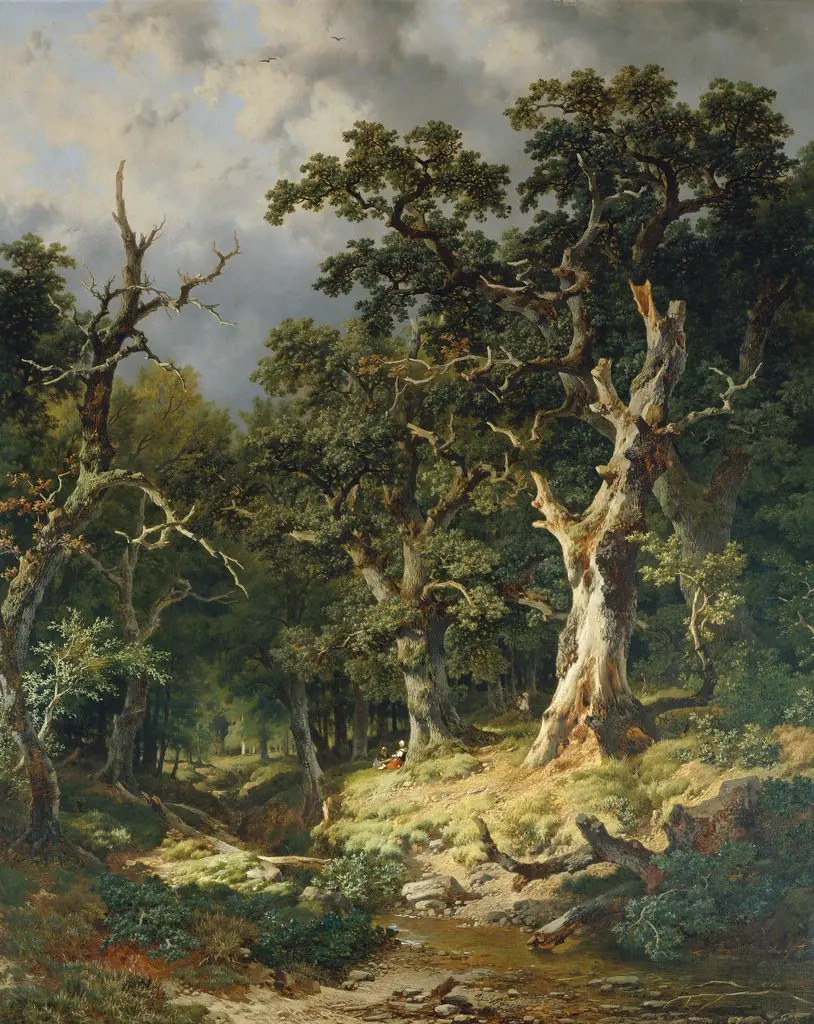 Eichenwald
 From the Styrian Mountain Forests near Neuberg