Artwork
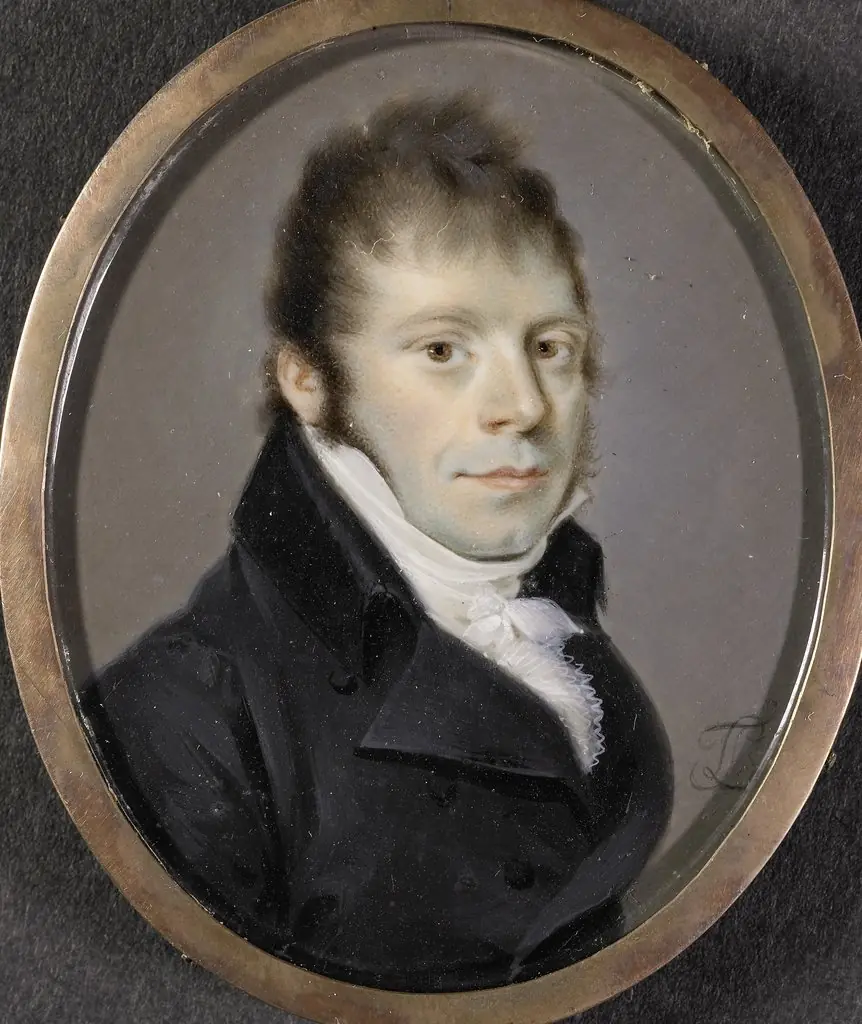
Portrait of an unknown man
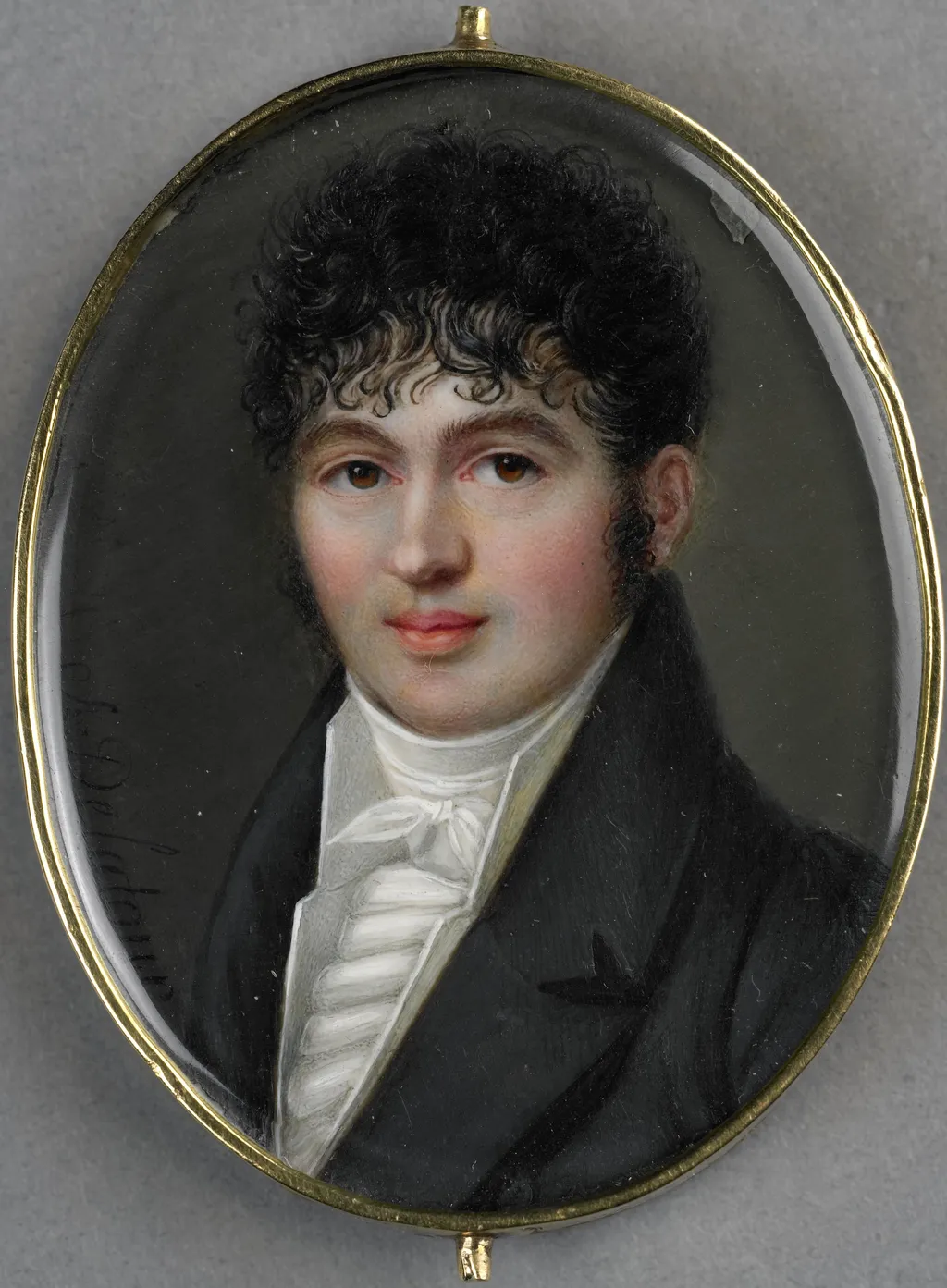
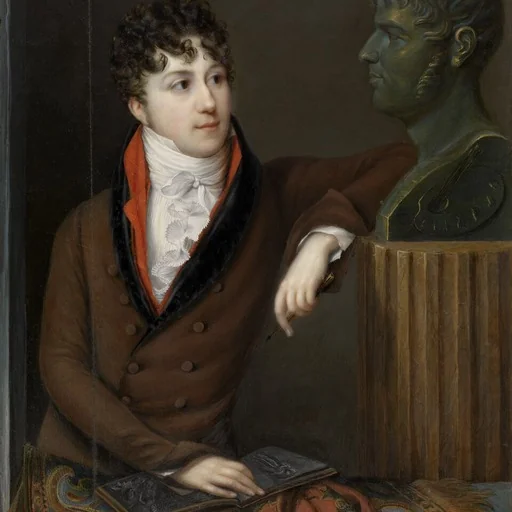
Portrait of an unknown man is an ivory painting by the Neoclassicist artist Alexandre De Latour. It dates from 1815 and is held in the collection of the Rijksmuseum.
About this work
Overview
Created in 1815, this small oval portrait was painted on a thin ivory substrate, a material favored by miniature artists for its smooth, luminous quality. The work measures only a few inches across and exemplifies the neoclassical aesthetic prevalent in early‑19th‑century Belgium, emphasizing restrained composition and precise drawing.
Subject & Meaning
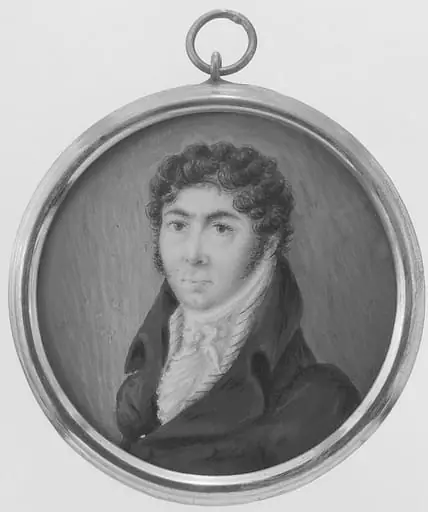
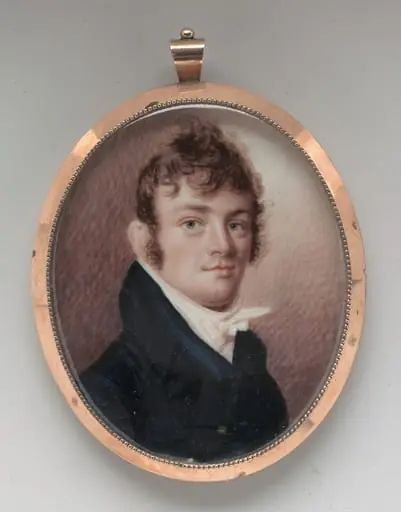
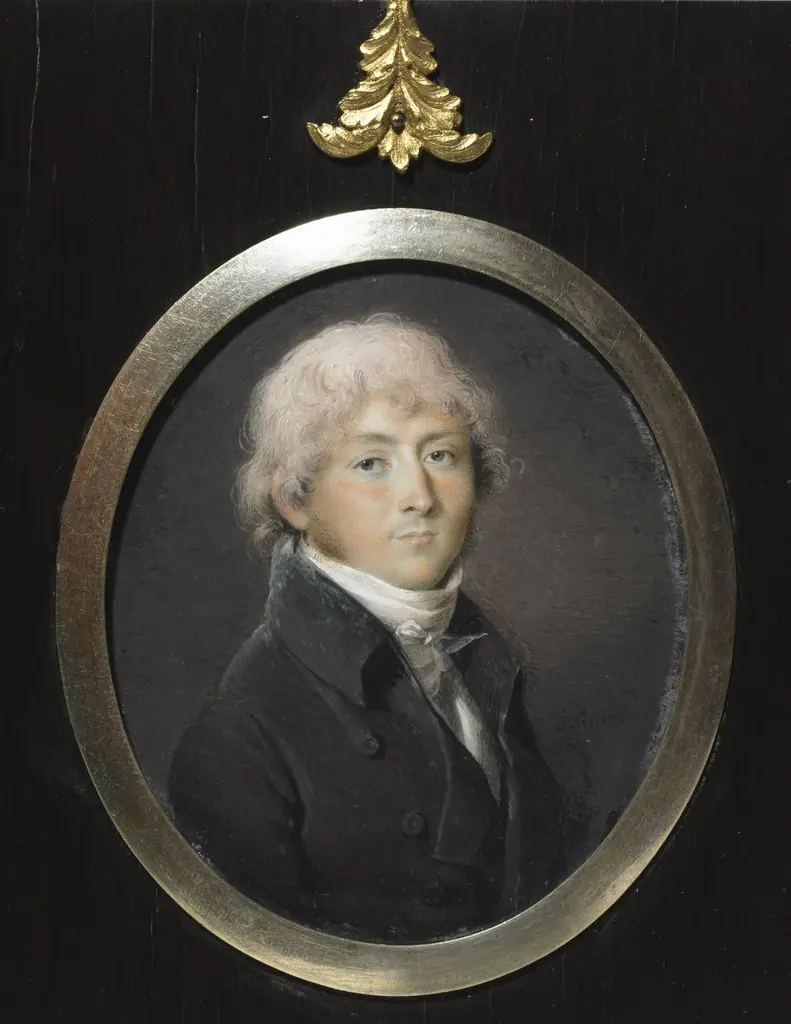
The sitter is a man of indeterminate identity, rendered with a direct gaze that engages the viewer. He wears a black coat with a high white collar and cravat, his curly hair framing a solemn expression. The lack of background detail focuses attention on his facial features, suggesting a private, perhaps commemorative purpose rather than a public narrative.
Technique & Style
Executed with fine brushwork characteristic of miniature painting, the artist achieved subtle modelling of flesh through delicate gradations of tone, reminiscent of sfumato. Light reflects softly across the cheekbones and eyes, while the edges of the figure dissolve into the dark backdrop, creating a gentle sense of depth on the ivory surface.
History & Provenance
The portrait is attributed to Alexandre De Latour, a Belgian miniaturist active in the early 1800s. It entered the Rijksmuseum’s collection, where it remains on display as part of the museum’s holdings of European miniature works, providing insight into the artist’s practice and the period’s portrait conventions.
Artist & collection
Artist
Alexandre de Latour or Delatour (22 May 1780, Brussels – 5 November 1858, Brussels) was a Belgian miniaturist. He also produced a few small format oil paintings.