Artwork
View of Saint-Cloud, Near the Seine
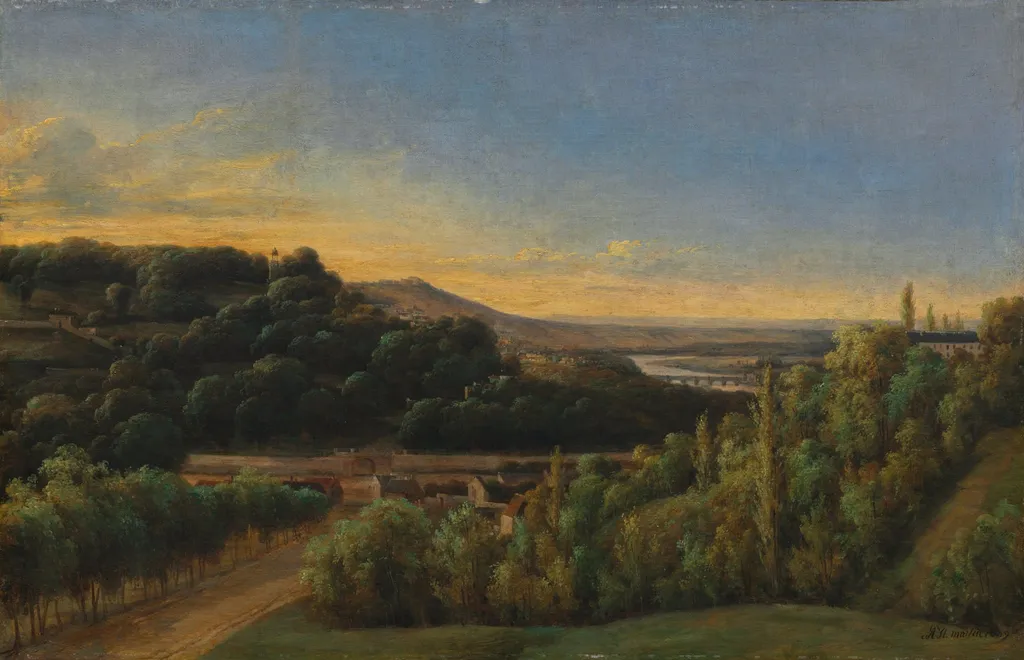
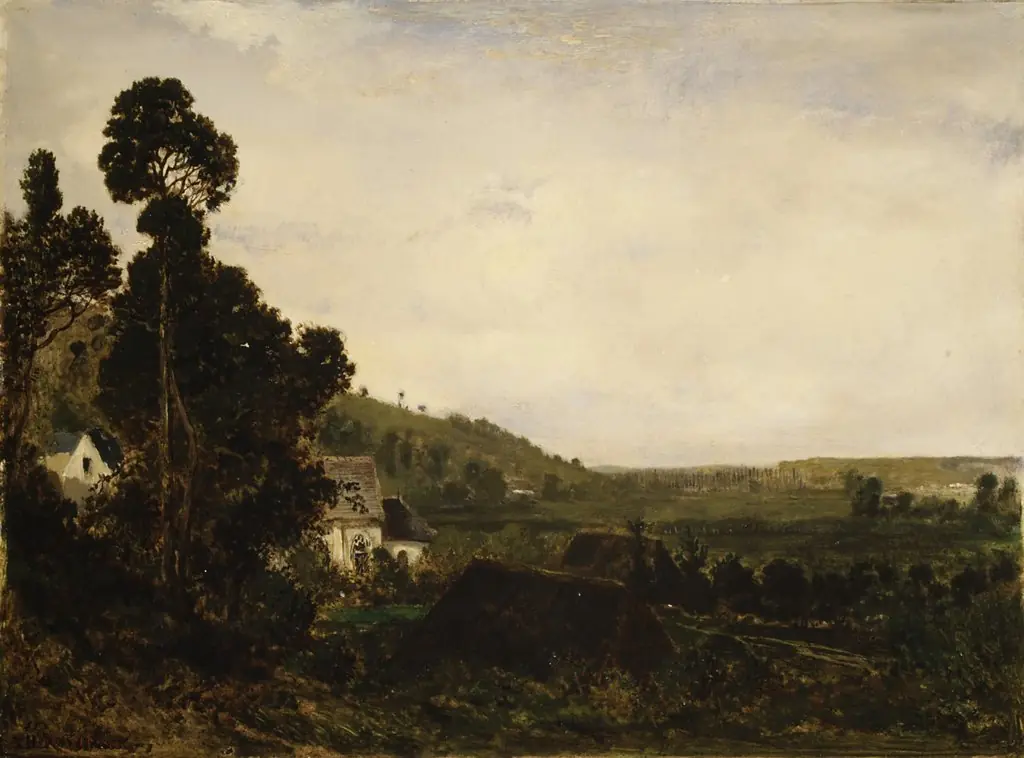
View of Saint-Cloud, Near the Seine is an unspecified painting by the Romanticist artist Alexandre Pau de Saint-Martin. It dates from 1809 and is held in the collection of the Cleveland Museum of Art. This landscape depicts the grounds of the Château de Saint-Cloud, viewed from a vantage point overlooking the Seine.
About this work
Overview
This landscape depicts the grounds of the Château de Saint-Cloud, viewed from a vantage point overlooking the Seine.
This landscape depicts the grounds of the Château de Saint-Cloud, viewed from a vantage point overlooking the Seine. The composition centers on a gazebo nestled among trees to the left, with the river stretching into the distance. The scene reflects a favored observational angle in early 19th-century French landscape painting, capturing a familiar and cultivated view of the countryside near Paris.
Subject & Meaning
The painting presents a tranquil, orderly parkland associated with royal heritage, emphasizing managed nature rather than wild terrain. The gazebo, a common feature in aristocratic gardens, suggests leisure and contemplation. The view’s popularity indicates a cultural preference for serene, accessible landscapes that connected urban viewers to the natural world without abandoning notions of order and refinement.
Technique & Style
The brushwork is restrained and observational, favoring clarity over dramatic effect. Light is rendered evenly, without strong contrasts of shadow and highlight. The palette is muted, dominated by greens and soft blues, aligning with the quiet tone of the scene. The composition follows a traditional perspective, reinforcing the painting’s role as a record of a familiar, admired view rather than an experimental composition.
History & Provenance
Pau de Saint-Martin’s life remains poorly documented, but his known works date from at least 1795 and focus on the Forest of Fontainebleau. He was active during a period when landscape painting was gaining recognition as a serious genre. His significance lies partly in his familial influence: he taught his nephew Théodore Rousseau, who later became a pivotal figure in the Barbizon movement, helping to shift landscape painting toward greater naturalism.
Context
In the decades after the French Revolution, landscape painting increasingly appealed to a broader public seeking solace in nature. Views of places like Saint-Cloud, once royal property, became symbols of accessible beauty. Artists like Saint-Martin catered to this taste, offering familiar scenes that balanced aesthetic pleasure with a sense of continuity amid political upheaval.
Legacy
Though Saint-Martin’s own body of work is limited, his role as a mentor to Théodore Rousseau links him to a major evolution in French art. Rousseau’s later emphasis on direct observation and emotional resonance in landscape painting can be traced, in part, to early training under his uncle. Saint-Martin’s work thus represents a transitional phase between formal garden views and the more immersive naturalism of the Barbizon school.
Own this work as a print
Artist & collection
Artist
Alexandre Pau de Saint-Martin (1751–1820) was a French artist, born in Mortagne-au-Perche.

 Hilly landscape at sunset
 View of the Tiber near Perugia
 The Bridge at La Cava, Kingdom of Naples
 The Coast of Jutland Seen from Mølleknap Hills in Funen
 Dedham Vale, Evening
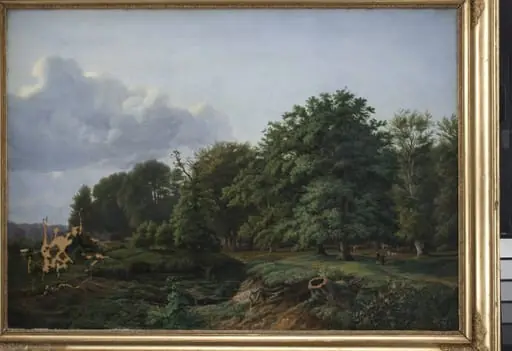 A Forrest near Hellebæk in the North of Zealand. Afternoon.
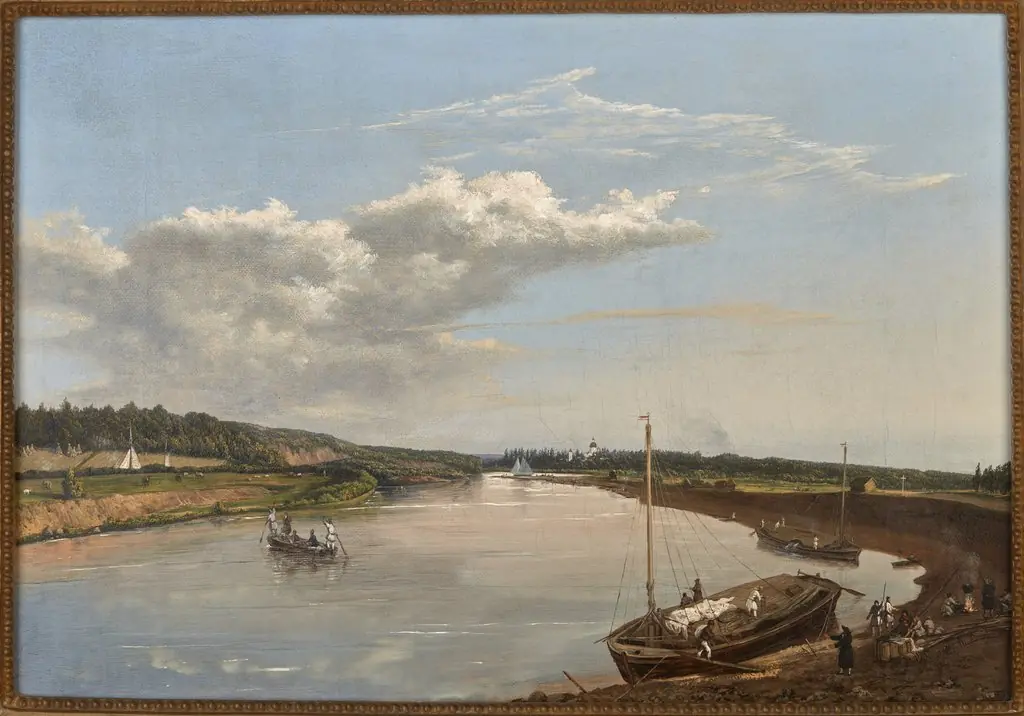 View of Pożajście on the Niemen River
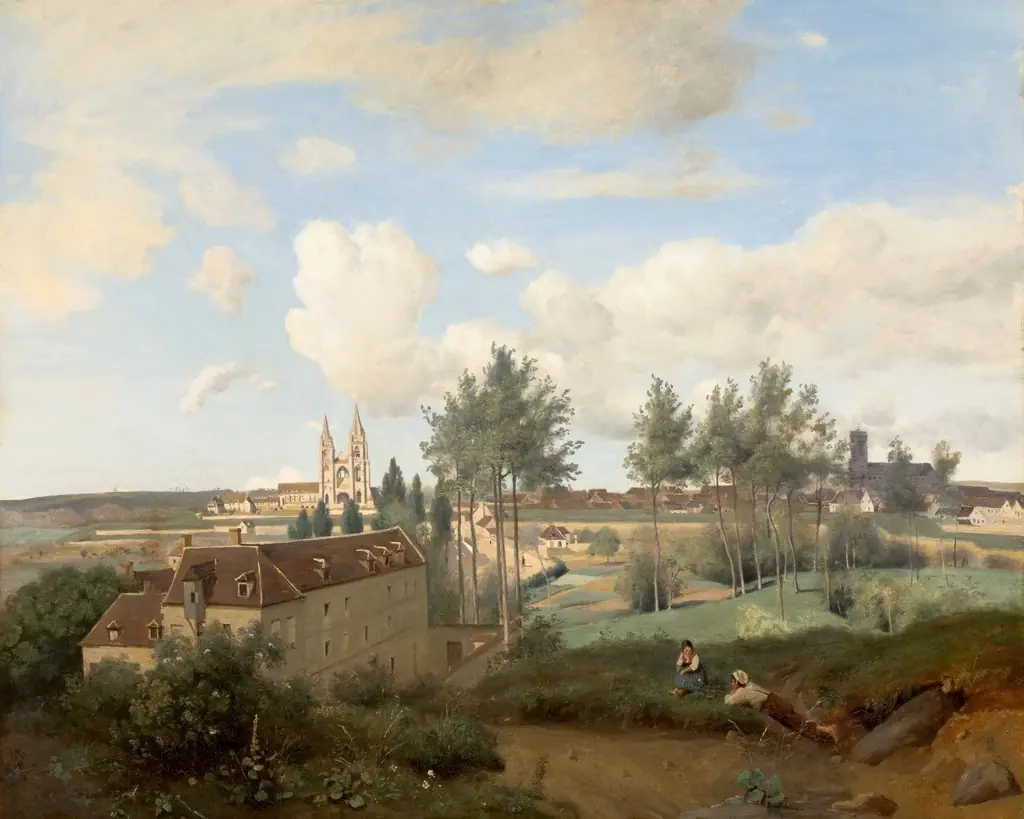 Soissons Seen from Mr. Henry's Factory
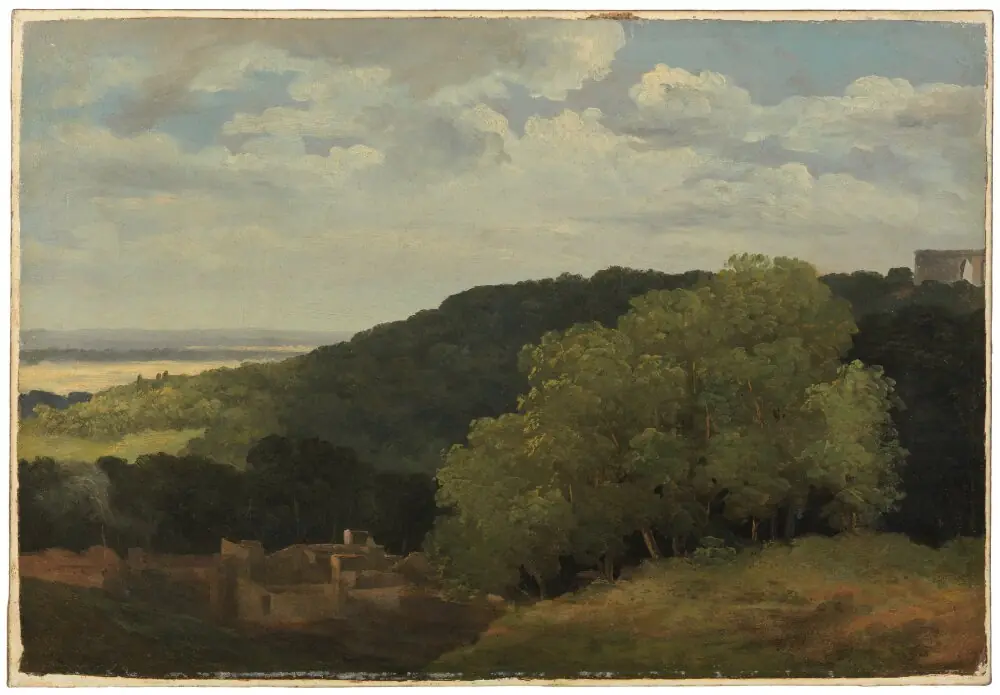 View of the Roman Campaign near Subiaco
 An Old Chapel in a Valley