Artwork
Water Mill, Charentonneau
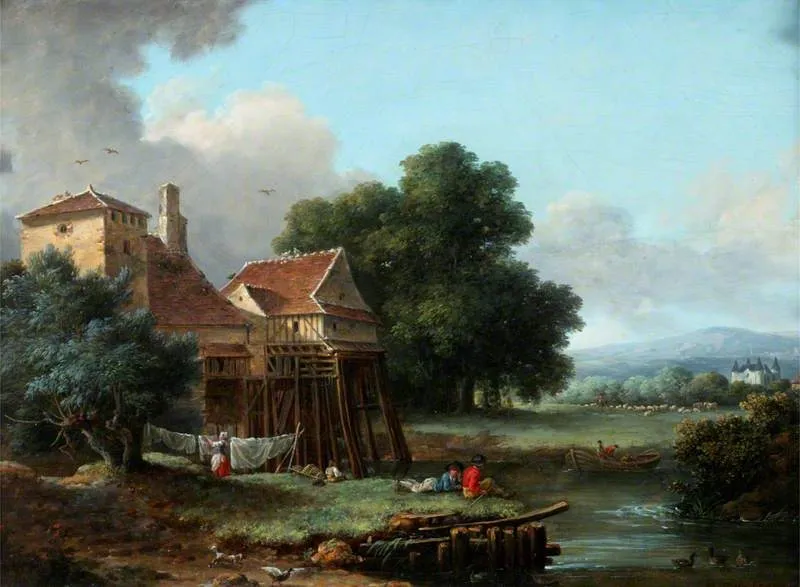
Water Mill, Charentonneau is an oil painting by the Rococo painting artist Alexandre Pau de Saint-Martin. It dates from 1795 and is held in the collection of the Victoria and Albert Museum.
About this work
Overview
Painted in 1795 by Alexandre Pau de Saint-Martin, Water Mill, Charentonneau is an oil-on-canvas work depicting a quiet rural scene in northern France.
Painted in 1795 by Alexandre Pau de Saint-Martin, Water Mill, Charentonneau is an oil-on-canvas work depicting a quiet rural scene in northern France. The painting resides in the Victoria and Albert Museum’s collection, where it is noted for its calm composition and attention to natural detail. It reflects the artist’s interest in landscape as a subject worthy of quiet contemplation, rather than dramatic narrative.
Subject & Meaning
The scene centers on a functioning water mill surrounded by trees and flowing water, with figures engaged in everyday activities near the riverbank. A small boat drifts gently downstream, suggesting routine labor and leisure coexisting. The absence of overt symbolism points to a focus on the dignity of ordinary rural life, capturing a moment of stillness rather than conveying allegory or moral instruction.
Technique & Style
Saint-Martin employs soft transitions between light and shadow to suggest depth and atmospheric perspective. The foliage is rendered with loose, textured brushwork, while the water reflects subtle shifts in sky tone. The mill’s architecture is defined with precision, contrasting with the more fluid handling of the natural elements. This balance between detail and suggestion enhances the painting’s sense of quiet realism.
History & Provenance
The painting was completed in 1795, during a period when French artists increasingly turned to domestic landscapes after the upheavals of revolution. It entered the Victoria and Albert Museum’s collection in the 19th century, likely through acquisition from a private British collector. Its documented history remains limited, but its preservation suggests early recognition of its quiet aesthetic value.
Context
Created during the late Enlightenment, the work aligns with a broader European trend favoring tranquil, observed nature over idealized or mythological scenes. While contemporaries like Constable would later elevate landscape painting, Saint-Martin’s approach reflects a more restrained, regional sensibility—rooted in local topography and daily life, rather than grandeur or spectacle.
Legacy
Though not widely exhibited or studied today, Water Mill, Charentonneau remains a representative example of late 18th-century French landscape painting that prioritizes observation over drama. It contributes to understanding how rural subjects were treated in the transition from academic traditions to more personal, naturalistic approaches in the early 19th century.
Artist & collection
Artist
Alexandre Pau de Saint-Martin (1751–1820) was a French artist, born in Mortagne-au-Perche.

 King's Mill on the Cherwell
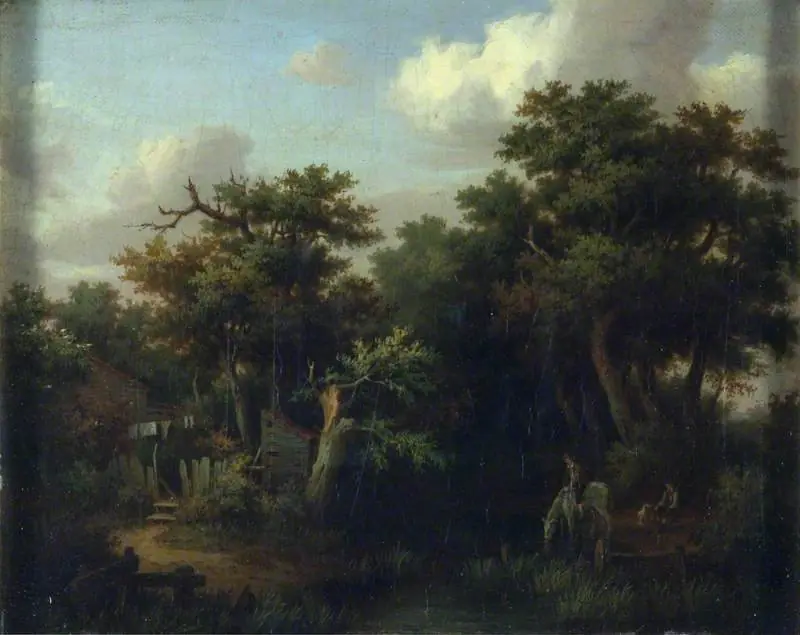 Landscape: Cottage by a Brook with a Boy on a White Horse which is Drinking
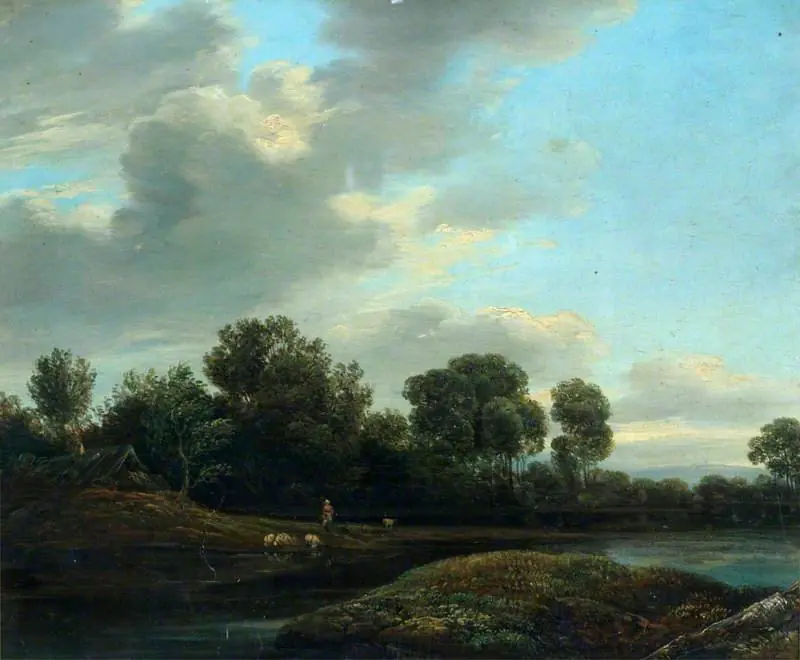 Landscape: The River Bank
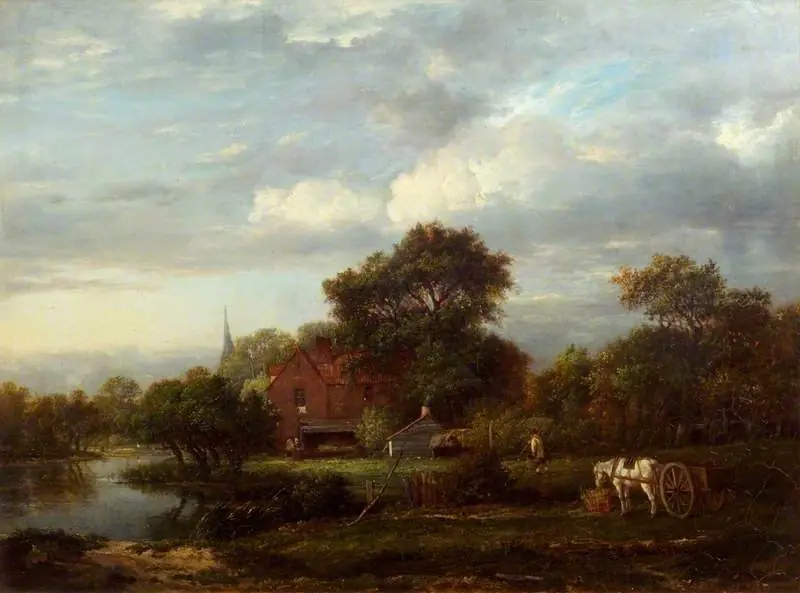 Landscape with a Cottage and a Brook
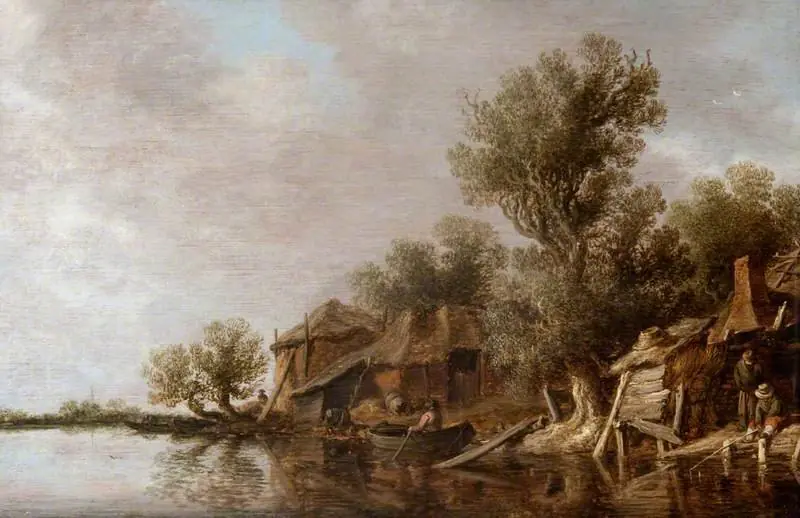 Cottages and Fishermen by a River
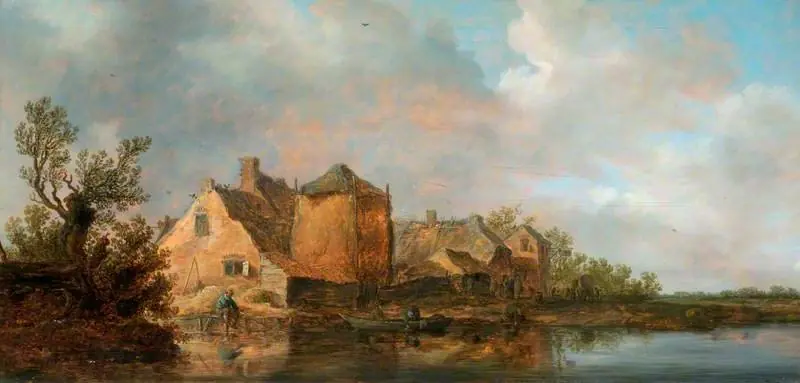 River Scene with an Inn
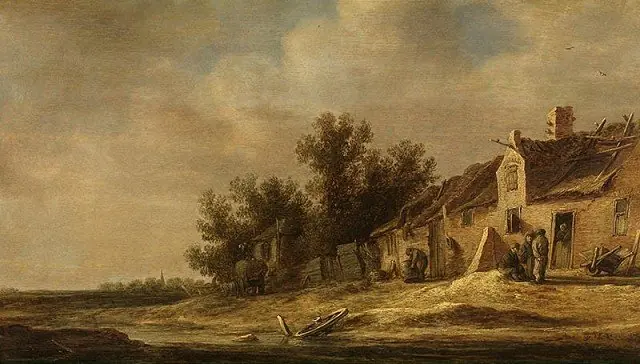 Landscape with Farmhouse
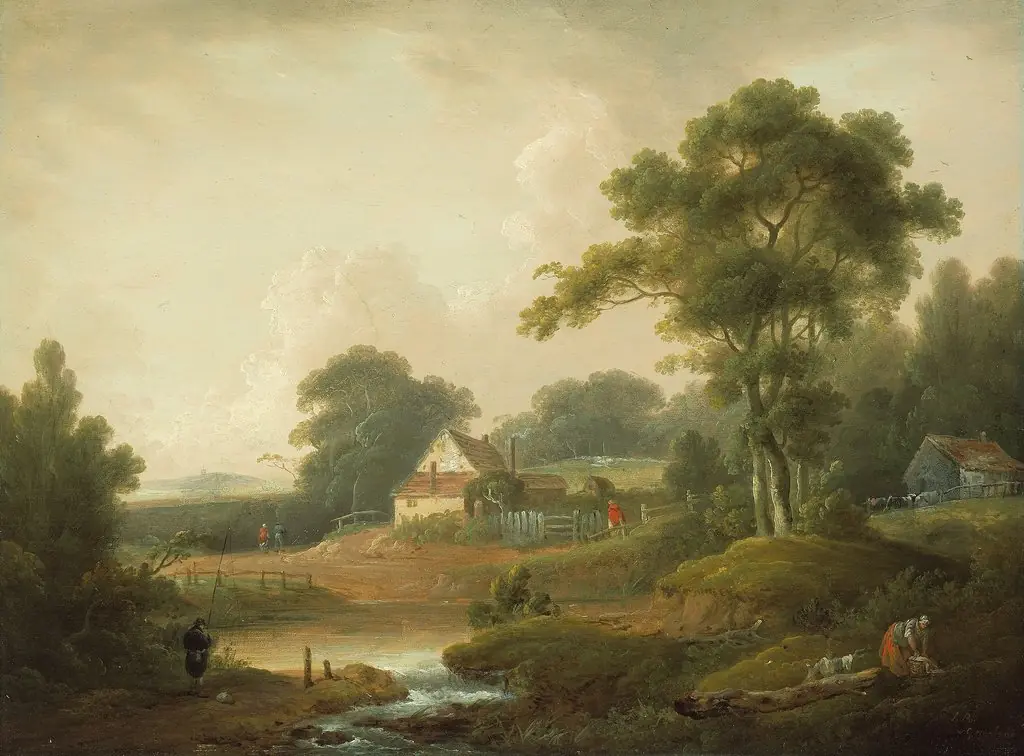 Landscape with Fisherman and Washerwoman
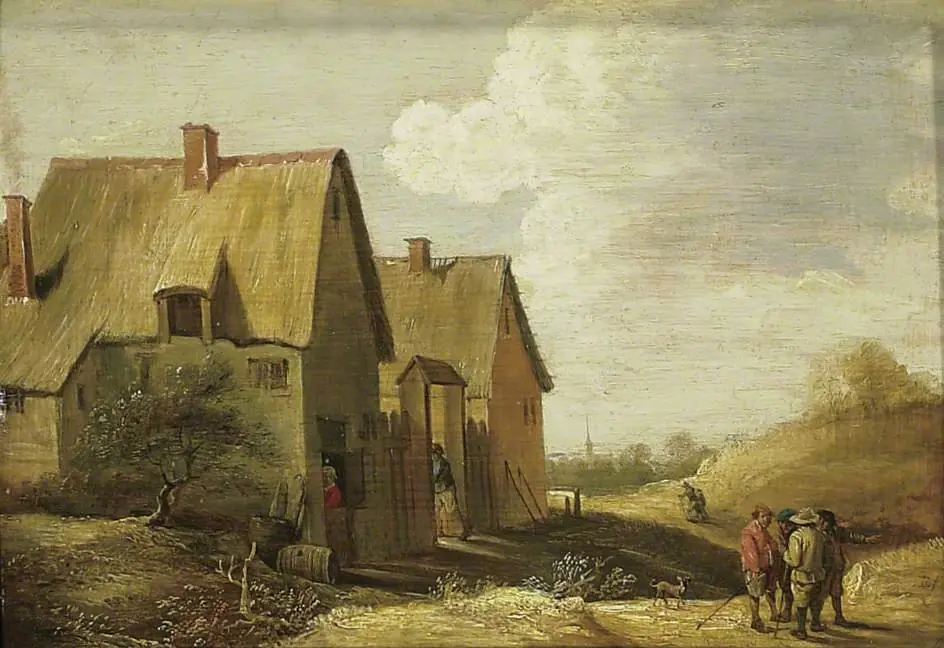 Landscape with a Farmhouse and Figures
 Landscape with Fisherman and Washerwoman
 Landscape
 The Watermill