Artwork
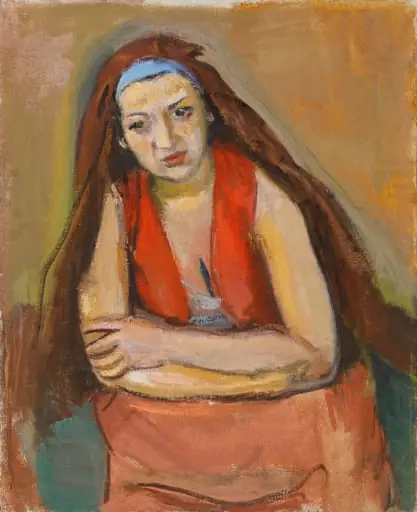
Portrait of a Woman
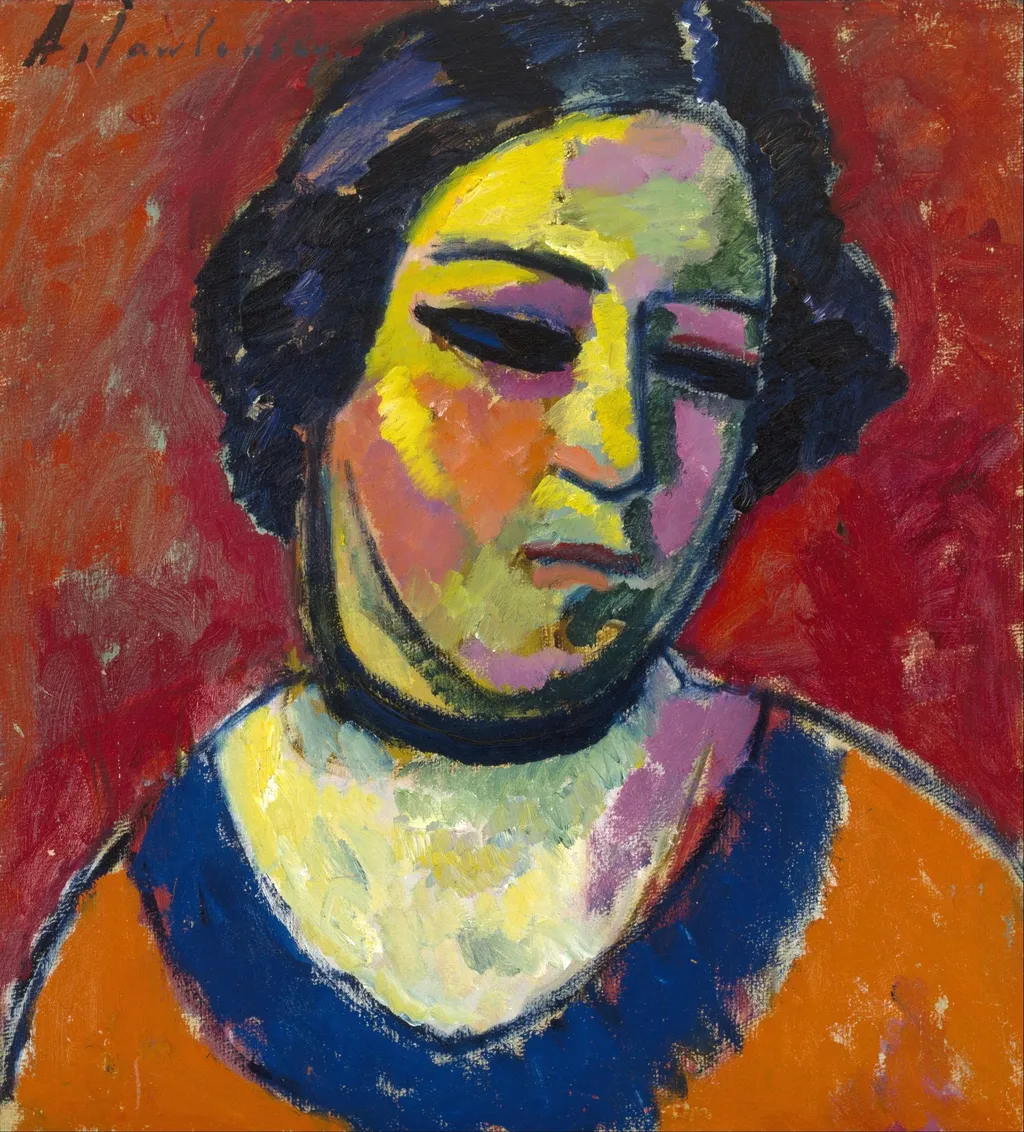
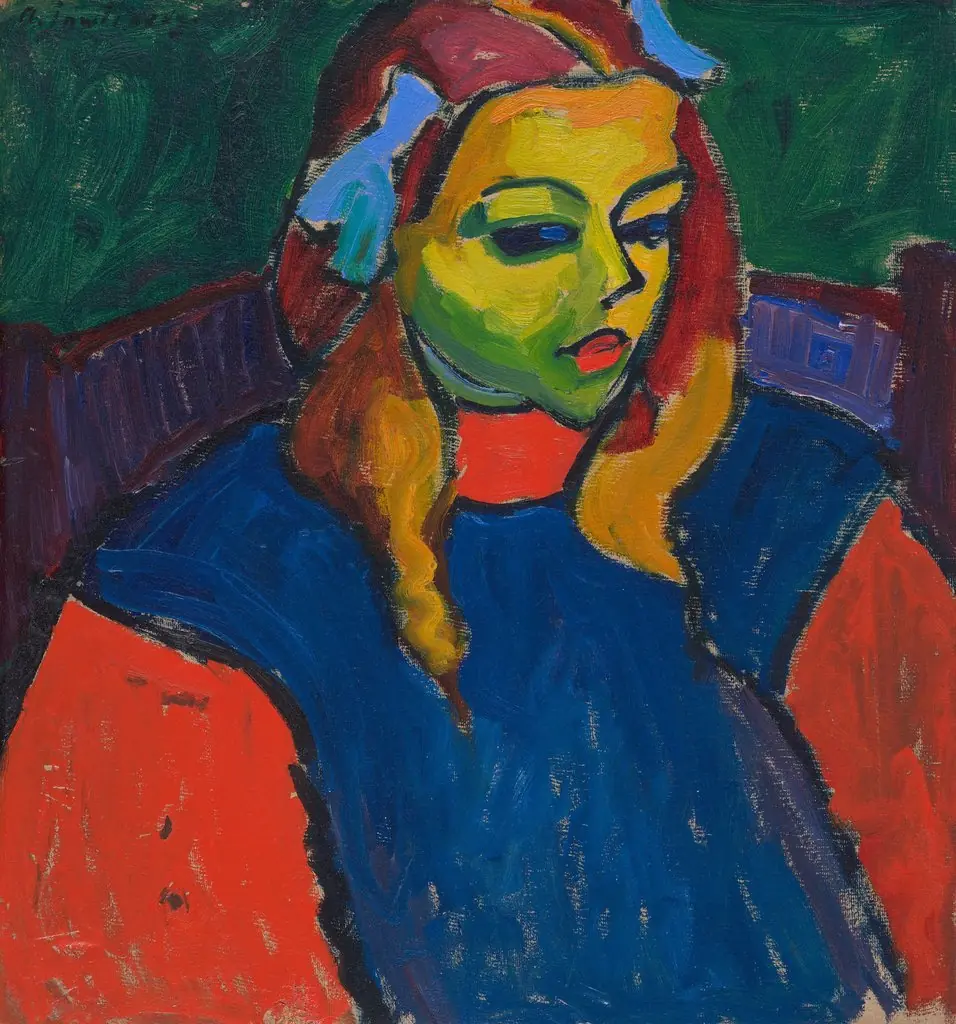
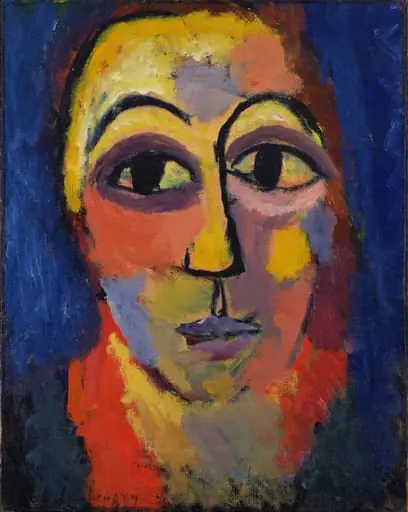
Portrait of a Woman is an oil painting by Alexej von Jawlensky. It dates from 1912 and is held in the collection of the Museum of Fine Arts, Houston.
About this work
Overview
Jawlensky, a Russian-born artist working in Germany, was deeply engaged with the expressive potential of color and form during this period.
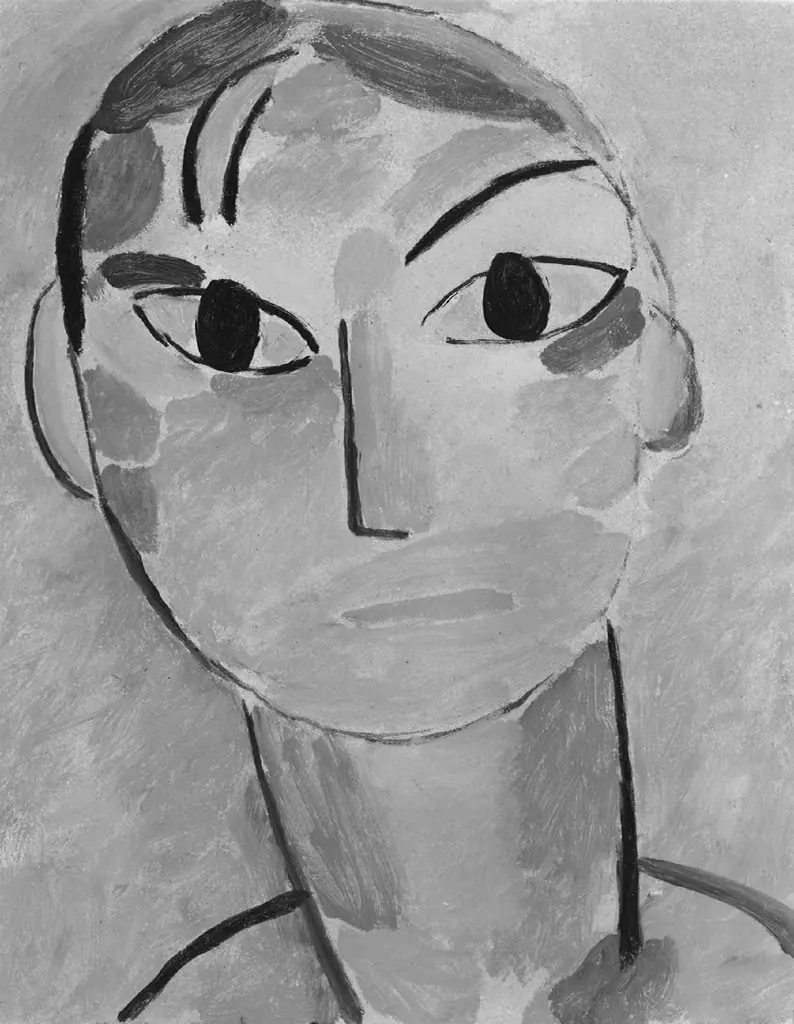
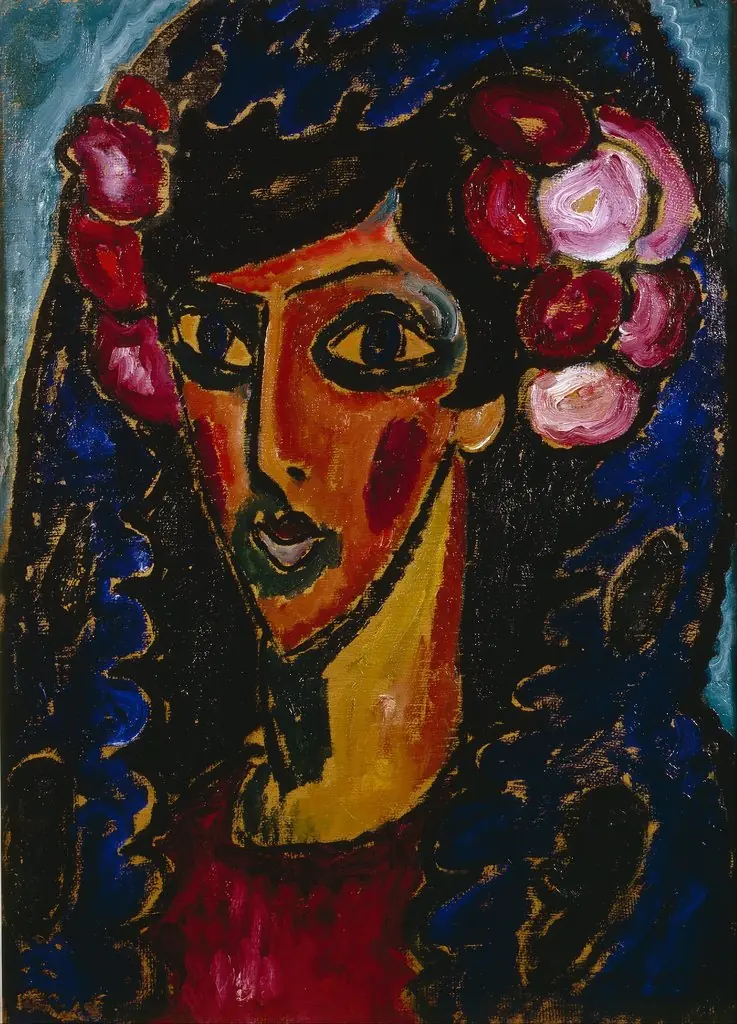
Painted in 1912, this oil portrait by Alexej von Jawlensky captures a woman’s face and upper torso with heightened emotional intensity. Jawlensky, a Russian-born artist working in Germany, was deeply engaged with the expressive potential of color and form during this period. The work reflects his involvement with avant-garde circles in Munich and his move away from naturalism toward spiritual abstraction.
Subject & Meaning
The subject is a woman with closed eyes and a gently tilted head, suggesting inward reflection or meditative stillness. Her stillness, combined with the absence of narrative context, invites a contemplative response rather than biographical interpretation. Jawlensky’s focus on the inner state of the sitter aligns with his broader interest in conveying spiritual essence over physical likeness.
Technique & Style
Jawlensky employs thick, assertive brushwork and non-naturalistic color to construct the figure. The skin is rendered in pale yellows and pinks, contrasted with deep shadows around the eyes and mouth. The dress alternates between bold bands of blue and orange, while the background is a flat, saturated red. These choices prioritize emotional resonance over anatomical accuracy, characteristic of his Expressionist approach.
History & Provenance
The painting entered the collection of the Museum of Fine Arts, Houston, where it remains today. It was created during a pivotal phase in Jawlensky’s career, following his participation in the New Munich Artist's Association and Der Blaue Reiter. Though its early ownership is not fully documented, its presence in a major U.S. institution underscores its recognition within modernist art circles.
Context
Created in 1912, the portrait emerged alongside other works by Jawlensky exploring the human face as a vessel for spiritual expression. This period coincided with broader shifts in European art, as artists sought to move beyond realism and engage with emotion, symbolism, and non-Western aesthetics. Jawlensky’s work resonated with contemporaries like Kandinsky and Marc, who shared his interest in art as a transcendent experience.
Legacy
This portrait exemplifies Jawlensky’s contribution to early 20th-century Expressionism, particularly his development of the 'Mystical Heads' series. His use of simplified forms and symbolic color influenced later generations of artists focused on emotional abstraction. While less widely known than some of his peers, his work remains a significant reference in studies of modernist portraiture and spiritual art.
Own this work as a print
Artist & collection
Artist
Alexej Georgewitsch von Jawlensky (Russian: Алексе́й Гео́ргиевич Явле́нский, romanized: Alekséy Geórgiyevich Yavlénskiy; 13 March 1864 – 15 March 1941), surname also spelt as Yavlensky, was a Russian expressionist painter active in Germany.