Artwork
Patrick Henry Delivering His Celebrated Speech in the House of Burgesses, Virginia
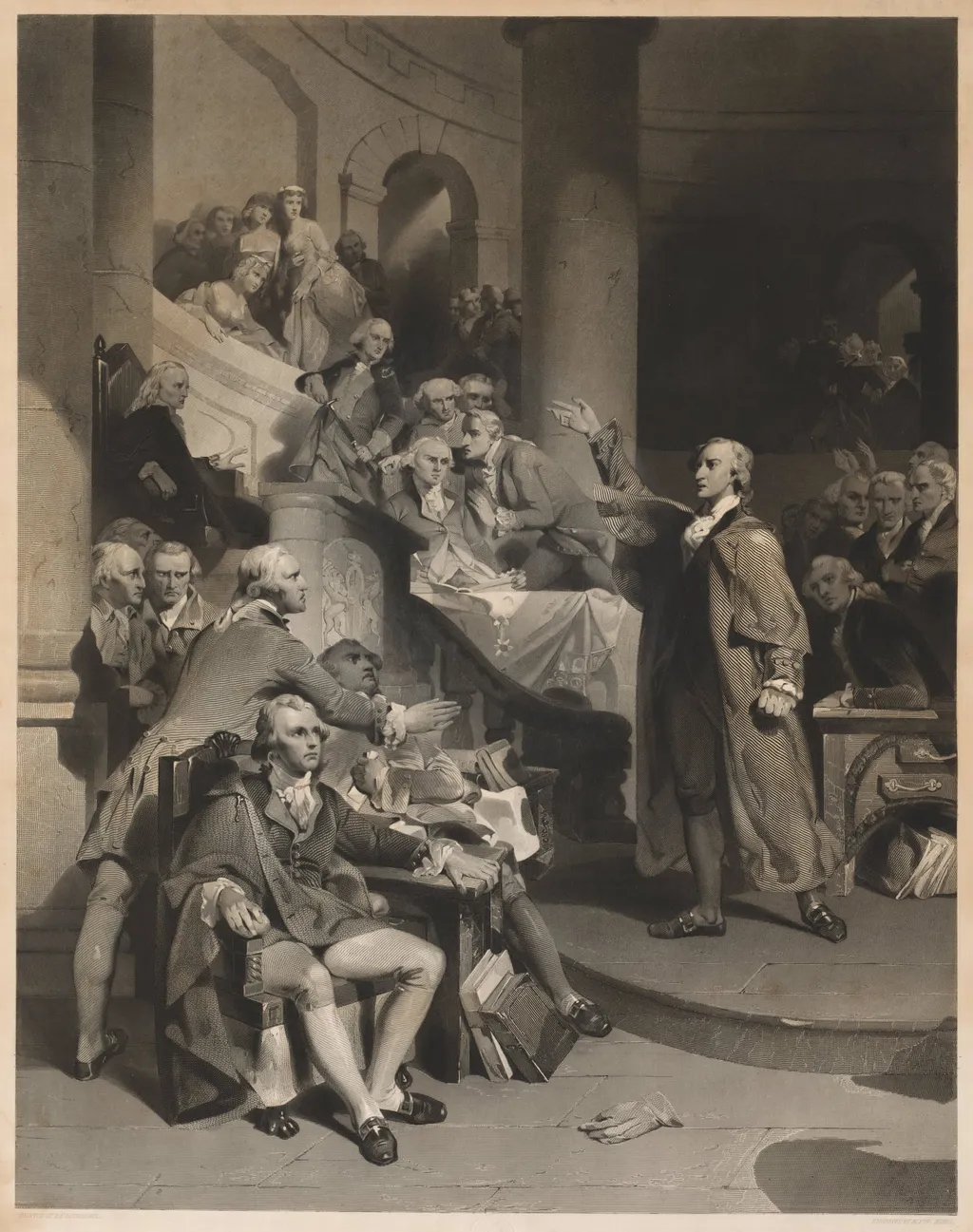
Patrick Henry Delivering His Celebrated Speech in the House of Burgesses, Virginia is a print by the Impressionist artist Alfred Jones. It dates from 1852 and is held in the collection of the Cleveland Museum of Art.
About this work
Overview
It was produced as a reproductive print, likely intended for public dissemination, and is now held in the collection of The Cleveland Museum of Art.
Created in 1852 by Alfred Jones, this print depicts Patrick Henry’s 1765 speech in the Virginia House of Burgesses, a moment widely associated with colonial resistance to British taxation. The scene is rendered in a dramatic, theatrical style typical of mid-19th-century historical illustration. It was produced as a reproductive print, likely intended for public dissemination, and is now held in the collection of The Cleveland Museum of Art.
Subject & Meaning
The print captures the pivotal moment when Patrick Henry, standing in the colonial legislature, denounced the Stamp Act. His raised hand and clenched paper symbolize defiance, while the attentive postures of the assembled burgesses convey the gravity of his words. The inclusion of onlookers on the stairs suggests the speech’s broader resonance beyond the chamber, framing it as a turning point in colonial consciousness.
Technique & Style
Jones employs strong chiaroscuro to isolate the speaker, directing the viewer’s focus through stark contrasts between light and shadow. The bright illumination on Henry’s face and gesture contrasts with the dimly rendered figures around him, enhancing the emotional intensity. The detailed rendering of clothing, architecture, and facial expressions reflects a commitment to historical realism, even as the composition leans toward theatricality.
History & Provenance
The print was produced in 1852, during a period of renewed interest in revolutionary history as the United States grappled with sectional tensions. It was likely circulated as a patriotic image in schools and public spaces. The Cleveland Museum of Art acquired it as part of its broader collection of American historical prints, preserving it as a visual artifact of 19th-century historical memory.
Context
In the 1850s, American artists and publishers frequently revisited revolutionary themes to reinforce national identity. Henry’s speech, though historically documented, was often mythologized in popular imagery. Jones’s print aligns with this trend, transforming a political moment into a symbolic act of moral courage, resonating with audiences concerned about unity and liberty amid growing national division.
Legacy
Though not widely known today, the print contributed to the visual canon of American revolutionary iconography. Its use of light and composition influenced later depictions of political oratory in print media. As a historical record of 19th-century interpretations, it reveals how early Americans chose to remember and represent their founding moments through dramatic, emotionally charged imagery.
Artist & collection

 Congress Voting Independence
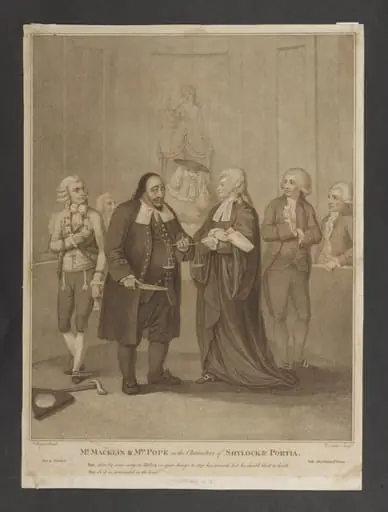 Harry Beard Print Collection
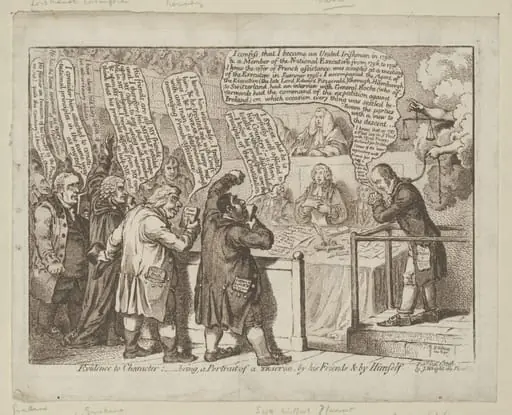 H Beard Print Collection
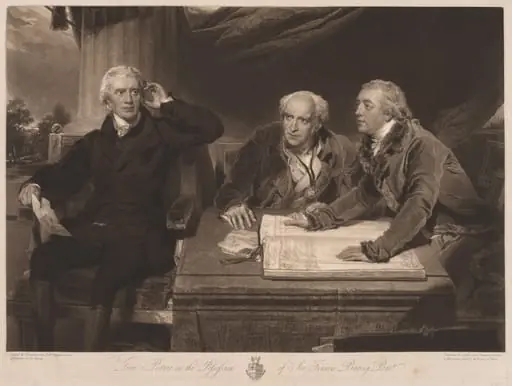 Sir Francis and John Baring and Charles Wall
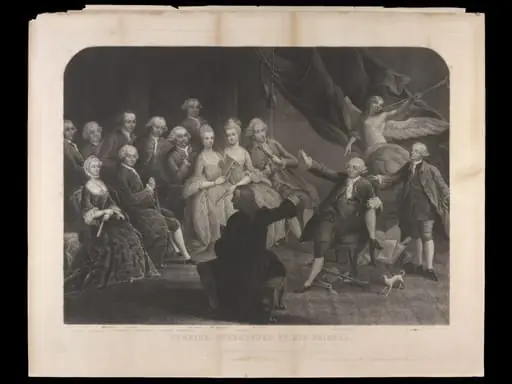 H Beard Print Collection
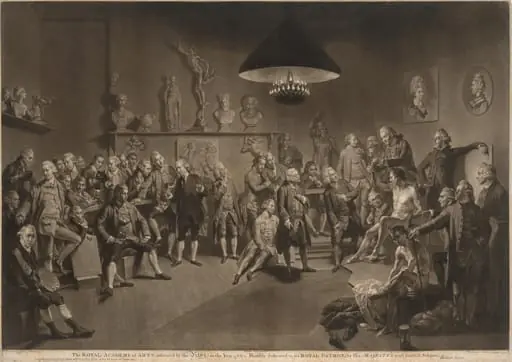 The Royal Academy of Arts
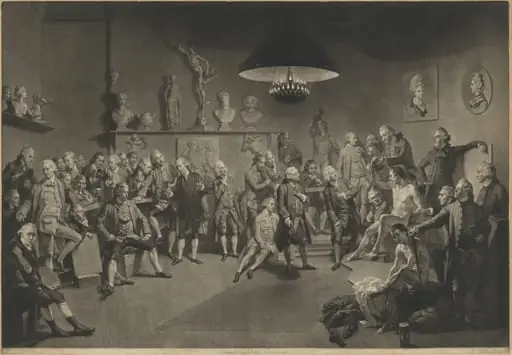 The Royal Academy of Arts
 Holberg overværer en prøve på Erasmus Montanus
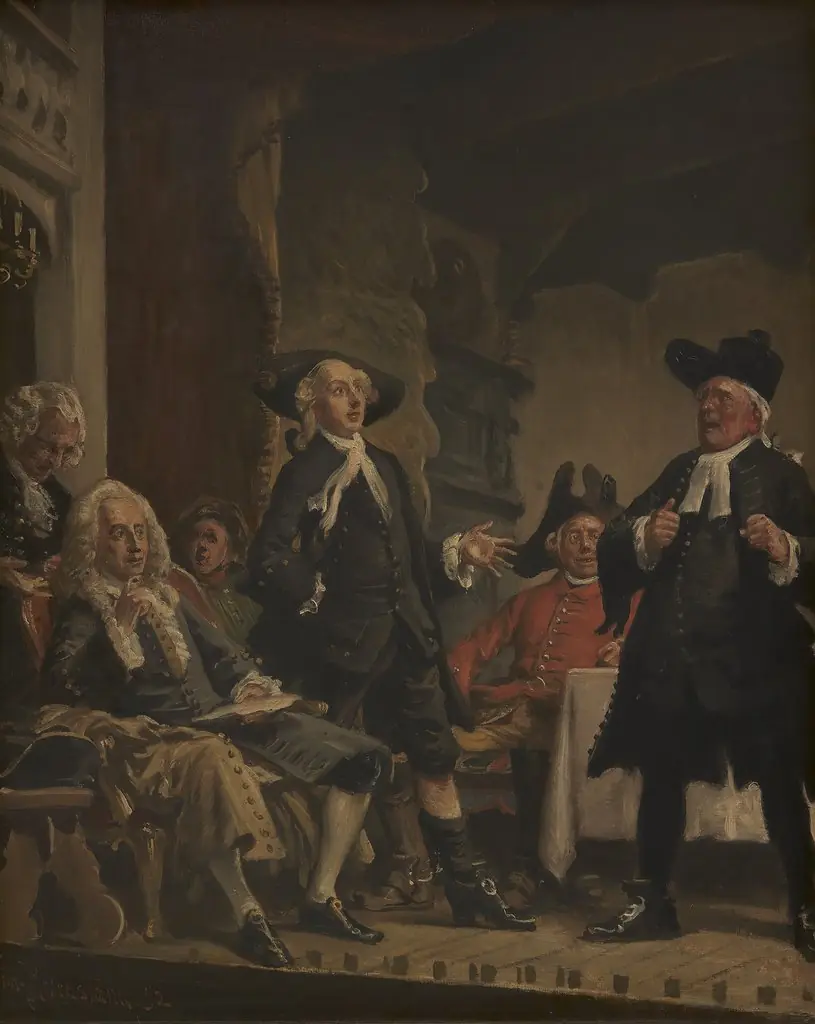 Holberg overværer en prøve på Erasmus Montanus
 Le confessional
 Hekserie eller blind Alarm, V. akt, 1. scene
 H Beard Print Collection