Artwork
Thomas B. Clarke
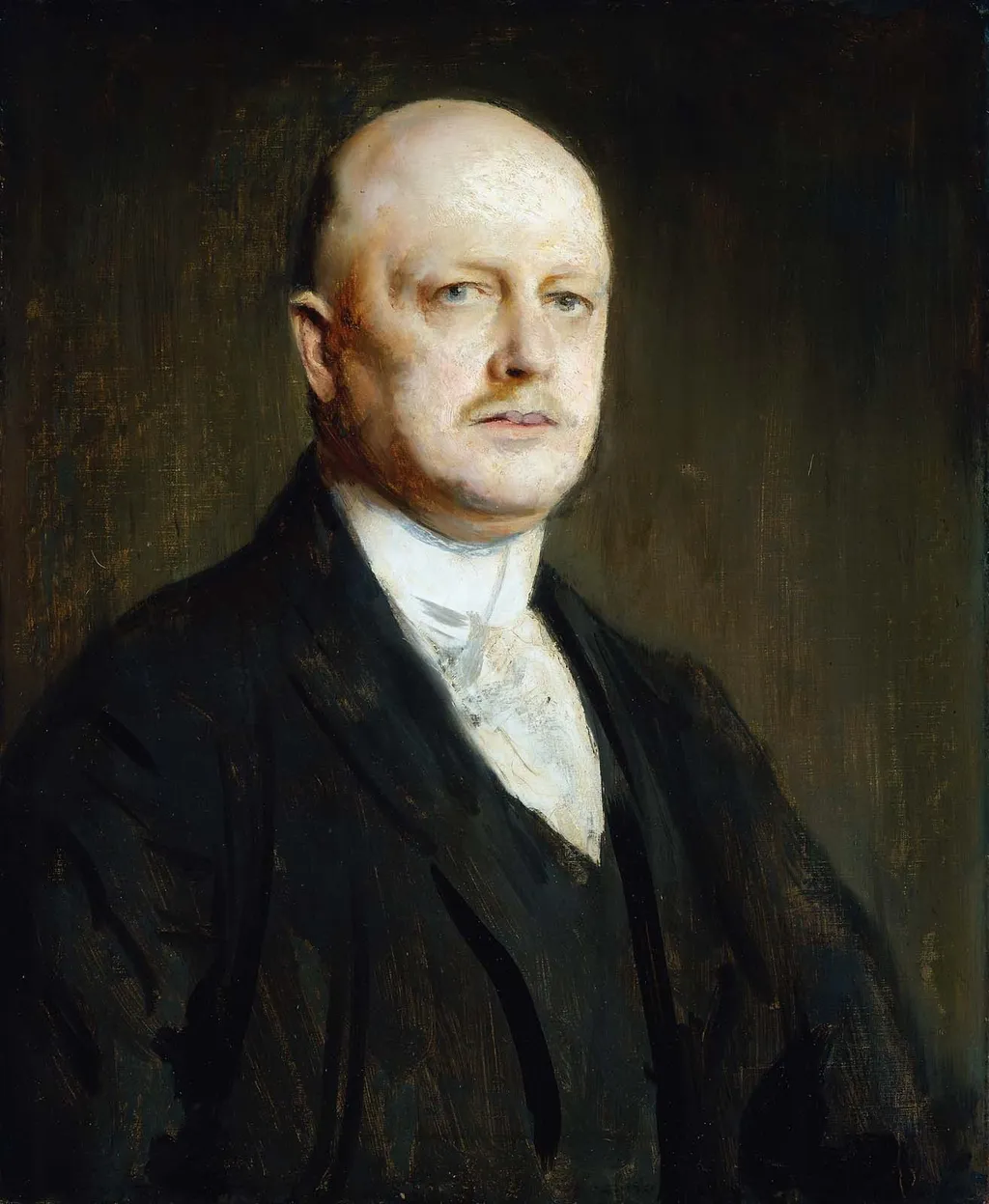
Thomas B. Clarke is an oil painting by the Impressionist artist Alfred Q. Collins. It dates from 1900 and is held in the collection of the Museum of Fine Arts Boston. Painted in 1900 by Alfred Quinton Collins, this portrait depicts Thomas B.
About this work
Overview
Executed in oil on canvas, the work is part of the permanent collection at the Museum of Fine Arts, Boston.
Painted in 1900 by Alfred Quinton Collins, this portrait depicts Thomas B. Clarke, a prominent American art collector. Executed in oil on canvas, the work is part of the permanent collection at the Museum of Fine Arts, Boston. Its composition emphasizes the sitter’s presence through controlled lighting and a restrained palette, reflecting early 20th-century portraiture conventions focused on dignity and presence rather than ornamentation.
Subject & Meaning
Thomas B. Clarke was a respected figure in New York’s art world, known for assembling one of the largest private collections of American paintings. The portrait captures him in formal attire—black coat, white shirt, black vest—conveying his social standing. His direct gaze and composed expression suggest introspection and authority, aligning with the era’s expectation that portraiture reflect character and status rather than mere likeness.
Technique & Style
Collins employed oil paint to achieve subtle gradations of light and shadow, directing focus to Clarke’s face and upper torso. The dark, indistinct background isolates the figure, enhancing the three-dimensionality of his form. Brushwork is controlled and precise, avoiding theatricality; the rendering of fabric and skin tone is naturalistic, emphasizing realism over stylistic flourish, typical of academic portraiture of the period.
History & Provenance
The painting was completed in 1900 and remained in the Clarke family until its acquisition by the Museum of Fine Arts, Boston. Its entry into the museum’s collection reflects the institution’s interest in documenting key figures in American art patronage. No significant alterations or reworkings are recorded, and the painting has been consistently exhibited as a representative example of early 20th-century American portraiture.
Context
In the early 1900s, American collectors like Clarke played a vital role in shaping public art institutions. Portraits of such patrons were often commissioned to honor their contributions. Collins, though less known today, was active in Boston’s art circles and produced numerous portraits of local elites. This work fits within a broader trend of civic portraiture that linked personal identity with cultural legacy.
Legacy
The portrait endures as a quiet testament to the relationship between collector and institution. While not widely reproduced, it remains a reference point for understanding the social dynamics of American art patronage. Its restrained aesthetic and historical specificity offer insight into how identity was visually constructed among cultural benefactors during a formative period in U.S. museum development.
Own this work as a print
Artist & collection

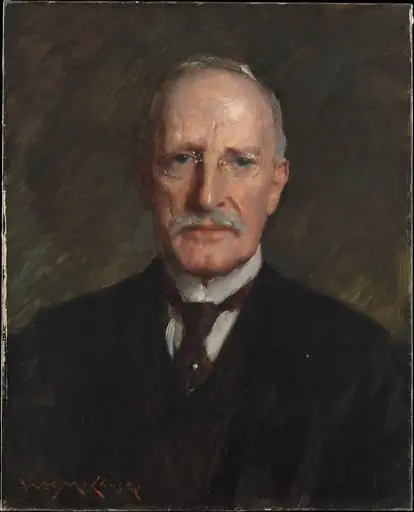 Edward Guthrie Kennedy
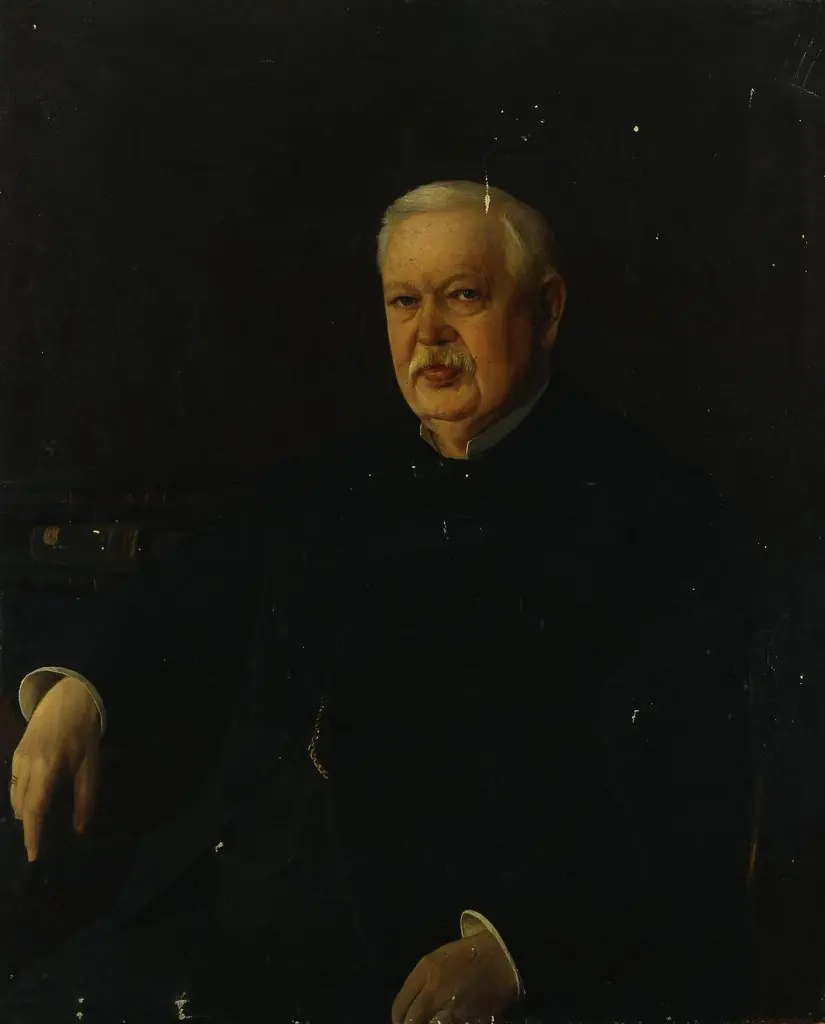 Portrait of Nikolai Koksharov
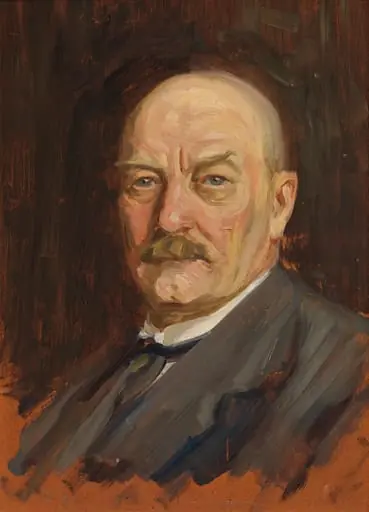 Omakuva
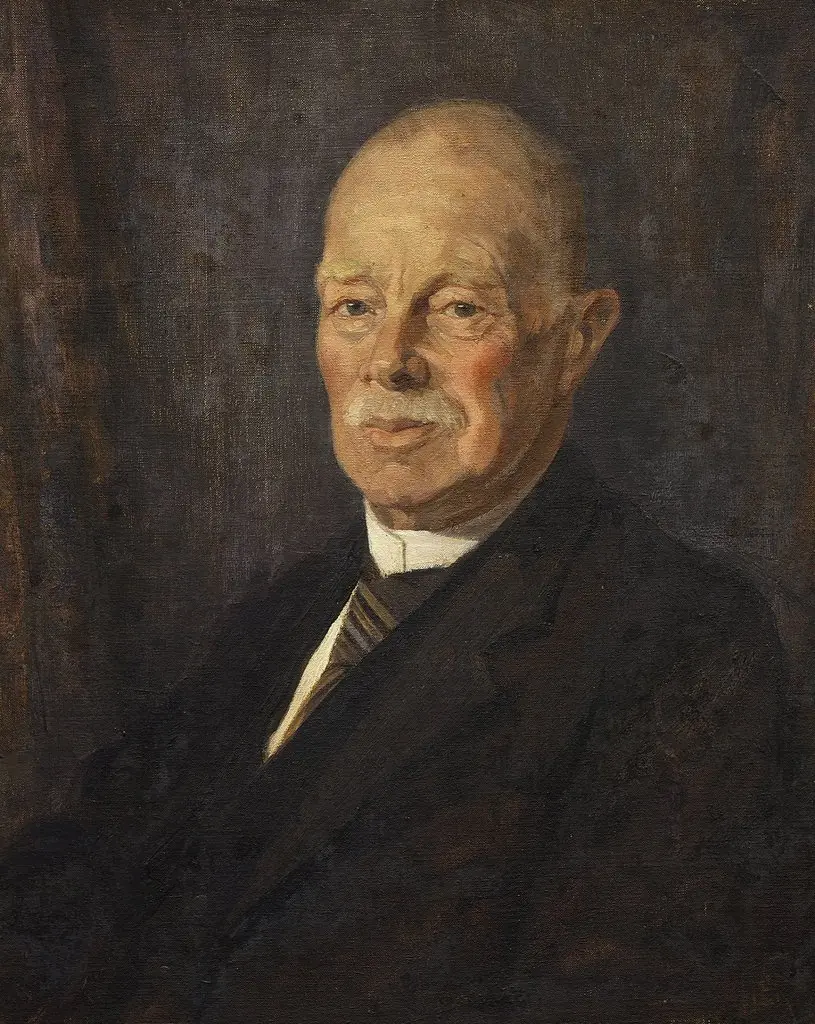 Portrait of George Vernon Hudson
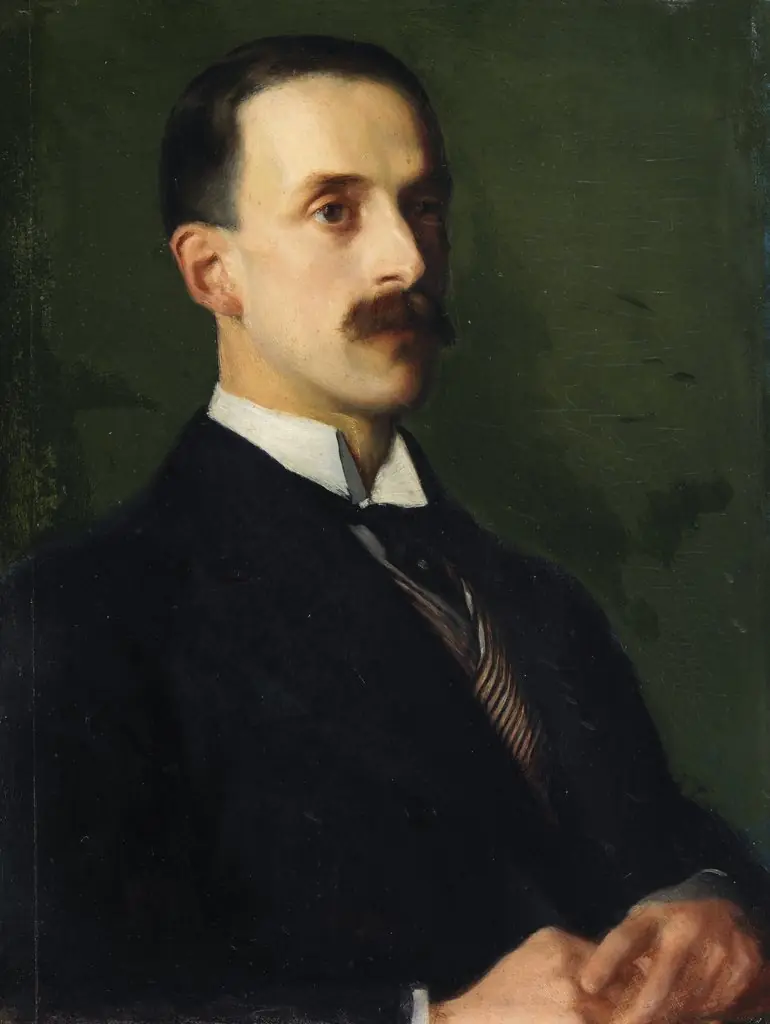 Portrait of Sir Hugh Lane (1865-1915), Director of the National Gallery of Ireland 1914-1915
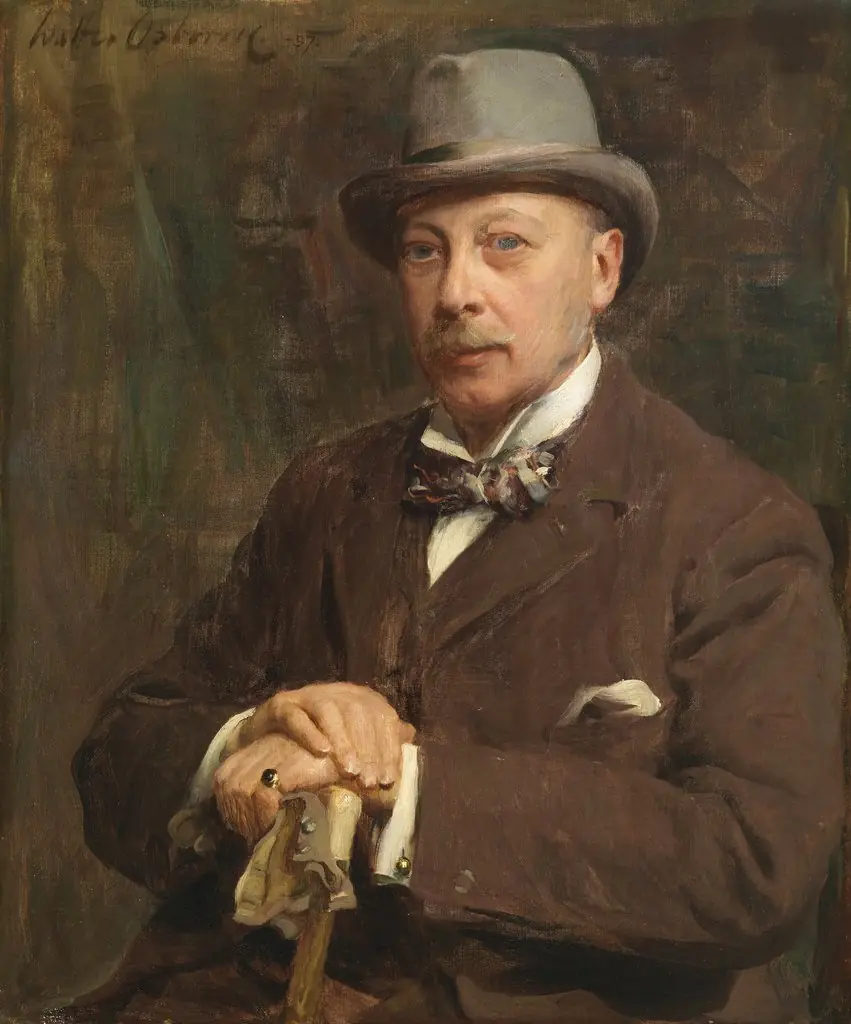 Portrait of a Gentleman
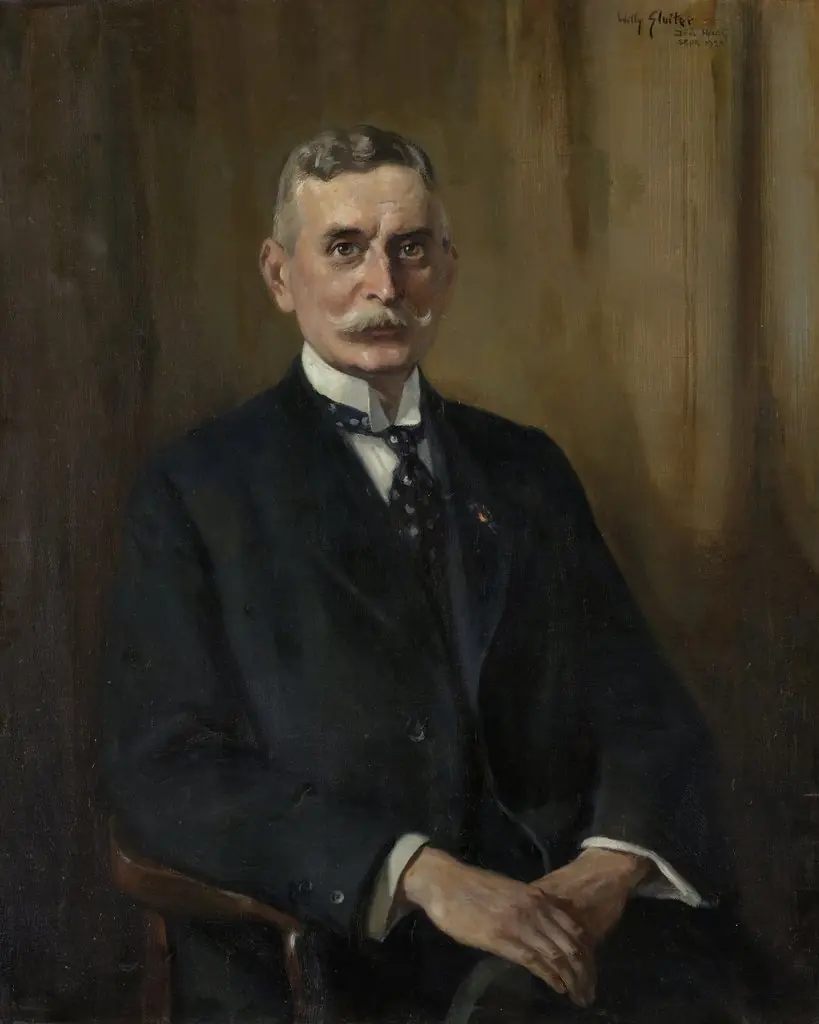 Jacob Christiaan Koningsberger (1867-1951). Chairman of the People's Council (1918-19)
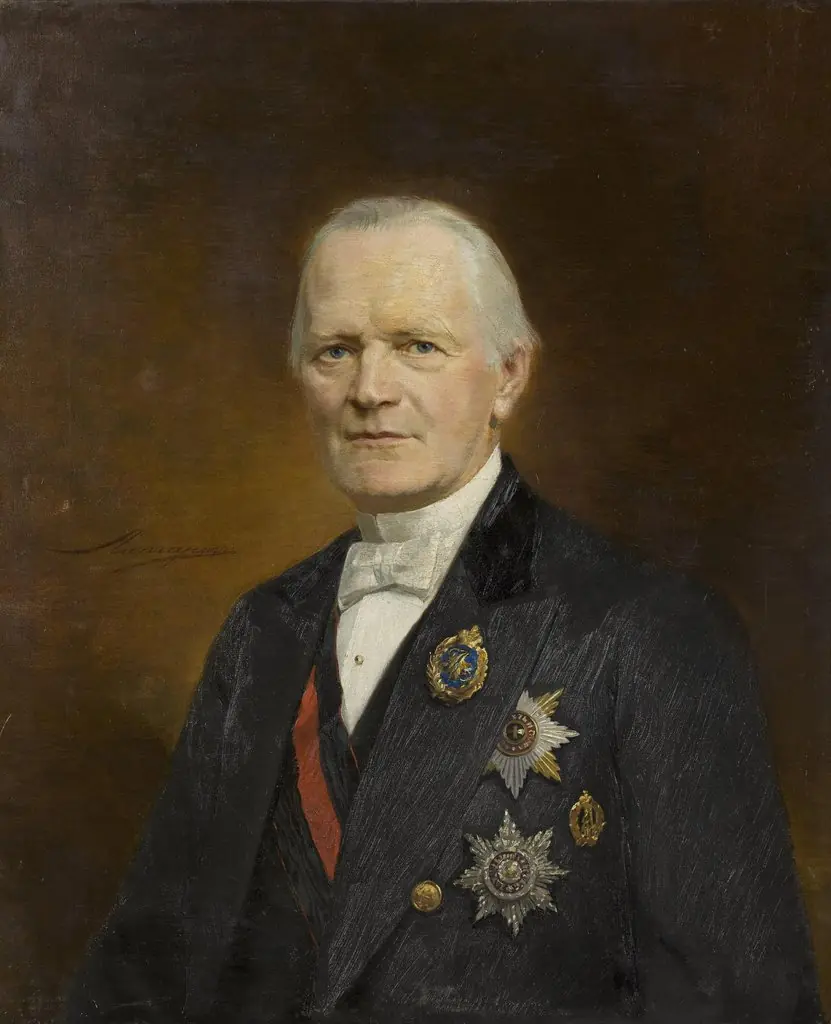 Portrait of M.N. Ostrovsky, Minister of the State Properties
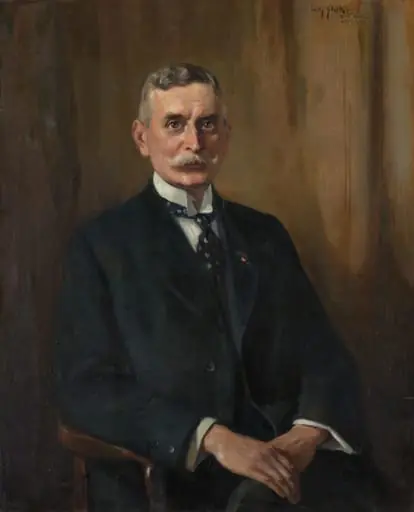 Jacob Christiaan Koningsberger (1867-1951). Chairman of the People's Council (1918-19)
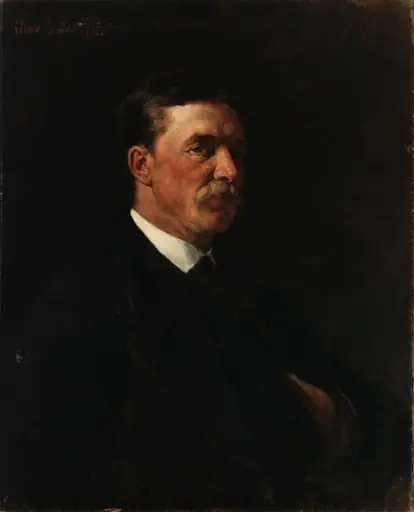 Hjalmar Munsterhjelmin muotokuva
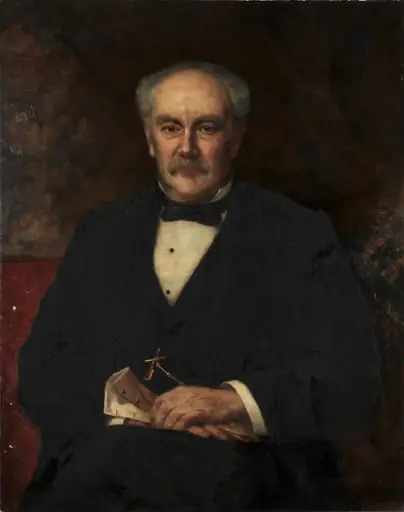 Hinman B. Hurlbut
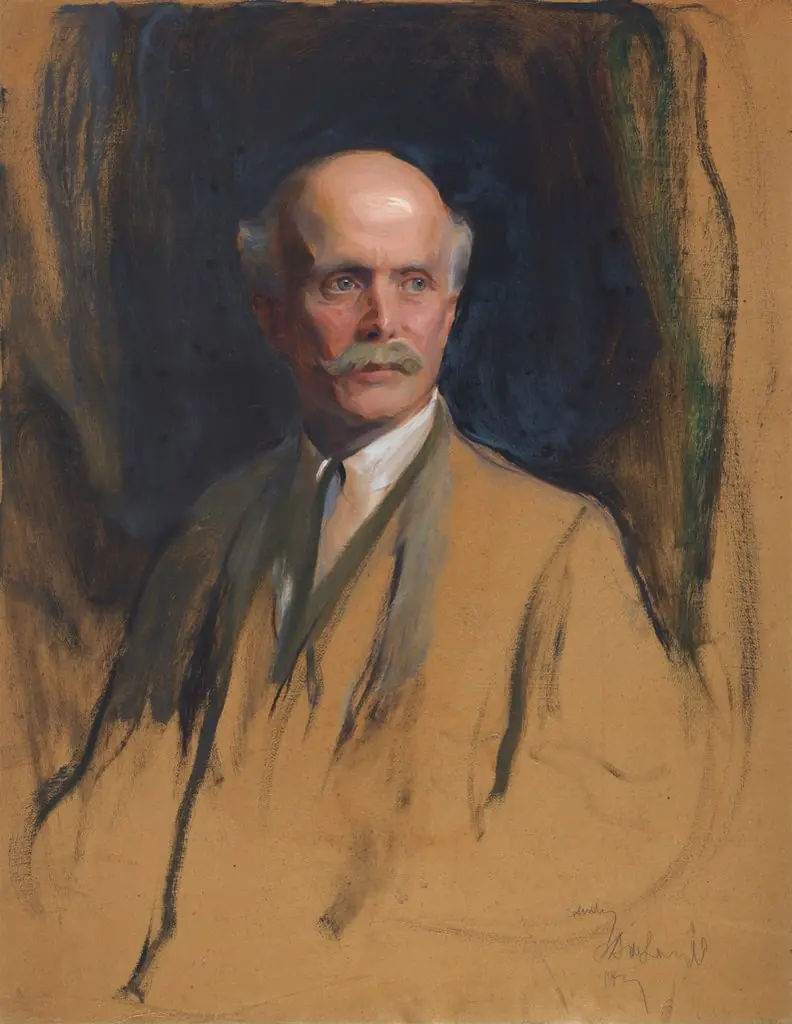 Sir Charles Walston