Artwork
Jacob Christiaan Koningsberger (1867-1951). Chairman of the People's Council (1918-19)
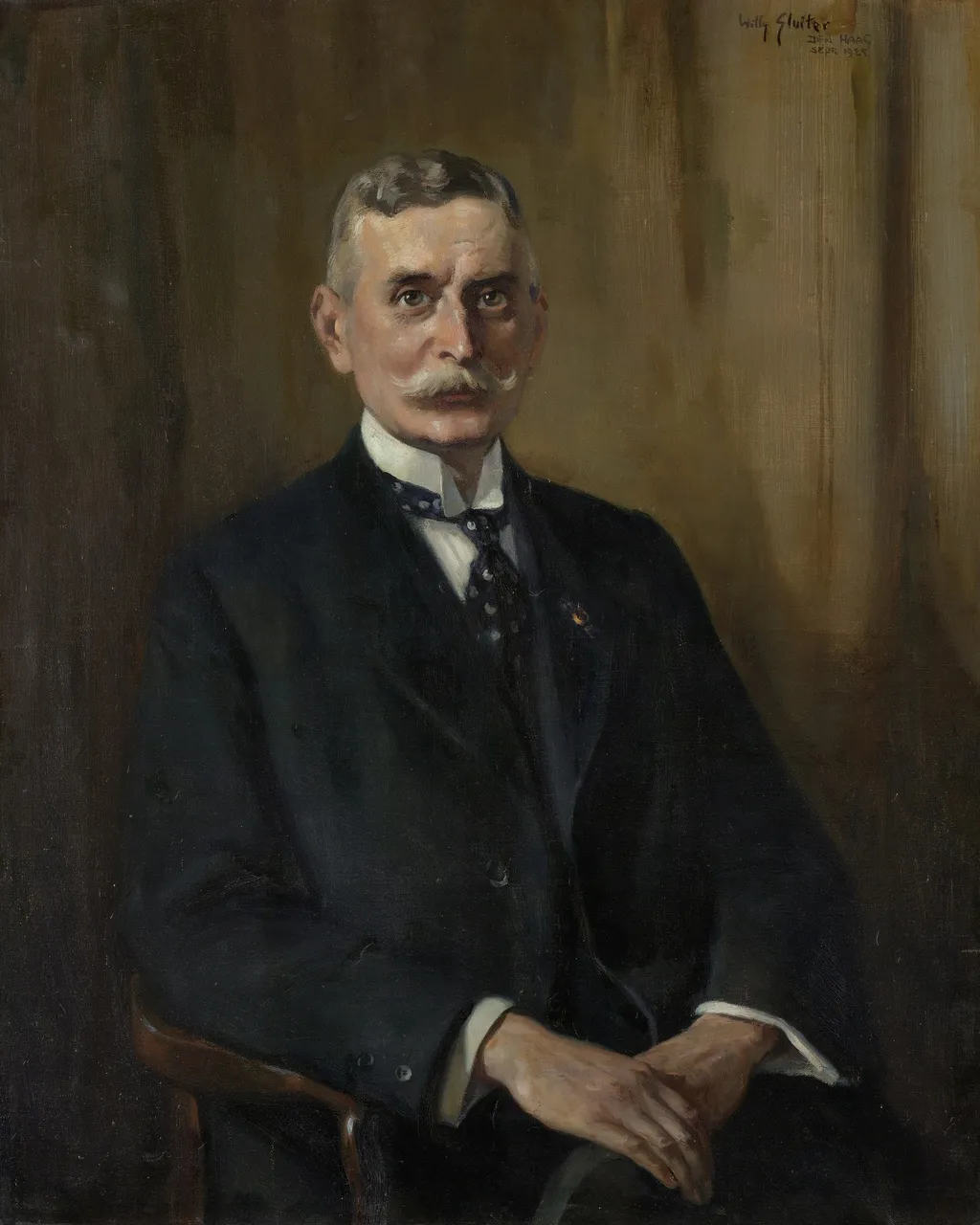
Jacob Christiaan Koningsberger (1867-1951). Chairman of the People's Council (1918-19) is an oil painting by Jan Willem Sluiter. It dates from 1925 and is held in the collection of the Rijksmuseum.
About this work
Overview
Jan Willem Sluiter’s 1925 oil portrait presents Jacob Christiaan Koningsberger, a Dutch political figure who chaired the People’s Council during 1918‑19.
Jan Willem Sluiter’s 1925 oil portrait presents Jacob Christiaan Koningsberger, a Dutch political figure who chaired the People’s Council during 1918‑19. Rendered in a restrained palette, the work focuses on the sitter’s upper body, emphasizing his dignified bearing against a dark, unadorned backdrop. The painting is part of the Rijksmuseum’s collection and exemplifies Sluiter’s skill in formal portraiture.
Subject & Meaning
Koningsberger appears seated, dressed in a dark suit, white shirt, and black bow tie secured with a pin. His neatly trimmed moustache and combed hair convey a sense of order and authority, while his calm, serious expression suggests the gravitas associated with his brief tenure as council chairman. The composition underscores his public role without overt symbolism, allowing the viewer to focus on his personal presence.
Technique & Style
Sluiter employs a subtle chiaroscuro, modeling the face with delicate gradations of light and shadow that accentuate the eyes and moustache. The brushwork is smooth and controlled, particularly in the rendering of fabric and the wooden armrest. The plain, dark background eliminates distractions, directing attention to the sitter’s features and the nuanced tonal contrasts characteristic of early‑20th‑century Dutch portraiture.
History & Provenance
Created in 1925, the portrait entered the Rijksmuseum’s holdings as part of its effort to document notable Dutch figures of the early twentieth century. Its acquisition reflects the museum’s broader collection strategy of preserving works by Sluiter, whose reputation rested on capturing the likenesses of prominent individuals and scenes of everyday life.
Context
The painting emerges from a period when Dutch society valued formal portraiture as a means of recording civic leadership. Sluiter, known for both aristocratic portraits and genre scenes, applied his established techniques to a political subject, bridging the worlds of high society and public service within a single, restrained visual statement.
Own this work as a print
Artist & collection
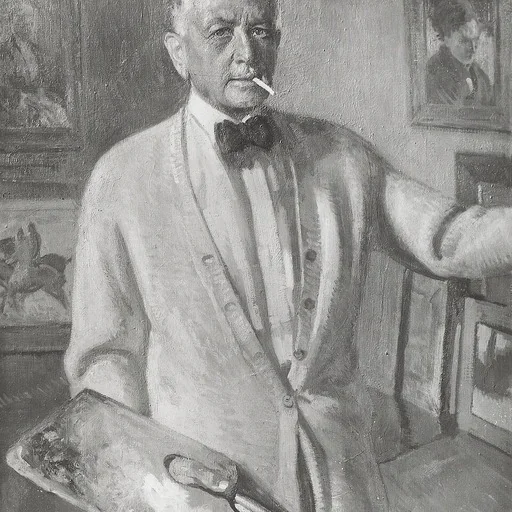
Artist
Jan Willem "Willy" Sluiter (24 May 1873 in Amersfoort – 22 May 1949 in The Hague) was a Dutch painter.

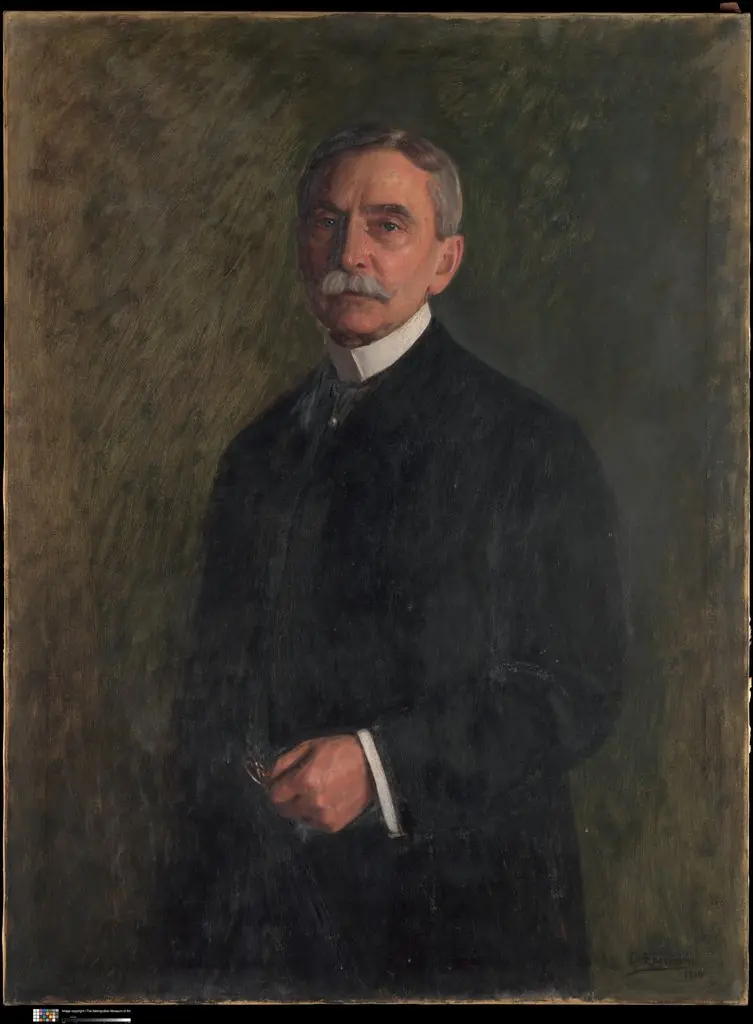 Portrait of Isaac D. Fletcher
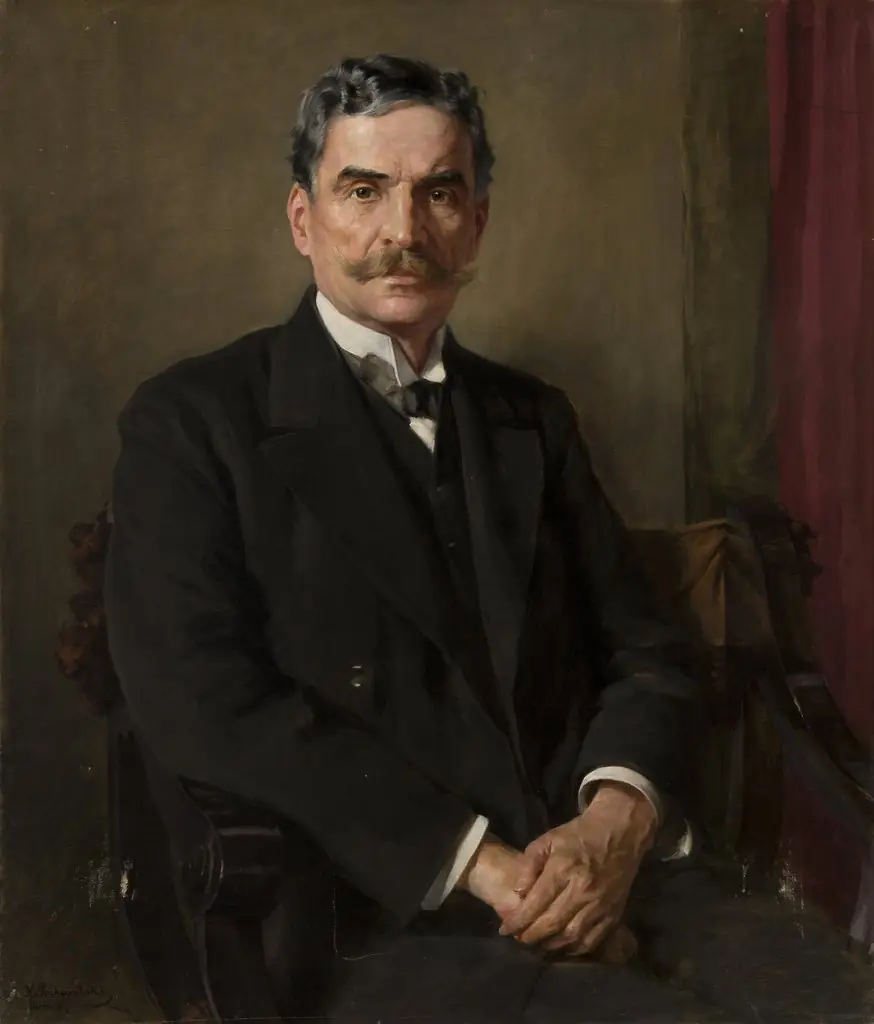 Portrait of Józef Pakies
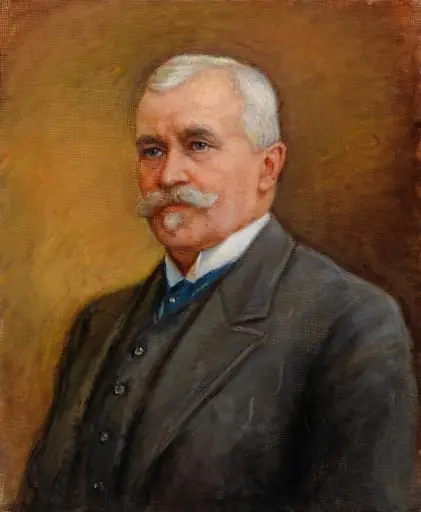 Paul Sinebrychoff nuorempi
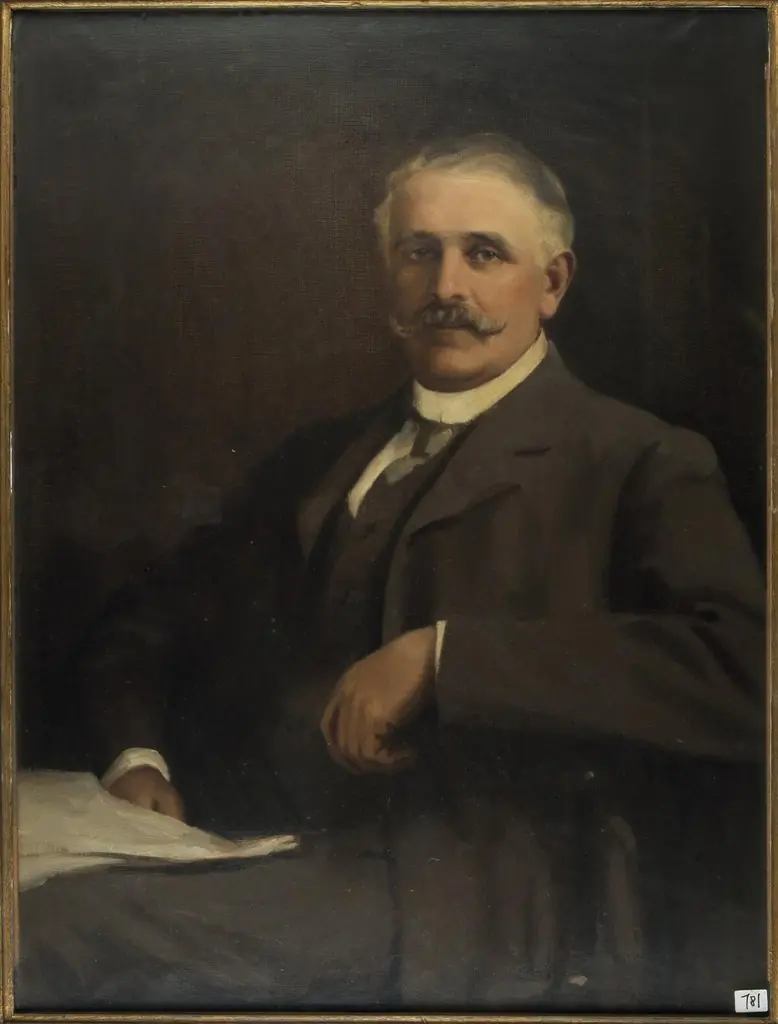 Charles Martin Strick Humphreys
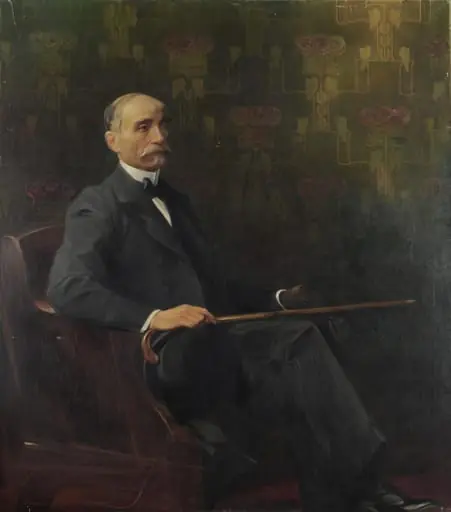 Προσωπογραφία του Ανάργυρου Σιμόπουλου
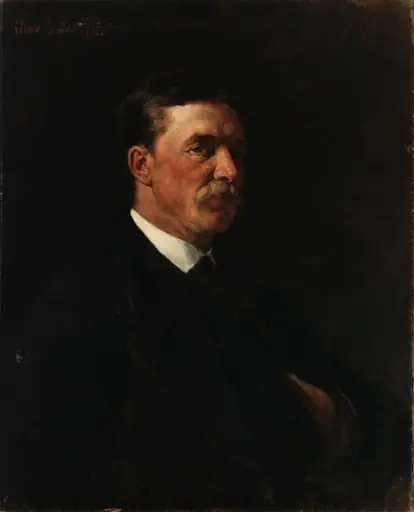 Hjalmar Munsterhjelmin muotokuva
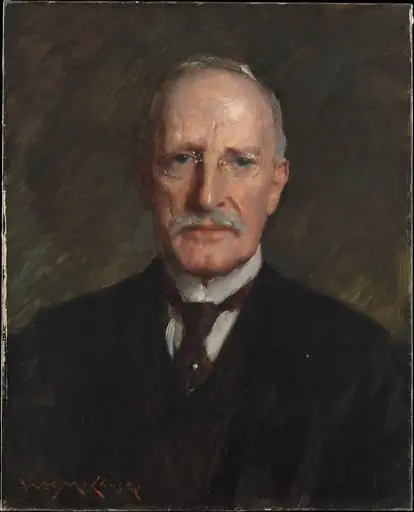 Edward Guthrie Kennedy
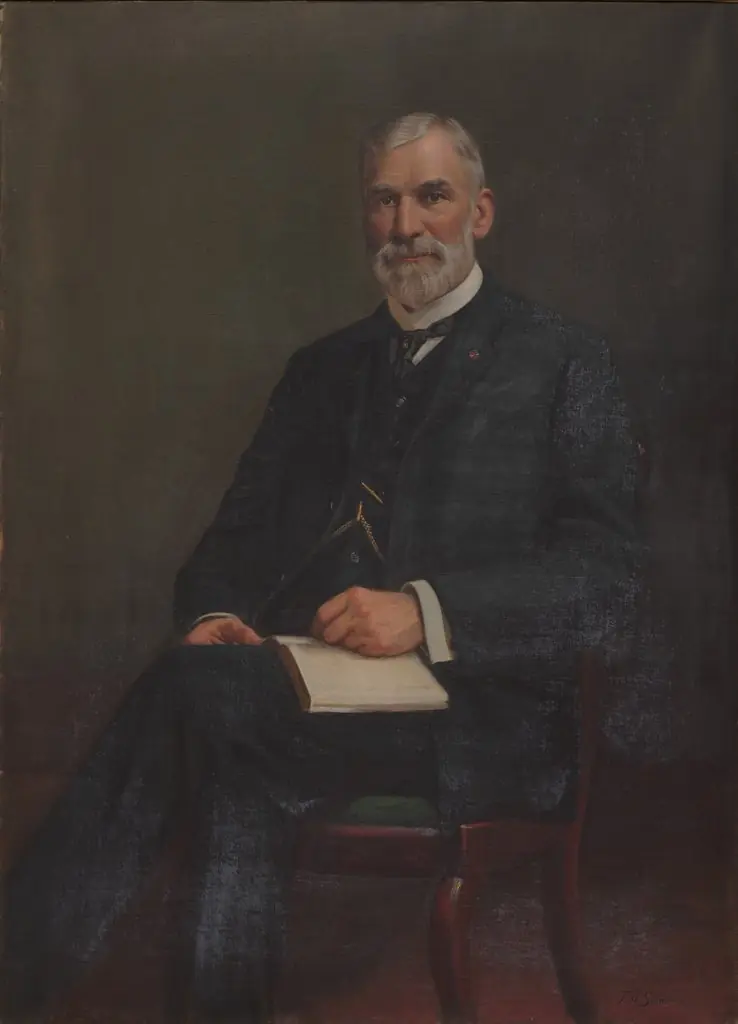 Henry C. Ranney
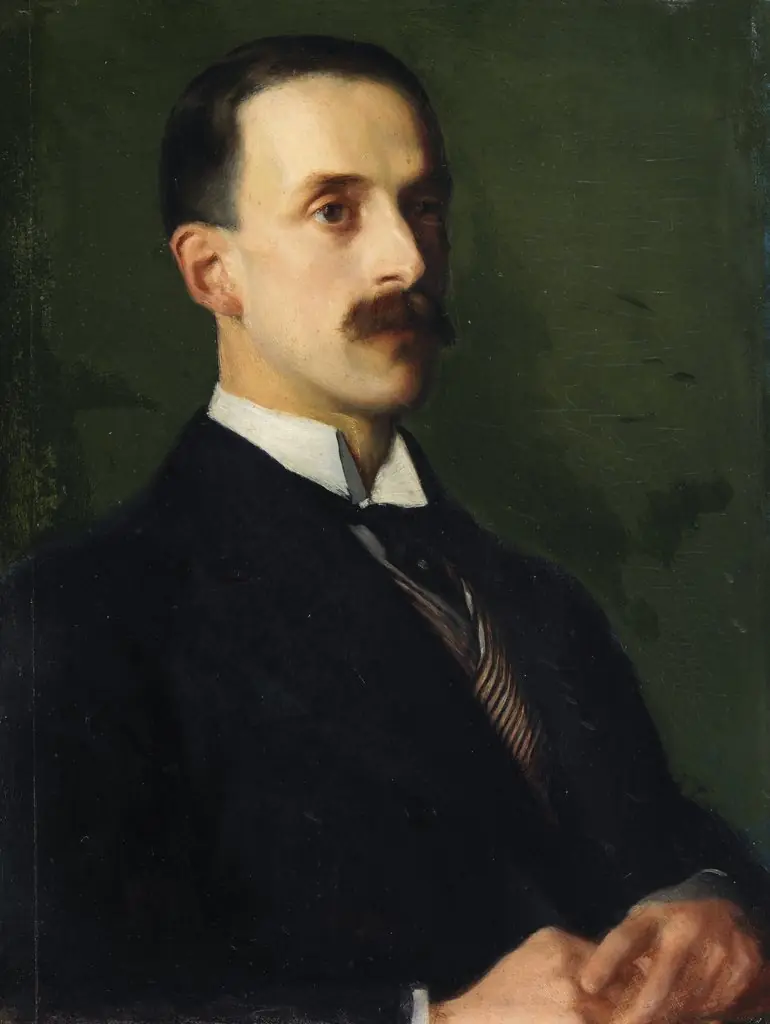 Portrait of Sir Hugh Lane (1865-1915), Director of the National Gallery of Ireland 1914-1915
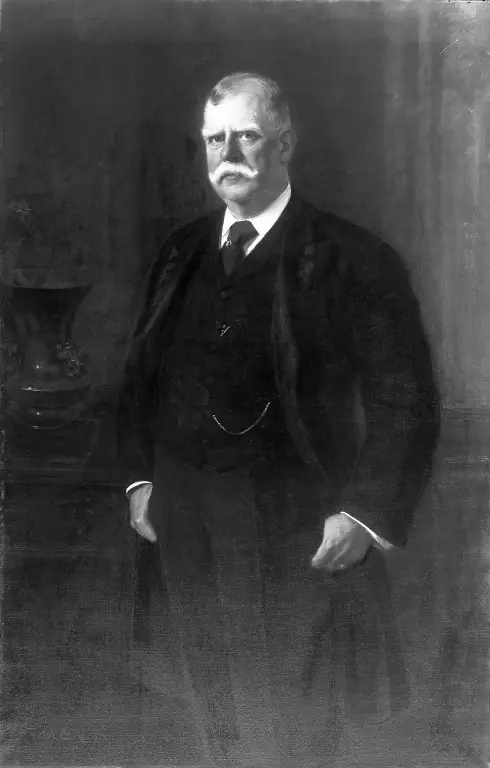 Carll H. de Silver