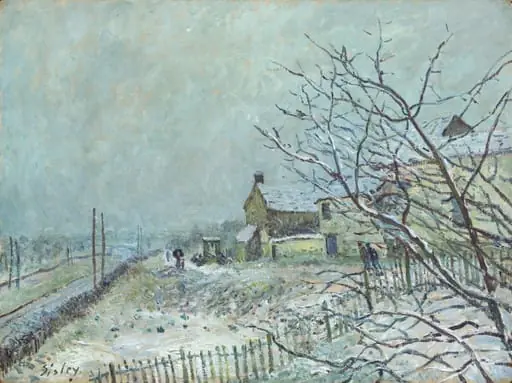
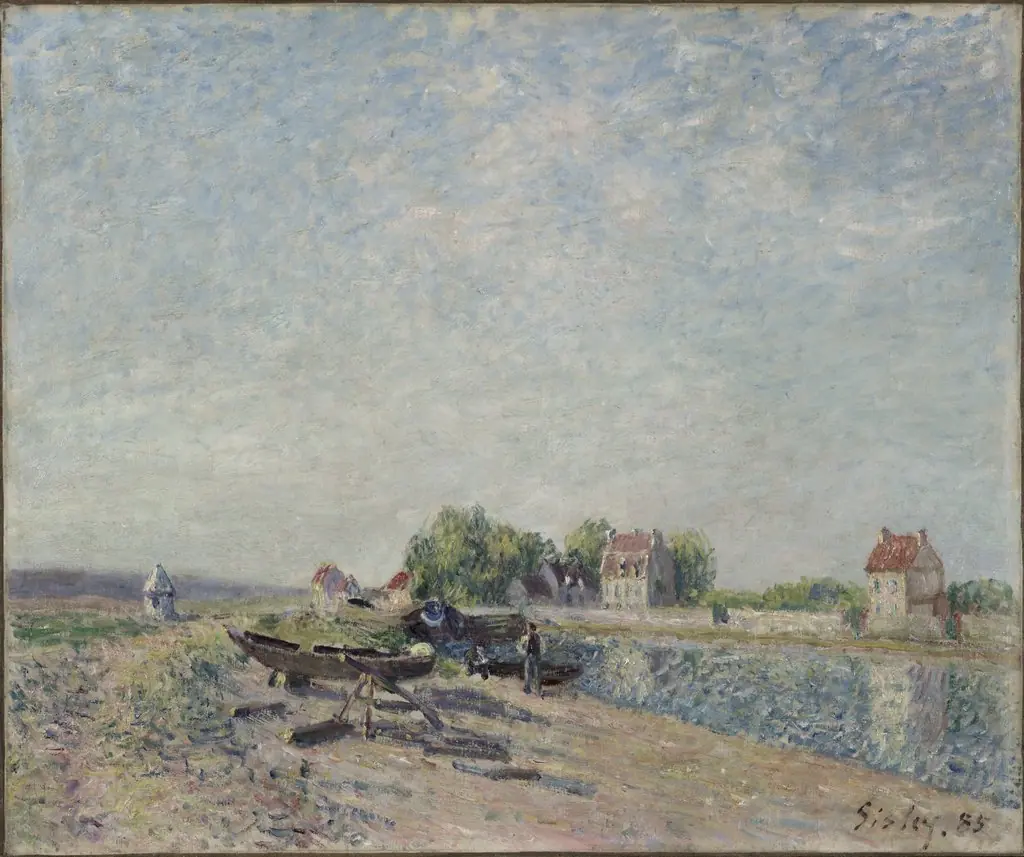
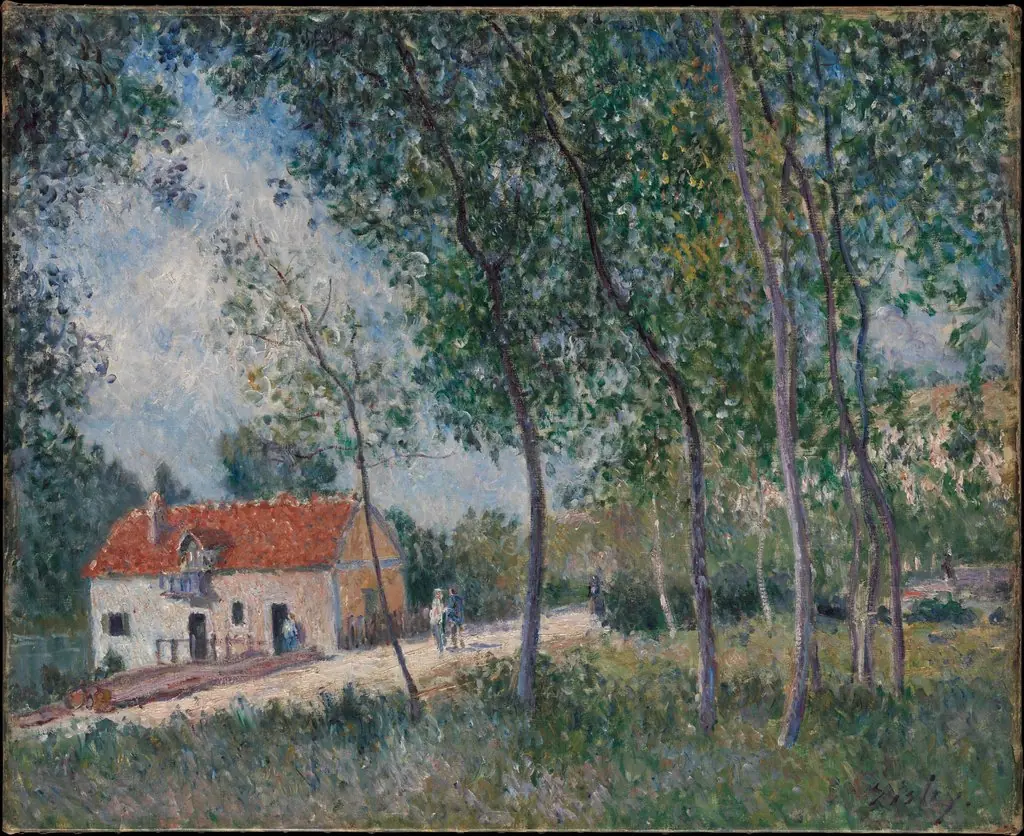
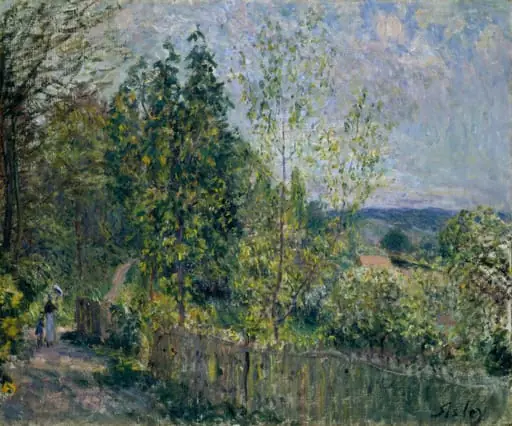
Artwork
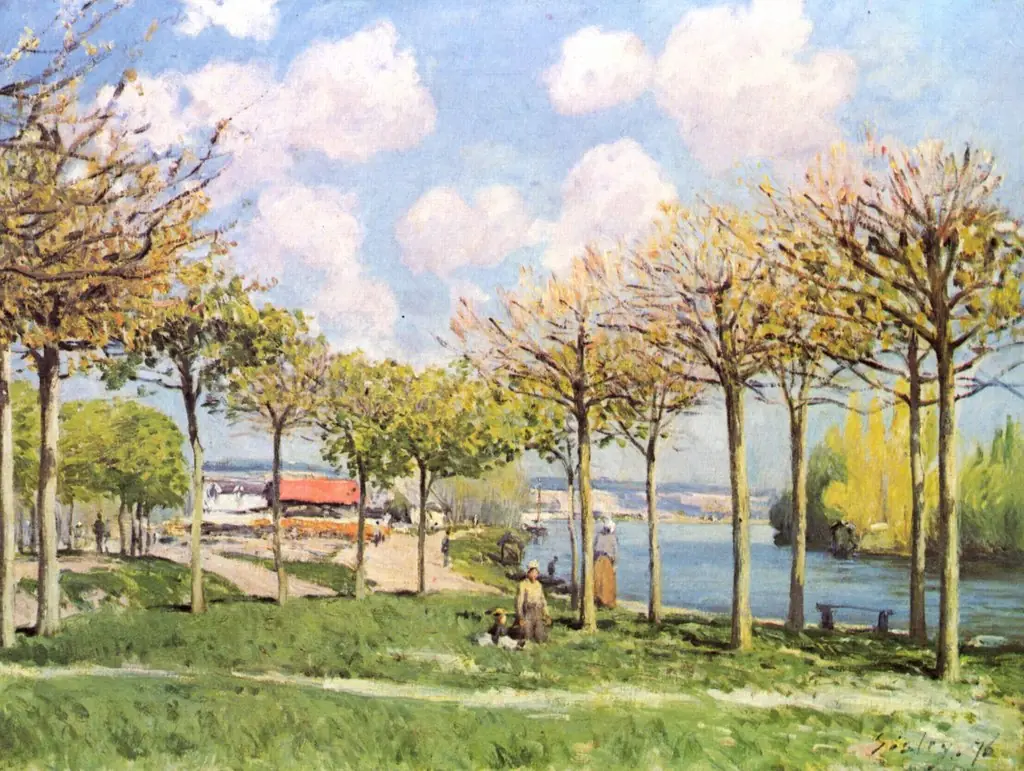
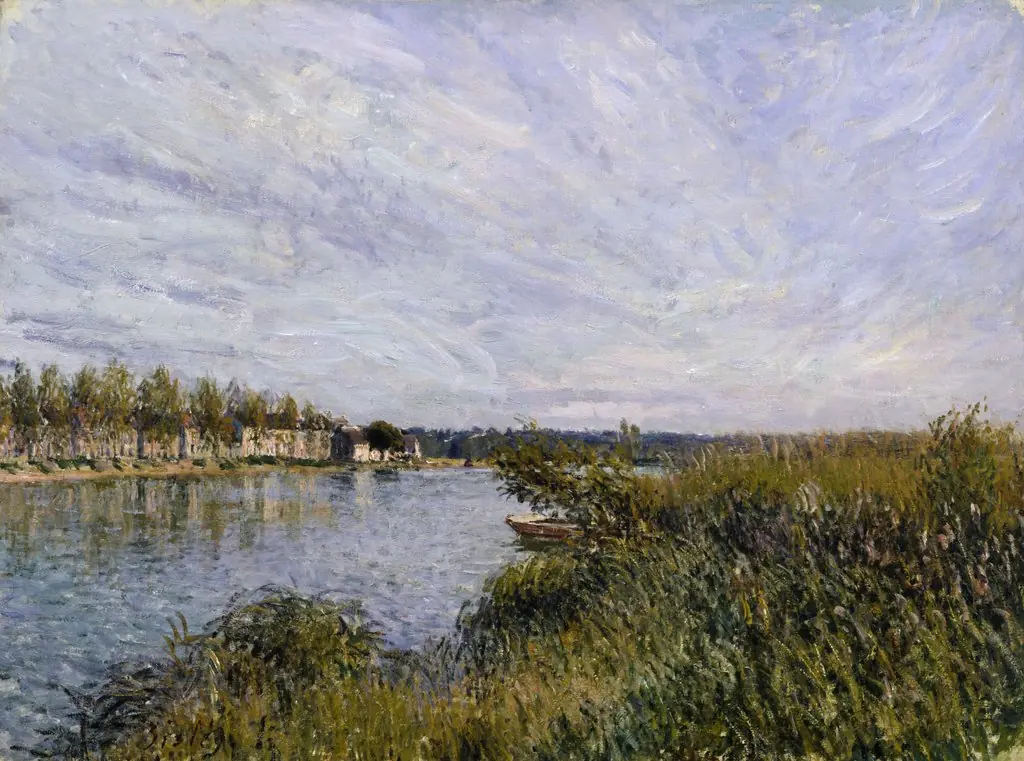
Autumn: Banks of the Seine near Bougival
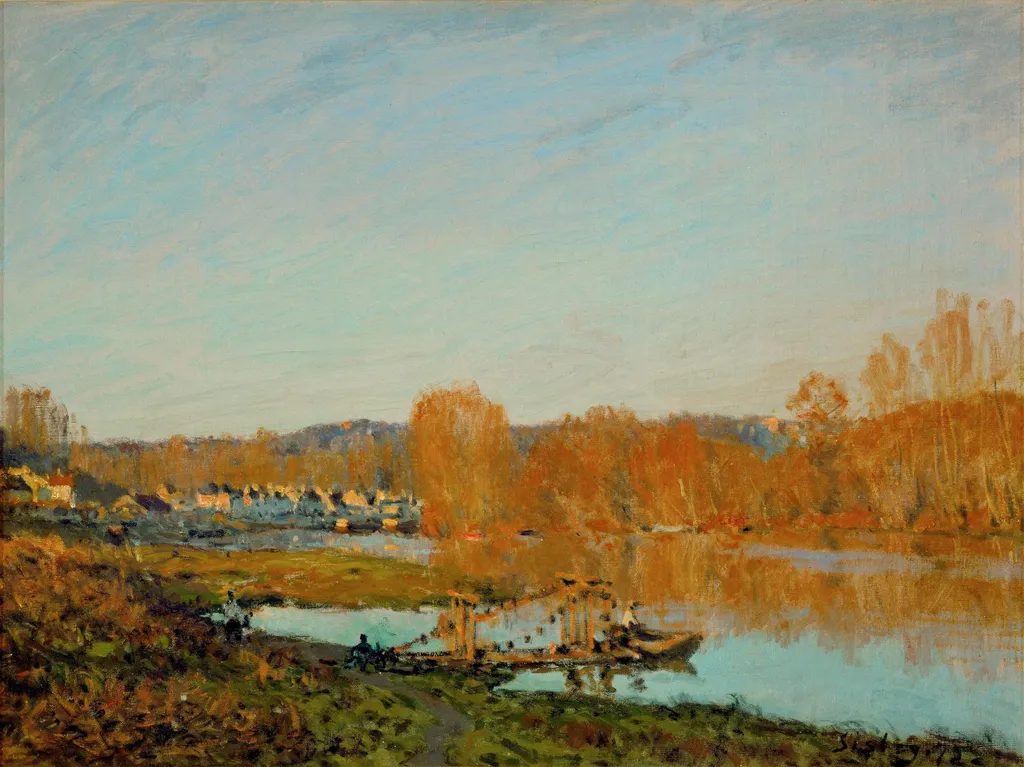
Autumn: Banks of the Seine near Bougival is an oil painting by the Impressionist artist Alfred Sisley. It dates from 1873 and is held in the collection of the Montreal Museum of Fine Arts.
About this work
Overview
This work exemplifies his commitment to plein air painting and the Impressionist focus on transient natural effects.
Painted in 1873, this oil landscape by Alfred Sisley captures a quiet stretch of the Seine near Bougival. Sisley, a British-born artist who lived and worked primarily in France, dedicated his career to observing and recording the subtle shifts of light and weather in the French countryside. This work exemplifies his commitment to plein air painting and the Impressionist focus on transient natural effects.
Subject & Meaning
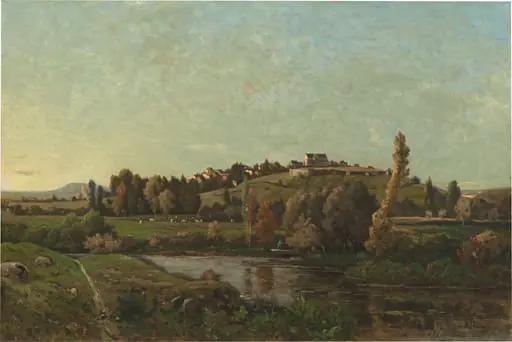
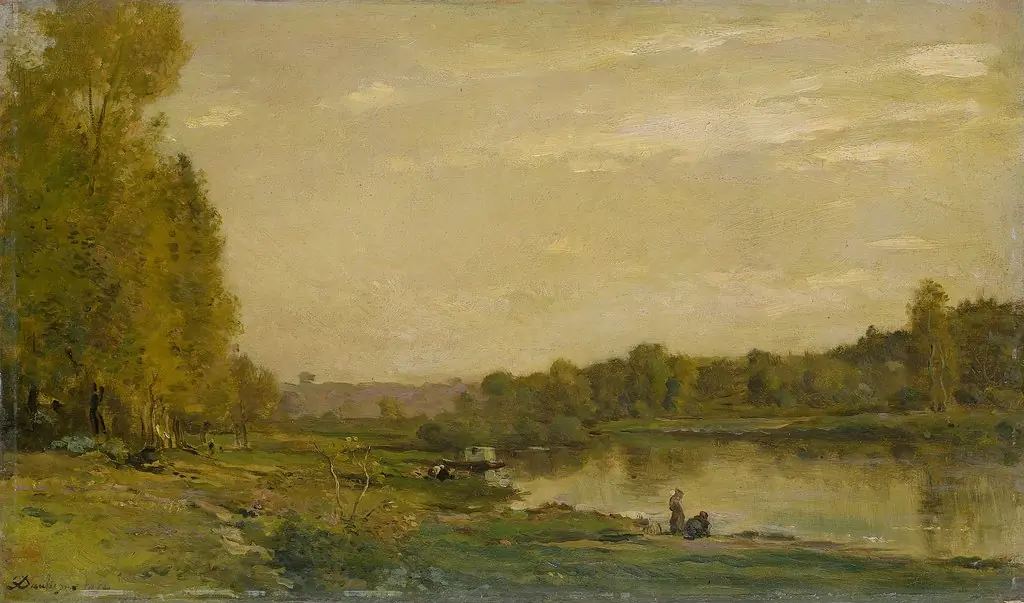
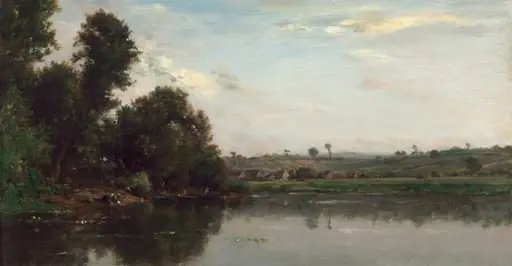
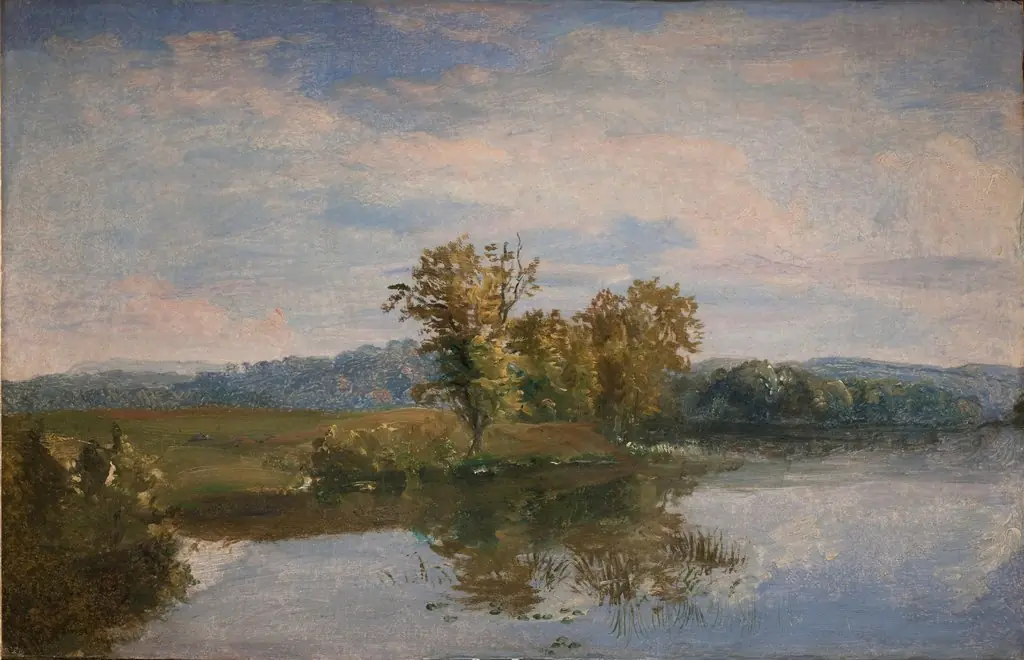
The scene presents a tranquil riverside setting with modest buildings visible along the horizon and trees lining the bank. There is no human activity, no narrative, only the quiet presence of land, water, and sky. The composition invites contemplation rather than storytelling, emphasizing the calm rhythm of the season and the unobtrusive beauty of everyday rural France.
Technique & Style
Sisley applied paint with loose, fluid brushstrokes that suggest movement in the foliage and ripples on the water. His palette favors warm ochres, soft browns, and muted greens, accented by pale blues in the sky and river. The surface is textured yet harmonious, with light reflected not through detail but through color modulation, embodying Impressionist principles of optical perception over defined form.
History & Provenance
Created during Sisley’s most productive period, the painting emerged from his regular visits to the Seine valley, where he often worked alongside Monet and Renoir. It remained in private collections for much of the 20th century before entering a public museum’s holdings. Its survival in relatively intact condition reflects its consistent appreciation among collectors of Impressionist works.
Context
In the early 1870s, French artists were redefining landscape painting by rejecting academic conventions in favor of direct observation. Sisley, unlike some contemporaries, avoided urban subjects and political themes, focusing instead on the quiet, unchanging rhythms of rural riversides. This painting reflects a broader shift toward valuing sensory experience over historical or moral content in art.
Legacy
Though less celebrated than Monet or Renoir, Sisley’s consistent dedication to landscape and light helped solidify Impressionism’s core ideals. Autumn: Banks of the Seine near Bougival stands as a quiet testament to his ability to convey atmosphere with restraint and sensitivity. His work continues to inform understandings of how everyday natural scenes can hold enduring visual resonance.
Own this work as a print
Artist & collection
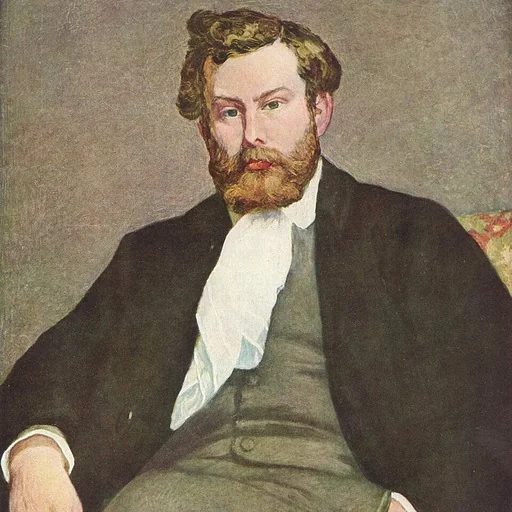
Artist
Alfred Sisley (; French: ; 30 October 1839–29 January 1899) was a French-Born British Impressionist landscape painter who was born to British parents, but spent most of his life in France.