Artwork
La Seine à Port-Marly
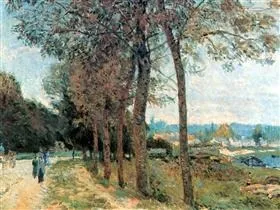
La Seine à Port-Marly is an unspecified painting by the Impressionist artist Alfred Sisley. It dates from 1888 and is held in the collection of the Museum of Fine Arts of Lyon.
About this work
Overview
It exemplifies his lifelong commitment to painting en plein air, capturing the subtle shifts of light and weather in rural French settings.
Painted in 1888, *La Seine à Port-Marly* is a landscape by Alfred Sisley, a British-born artist who lived and worked primarily in France. It exemplifies his lifelong commitment to painting en plein air, capturing the subtle shifts of light and weather in rural French settings. Unlike many of his contemporaries, Sisley avoided narrative or urban themes, focusing instead on quiet natural scenes. This work is part of a sustained series of river views he produced in the Île-de-France region.
Subject & Meaning
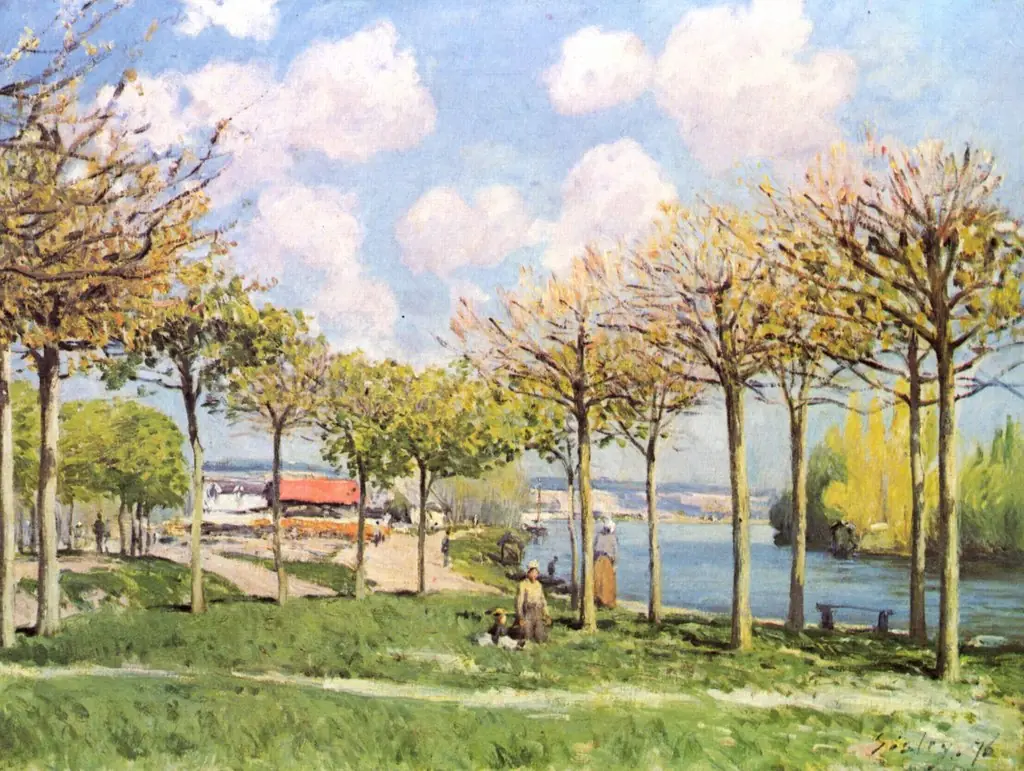
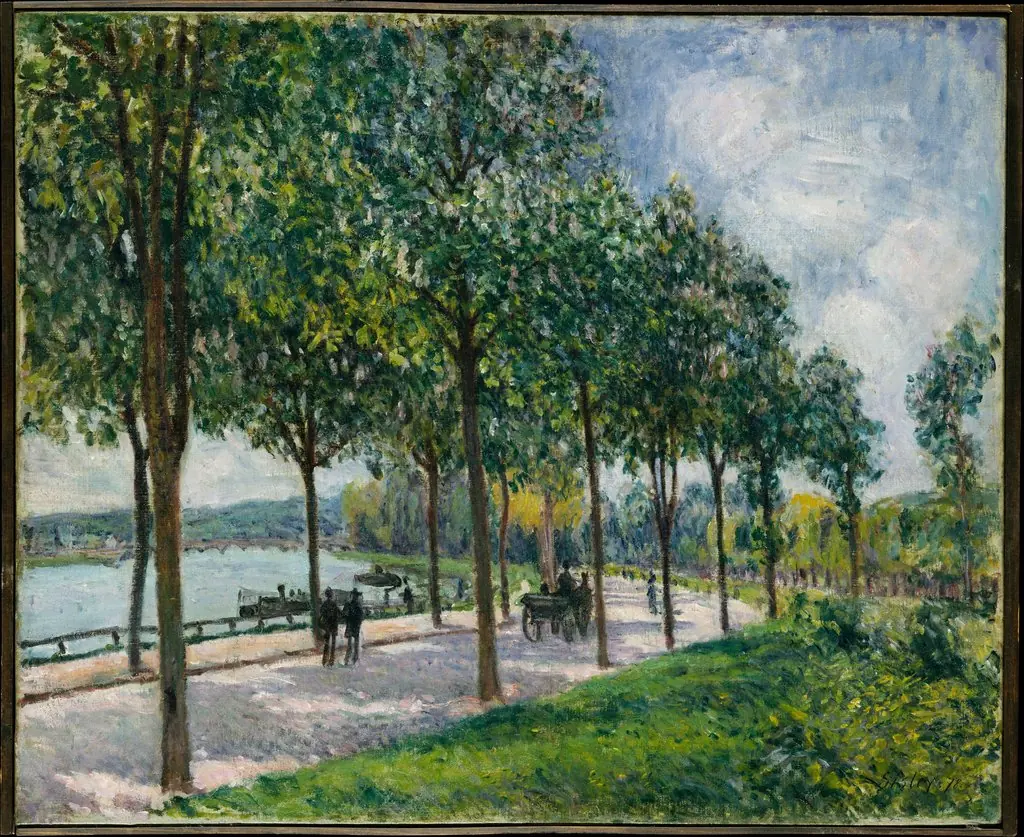
The painting presents a tranquil riverside path lined with slender, leafless trees, leading the eye toward a distant stretch of water and faintly outlined buildings. There is no human activity, no dramatic event—only the stillness of a late autumn afternoon. The absence of figures and the muted tones suggest a contemplative mood, emphasizing the quiet rhythm of nature over human intervention. The scene reflects Sisley’s interest in the ordinary, unadorned beauty of the French countryside.
Technique & Style
Sisley employed loose, broken brushstrokes typical of Impressionism, layering thin washes of color to suggest changing light and atmospheric depth. The palette is restrained—soft grays, pale greens, and muted browns—enhancing the sense of cool, diffused daylight. He avoided sharp outlines, allowing forms to emerge through tonal transitions. The composition is carefully balanced, with the winding path guiding the viewer’s gaze into the middle distance, reinforcing the painting’s sense of quiet immersion.
History & Provenance
Created during the final decade of Sisley’s career, the painting remained in private hands until it entered the collection of the Museum of Fine Arts of Lyon in the 20th century. Its provenance reflects the gradual recognition of Sisley’s work after his death, despite his relative obscurity during his lifetime. Unlike Monet or Renoir, Sisley received little institutional support, making the museum’s acquisition a significant step in securing his place in the Impressionist canon.
Context
In the late 1880s, Impressionism was no longer avant-garde, yet Sisley remained faithful to its core principles. While other artists turned toward more structured compositions or symbolic themes, he continued to paint the same rivers and fields near Paris, refining his observations of seasonal light. His work stood apart from the growing trends of Post-Impressionism, representing a persistent, almost solitary dedication to the immediate sensory experience of nature.
Legacy
Sisley’s *La Seine à Port-Marly* exemplifies the quiet endurance of Impressionist ideals in the face of artistic change. Though he never achieved widespread fame, his consistent focus on light and atmosphere influenced later landscape painters who valued subtlety over spectacle. Today, the painting stands as a testament to his unwavering vision—a calm, unembellished record of a moment in nature, preserved with quiet precision.
Artist & collection
Artist
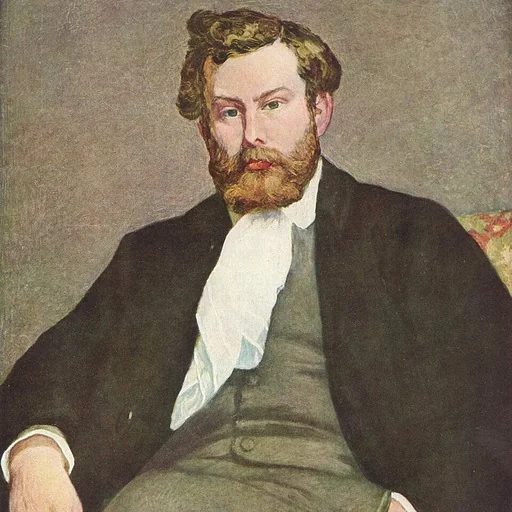
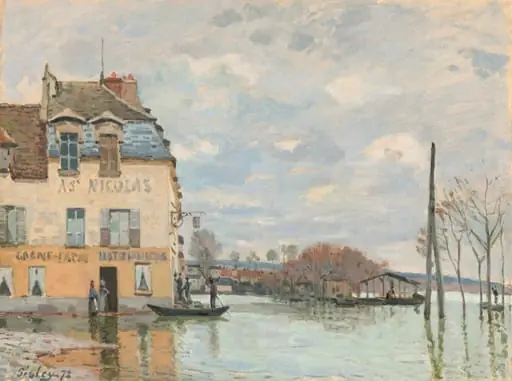
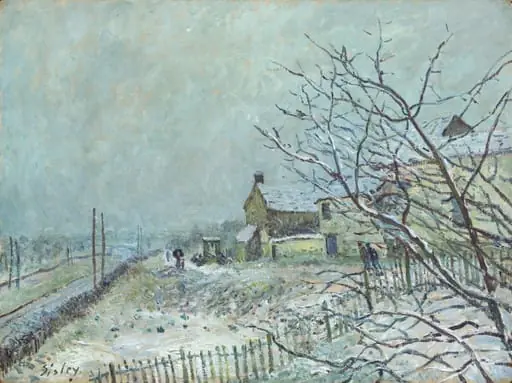
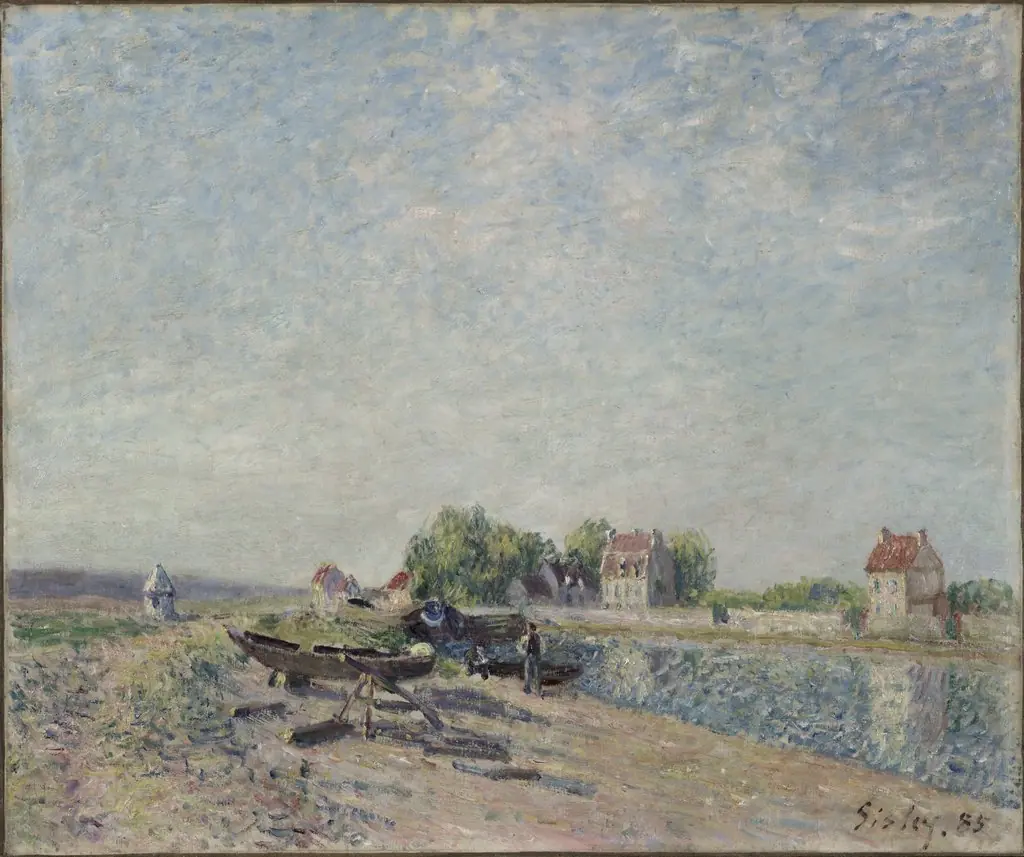
Alfred Sisley (; French: ; 30 October 1839–29 January 1899) was a French-Born British Impressionist landscape painter who was born to British parents, but spent most of his life in France.

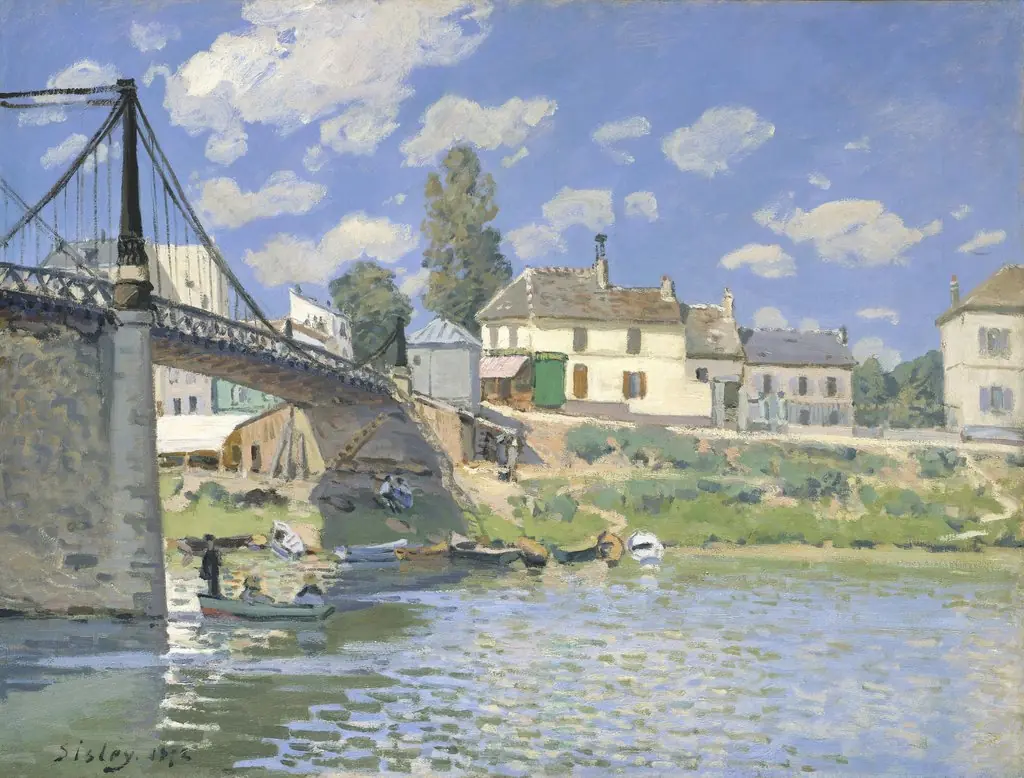
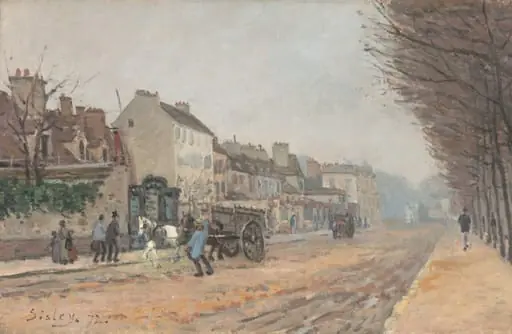
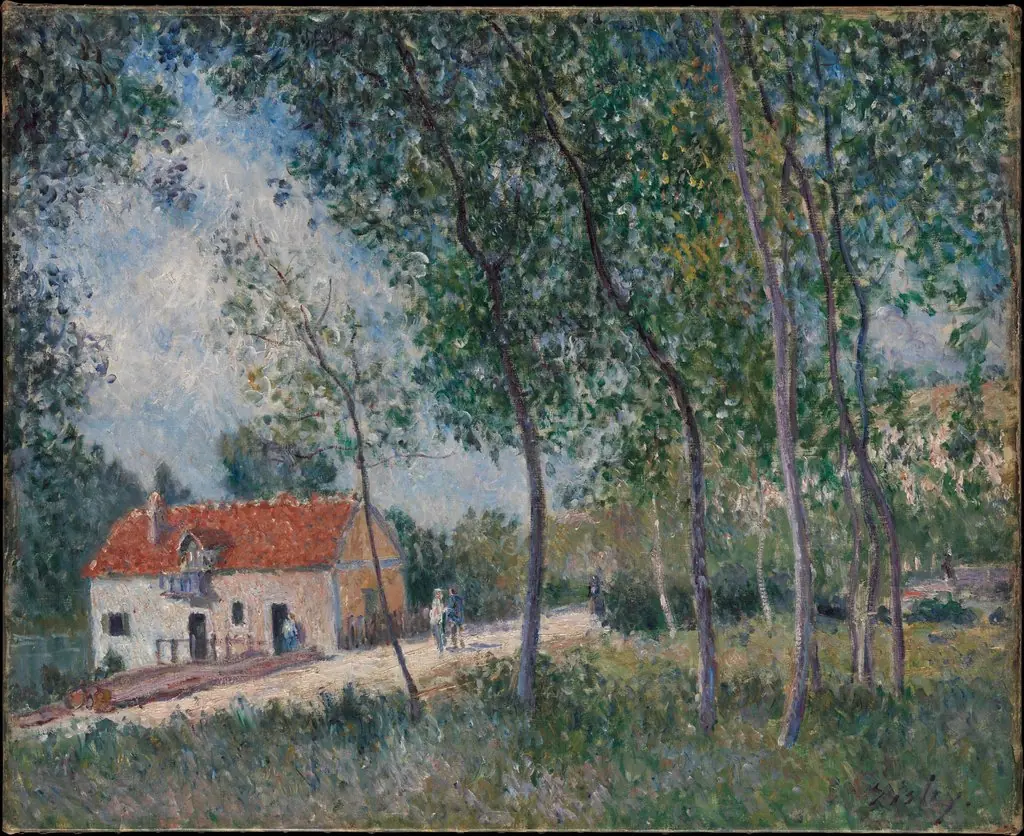
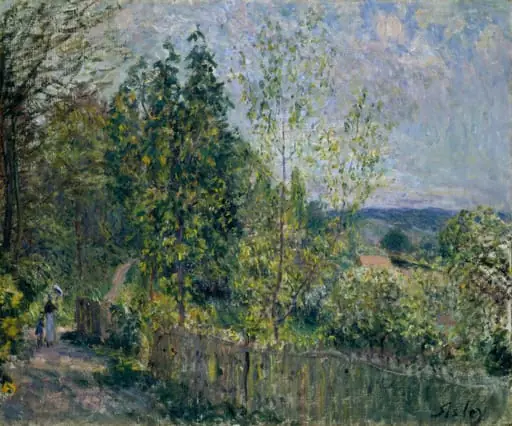
 Banks of the Loing River
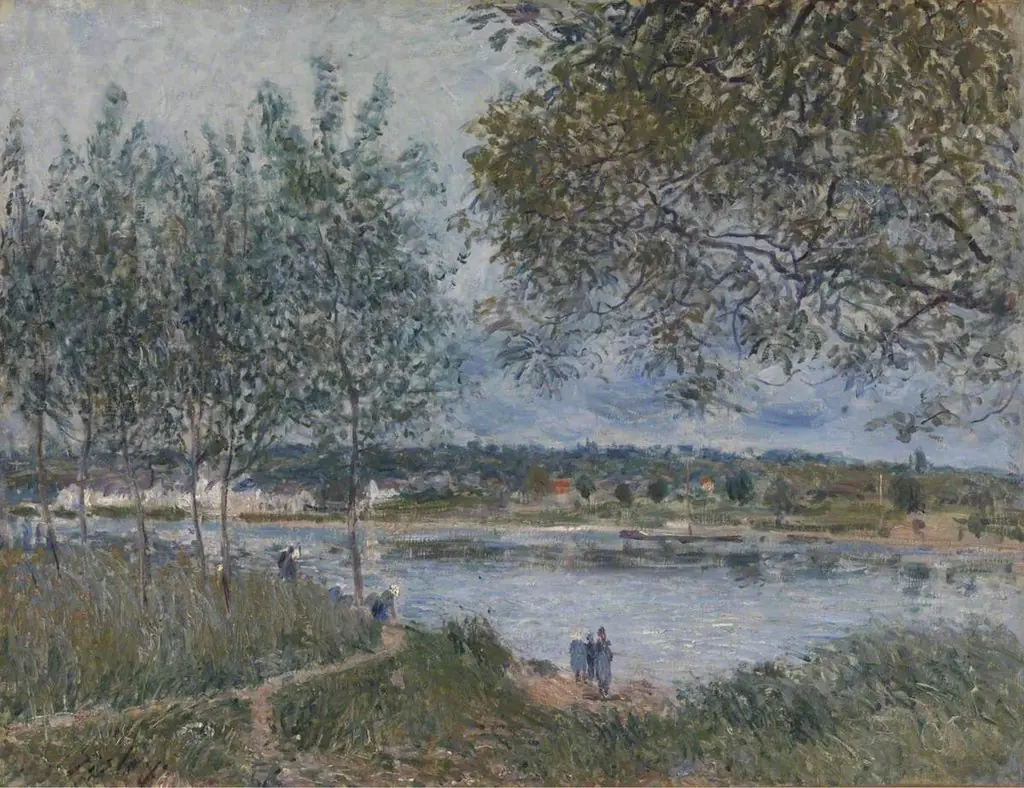 The Path to the Old Ferry at By
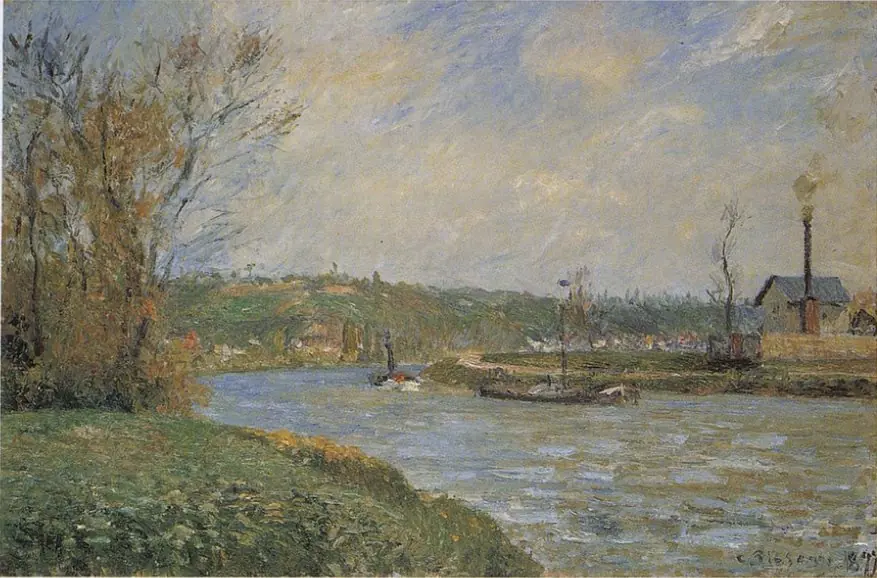 Bords de l'Oise près de Pontoise
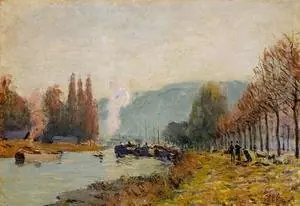 La Seine à Bougival
 Chemin de By au bois des Roches-Courtaut, été de la St Martin
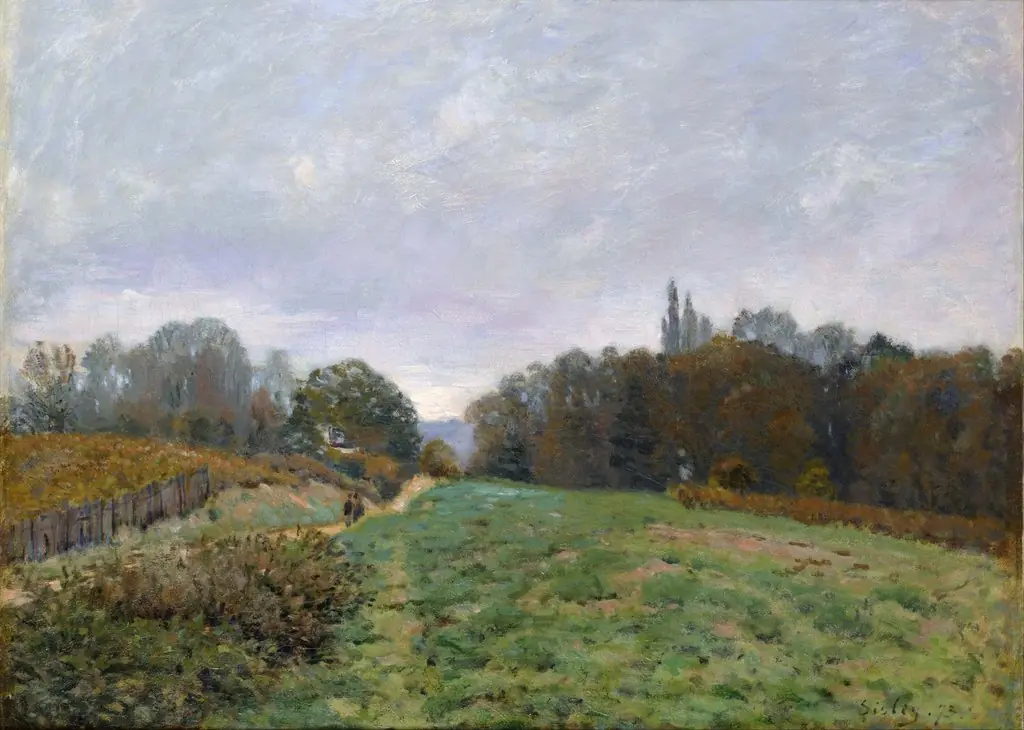 Landscape at Louveciennes
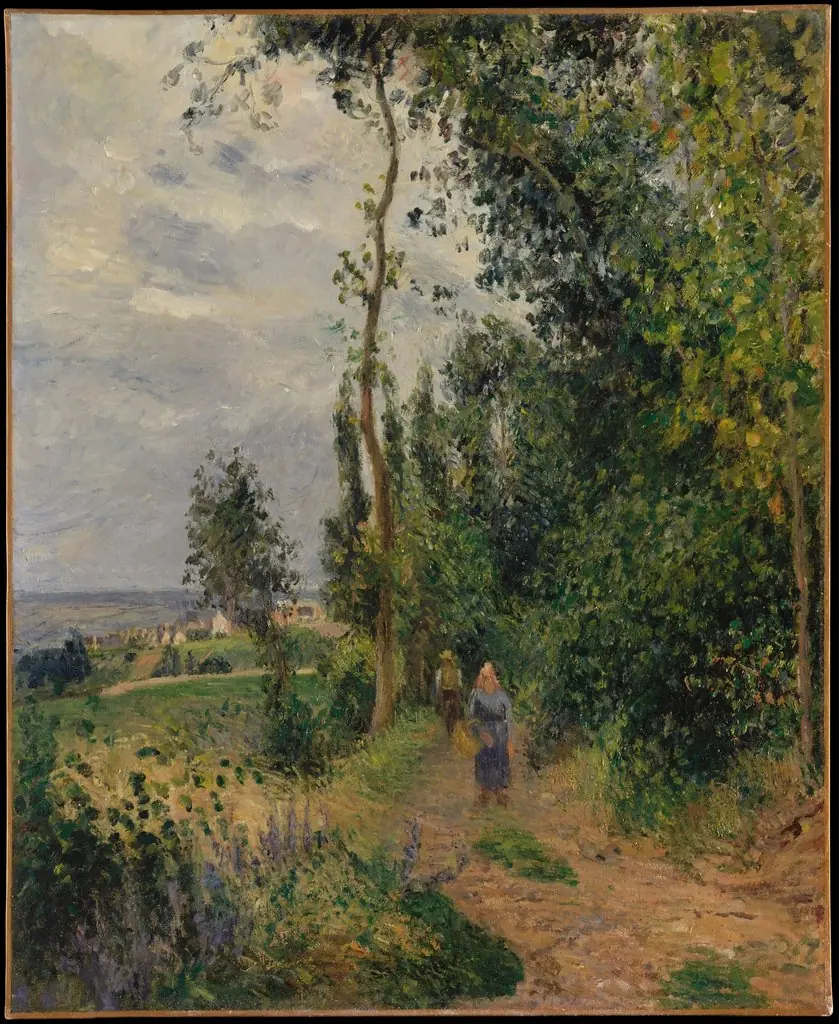 Côte des Grouettes, near Pontoise
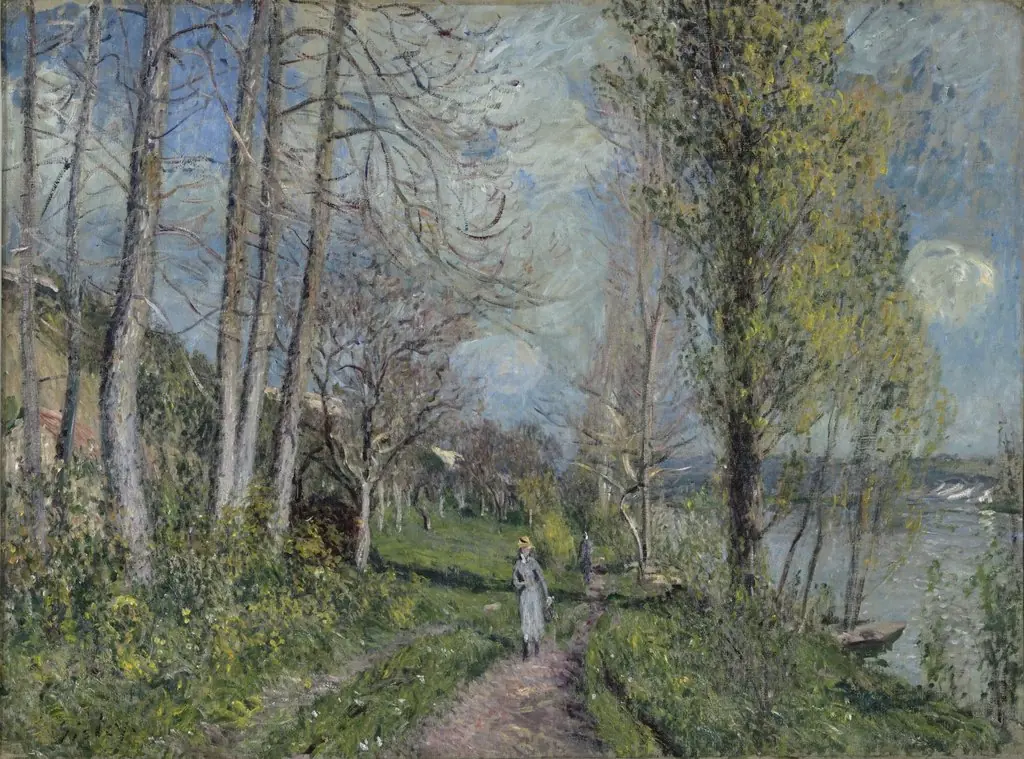 Banks of the Seine at By
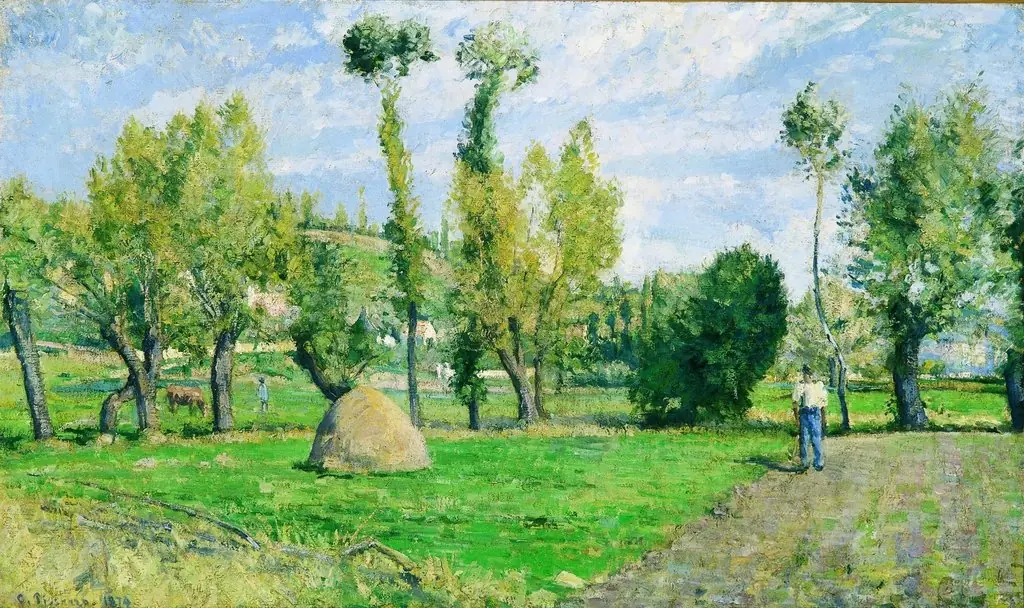 Meadows at Le Valhermeil, Auvers-sur-Oise
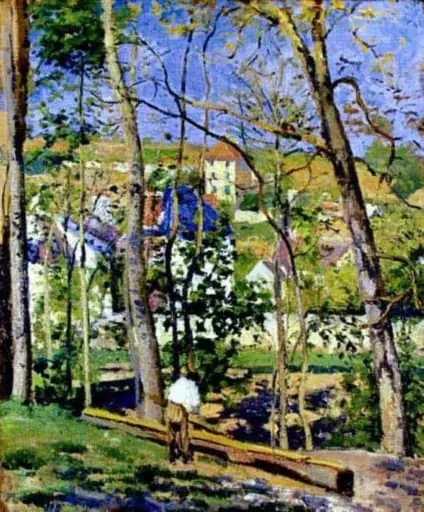 Le Charpentier
 Allée of Chestnut Trees