Artwork
La route de Verrières
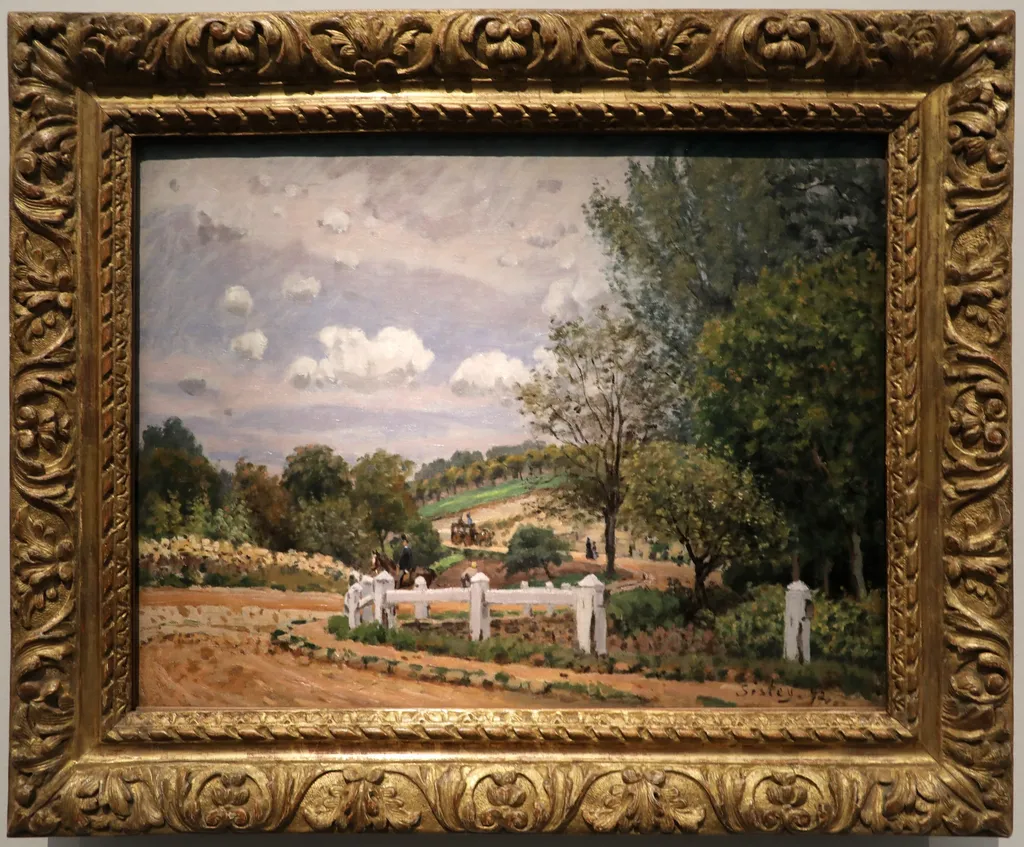
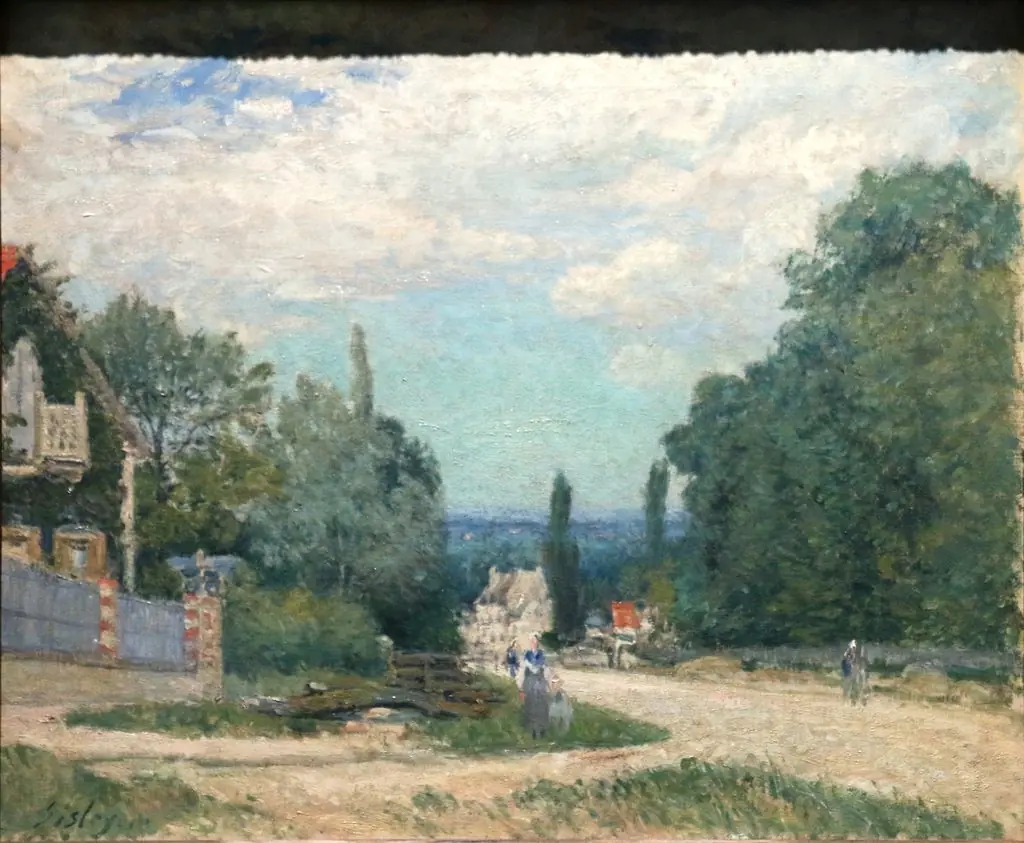
La route de Verrières is an oil painting by the Impressionist artist Alfred Sisley. It dates from 1872 and is held in the collection of the Louvre Abu Dhabi.
About this work
Overview
Painted in 1872, *La route de Verrières* is an oil-on-canvas landscape by Alfred Sisley, a British-born artist who lived and worked primarily in France.
Painted in 1872, *La route de Verrières* is an oil-on-canvas landscape by Alfred Sisley, a British-born artist who lived and worked primarily in France. It exemplifies his lifelong commitment to capturing the natural world through direct observation. The painting belongs to the Louvre Abu Dhabi’s collection and reflects the core principles of Impressionism, emphasizing transient effects of light and atmosphere over narrative or idealized composition.
Subject & Meaning
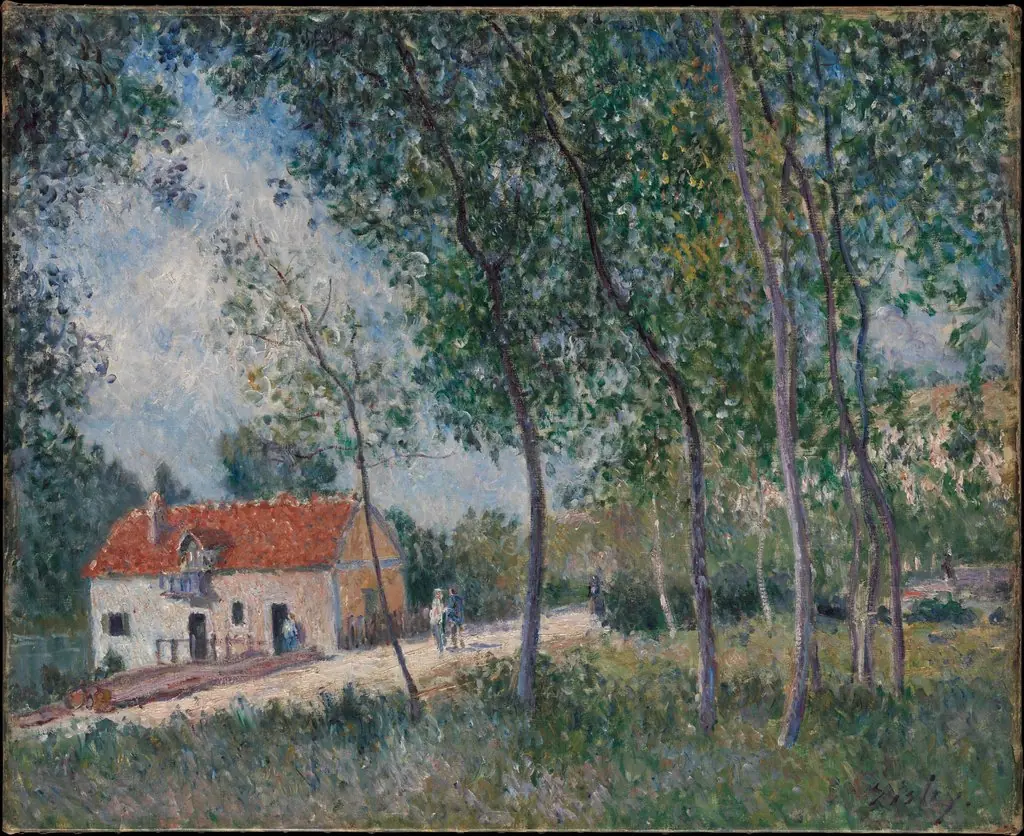
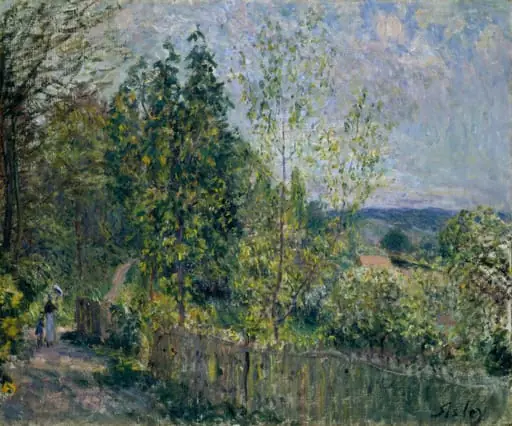
The scene portrays a quiet rural road winding through open countryside, framed by a white picket fence and flanked by trees and undulating hills. Distant figures are present but minimized, reinforcing the landscape’s primacy. The composition invites contemplation rather than storytelling, focusing on the harmony between human presence and the natural environment. The subdued activity suggests everyday life, unembellished and untheatrical.
Technique & Style
Sisley applied paint with loose, visible brushwork that captures the texture of grass, foliage, and cloud cover without defined outlines. His palette favors soft greens, pale blues, and warm earth tones, modulated to suggest shifting daylight. The layering of thin glazes and broken strokes creates a luminous depth, guiding the viewer’s gaze from the foreground fence toward the hazy horizon. The technique prioritizes sensory impression over precise detail.
History & Provenance
Created during Sisley’s most productive period in the early 1870s, the painting emerged from his sustained practice of painting outdoors near Paris. It remained in private hands for much of the 20th century before entering the Louvre Abu Dhabi’s collection. Its provenance reflects the broader rediscovery of Impressionist works in the decades following the artists’ lifetimes, as institutions began to recognize their significance beyond commercial success.
Context
In 1872, Sisley was part of a circle of artists—including Monet and Pissarro—who rejected academic conventions in favor of painting contemporary landscapes under natural light. Though less commercially successful than his peers, Sisley remained steadfast in his focus on rural scenes. *La route de Verrières* aligns with this ethos, offering a quiet alternative to urban modernity and historical themes dominant in official salons.
Legacy
The painting stands as a representative example of Sisley’s consistent approach to landscape, distinguishing him within Impressionism for his unwavering dedication to nature’s subtleties. While not widely exhibited during his lifetime, his works have since been acknowledged for their sensitivity to seasonal and atmospheric change. Today, *La route de Verrières* contributes to broader understandings of how Impressionism redefined the role of the landscape in modern art.
Artist & collection
Artist
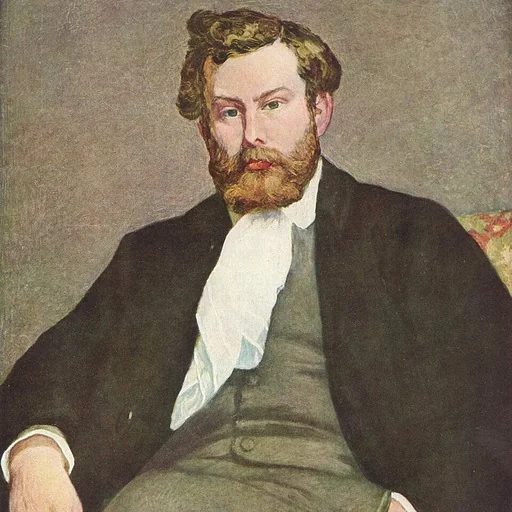
Alfred Sisley (; French: ; 30 October 1839–29 January 1899) was a French-Born British Impressionist landscape painter who was born to British parents, but spent most of his life in France.

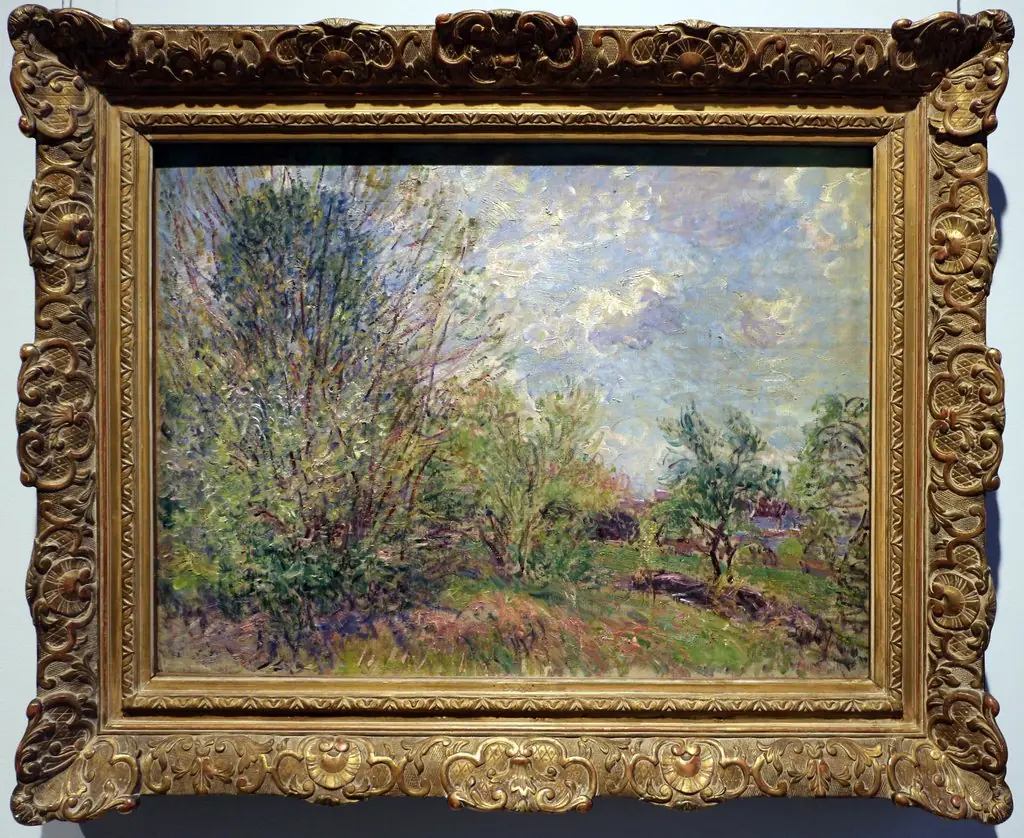 al bordo del bosco, paesaggio, primavera
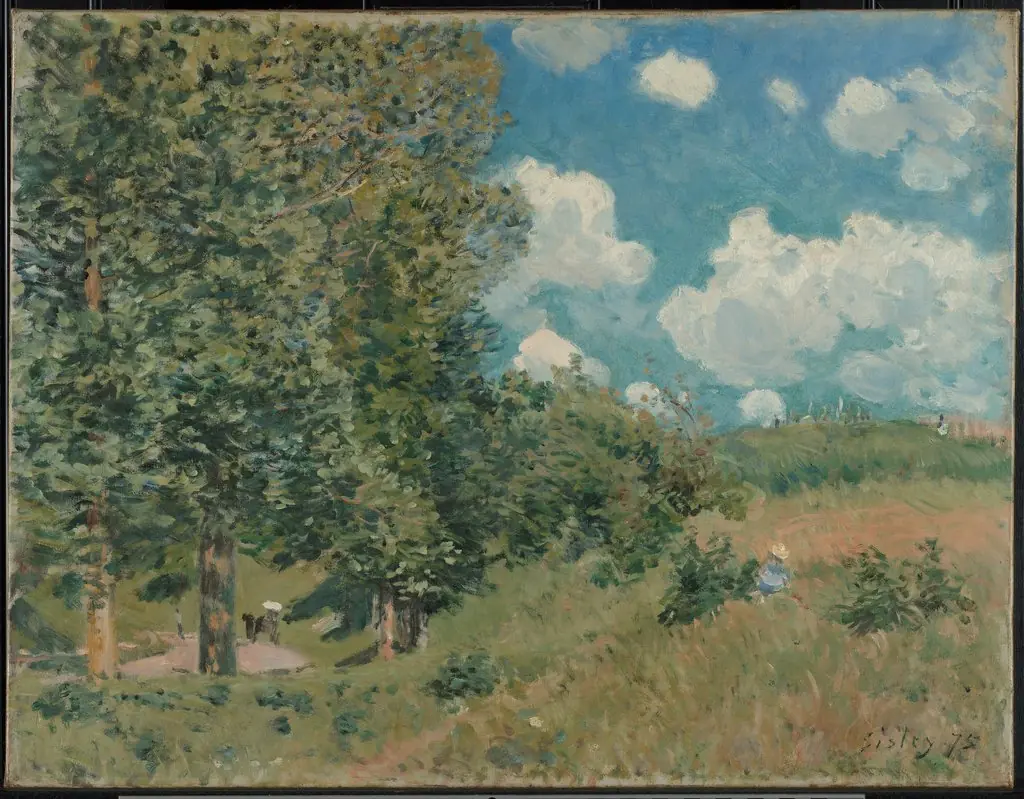 The Road from Versailles to Saint-Germain
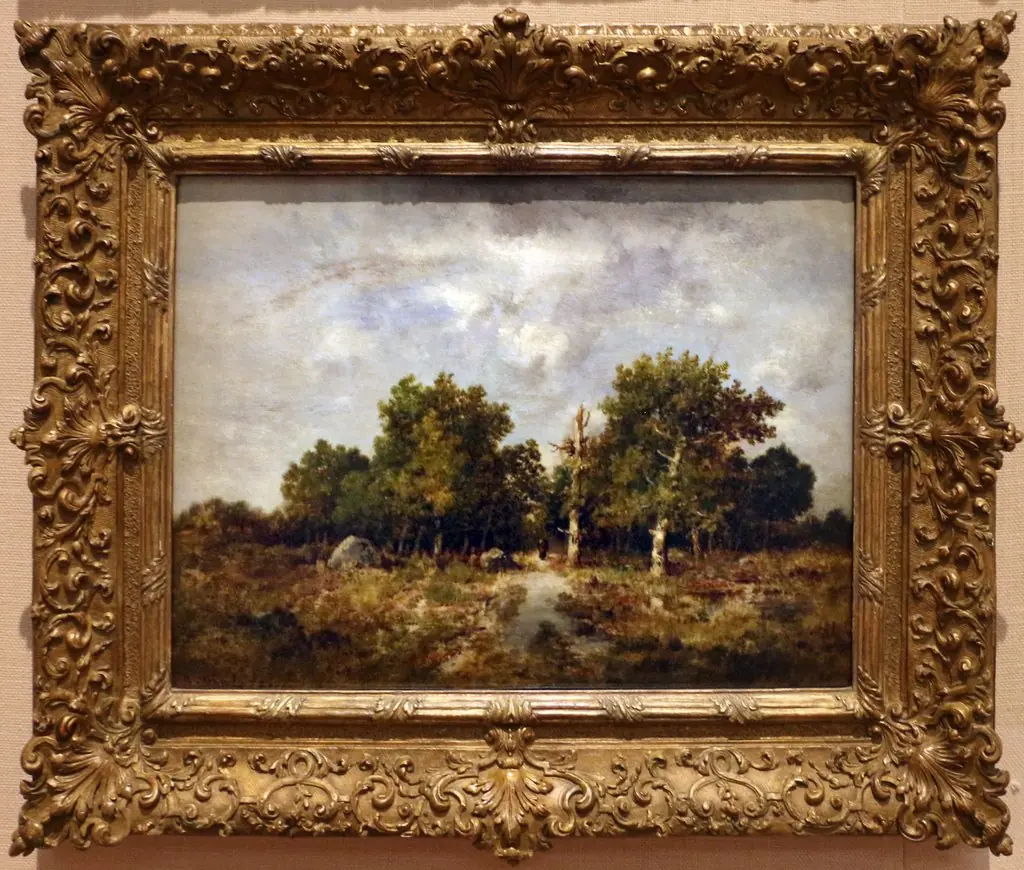 La forêt de Fontainebleau en Automne
 După ploaie
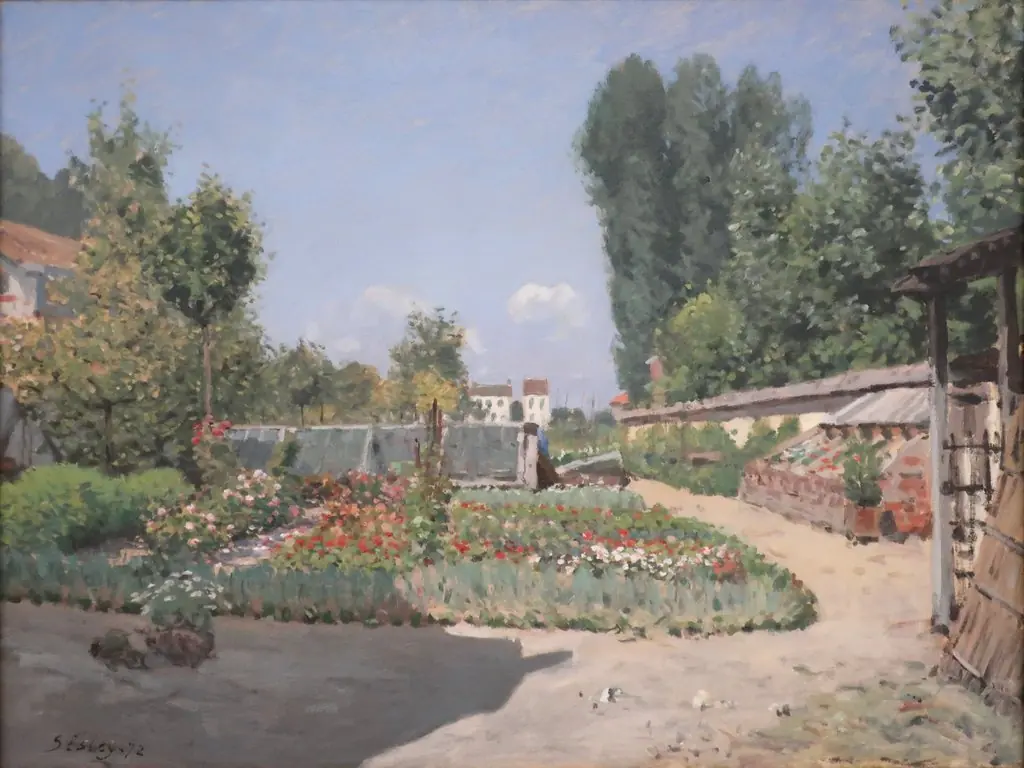 The Kitchen Garden
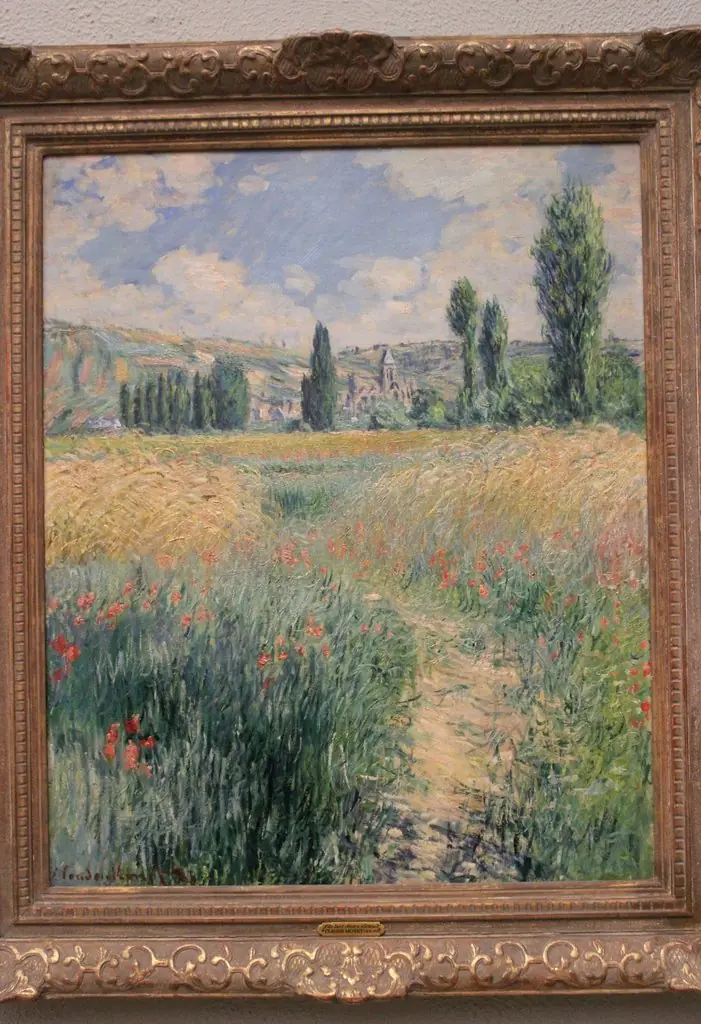 Path on the Island of Saint Martin, Vétheuil
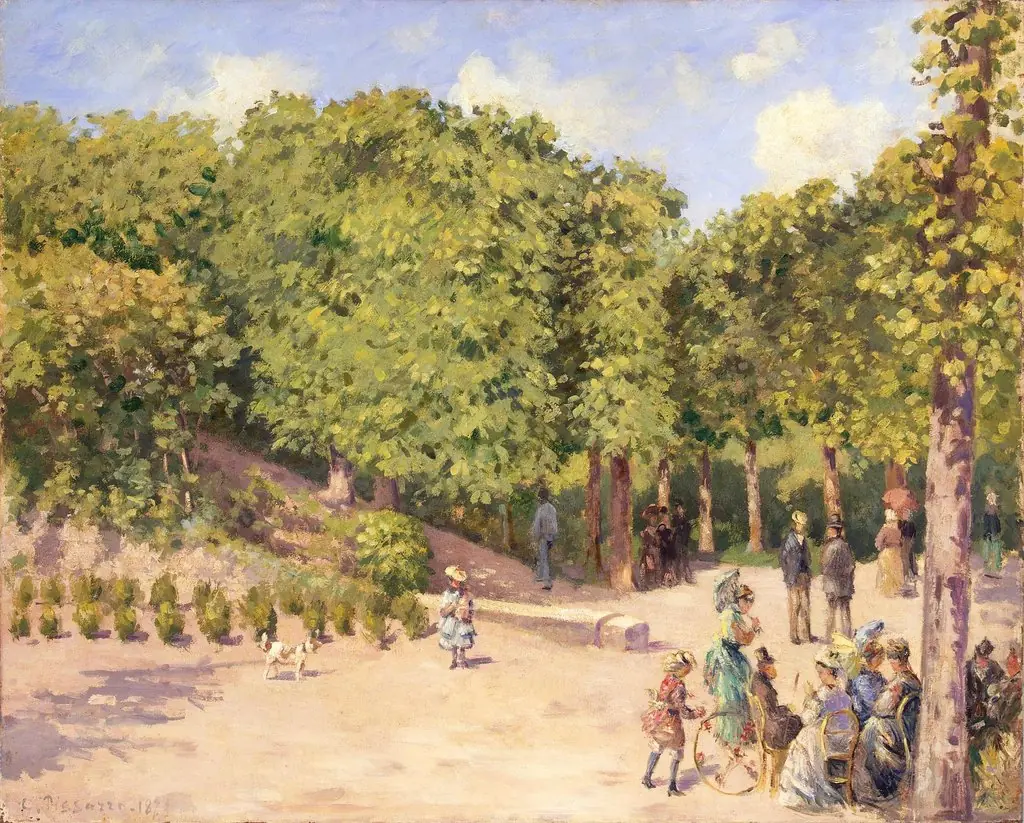 The Municipal Garden, Pontoise
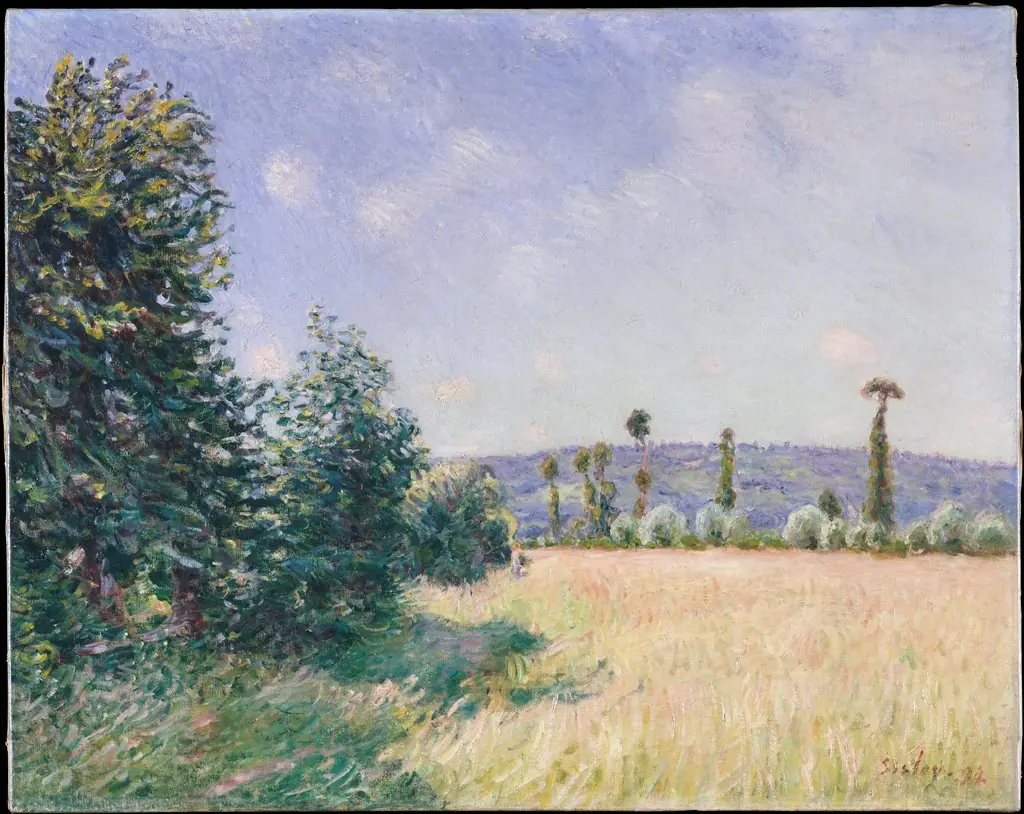 Sahurs Meadows in Morning Sun
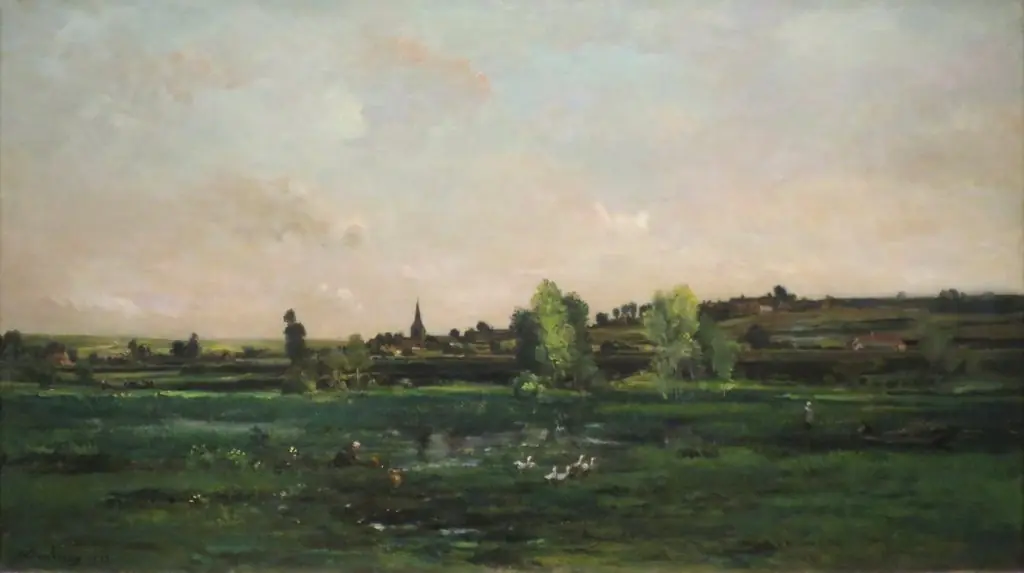 Village on the Seine near Vernon
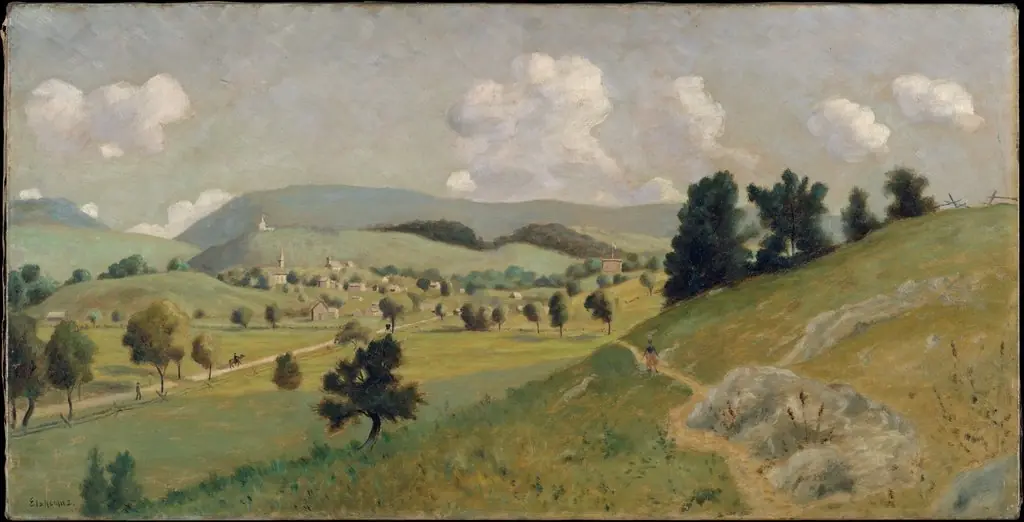 Delaware Water Gap Village
 The Road to Louveciennes
 Morning at Antibes