Artwork
La forêt de Fontainebleau en Automne
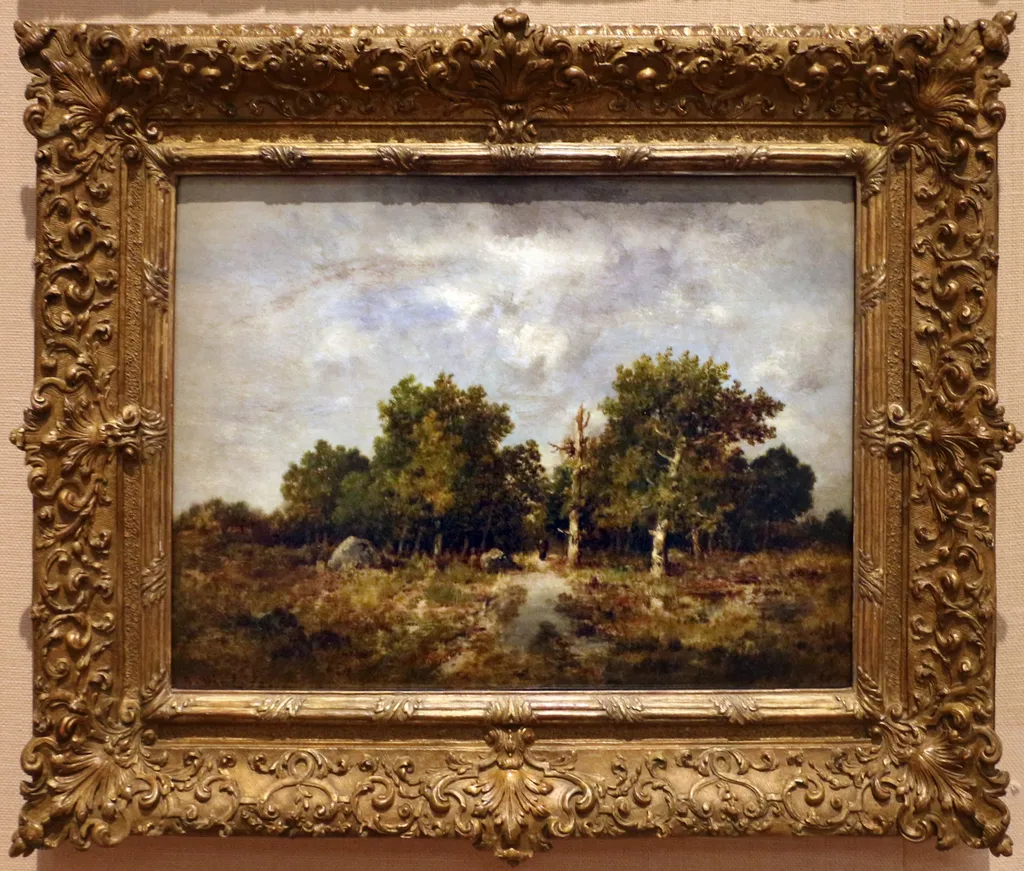
La forêt de Fontainebleau en Automne is an unspecified painting by Narcisse Virgilio Díaz. It dates from 1872 and is held in the collection of the Calouste Gulbenkian Museum. Created in 1872, this oil on canvas depicts a quiet autumnal scene in the Fontainebleau forest.
About this work
Overview
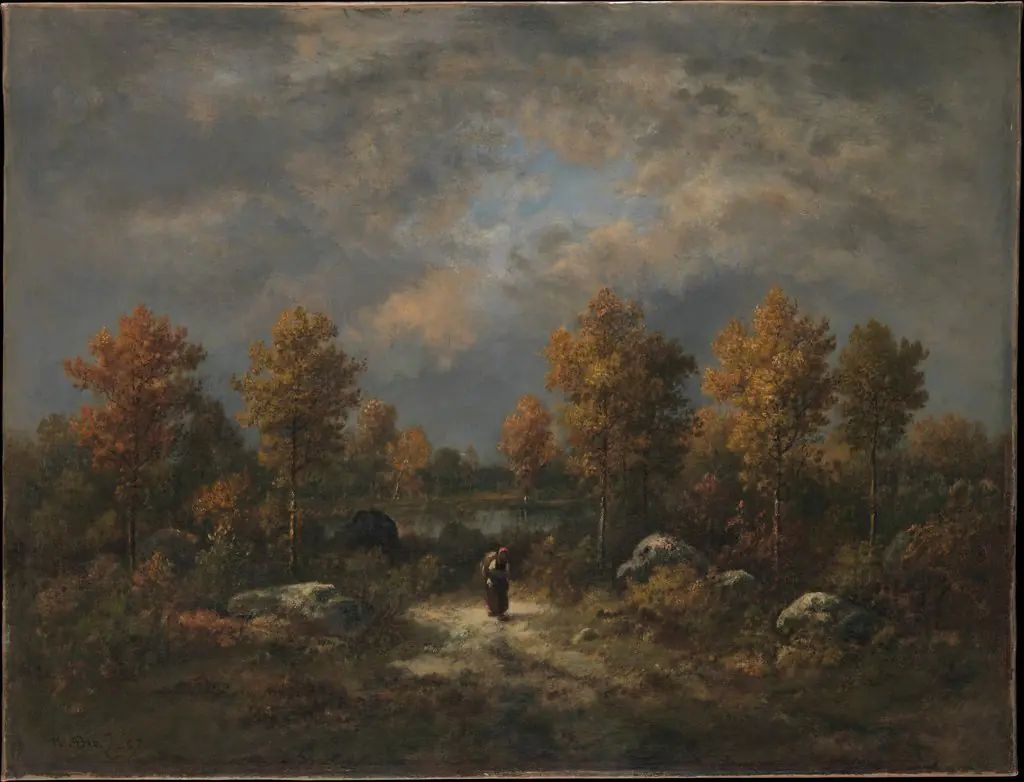
Created in 1872, this oil on canvas depicts a quiet autumnal scene in the Fontainebleau forest. The composition leads the eye along a winding earthen track toward a gathering of trees, set amid tall grasses, wildflowers and scattered stones. A muted sky, heavy with clouds, allows occasional blue glimpses, contributing to the work’s overall calm atmosphere.
Subject & Meaning
The painting captures a fleeting moment of seasonal transition, emphasizing the subdued tones of late autumn. By foregrounding a solitary path and a modest cluster of trees, the artist invites contemplation of nature’s quiet cycles, suggesting a harmonious relationship between the viewer and the forest’s restrained vitality.
Technique & Style
Loose, expressive brushwork characterizes the surface, with swift strokes that convey movement in foliage and sky. A restrained palette of greens, browns, and grays reinforces the seasonal mood, while occasional highlights of blue break the monotony, adding depth. The handling reflects the artist’s affinity for plein‑air observation and a preference for atmospheric effects over precise detail.
History & Provenance
The work was painted by Narcisse Virgilio Díaz, a French landscape painter associated with the Barbizon school. After its creation, the canvas entered private collections before being acquired by the Calouste Gulbenkian Museum, where it remains part of the institution’s European painting holdings.
Context
During the late 19th century, the Fontainebleau forest became a favored subject for artists seeking naturalistic representation outside academic conventions. Díaz’s depiction aligns with this trend, emphasizing direct observation and a personal response to the landscape’s tonal subtleties, situating the painting within the broader movement toward realism and atmospheric landscape painting.
Artist & collection
Artist
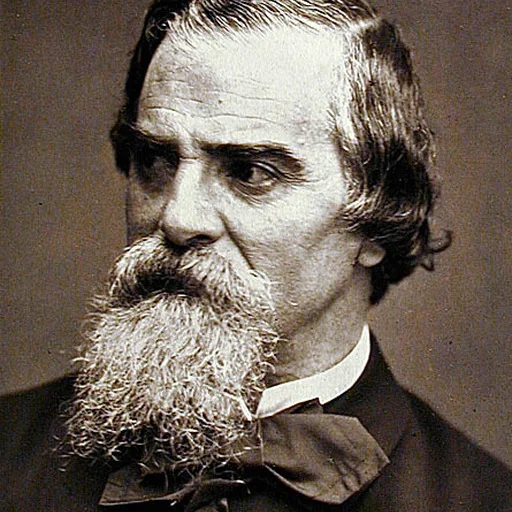
Narcisse Virgilio Díaz (1807–1876) was a French artist, born in Bordeaux.

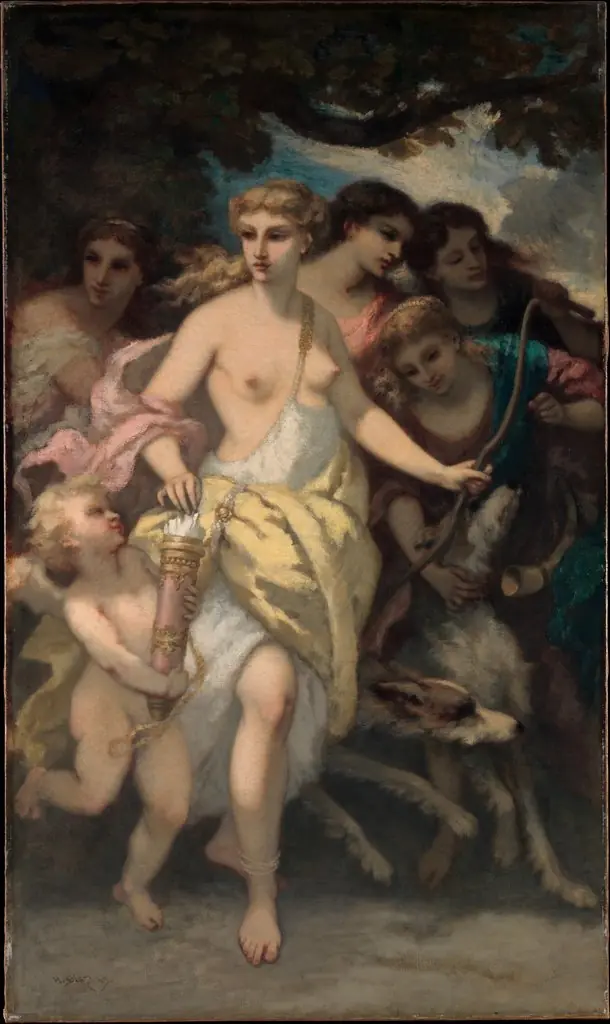
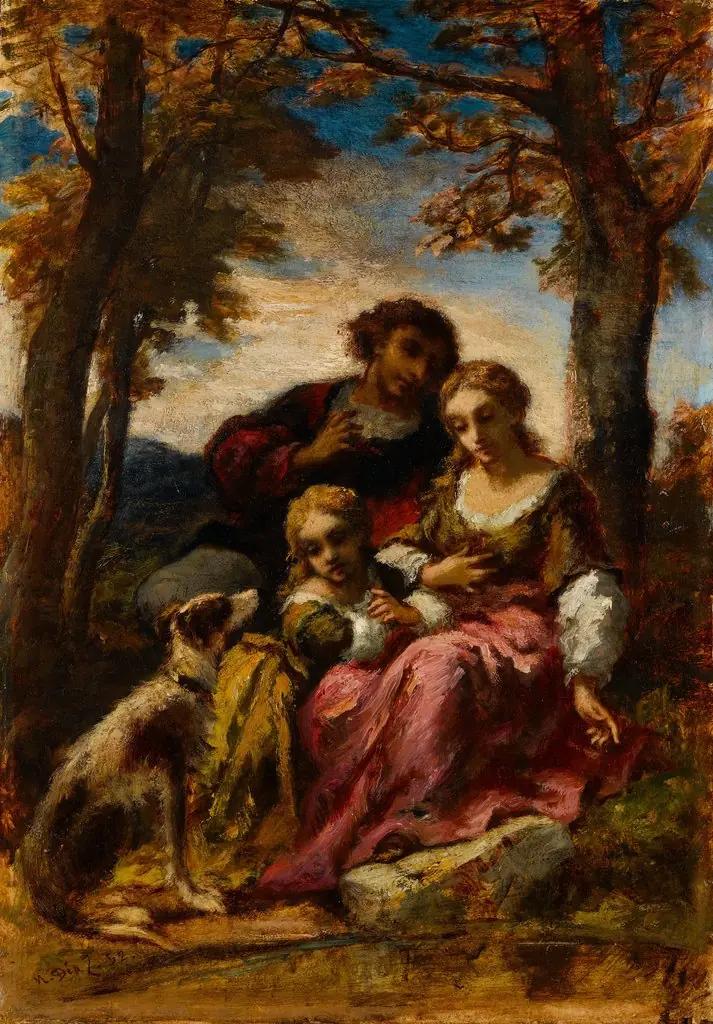
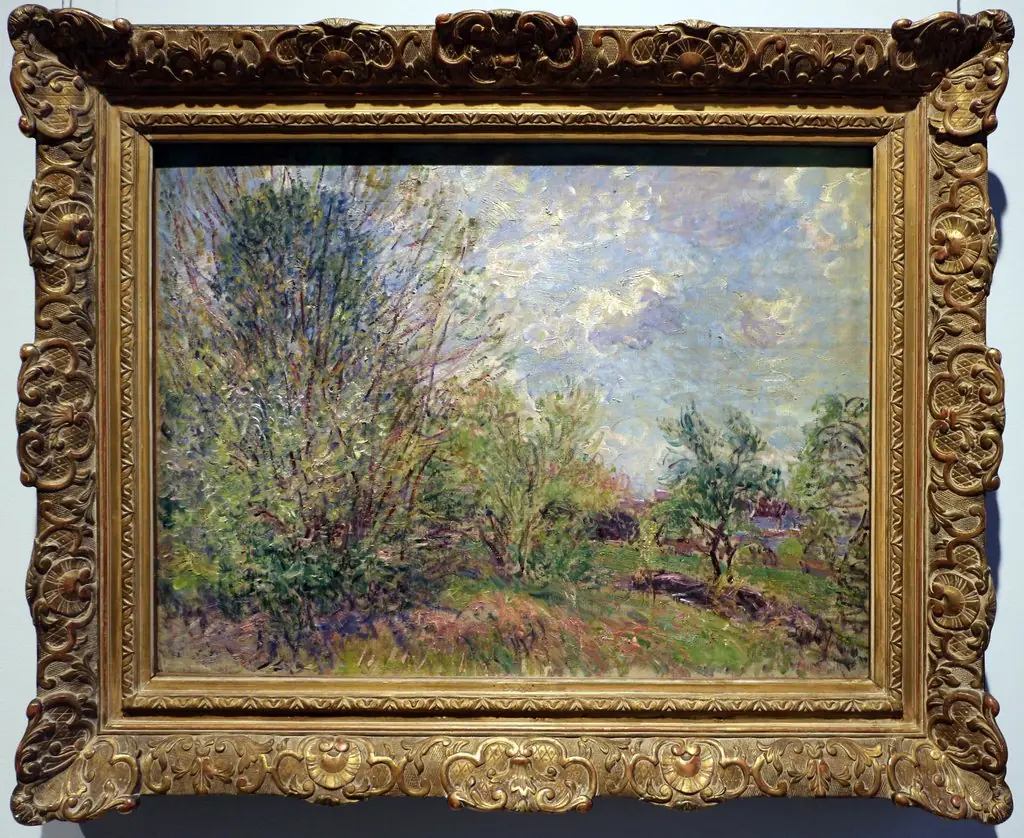 al bordo del bosco, paesaggio, primavera
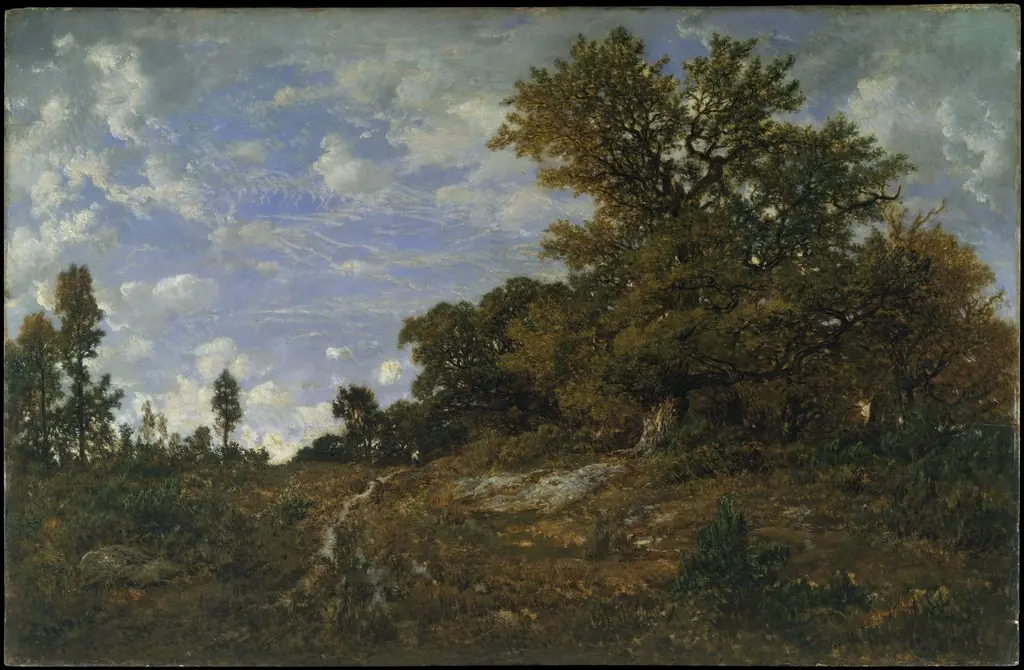 The Edge of the Woods at Monts-Girard, Fontainebleau Forest
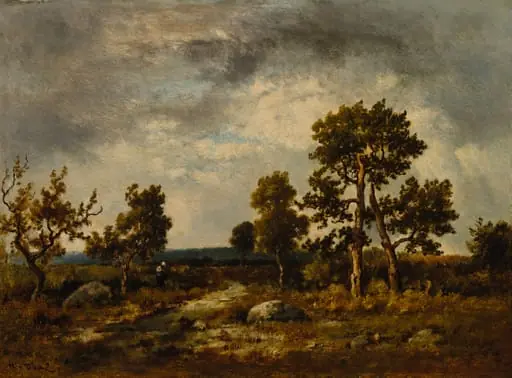 Path Near the Pond of Vipers, Fontainebleau Forest
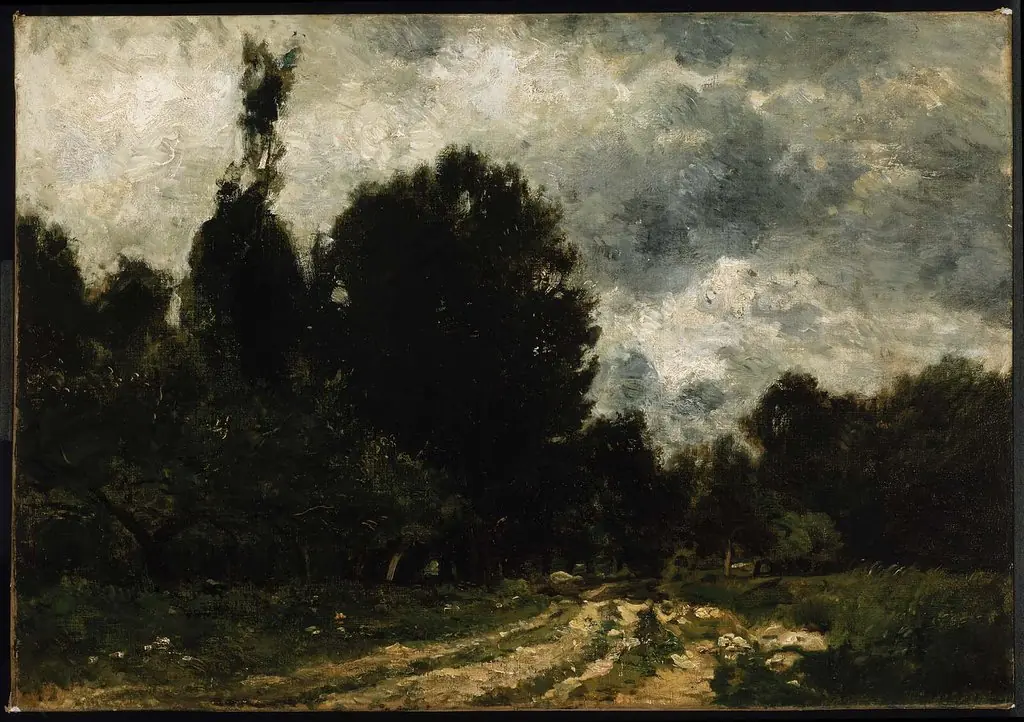 Road through the Forest
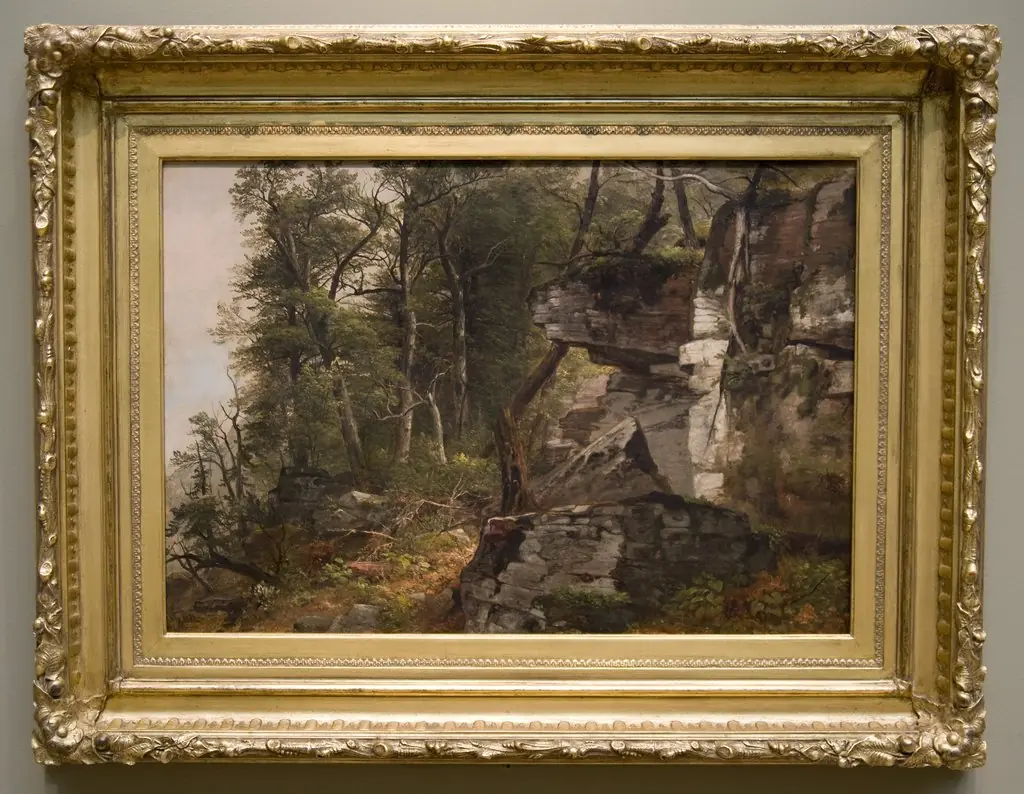 Trees on a Rocky Hillside
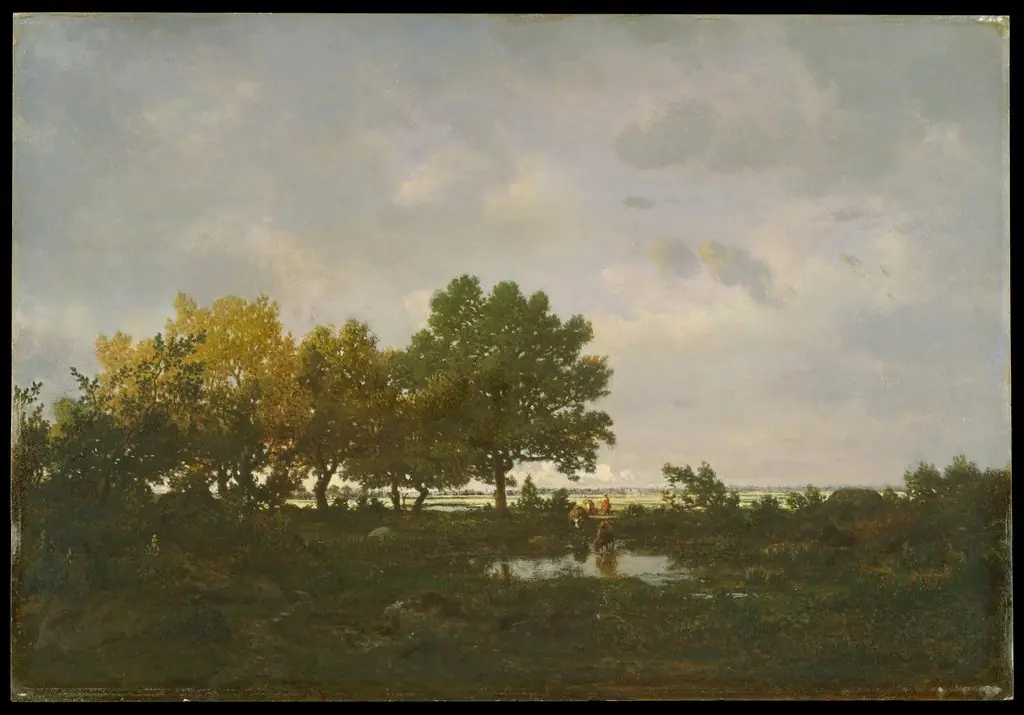 The Pond (La Mare)
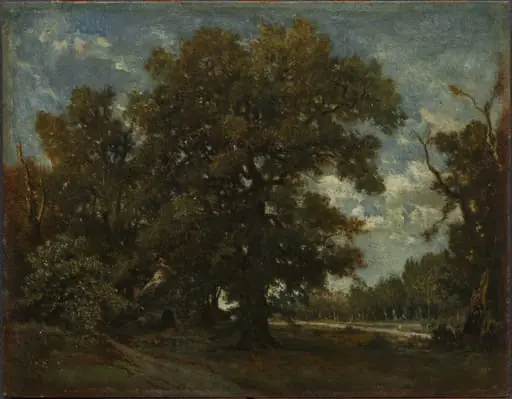 The Oak Tree
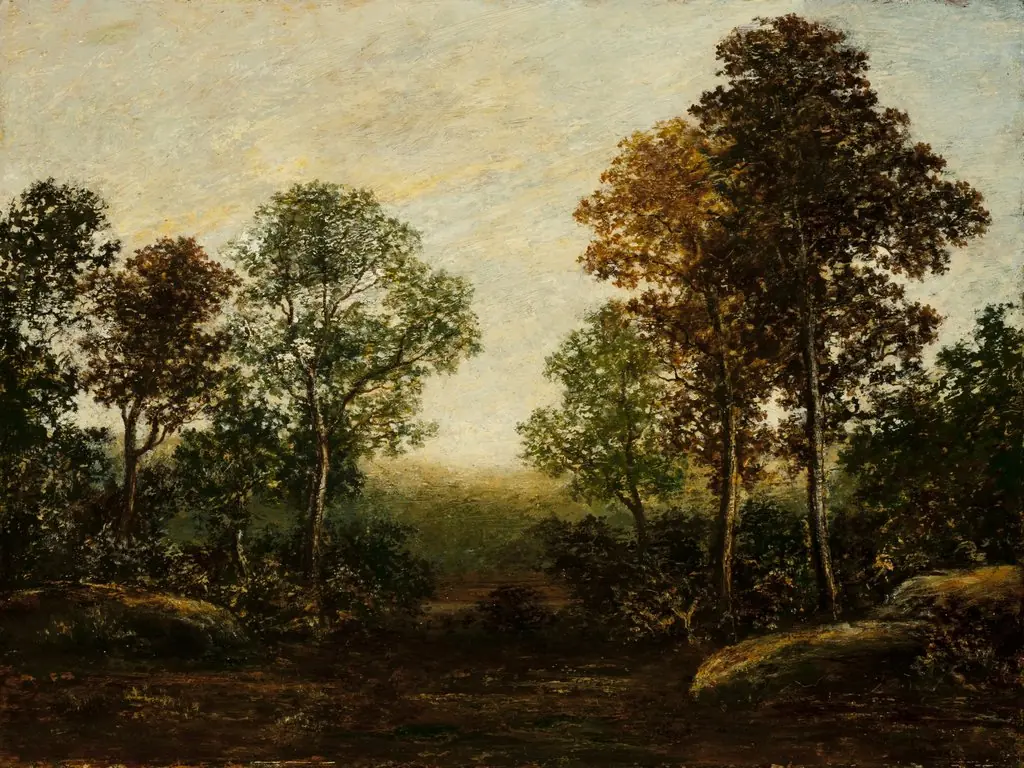 Landscape with Trees
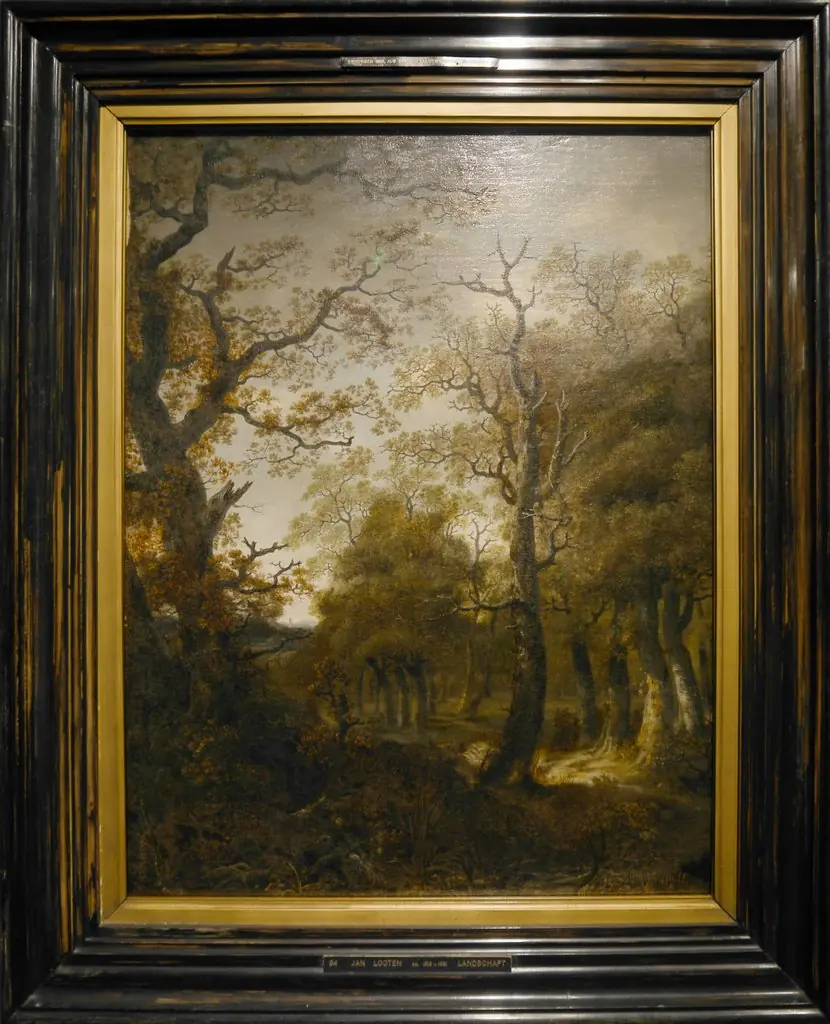 Landschaft
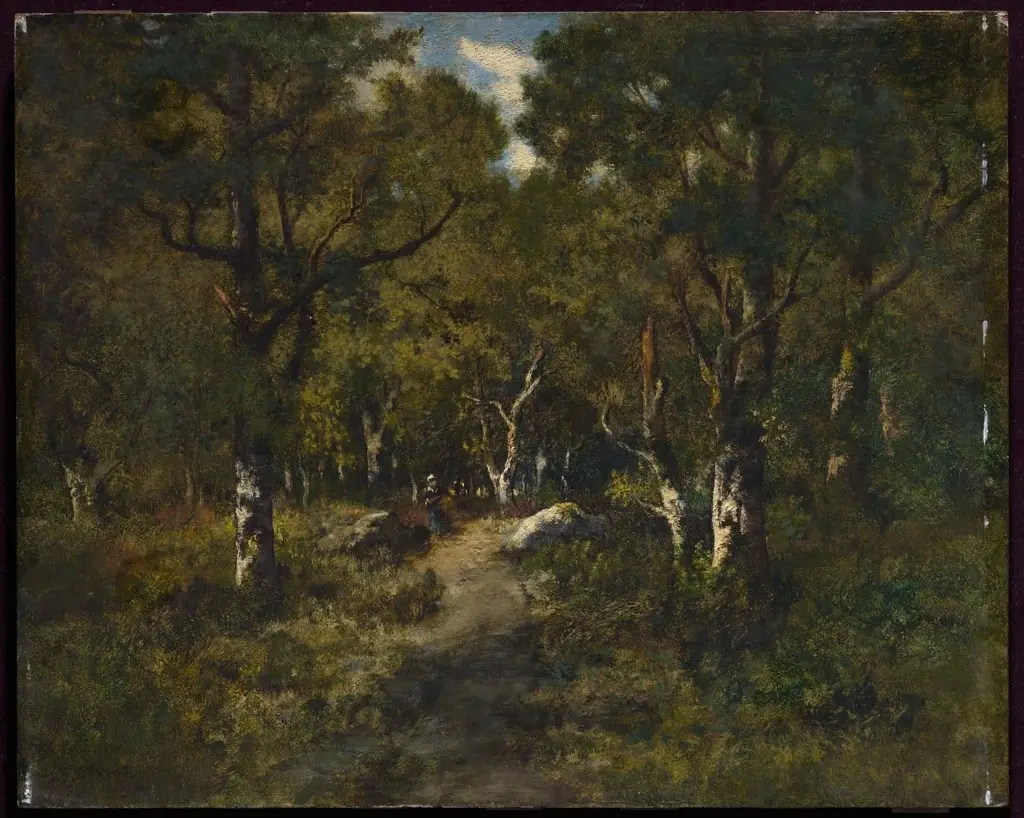 Path through the Forest near Fontainebleau
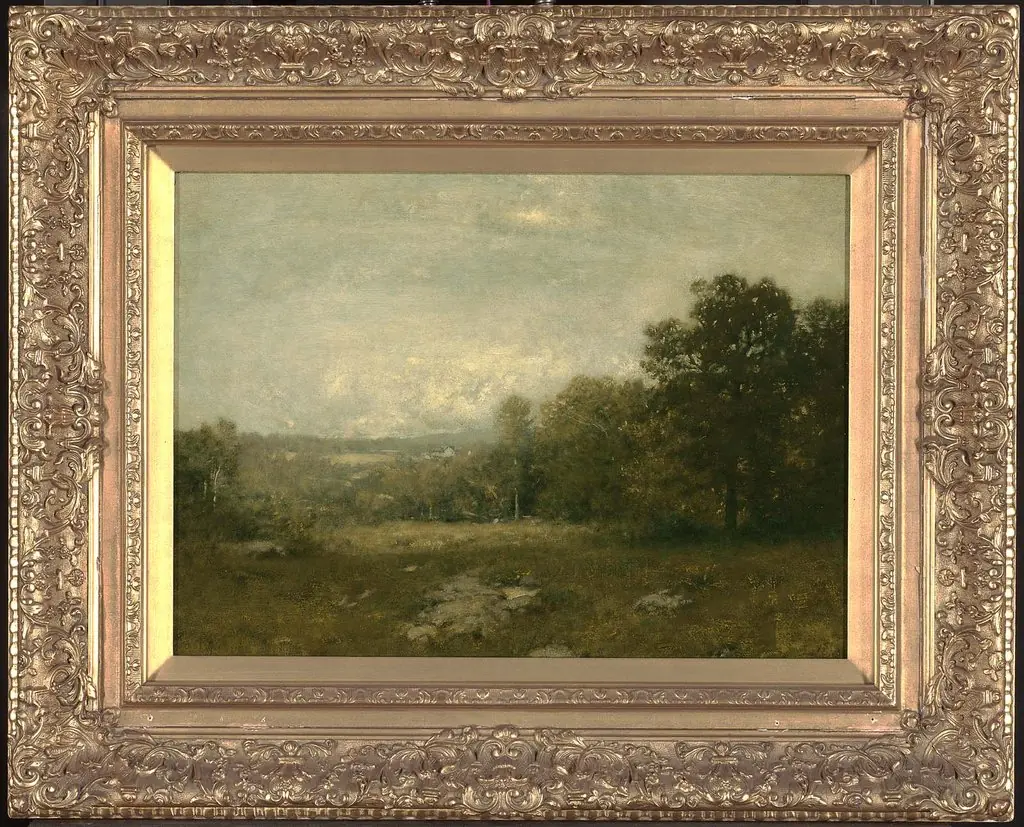 A Gray Day
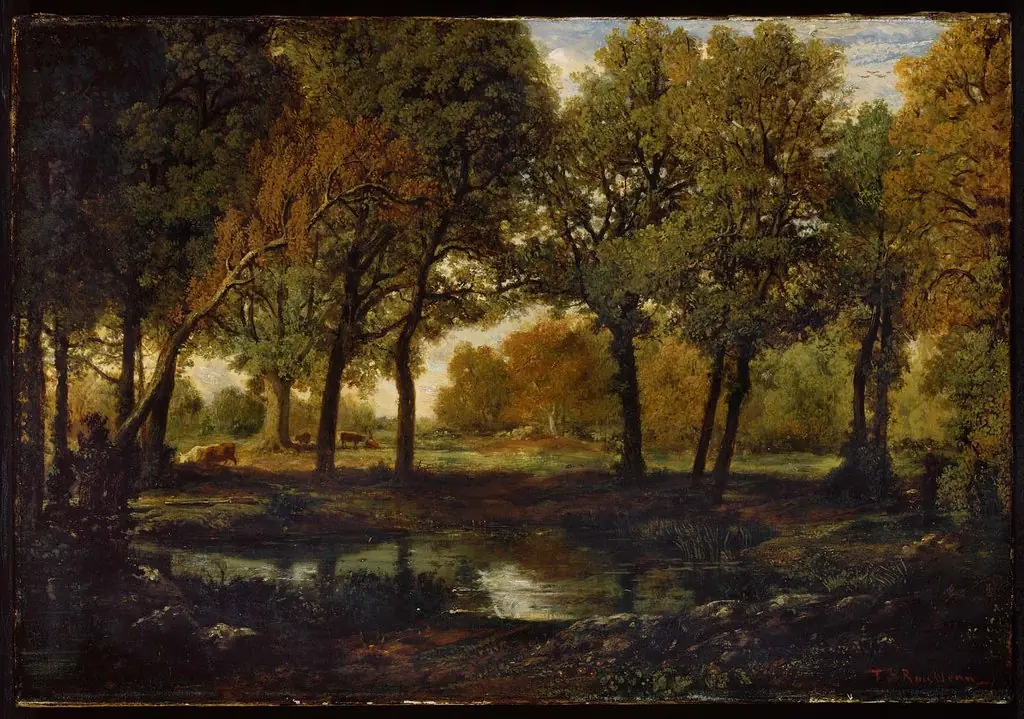 Pool in the Forest