Artwork
The Loing at Saint-Mammès
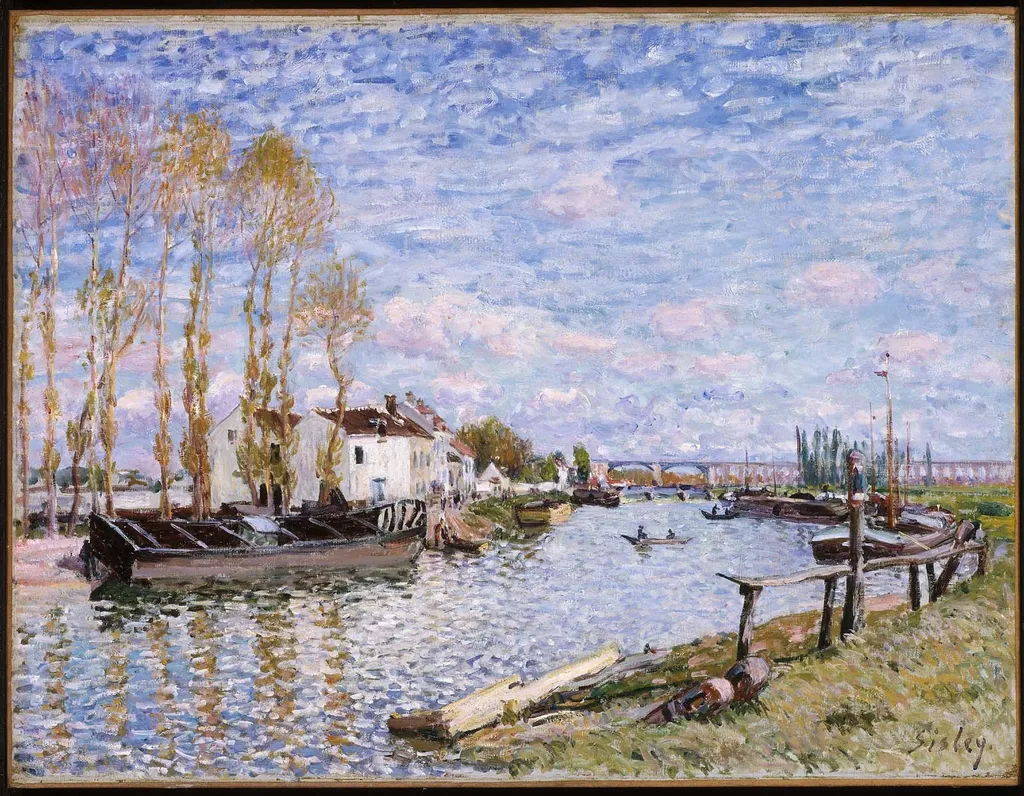
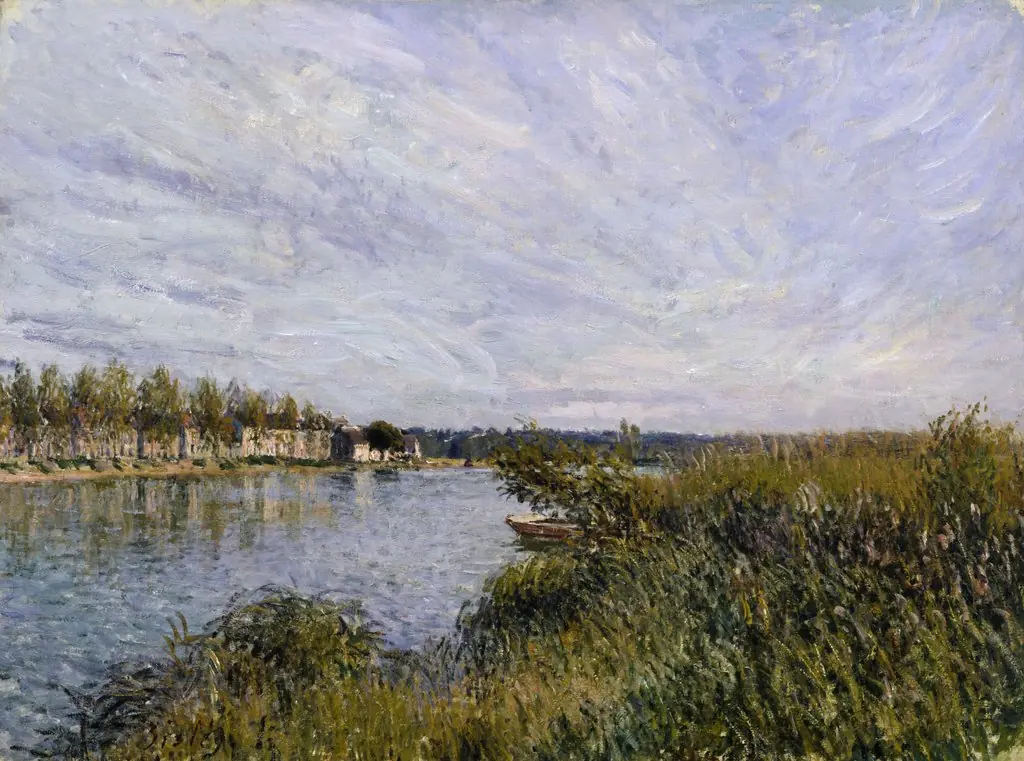
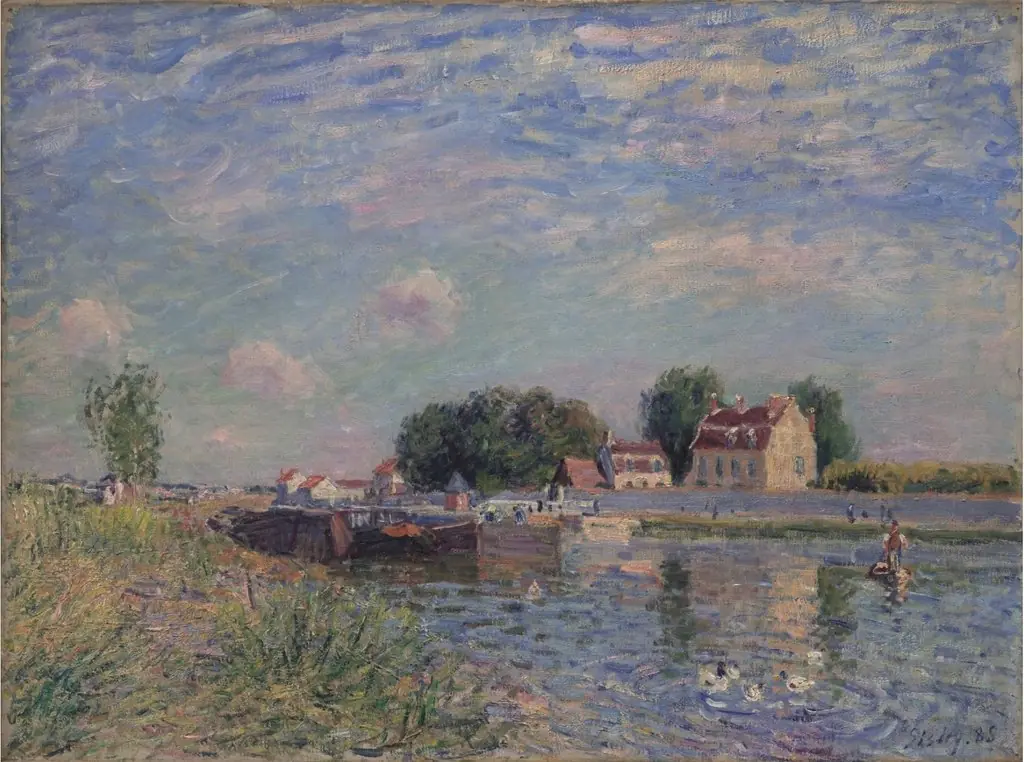
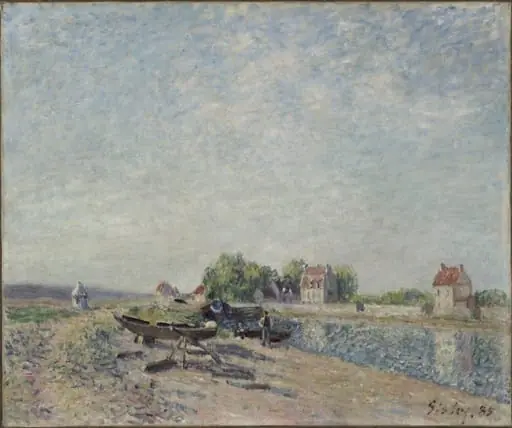
The Loing at Saint-Mammès is an oil painting by the Impressionist artist Alfred Sisley. It dates from 1892 and is held in the collection of the Museum of Fine Arts Boston.
About this work
Overview
Painted in 1892, *The Loing at Saint-Mammès* is an oil on canvas landscape by Alfred Sisley, a British-born artist who lived and worked primarily in France.
Painted in 1892, *The Loing at Saint-Mammès* is an oil on canvas landscape by Alfred Sisley, a British-born artist who lived and worked primarily in France. It captures a quiet stretch of the Loing River near the village of Saint-Mammès, reflecting Sisley’s lifelong commitment to depicting rural French scenery. The work is part of the Museum of Fine Arts, Boston’s collection and exemplifies his consistent focus on natural light and atmospheric conditions.
Subject & Meaning
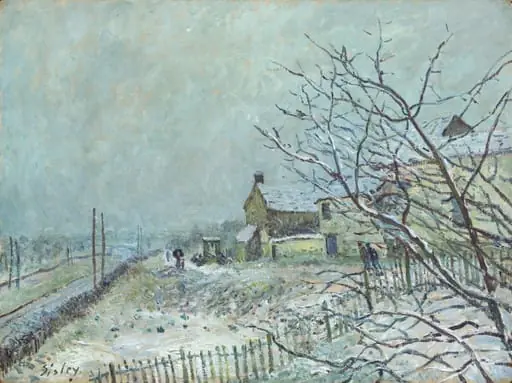
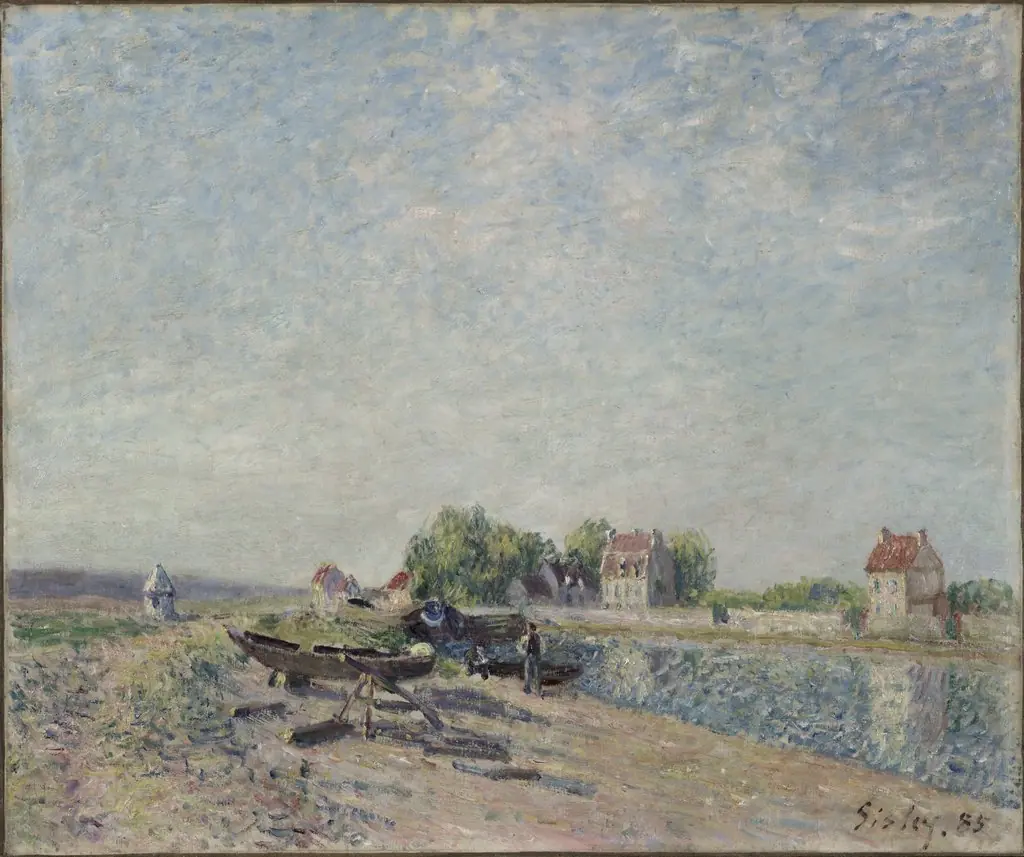
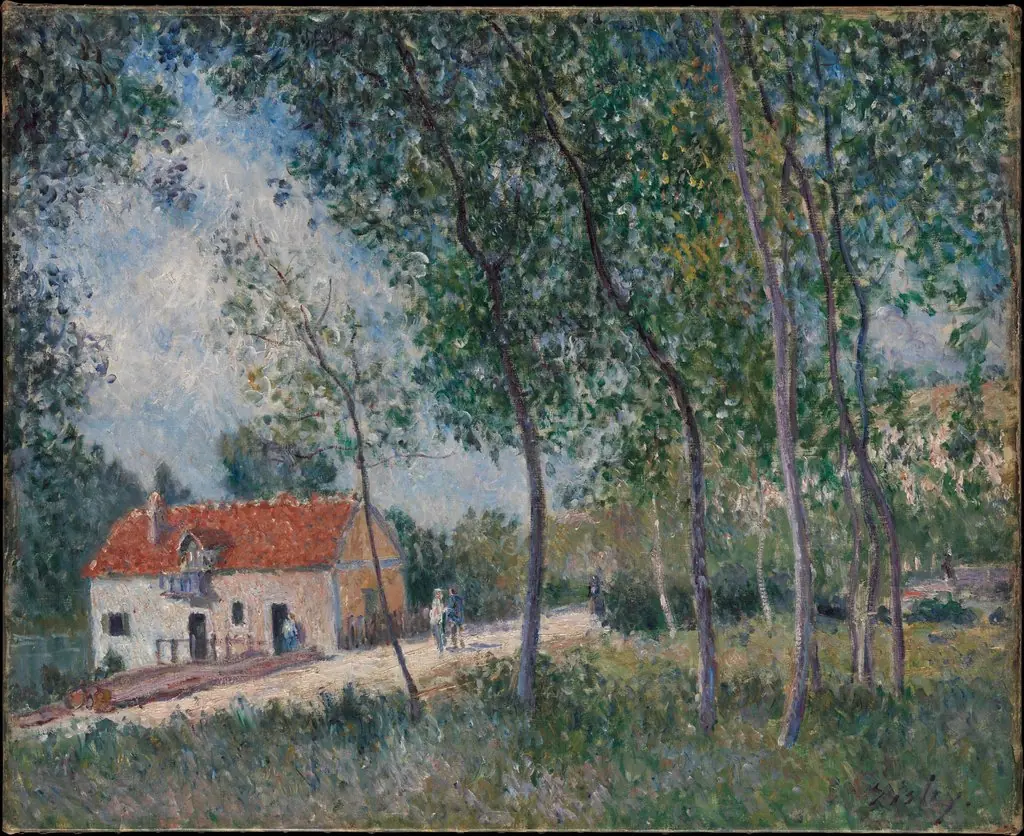
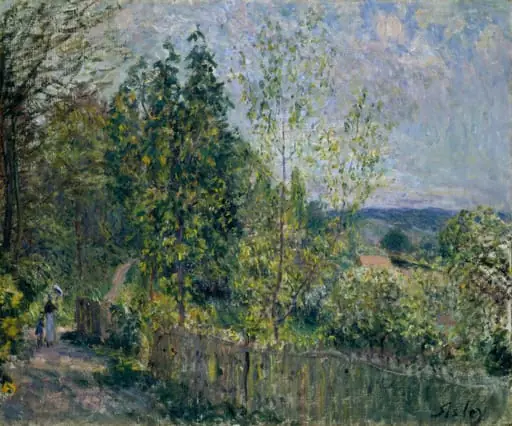
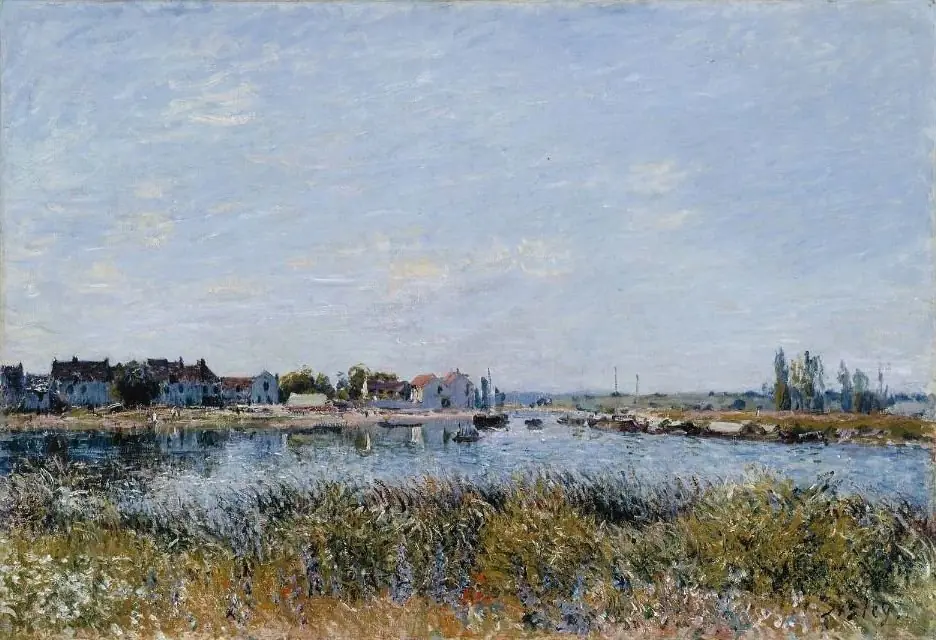
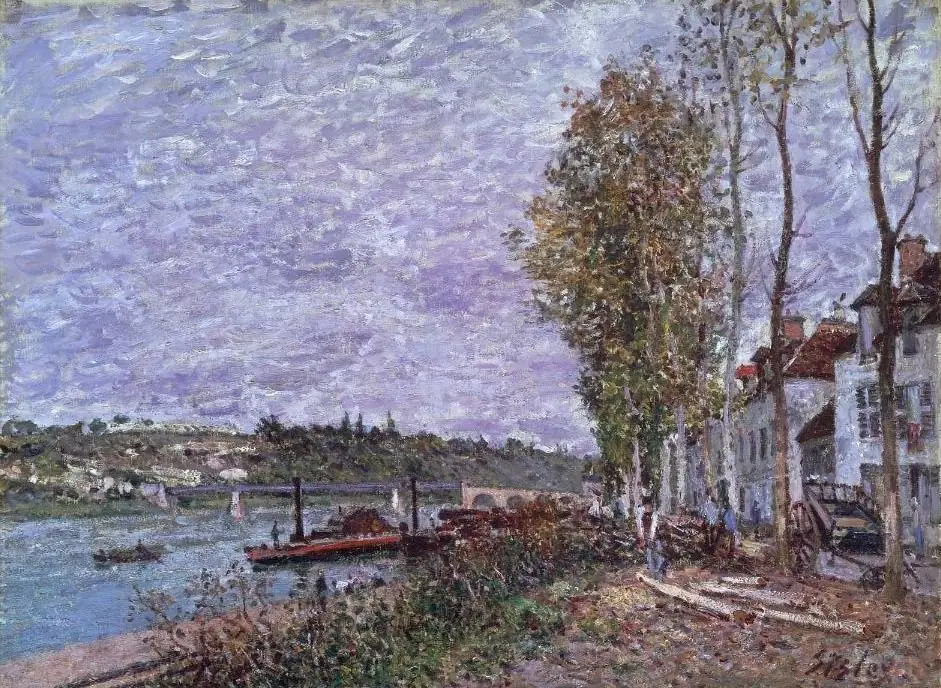
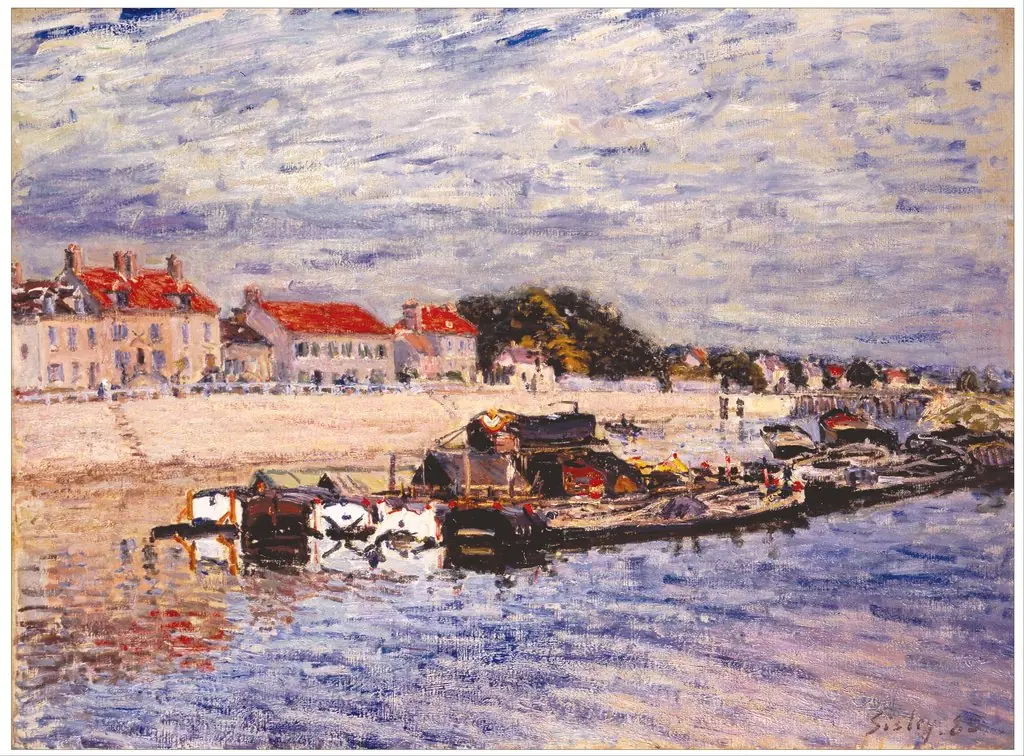
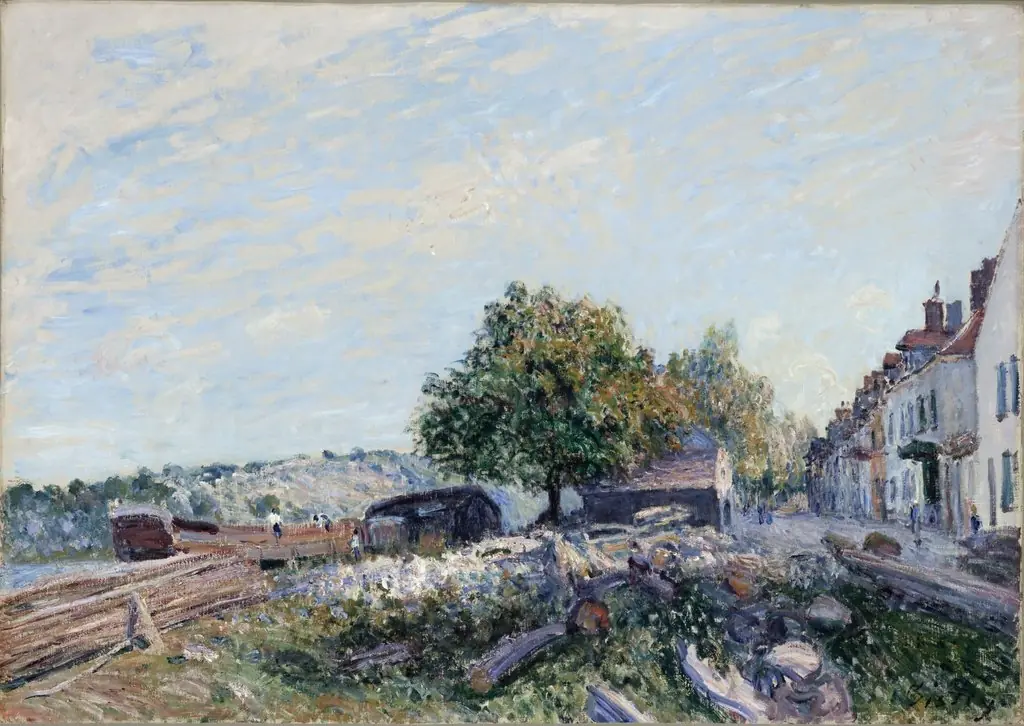
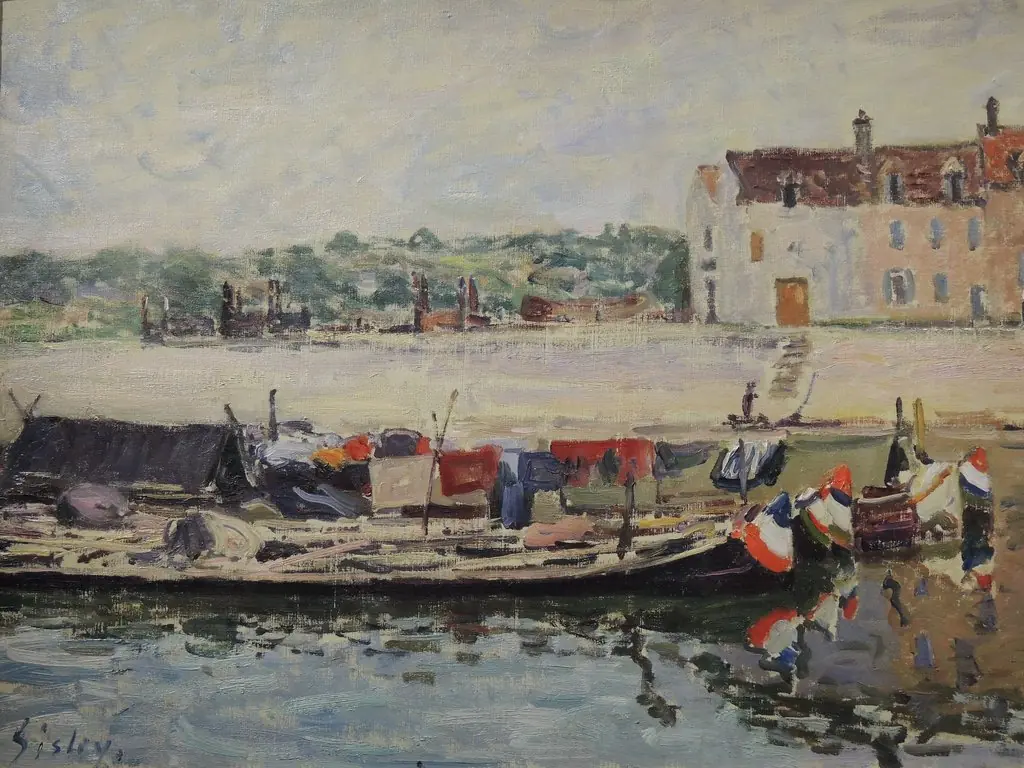
The painting presents a tranquil riverside scene with gently drifting water, a wooden dock, and a few small boats moored near the bank. Trees and modest buildings frame the horizon, while logs rest on the grassy shore and a low fence traces the water’s edge. There is no human activity beyond the presence of the boats, emphasizing stillness and solitude. The scene conveys quietude rather than narrative, inviting contemplation of everyday rural life.
Technique & Style
Sisley applied thin, fluid layers of oil paint with delicate brushwork, allowing subtle shifts in color to suggest light and movement. The sky, rendered in pale blues and soft whites, blends seamlessly with the water’s reflections. Greens and browns in the foliage and earth are muted, avoiding sharp contrasts. His method prioritizes optical harmony over detail, aligning with Impressionist principles of capturing transient atmospheric effects through direct observation.
History & Provenance
Created during Sisley’s later years, the painting reflects his continued dedication to plein air painting despite financial hardship and limited recognition. It remained in private hands until acquired by the Museum of Fine Arts, Boston, where it entered the collection as part of a broader effort to represent key Impressionist landscapes. Its provenance traces back to French collectors who supported Sisley’s work during his lifetime.
Context
In the 1890s, Sisley was among the few remaining artists committed to pure landscape painting within the Impressionist circle, as others turned toward urban or figurative subjects. The Loing River, a tributary of the Seine, was a favored motif for him, offering quiet, unspoiled views. This work aligns with his broader practice of returning to familiar rural sites, documenting seasonal and temporal changes with quiet consistency.
Legacy
Though Sisley received little acclaim during his lifetime, his landscapes like this one are now recognized for their refined sensitivity to light and composition. *The Loing at Saint-Mammès* exemplifies his restrained approach, distinguishing him from more dramatic contemporaries. Today, it contributes to scholarly understanding of Impressionism’s quieter, contemplative strand, valued for its emotional restraint and technical subtlety.
Artist & collection
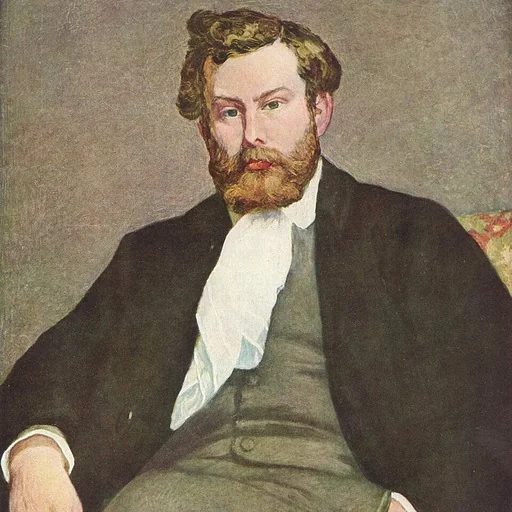
Artist
Alfred Sisley (; French: ; 30 October 1839–29 January 1899) was a French-Born British Impressionist landscape painter who was born to British parents, but spent most of his life in France.