Artwork
Design for a Decorative Panel
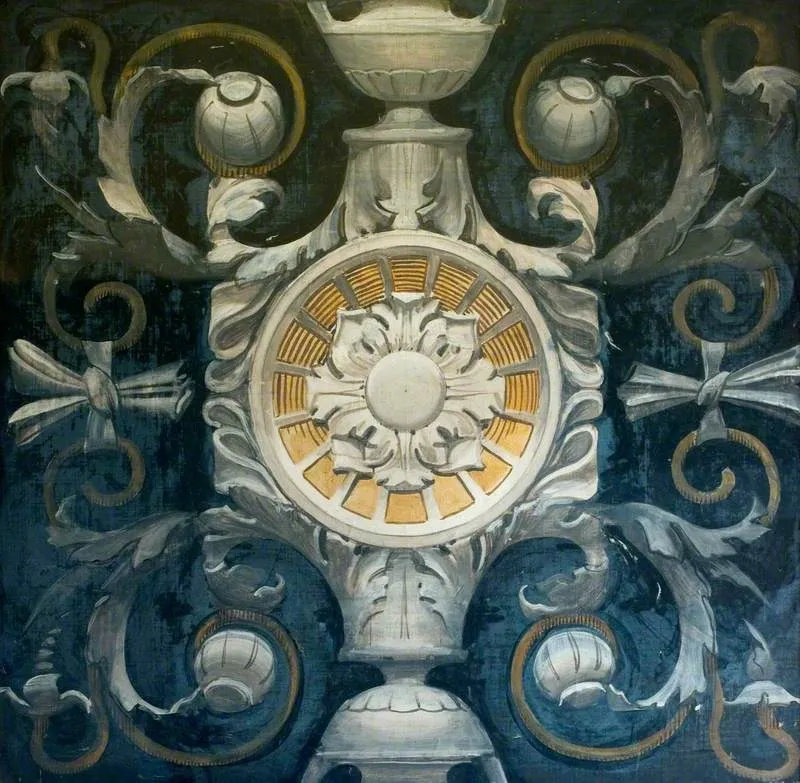
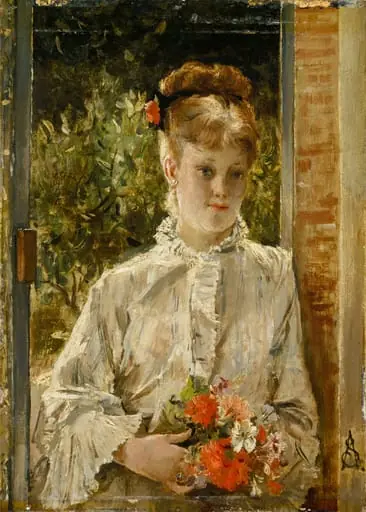
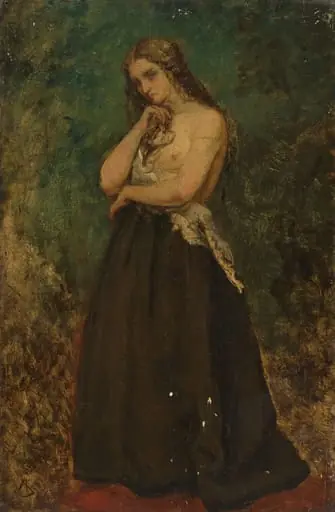
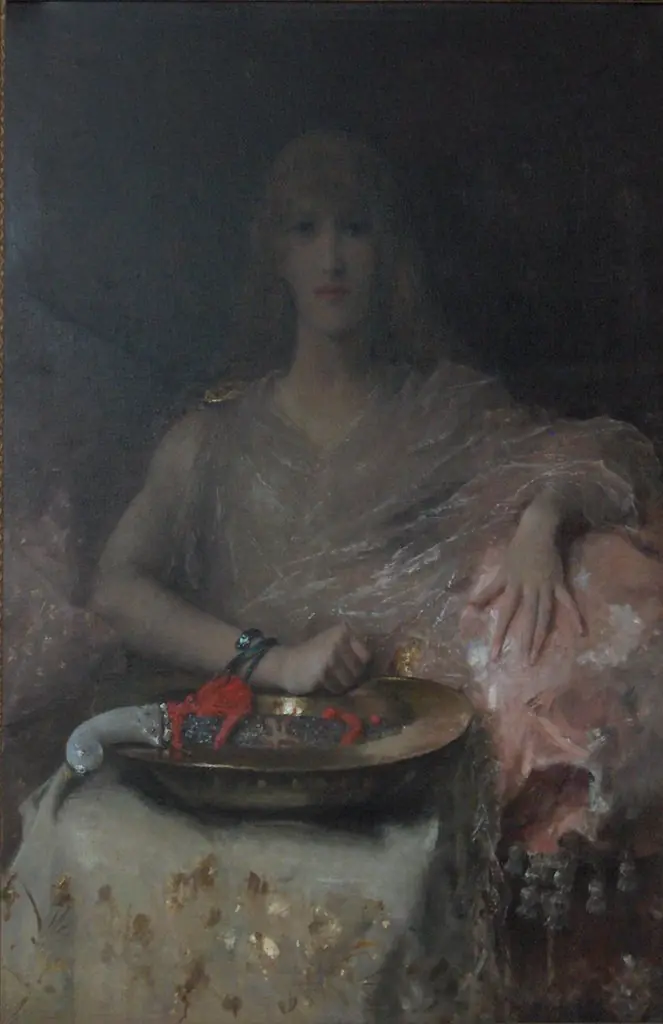
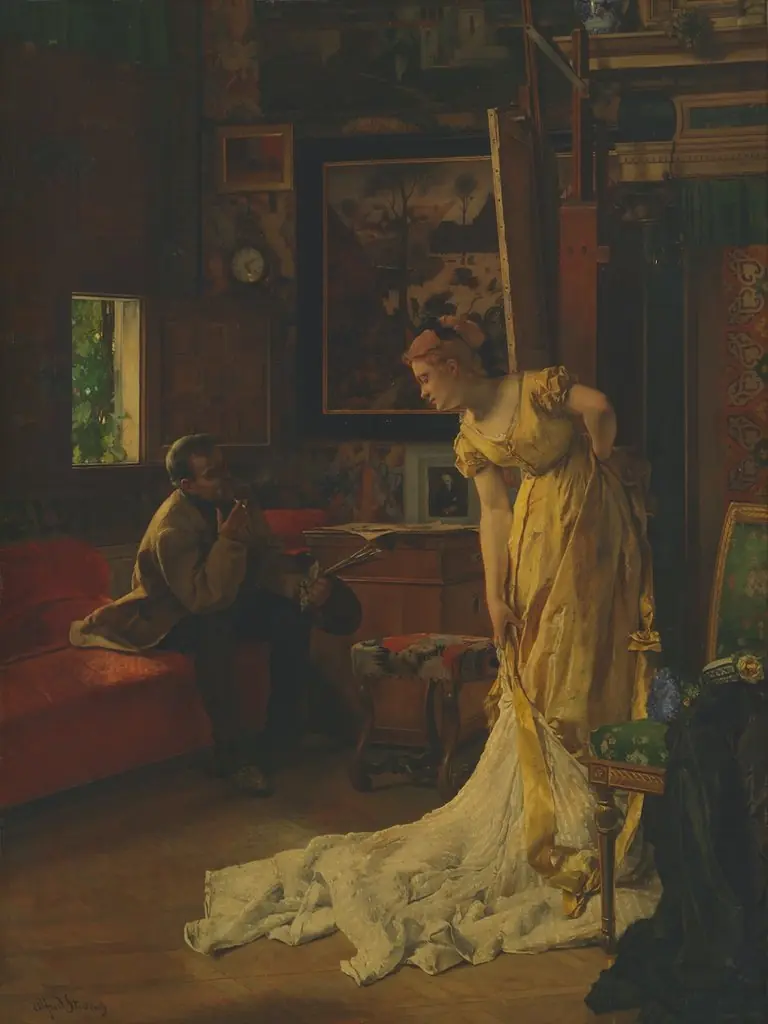
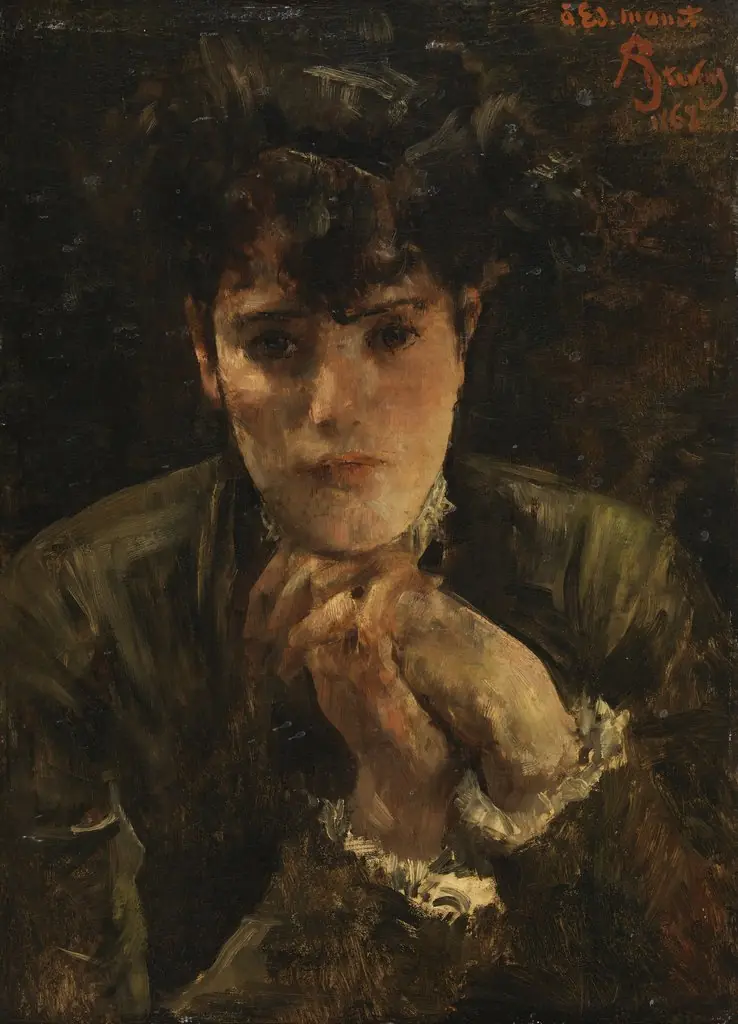
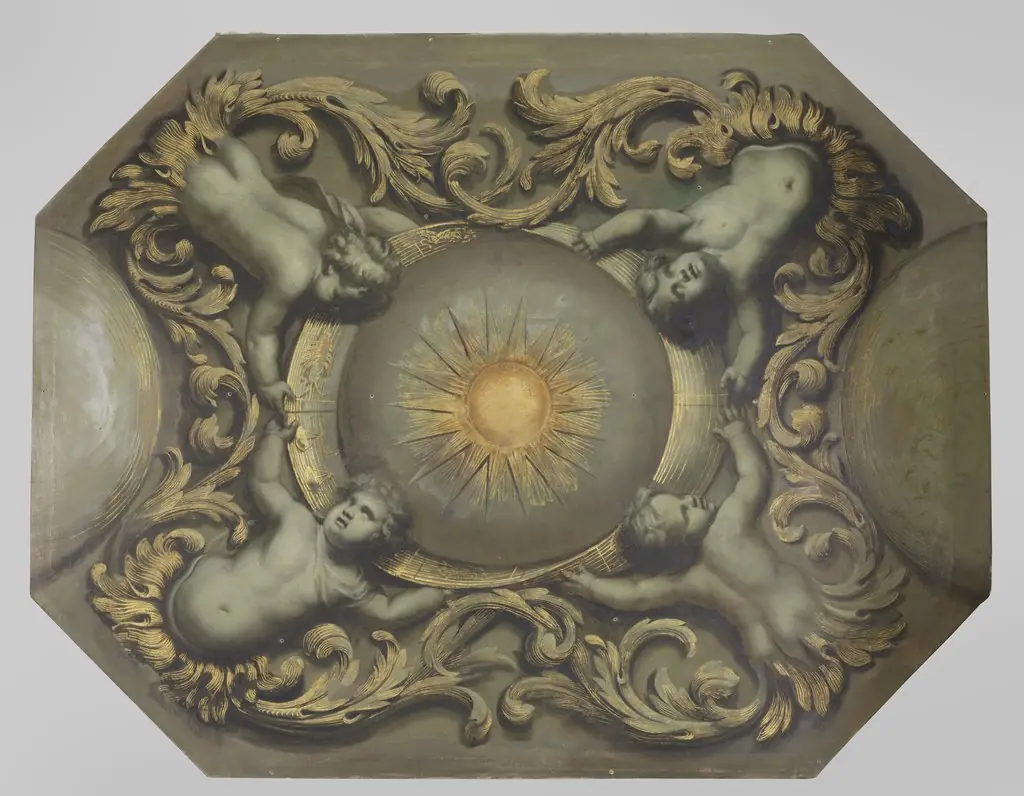
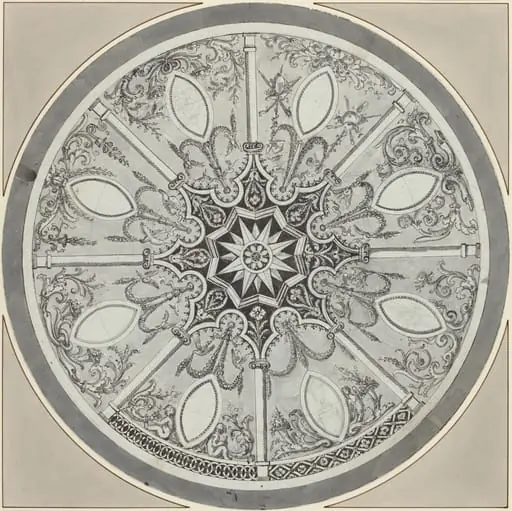
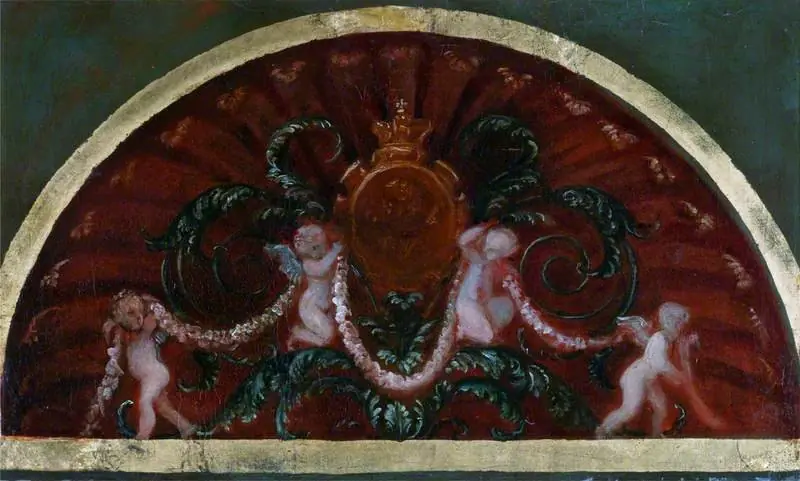
Design for a Decorative Panel is an oil painting by Alfred Stevens. It dates from 1873 and is held in the collection of the Victoria and Albert Museum.
About this work
Overview
The work exemplifies his technical precision and engagement with decorative arts, bridging fine painting and interior design trends of the era.
Created circa 1873, this oil painting by Belgian artist Alfred Stevens was conceived as a preparatory design for a decorative panel. Executed during his years in Paris, it reflects his transition from social realism to refined depictions of urban bourgeois life. The work exemplifies his technical precision and engagement with decorative arts, bridging fine painting and interior design trends of the era.
Subject & Meaning
The panel design centers on an elegant woman, rendered with quiet composure, embodying the cultivated refinement of Parisian upper-middle-class women. Stevens avoids narrative drama, instead emphasizing poise and atmosphere. The subject’s presence suggests an idealized domestic tranquility, aligning with contemporary tastes for art that elevated everyday elegance without overt sentimentality.
Technique & Style
Stevens employed oil paint with meticulous brushwork, achieving a smooth, polished surface reminiscent of 17th-century Dutch genre painters. His attention to texture—fabric, skin, and ambient light—demonstrates a commitment to realism, yet the composition remains stylized for decorative harmony. The palette is restrained, favoring muted tones that enhance the work’s quiet sophistication.
History & Provenance
The painting emerged during Stevens’s most successful period, following his shift from earlier social themes to scenes of bourgeois leisure. It was likely intended for private commission or exhibition as a standalone work, reflecting the growing market for decorative art among Parisian collectors. Its survival as an independent piece suggests it was valued beyond its original functional purpose.
Context
In 1870s Paris, decorative arts flourished alongside the rise of interior design as a cultural pursuit. Stevens’s work responded to this trend, merging fine painting with applied aesthetics. His focus on modern women echoed broader societal interest in domesticity and gender roles, while his technique paid homage to Old Master traditions reinterpreted for contemporary sensibilities.
Legacy
Though less known today than his contemporaries, Stevens’s decorative panels influenced later artists exploring the boundary between painting and design. His synthesis of realism and elegance contributed to the broader 19th-century reevaluation of genre painting as a vehicle for refined, non-narrative expression, leaving a subtle but discernible mark on decorative art practices.
Artist & collection
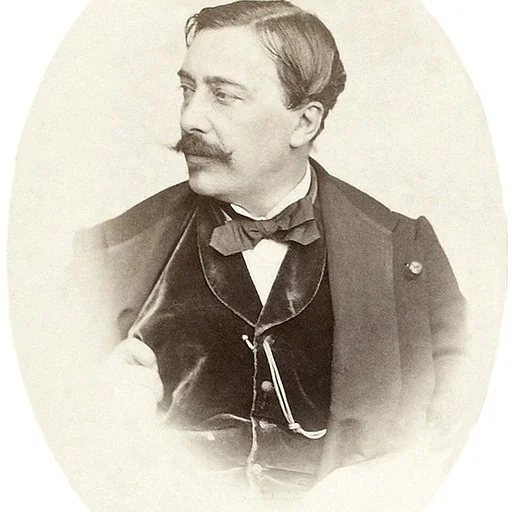
Artist
Alfred Émile Léopold Stevens (11 May 1823 – 24 August 1906) was a Belgian painter, known for his paintings of elegant modern women.