Artwork
After the Ball
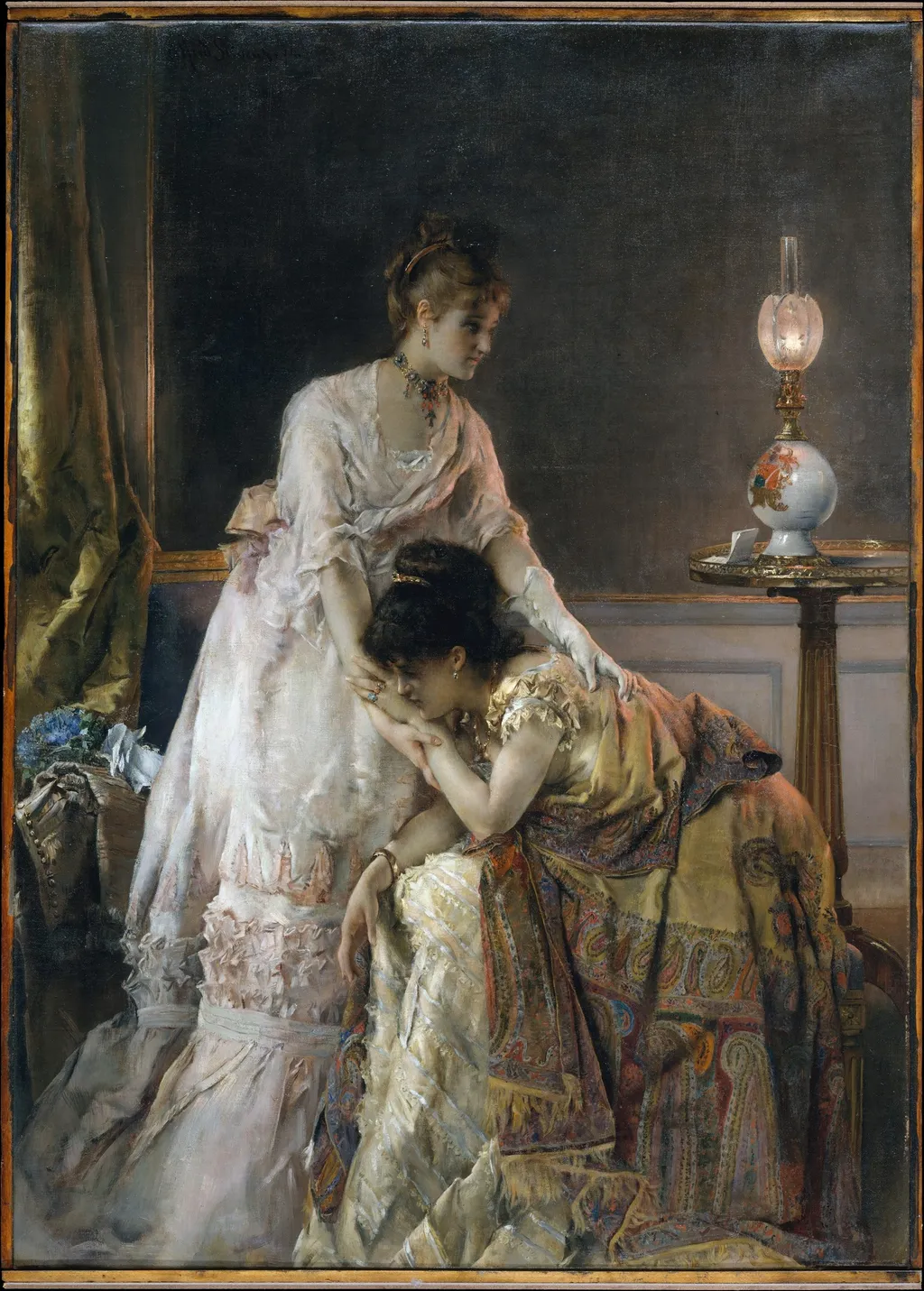
After the Ball is an oil painting by the Impressionist artist Alfred Stevens. It dates from 1874 and is held in the collection of the Metropolitan Museum of Art.
About this work
Overview
Alfred Stevens, a Belgian artist who worked in Paris during the late nineteenth century, painted *After the Ball* in 1874. Executed in oil, the work belongs to a series in which Stevens explored the lives of fashionable, modern women. The painting is part of the Metropolitan Museum of Art’s collection.
Subject & Meaning
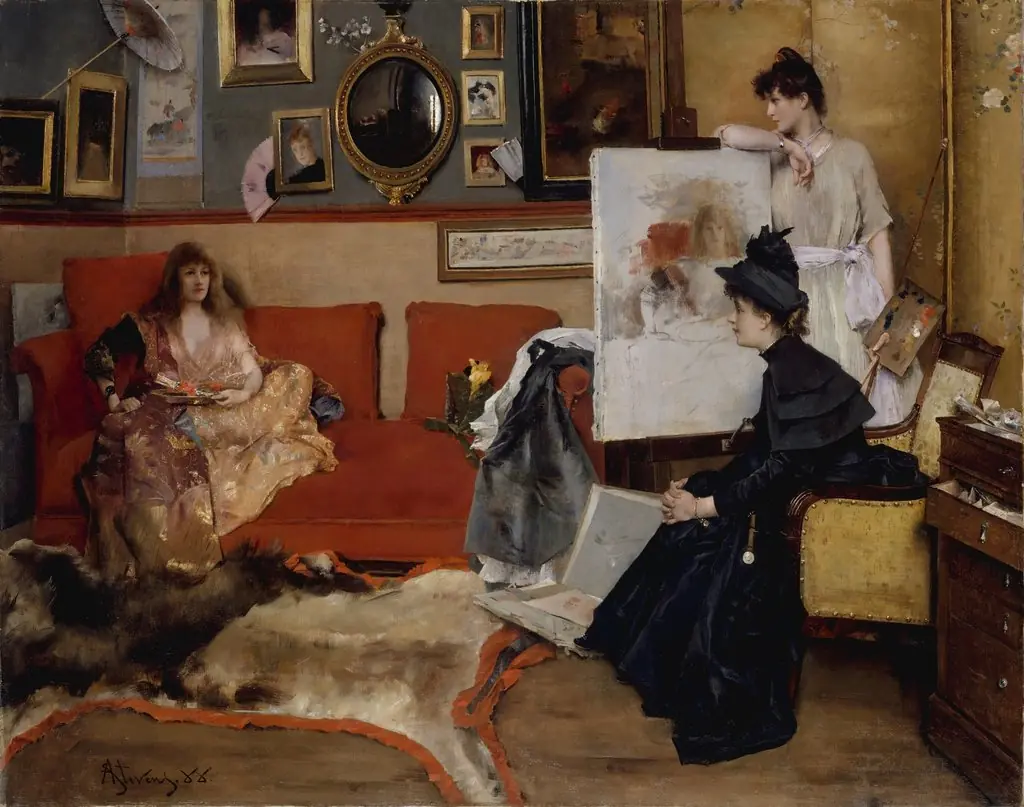
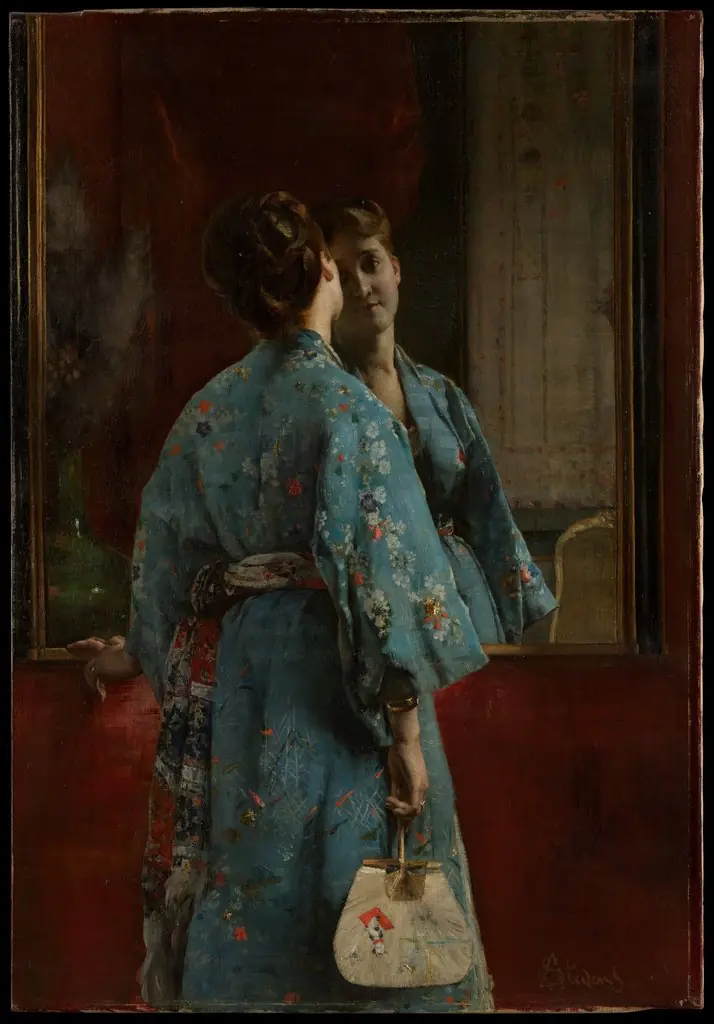
The scene depicts two women inside a dimly lit interior after a social gathering. The standing figure, dressed in a pale, flowing gown and a necklace, gazes downward at the kneeling woman, who wears a richly patterned costume and rests a hand on the other's shoulder. The intimate pose suggests a private moment of care or conversation following the event.
Technique & Style
Stevens employs a polished realist approach, recalling the compositional clarity of seventeenth‑century Dutch genre paintings. Thick impasto is evident on the patterned dress, creating tactile surface texture, while softer brushwork renders the faces and hands. A frosted‑shade lamp on a side table supplies a gentle, focused illumination that leaves the surrounding room in shadow.
History & Provenance
Created in 1874, *After the Ball* entered the collection of the Metropolitan Museum of Art, where it remains on view. Its acquisition reflects the museum’s interest in nineteenth‑century European paintings that document urban middle‑class life.
Artist & collection
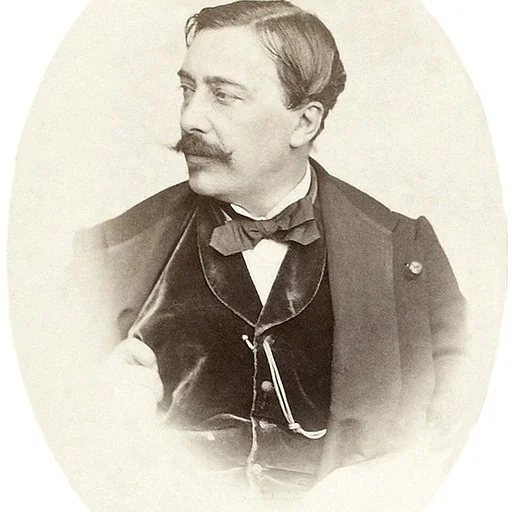
Artist
Alfred Émile Léopold Stevens (11 May 1823 – 24 August 1906) was a Belgian painter, known for his paintings of elegant modern women.