Artwork
Reynard the Fox: The Benediction Given to Reynard
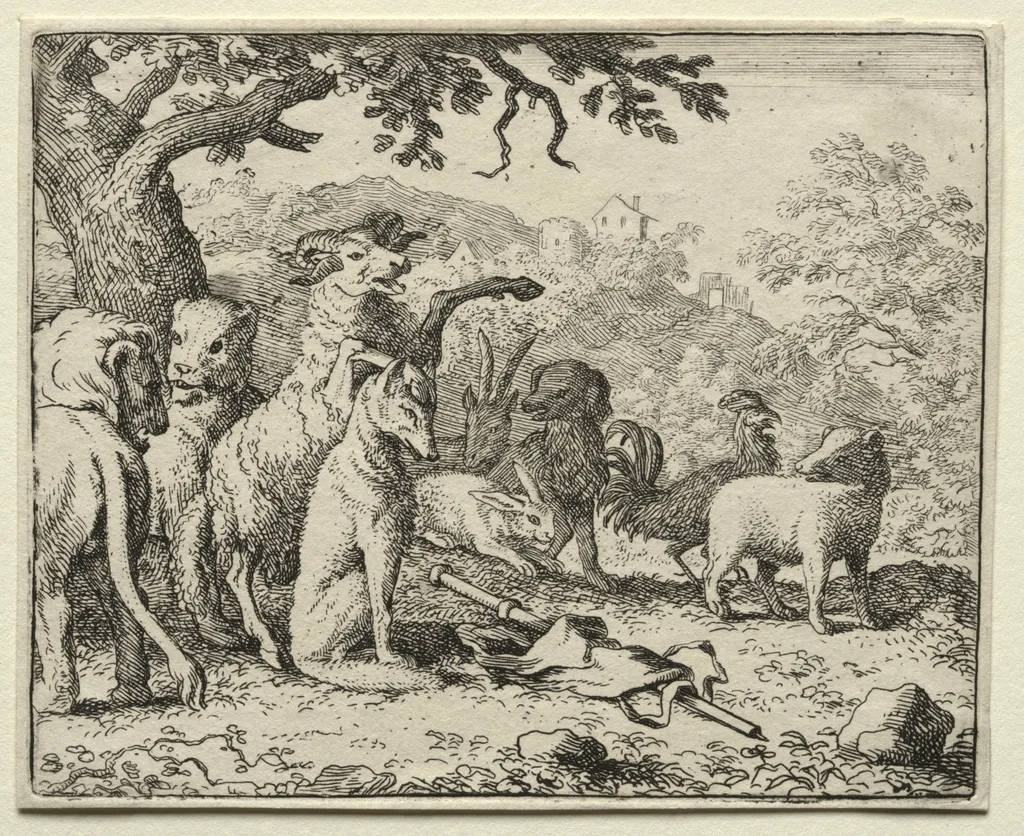
Reynard the Fox: The Benediction Given to Reynard is a print by the Baroque artist Allart van Everdingen. It dates from 1662 and is held in the collection of the Cleveland Museum of Art.
About this work
Overview
Reynard the Fox: The Benediction Given to Reynard is a 1662 etching by Dutch Golden Age artist Allart van Everdingen, depicting a scene from the medieval Reynard cycle of European folklore.
Subject & Meaning
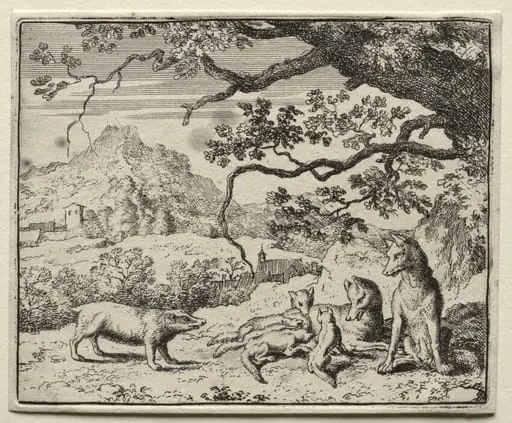
The etching shows Reynard, a fox, standing on hind legs in a human-like pose, leading a gathering of animals (rabbits, a goat, and a dog) in a serene forest setting, implying a moment of leadership or instruction.
Technique & Style
Executed in black-and-white, the work showcases van Everdingen's etching skills, characteristic of Dutch Golden Age printmaking. The composition's emphasis on posture and grouping suggests a narrative depth, though the specific stylistic influences (e.g., Baroque elements of drama and movement) are not overtly pronounced in the described visual elements.
History & Provenance
Created in 1662, the piece is a product of the Dutch Golden Age, a period of prolific artistic activity in the Netherlands. Specific provenance details (ownership history) are not provided.
Context
The work contextualizes within the popular European folklore of the Reynard cycle and the broader artistic movements of the Dutch Golden Age. A suggested comparison with Baroque art hints at a broader artistic landscape, though the piece's style is more subdued in its described elements.
Legacy
The legacy of *Reynard the Fox: The Benediction Given to Reynard* lies in its representation of a beloved folklore subject through the printmaking techniques of the Dutch Golden Age, contributing to the period's rich cultural and artistic heritage.
Own this work as a print
Artist & collection
Artist
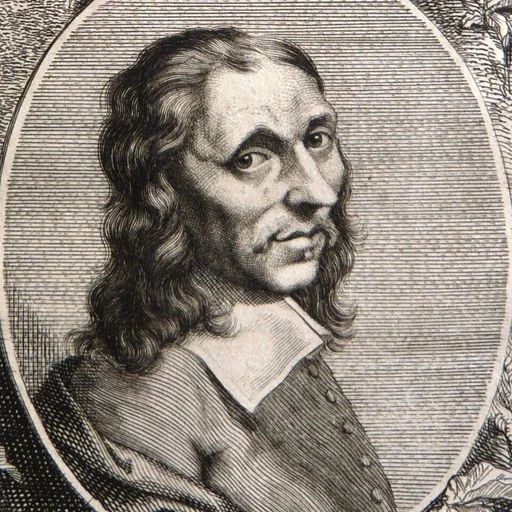
Allaert van Everdingen (Dutch pronunciation: ; bapt. 18 June 1621 – 8 November 1675 (buried)), was a Dutch Golden Age painter and printmaker in etching and mezzotint.


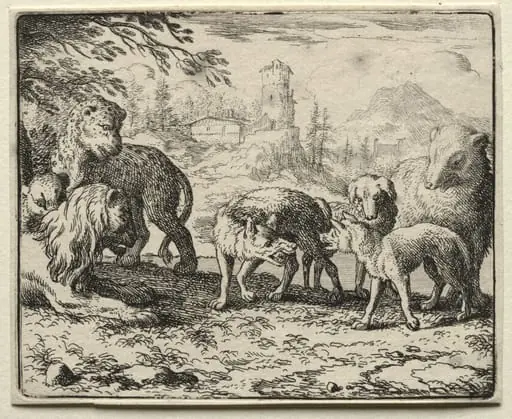 Reynard the Fox: The Condemnation of Reynard
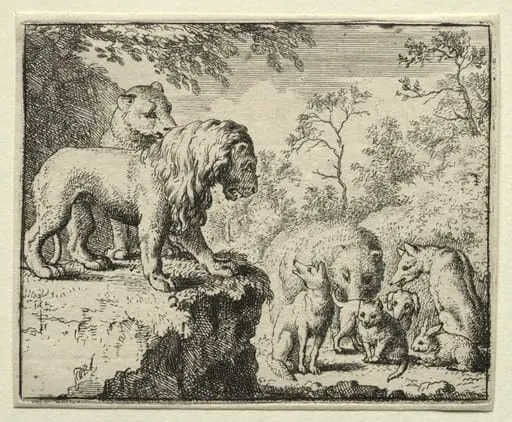 Reynard the Fox: The Pardon of Reynard
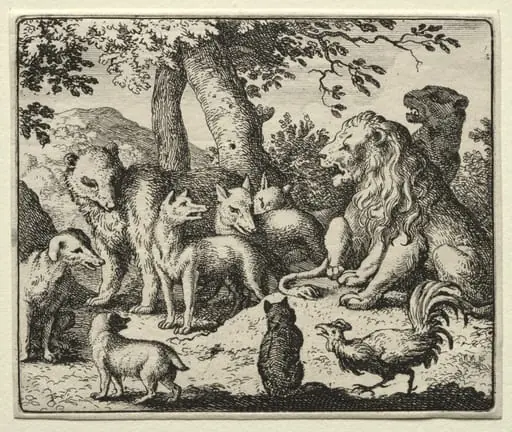 Reynard the Fox: Reynard Exonerates Himself
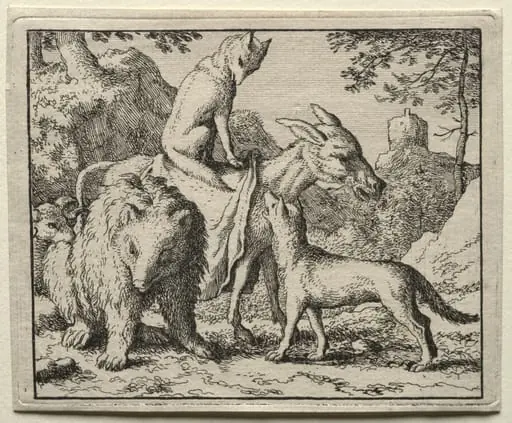 Reynard the Fox: Reynard and his Companions
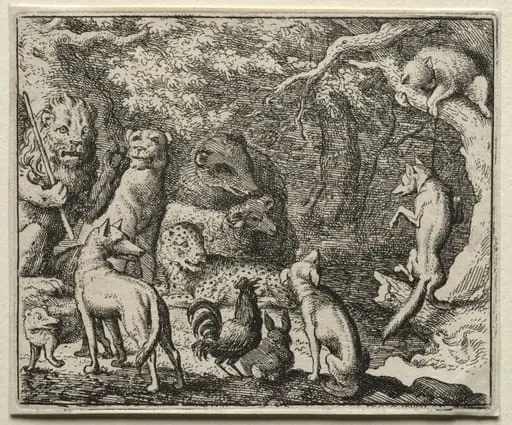 Reynard the Fox: Reynard Asks Permission to Confess
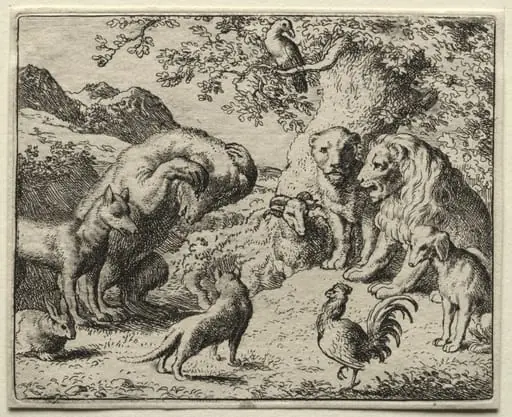 Reynard the Fox: The Complaint of the Bear
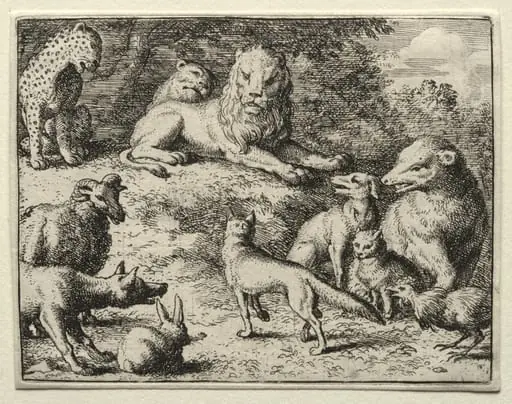 Reynard the Fox: Reynard Appears at Court
 Reynard the Fox: The Badger Calls Reynard to Court
 Reynard the Fox: The Disloyal Cat