Artwork
Swedish Landscape with a Water Mill
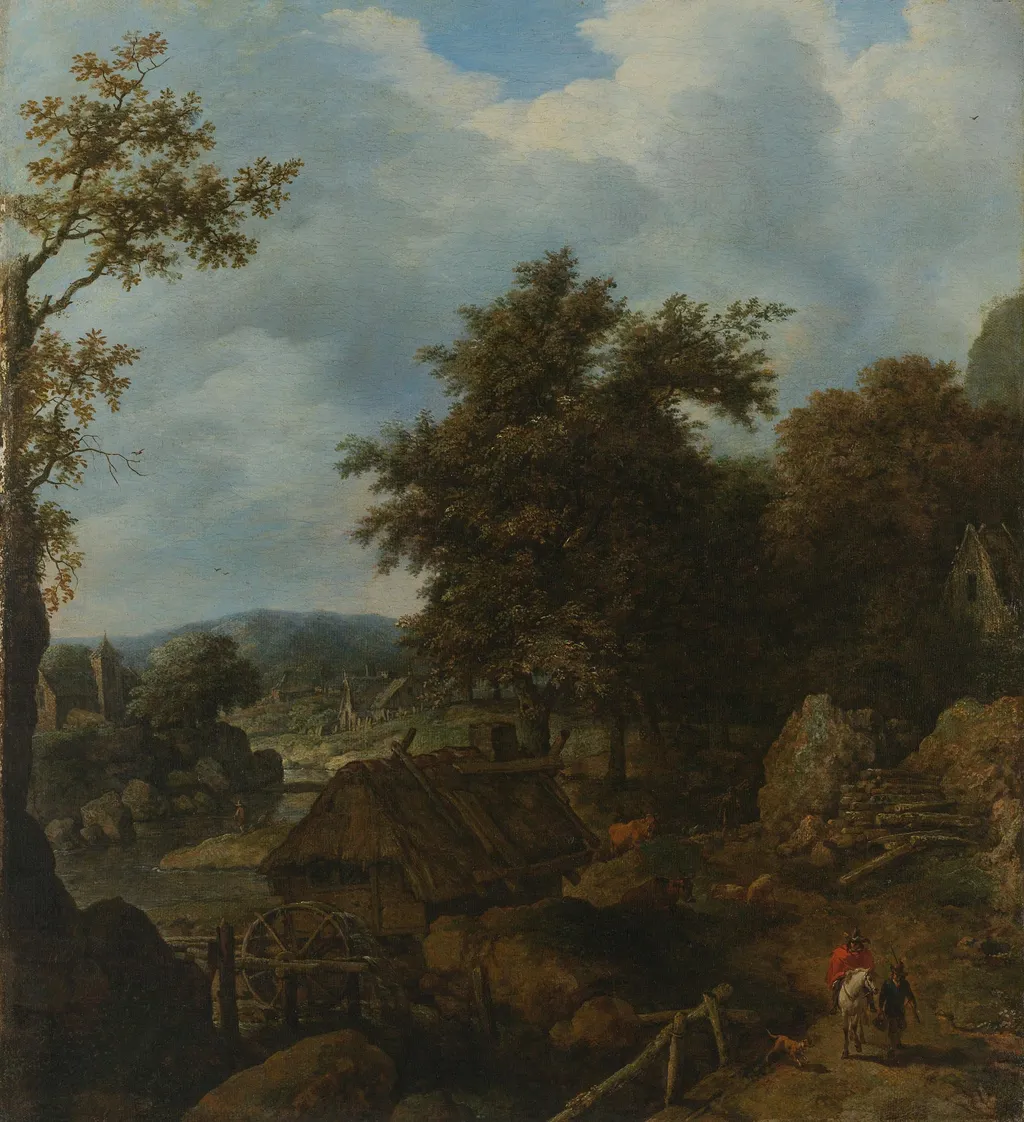
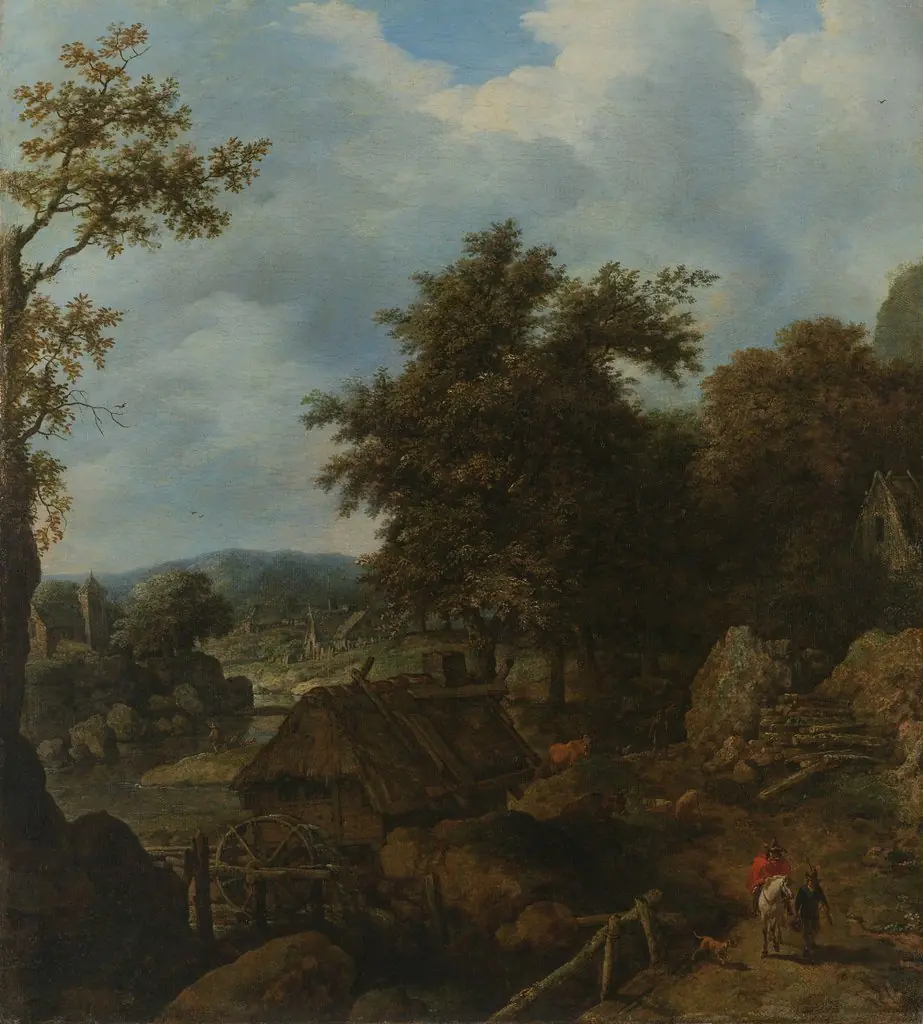
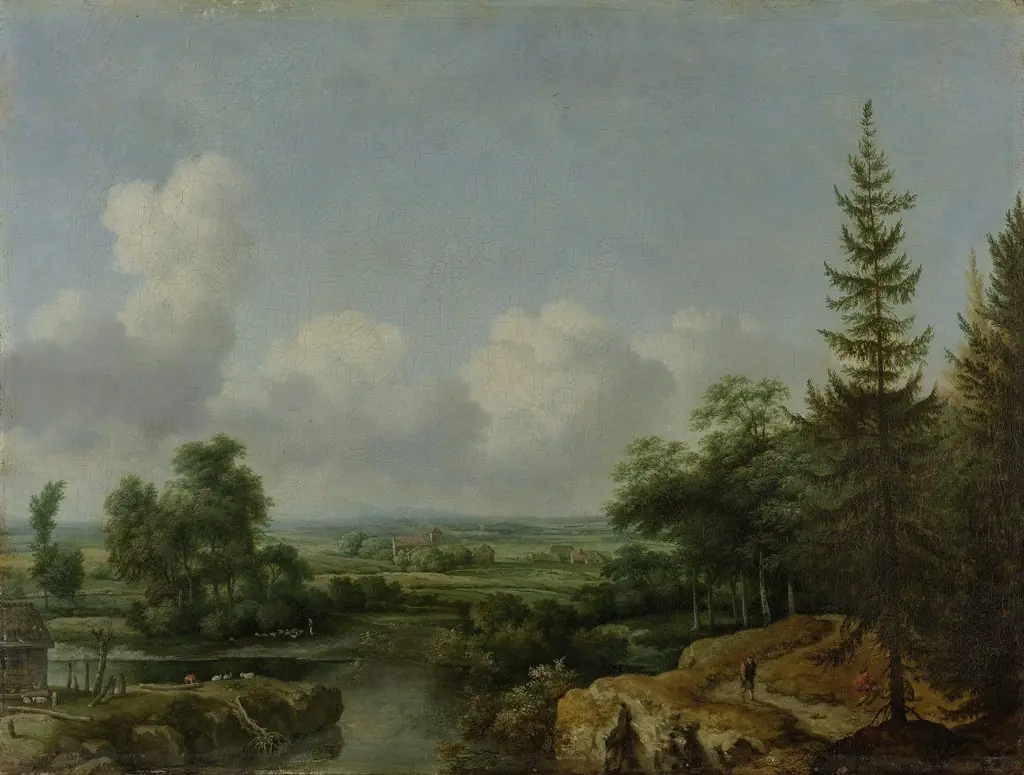
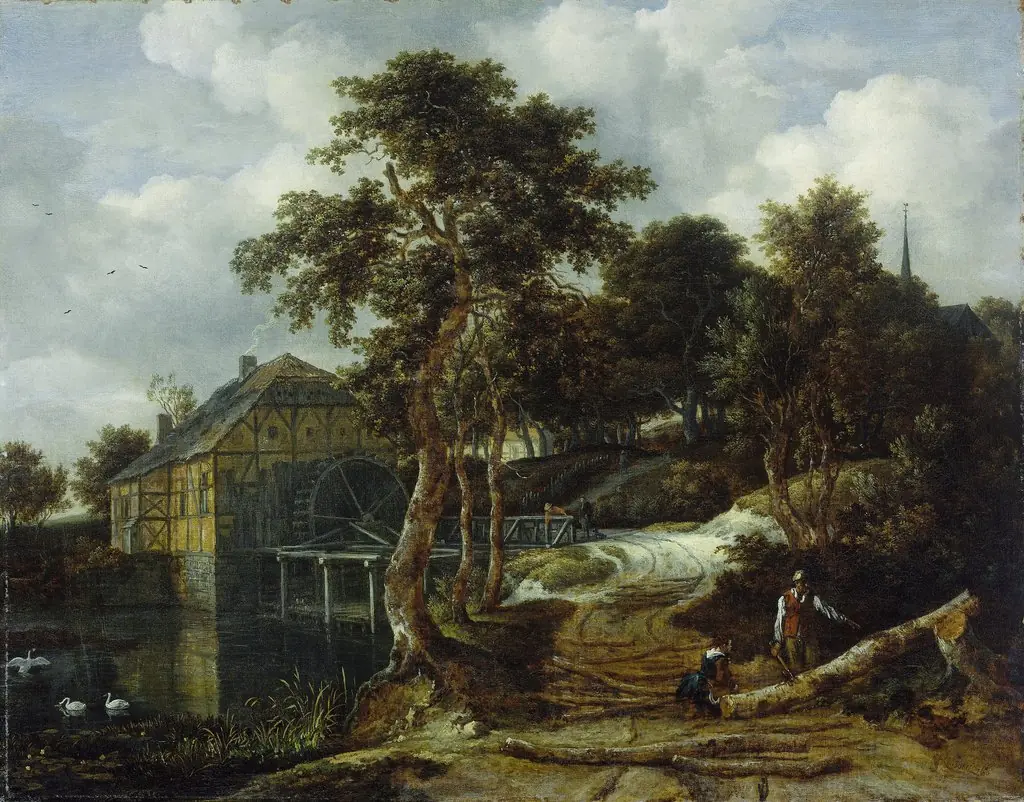
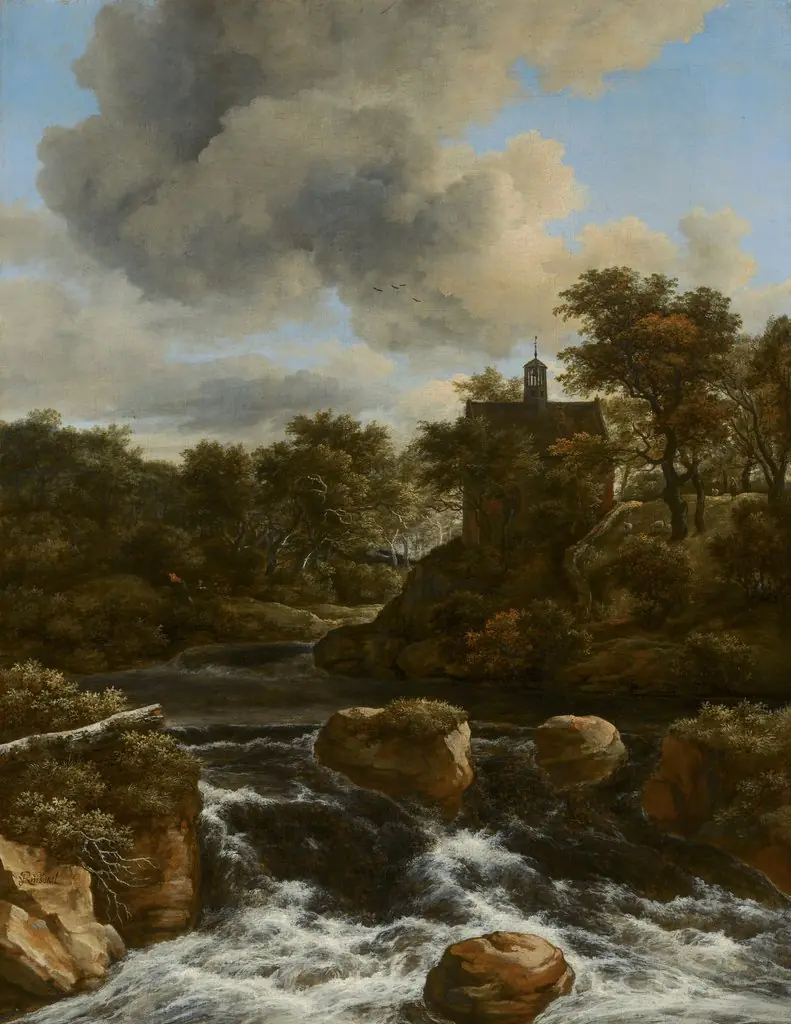
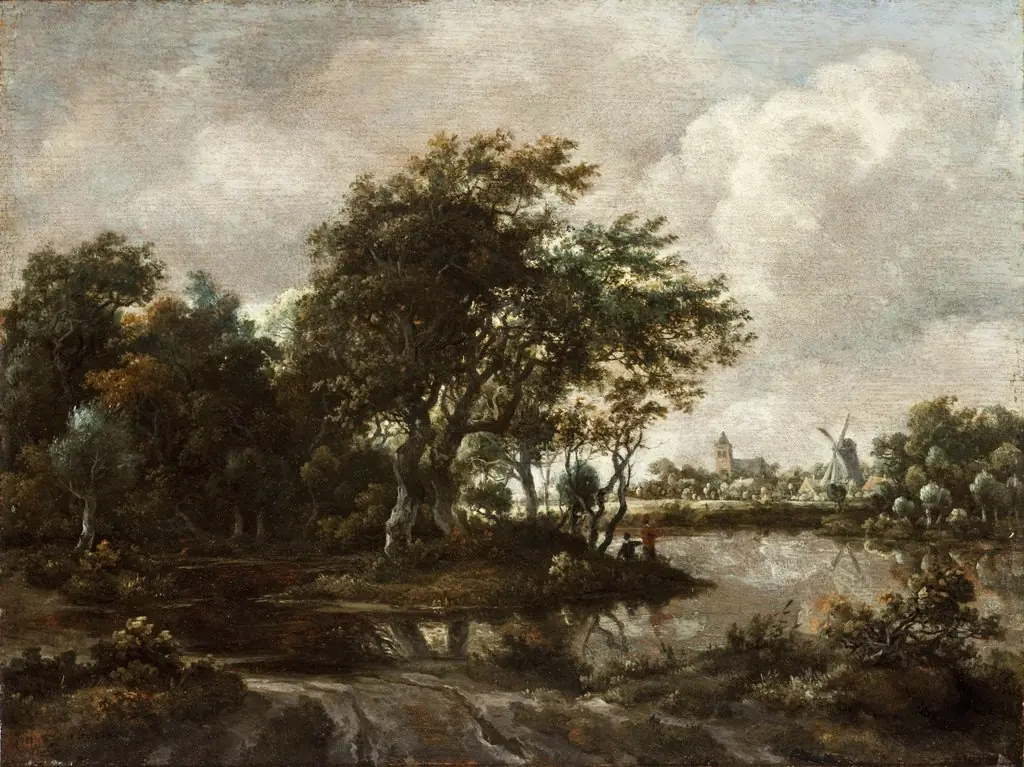
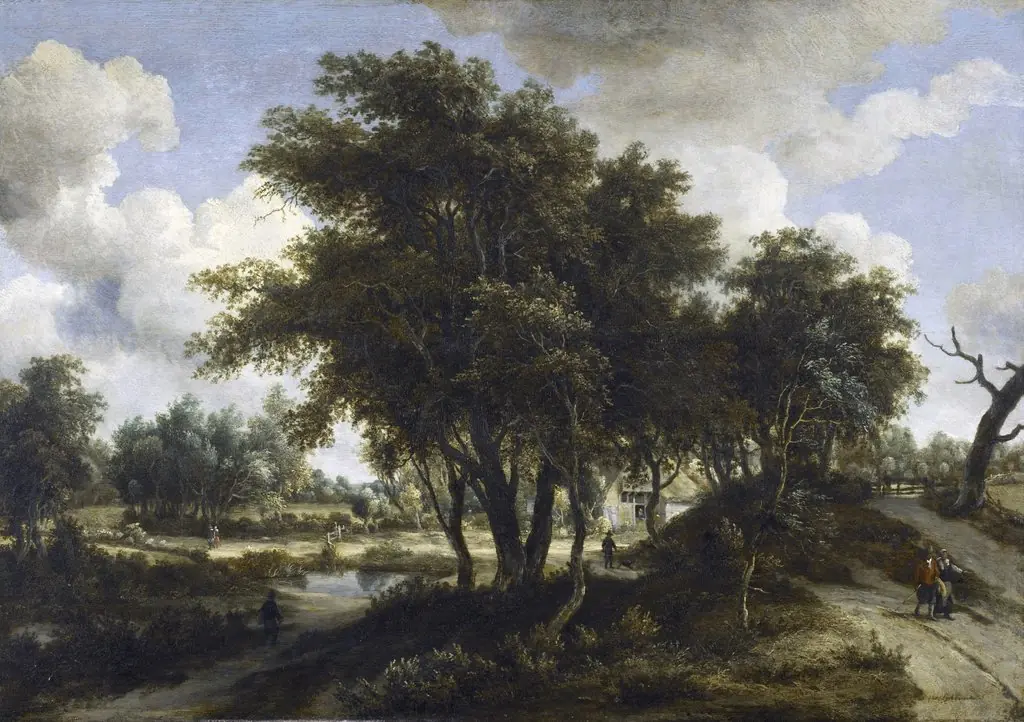
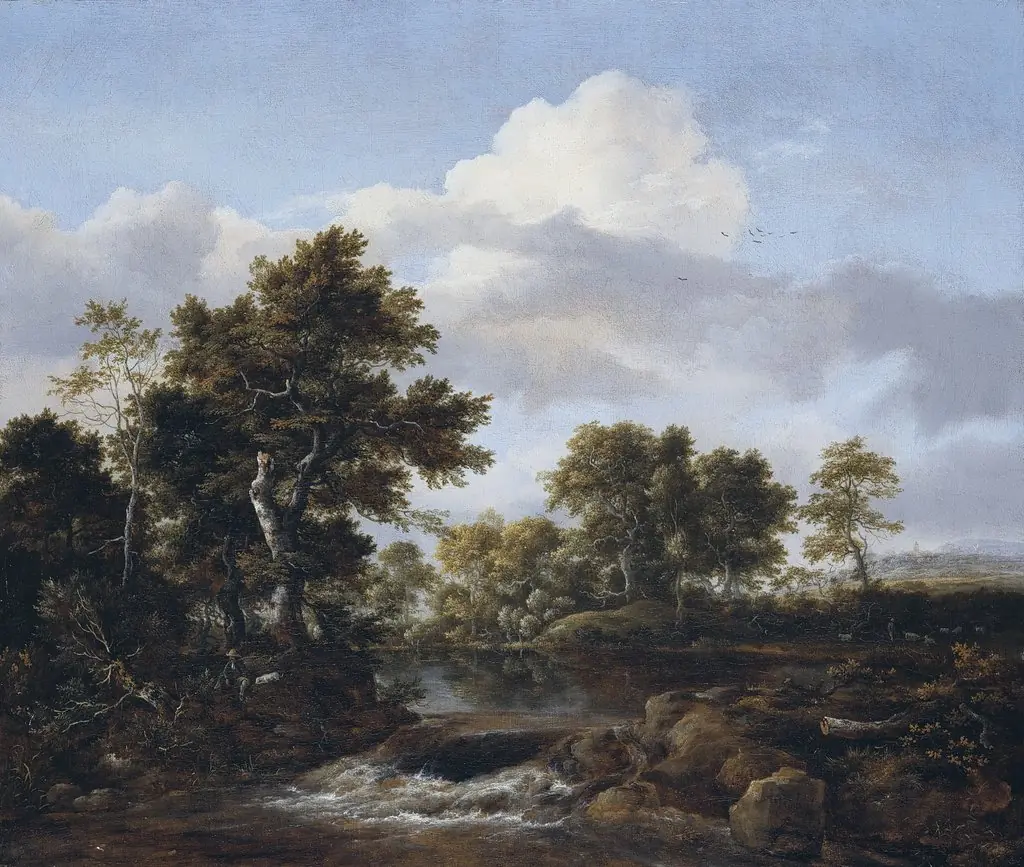
Swedish Landscape with a Water Mill is an unspecified painting by the Dutch Golden Age artist Allart van Everdingen. It dates from 1655 and is held in the collection of the Rijksmuseum. The canvas presents a tranquil Swedish countryside, dominated by a water mill positioned on the left side of the composition.
About this work
Overview
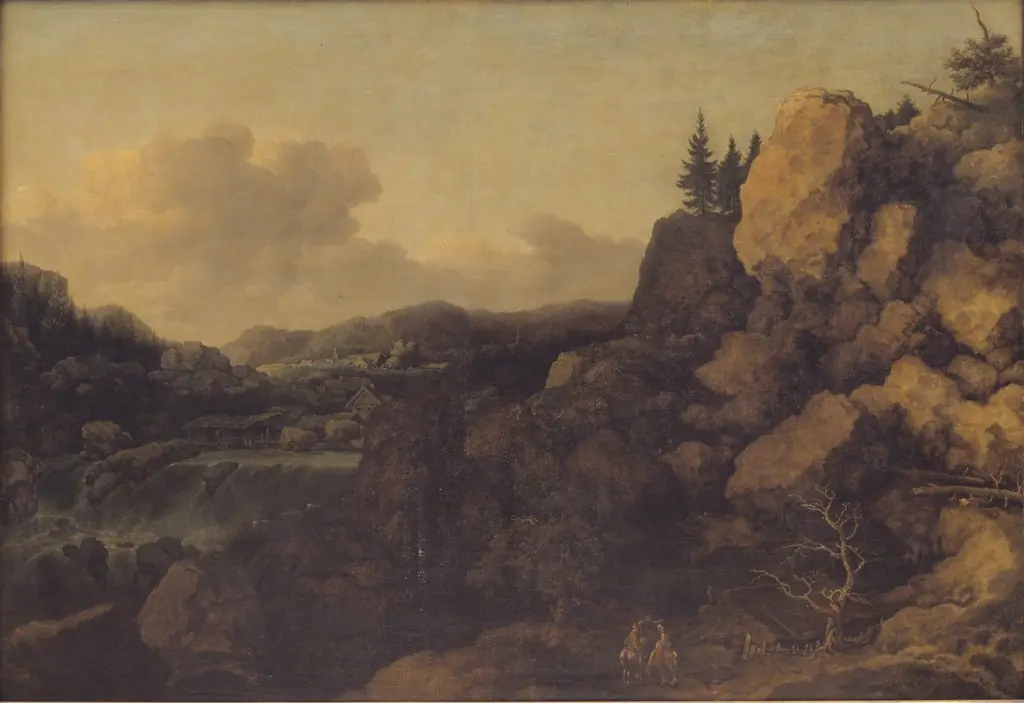
The canvas presents a tranquil Swedish countryside, dominated by a water mill positioned on the left side of the composition. A group of travelers traverses a country road in the foreground on the right, while the faint outlines of a village’s buildings emerge in the distant background, creating a layered sense of depth.
Subject & Meaning
The work juxtaposes human activity with rural industry, highlighting the coexistence of travel and local labor. The mill symbolizes the harnessing of natural resources, whereas the wayfarers suggest movement and connection between settlements, together conveying a modest narrative of everyday life in a Swedish landscape.
Technique & Style
Rendered in a naturalistic manner, the painting employs a balanced distribution of light and shadow to delineate the foreground figures from the more muted, atmospheric background. The careful handling of detail in the mill’s structure and the village’s silhouettes reflects a focus on realistic observation typical of 19th‑century landscape painting.
Context
Landscapes featuring mills and itinerant figures were common in Northern European art, serving both as topographical records and as reflections on the relationship between people and their environment. This composition aligns with that tradition, situating a specific Swedish locale within a broader visual discourse on rural industry and travel.
Own this work as a print
Artist & collection

Artist
Allaert van Everdingen (Dutch pronunciation: ; bapt. 18 June 1621 – 8 November 1675 (buried)), was a Dutch Golden Age painter and printmaker in etching and mezzotint.