Artwork
Portrait of Mr. Blodgett
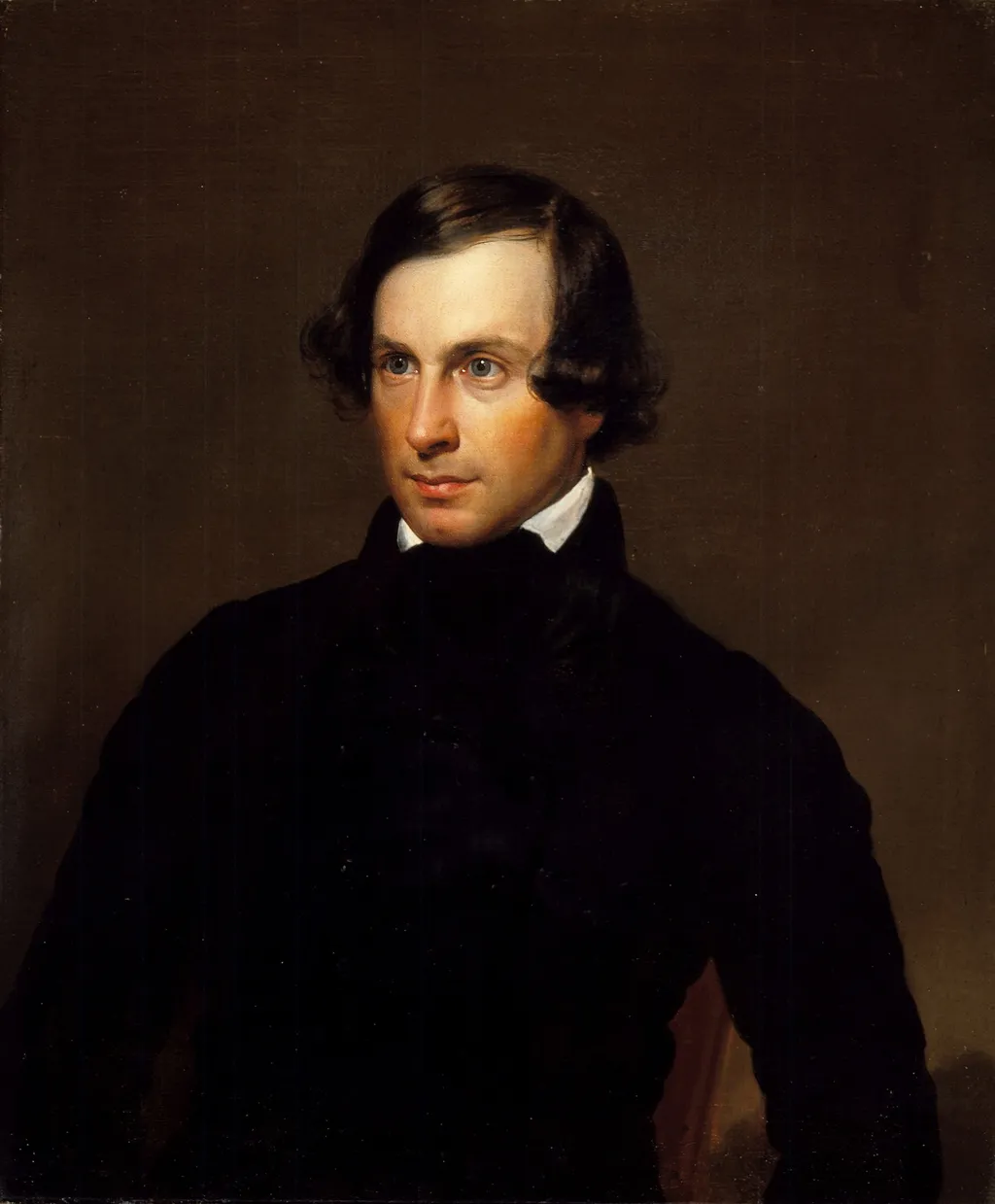
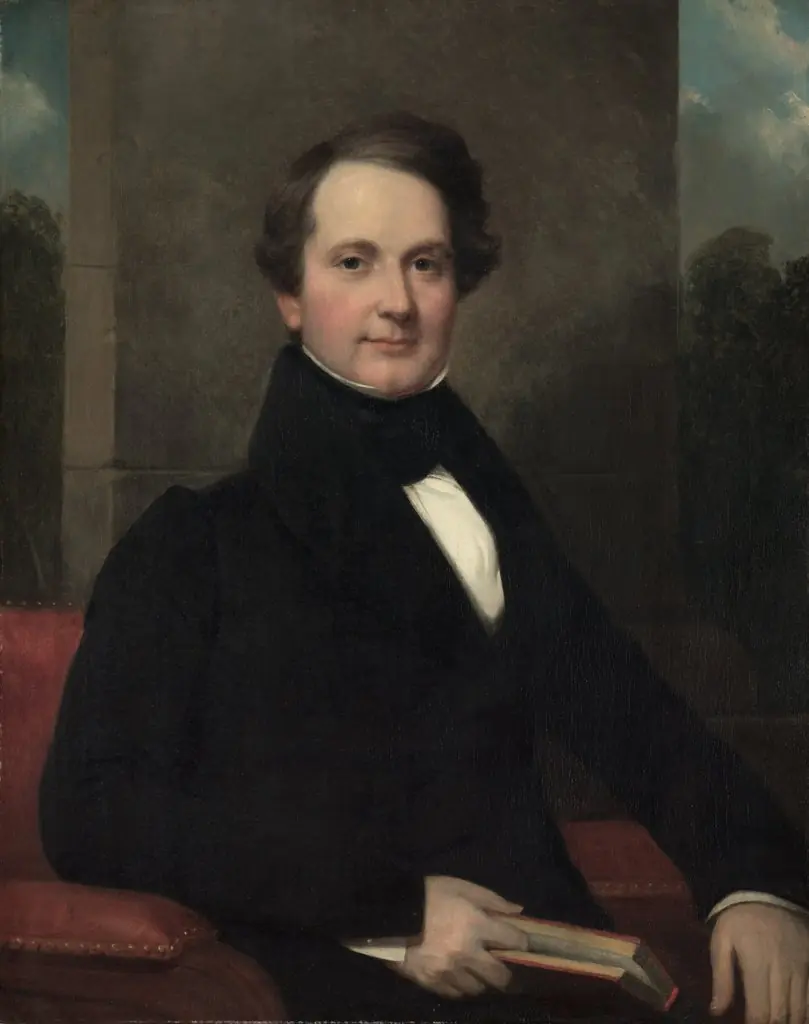
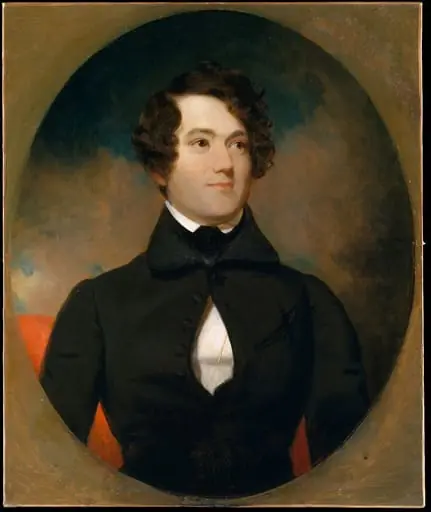
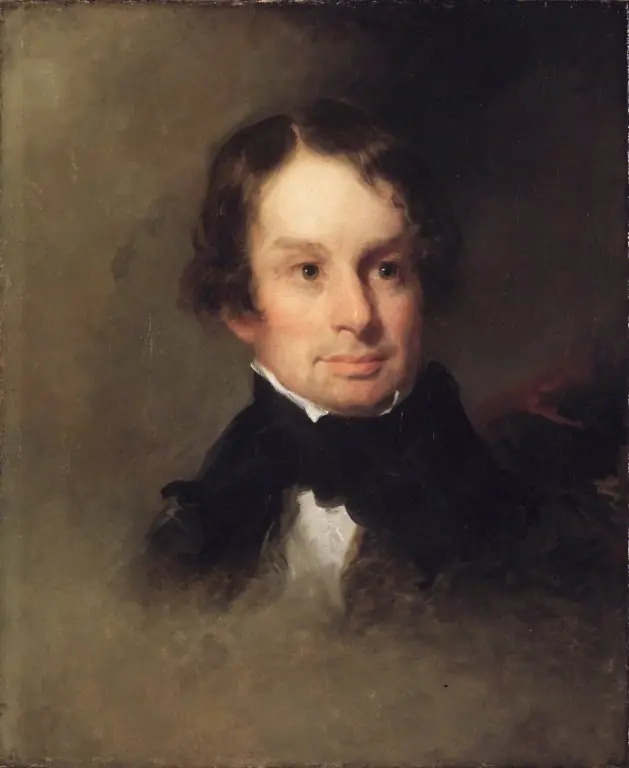
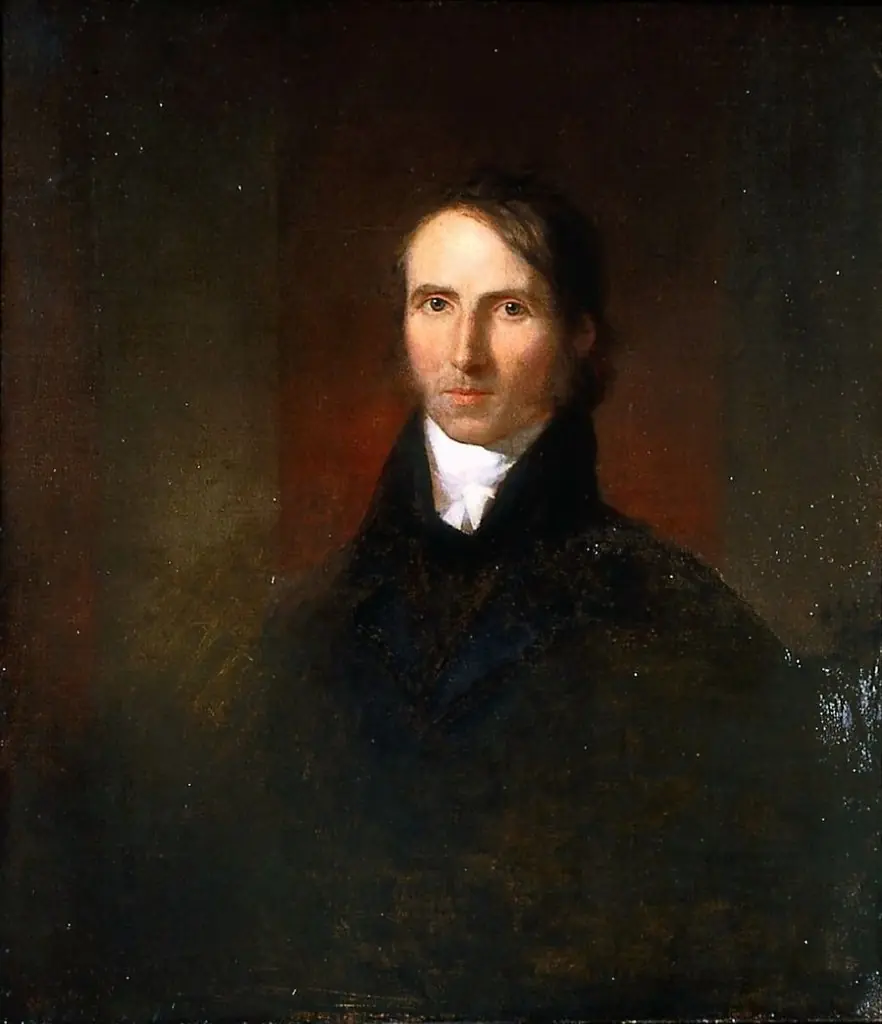
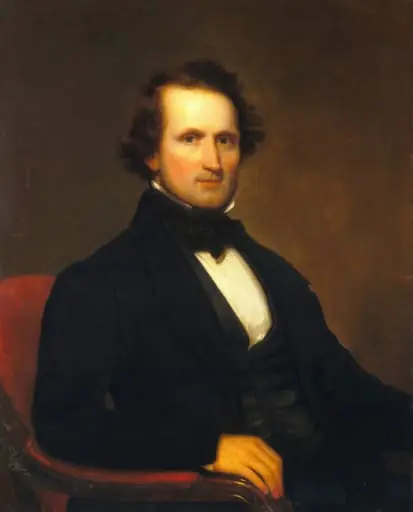
Portrait of Mr. Blodgett is an unspecified painting by Allen Smith, Jr.. It dates from 1840 and is held in the collection of the Los Angeles County Museum of Art. Painted in 1840 by Allen Smith Jr.
About this work
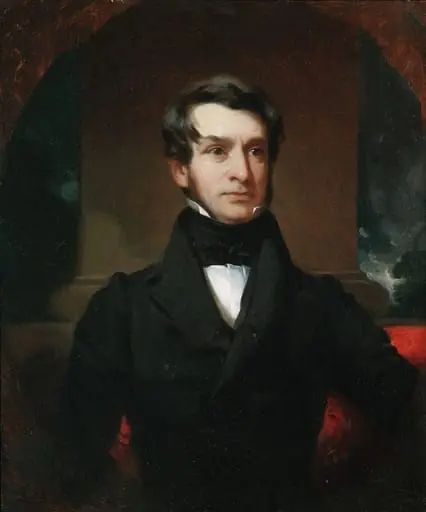
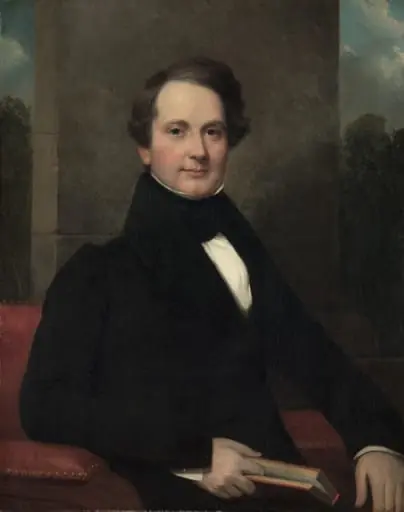
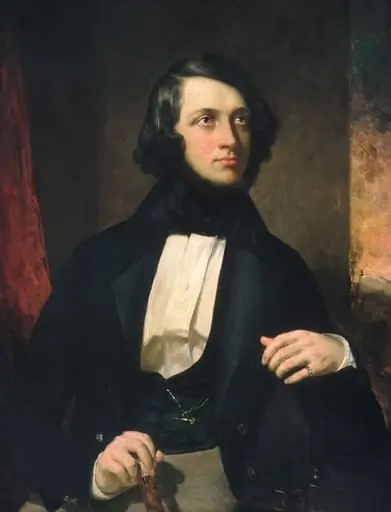
The painting depicts a man with dark hair, wearing a black coat over a white collared shirt. The background is a solid brown color.
The man's attire and hairstyle suggest a formal portrait from the 19th century. The artist's use of a simple background focuses attention on the subject.
To learn more about the artist's techniques, explore the works of Allen Smith, Jr.
Overview
Smith, an American artist born in Rhode Island in 1810 and active in Cleveland by mid-century, worked across portraiture, landscape, and genre scenes.
Painted in 1840 by Allen Smith Jr., this portrait captures a man identified as Mr. Blodgett. Smith, an American artist born in Rhode Island in 1810 and active in Cleveland by mid-century, worked across portraiture, landscape, and genre scenes. The painting is part of the Los Angeles County Museum of Art’s collection, representing a quiet example of early 19th-century American portraiture that prioritizes dignity over ornament.
Subject & Meaning
The subject, Mr. Blodgett, is depicted with restrained formality, his dark coat and crisp white collar signaling social standing without ostentation. His dark hair and composed expression reflect the era’s preference for sober, self-possessed masculinity. The absence of props or symbolic elements suggests an emphasis on personal presence rather than status markers, aligning with emerging middle-class ideals of modesty and individuality.
Technique & Style
Smith employed a muted palette and smooth brushwork to render the figure with clarity and solidity. The solid brown background eliminates distraction, directing focus to the subject’s posture and facial details. Light falls evenly across the face and coat, avoiding dramatic contrast, which reinforces the portrait’s quiet, unadorned character. The technique reflects a practical, observational approach common among itinerant American portraitists of the period.
History & Provenance
The painting was completed in 1840 during Smith’s early career, before his move to Cleveland. Its ownership history prior to entering LACMA’s collection is not publicly documented. The work’s survival and preservation suggest it remained in private hands for much of the 19th and 20th centuries, eventually finding a public home as part of a broader effort to document regional American art traditions.
Context
In the 1840s, American portraiture was shifting from elite commissions to middle-class patrons seeking affordable likenesses. Artists like Smith often traveled to serve communities without established studios. This portrait exemplifies that trend: a straightforward, unembellished image suited to a local client, reflecting a growing demand for personal representation outside urban artistic centers.
Legacy
Though not widely exhibited or studied, the portrait contributes to the understanding of regional American art practices in the antebellum period. Smith’s body of work, including this piece, illustrates how portraitists outside major cities adapted formal conventions to local tastes and economic constraints, preserving a quieter, more intimate strand of 19th-century American visual culture.
Own this work as a print
Artist & collection
Artist
Allen Smith Jr. (1810, Rhode Island - 1890, Cleveland, Ohio) was an American portrait painter. He also created some landscapes and genre scenes.