Artwork
Henry Wadsworth Longfellow
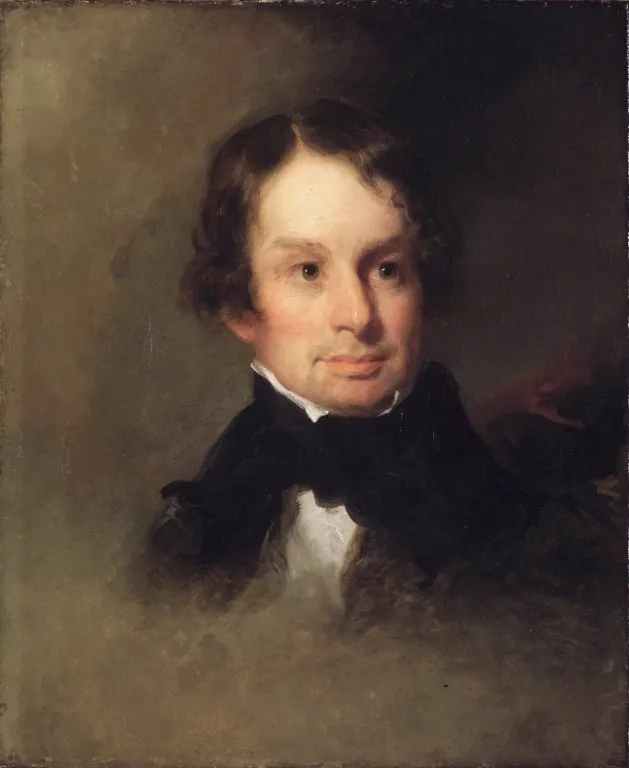
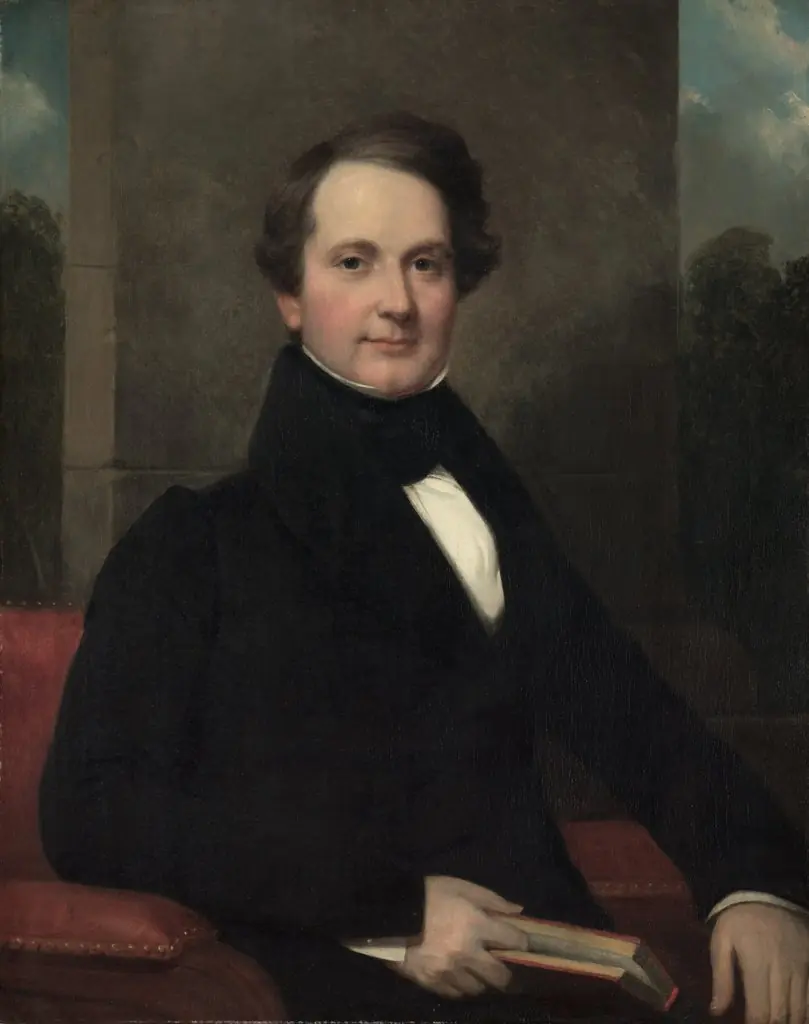
Henry Wadsworth Longfellow is an oil painting by the Realist artist Charles Loring Elliott. It dates from 1842 and is held in the collection of the Brooklyn Museum.
About this work
Overview
The work is now part of the Brooklyn Museum’s permanent collection, preserved as a record of a significant literary figure in mid-19th-century America.
Charles Loring Elliott painted Henry Wadsworth Longfellow in 1842 using oil on canvas. The portrait captures the poet during his early career, before he achieved widespread recognition. Elliott, then based in central New York, specialized in portraiture and later moved to New York City. The work is now part of the Brooklyn Museum’s permanent collection, preserved as a record of a significant literary figure in mid-19th-century America.
Subject & Meaning
Longfellow is depicted with dark, curly hair and a composed, introspective gaze. His attire—a black jacket, white shirt, and black bow tie—reflects the formal dress of a gentleman and intellectual of the era. The stillness of his expression suggests contemplation, aligning with his identity as a poet engaged in quiet reflection. The absence of symbolic objects or elaborate settings emphasizes his inner life over external status.
Technique & Style
Elliott employed a restrained realism, focusing on accurate rendering of facial structure and fabric texture. The muted brown background isolates the figure, directing attention to the subtle play of light on skin and clothing. While not overtly dramatic, the painting uses soft chiaroscuro to model the face, lending depth without theatricality. The brushwork is precise yet unobtrusive, characteristic of mid-century American portraiture seeking dignity over flourish.
History & Provenance
Painted in 1842, the portrait predates Longfellow’s rise to national fame and was likely commissioned during his time in Cambridge, Massachusetts. Elliott, then active in upstate New York, may have encountered Longfellow through literary or academic circles. The painting entered the Brooklyn Museum’s collection in the 20th century, where it has remained as a documented example of early American portraiture and a visual counterpart to Longfellow’s published works.
Context
In the 1840s, American artists increasingly turned to portraiture to elevate cultural figures beyond European models. Longfellow, a professor at Harvard and emerging poet, represented a new American intellectual ideal. Elliott’s portrait reflects this trend—presenting a native literary voice with quiet authority, free from ornate European conventions, and aligned with the growing national identity in art and literature.
Legacy
The portrait endures as one of the earliest known images of Longfellow in his prime, offering a visual anchor to his literary legacy. Though Elliott is less remembered today, this work remains a key example of regional American portraiture from the antebellum period. It continues to inform scholarly and public understanding of how literary figures were visually constructed during a formative era in U.S. cultural history.
Artist & collection

Artist
Charles Loring Elliott (1812 – 1868) was an American painter known for his portraits.

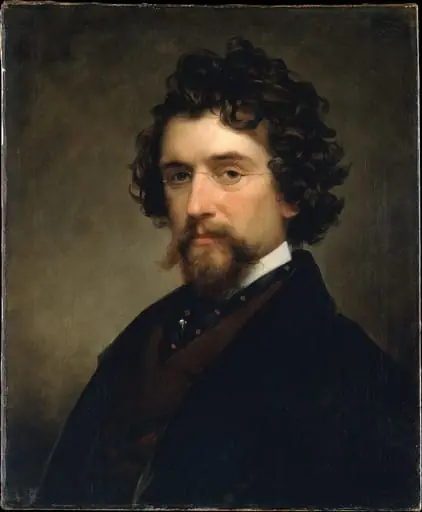
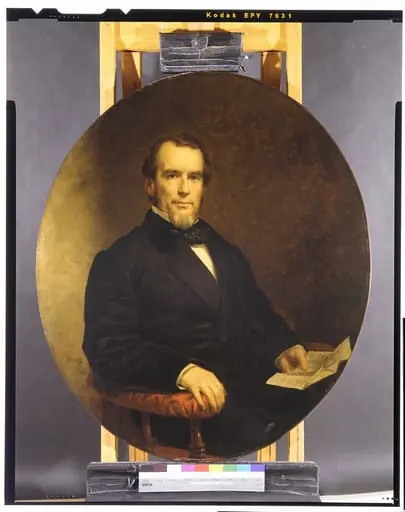
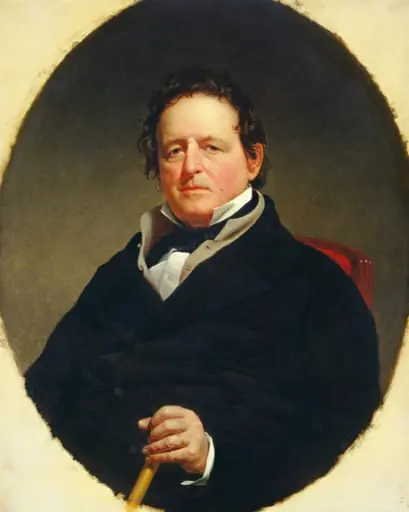
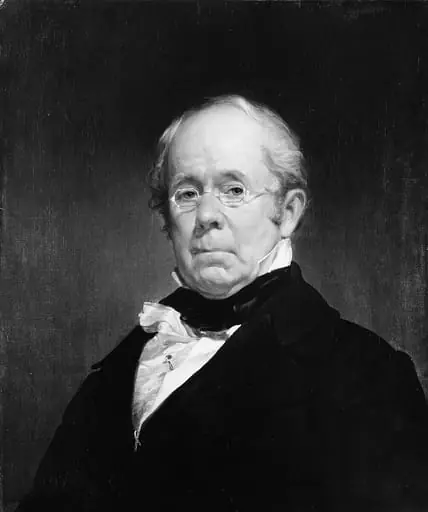
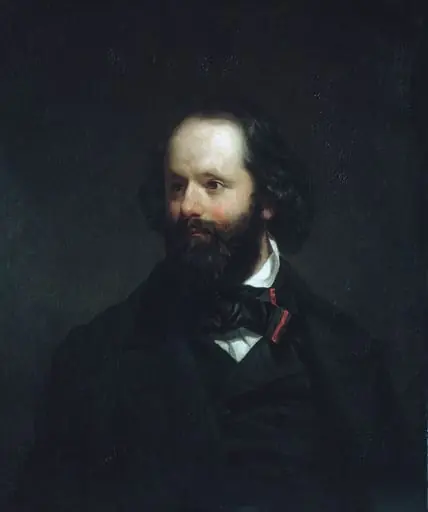
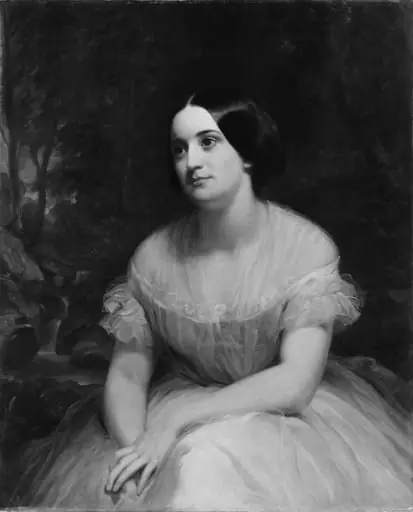
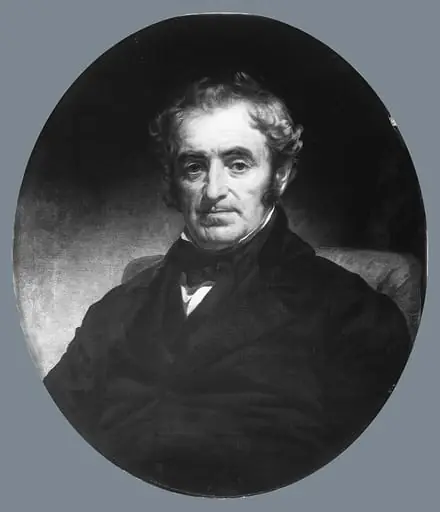
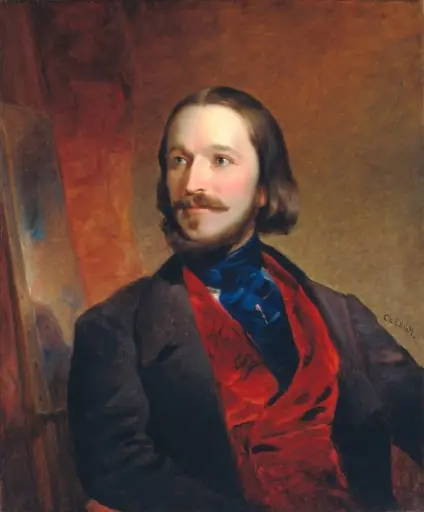
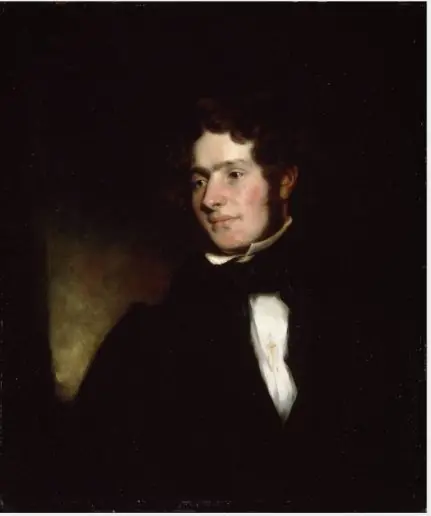 Self-Portrait
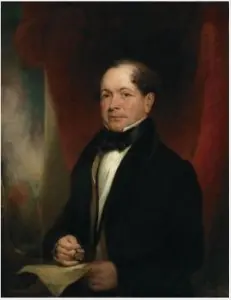 Portrait of Thomas Moore (1779-1852), Poet
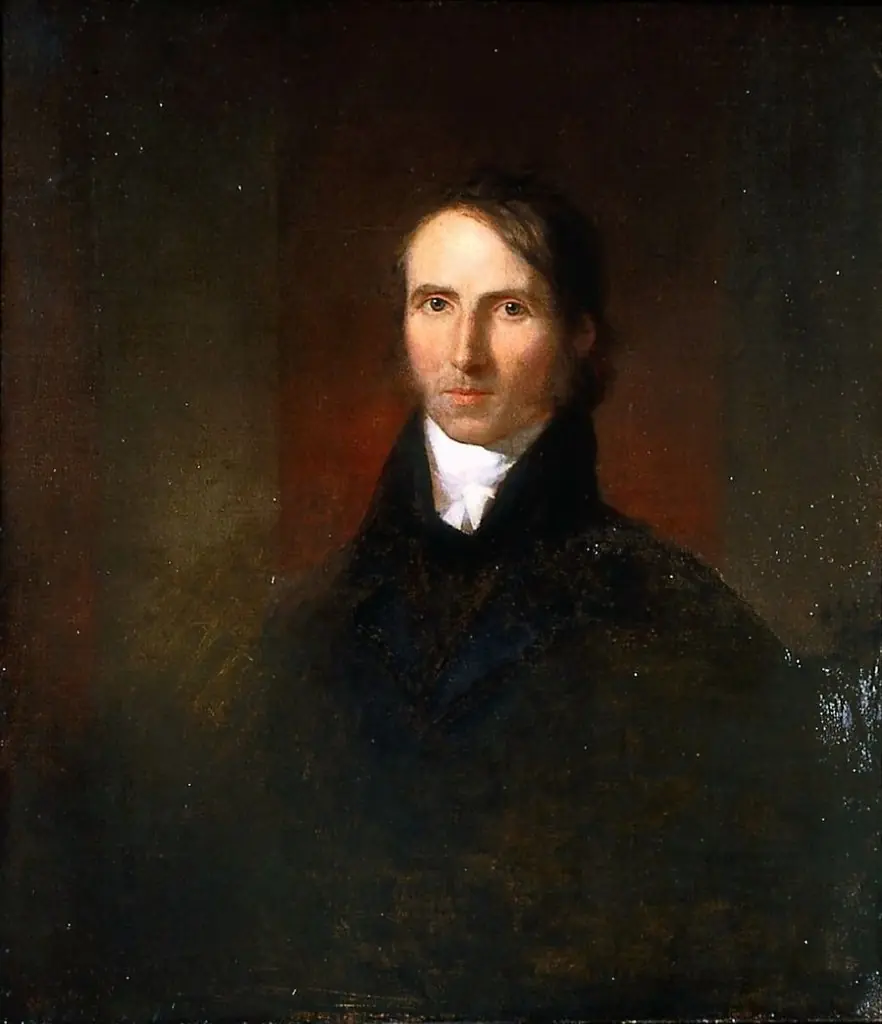 William Ellery Channing
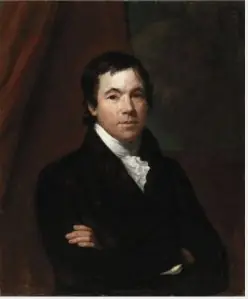 Portrait of John Philpot Curran (1750-1817)
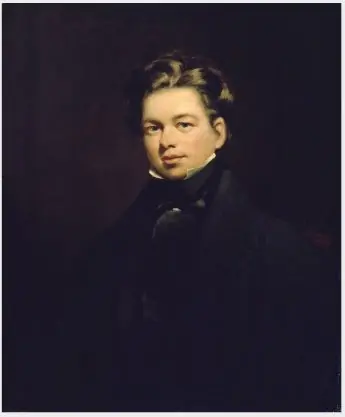 Portrait of John O'Donovan (1806-1851), Scholar
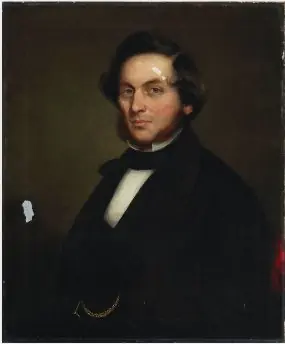 Portrait of Samuel Lover (1797-1868), Author and Artist
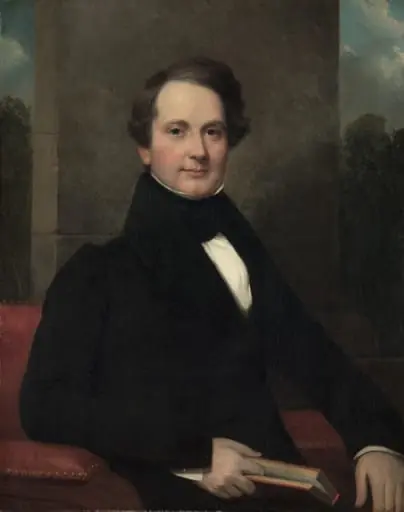 Frederic Betts
 Frederic Betts; Mary Ward Betts
 Portrait of John Philpot Curran (1750-1817), Statesman and Lawyer