Artwork
Autumn Landscape in the Forest of Fontainebleau
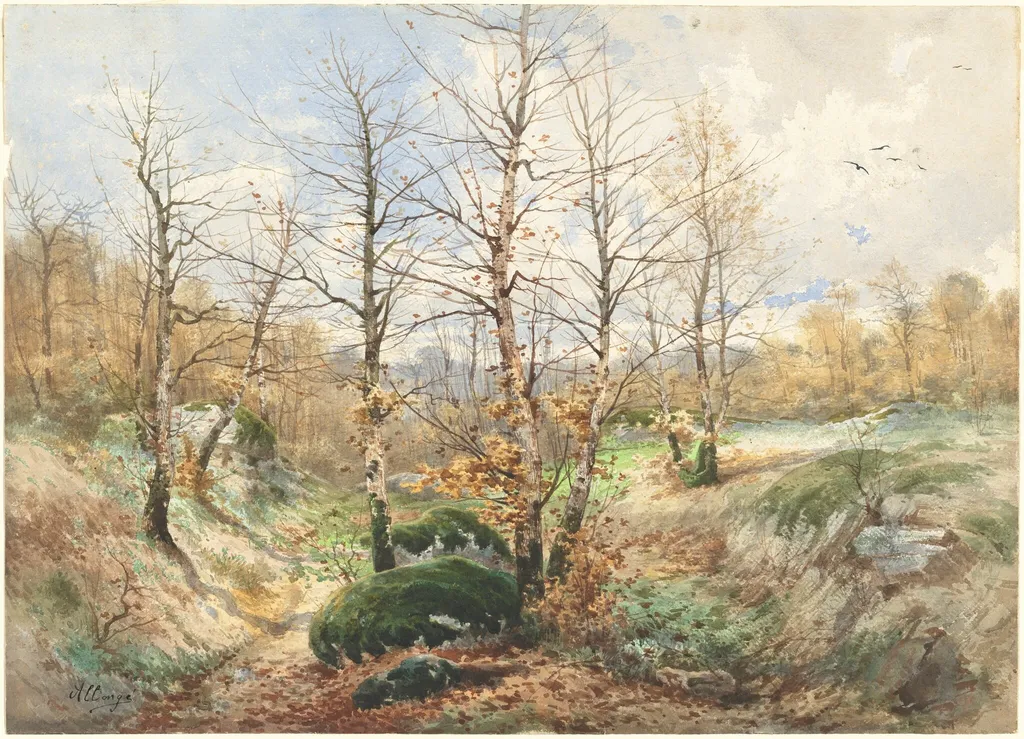
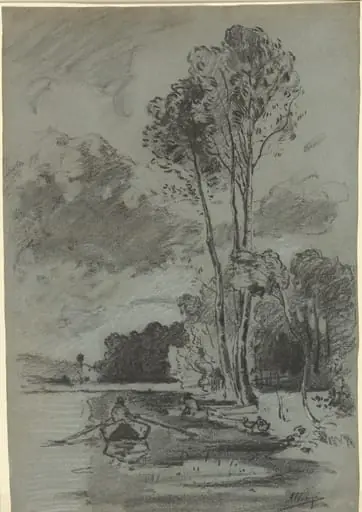
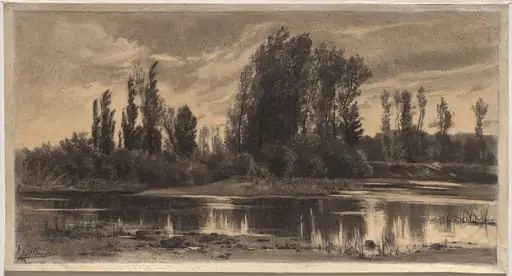
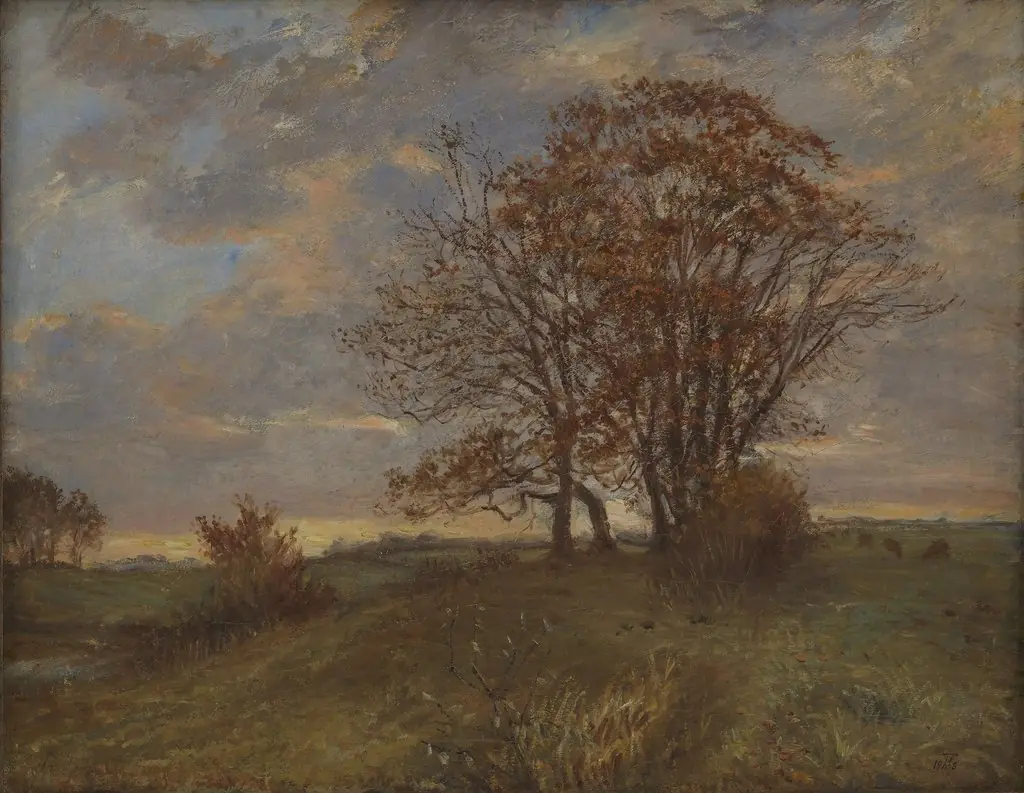
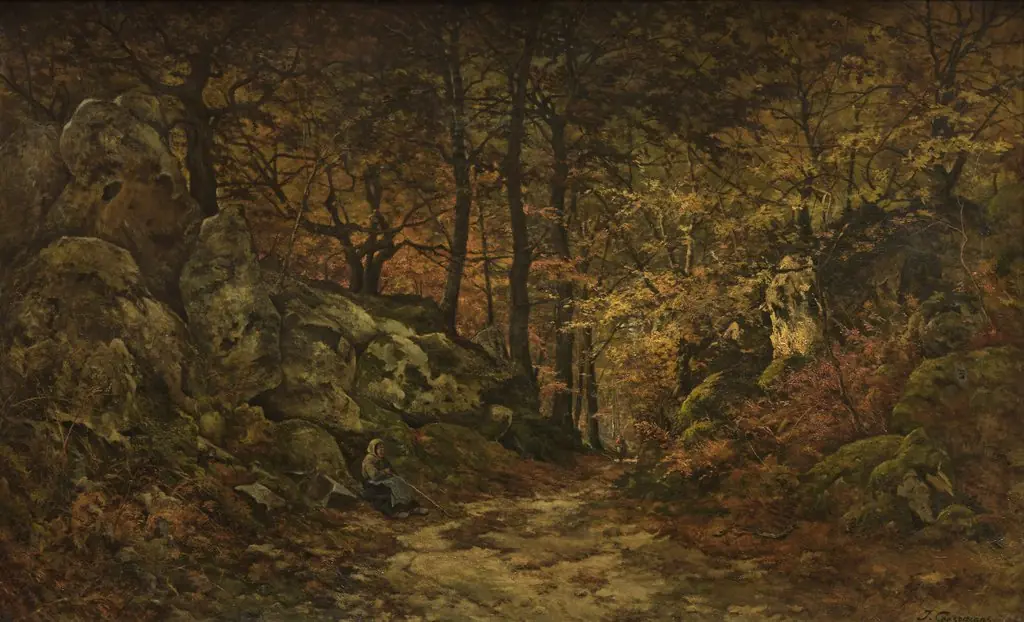
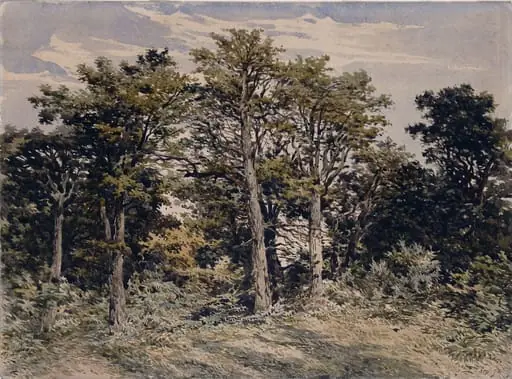
Autumn Landscape in the Forest of Fontainebleau is a watercolor drawing by the Impressionist artist Auguste Allongé. It dates from 1860 and is held in the collection of the National Gallery of Art.
About this work
Overview
Created around 1860 by French artist Auguste Allongé, this work is a watercolor drawing enhanced with graphite. It portrays a quiet stretch of the Fontainebleau forest in autumn and is part of the National Gallery of Art’s collection in Washington, D.C.
Subject & Meaning
The composition shows a forest scene where trees transition between leafless trunks and those still bearing muted foliage. Sparse, leaning trunks dominate the foreground, while denser clusters of partially colored trees recede into the distance, conveying a calm, contemplative atmosphere typical of the season’s quietude.
Technique & Style
Allongé combines transparent watercolor washes with graphite line work to model depth and surface texture. A restrained palette of browns, soft greens and yellowish tones creates atmospheric perspective, while the graphite outlines suggest the structure of trunks and branches, reinforcing the sense of space without overt detail.
History & Provenance
The drawing entered the National Gallery of Art’s holdings after being acquired by the museum, though the exact path from the artist’s studio to the institution is not extensively documented. Its presence in the collection reflects the gallery’s interest in 19th‑century French landscape studies.
Own this work as a print
Artist & collection
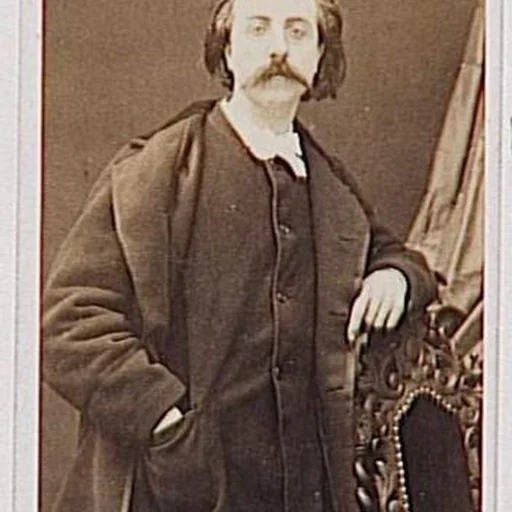
Artist
Auguste Allongé (1833–1898) was a French artist, born in former 10th arrondissement of Paris.