Artwork
Madonna with Child
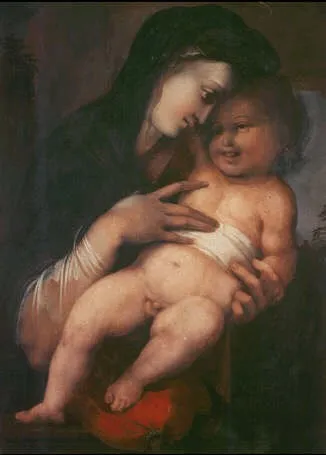
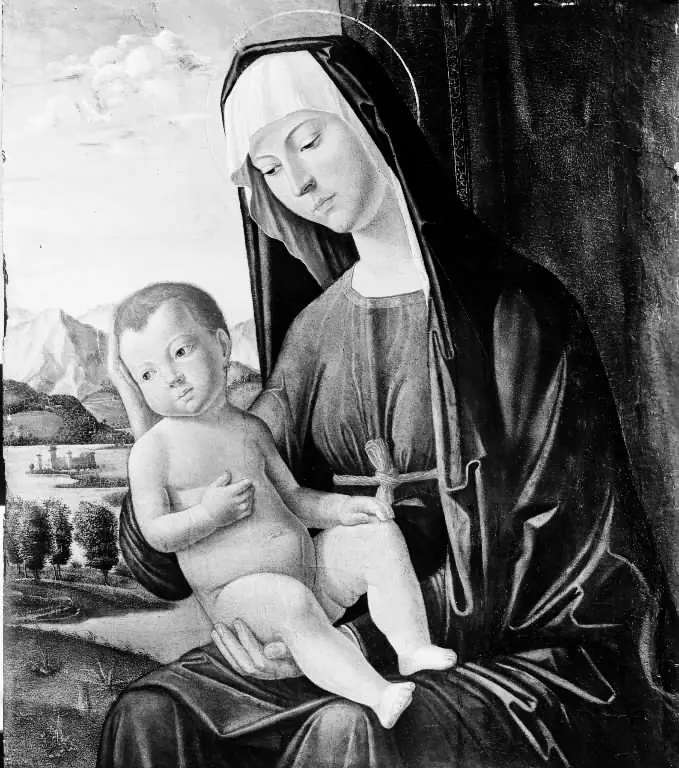
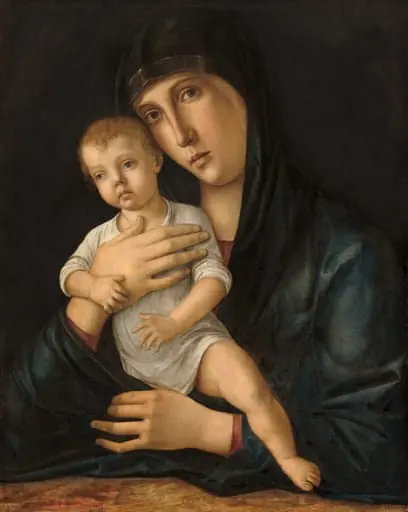
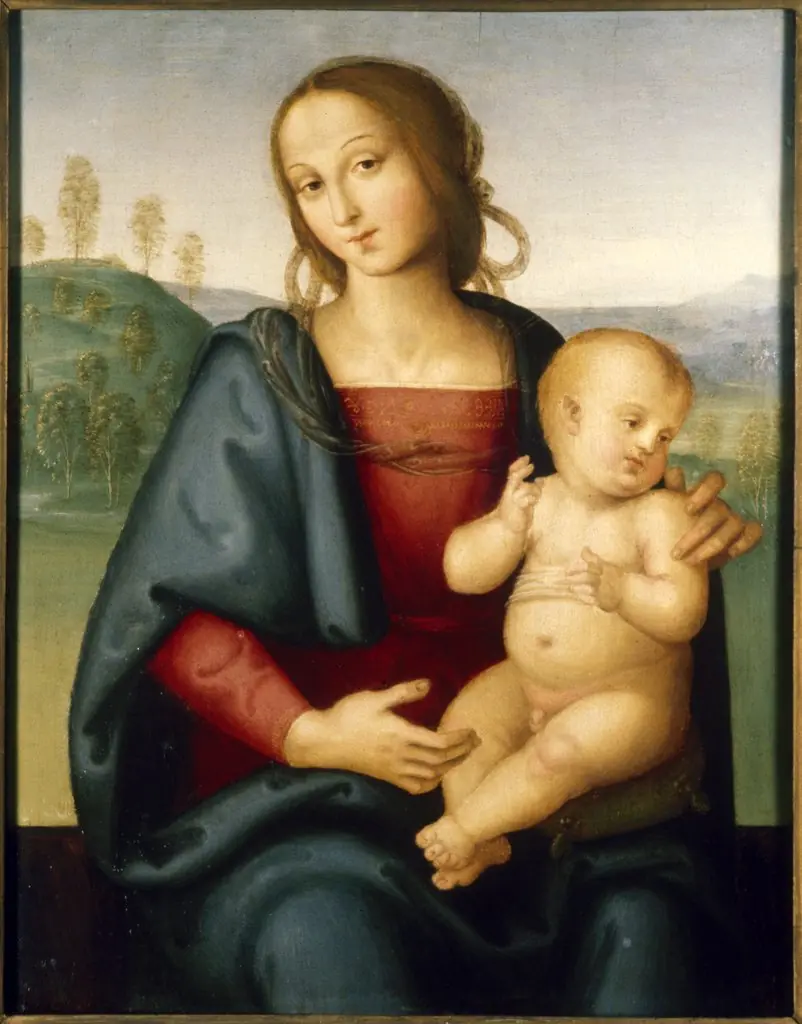
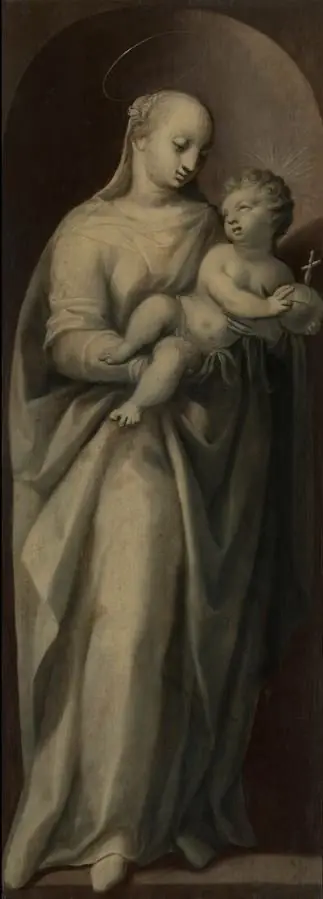
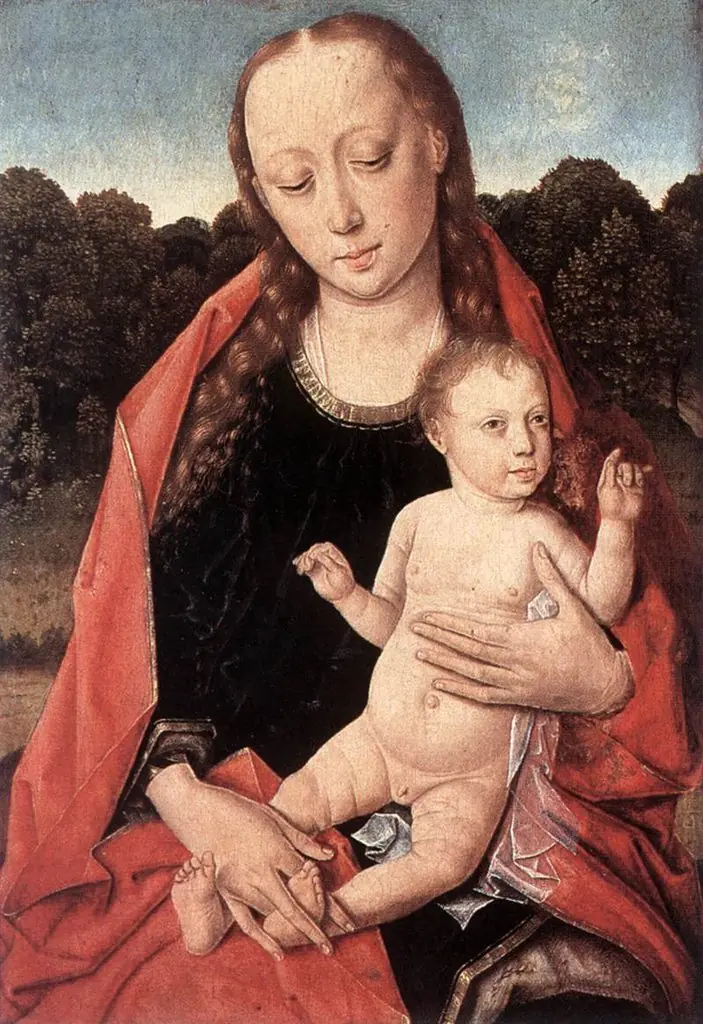
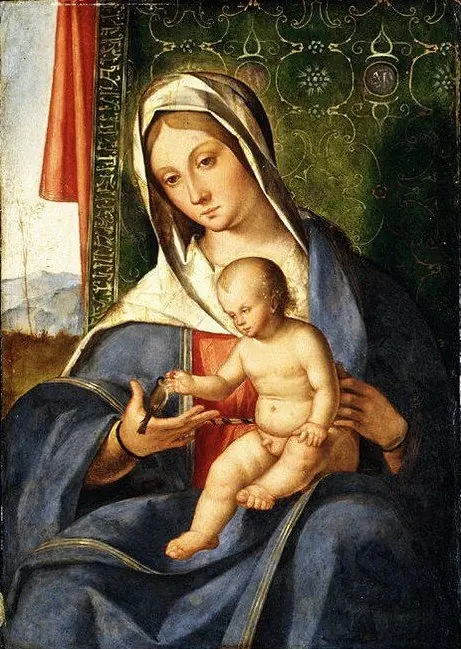
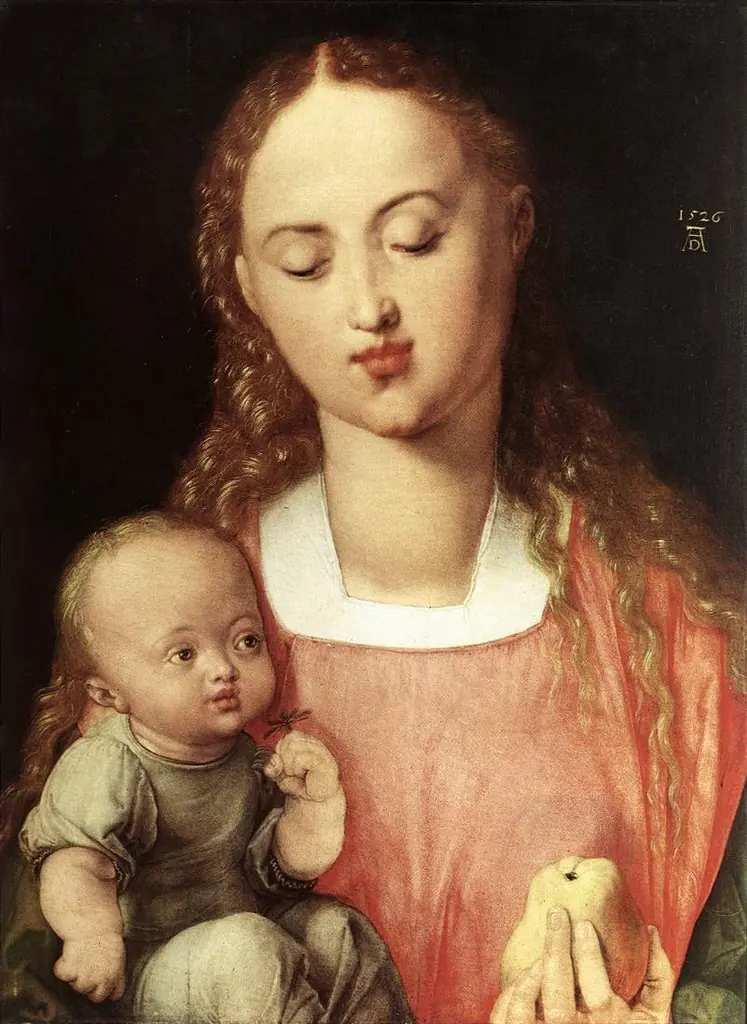
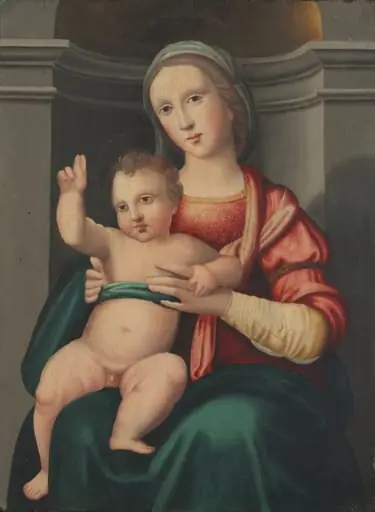
Madonna with Child is an oil painting by the Early Renaissance artist Alonso Berruguete. It dates from 1515 and is held in the collection of the Uffizi Gallery.
About this work
Overview
It is part of the Uffizi Gallery’s collection in Florence, where it remains a subtle example of Spanish religious art within an Italian context.
Painted in 1515 by Alonso Berruguete, this oil-on-panel work presents the Virgin Mary with the infant Jesus in a quiet, intimate composition. Though Berruguete is better known for his sculptural output, this painting reflects his engagement with early Renaissance devotional imagery. It is part of the Uffizi Gallery’s collection in Florence, where it remains a subtle example of Spanish religious art within an Italian context.
Subject & Meaning
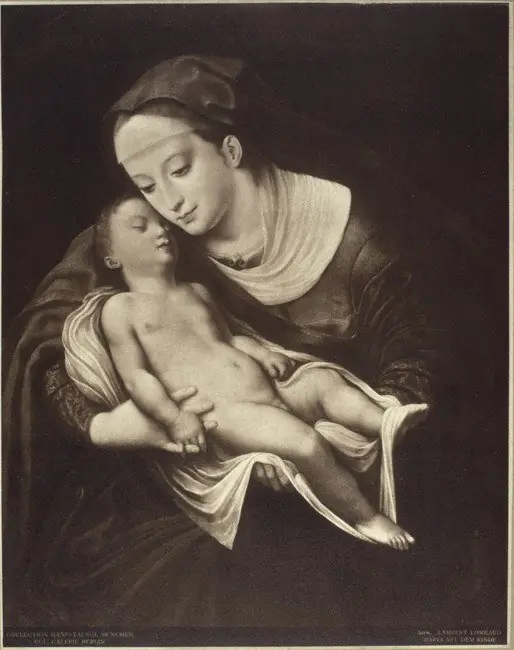
The Virgin Mary, cloaked in a dark, hooded garment, holds the Christ Child who gazes directly at the viewer with a gentle smile. His bare torso and relaxed posture suggest both humanity and divine innocence. The composition avoids overt symbolism, instead emphasizing tenderness and quiet contemplation. The child’s direct gaze invites personal devotion, aligning with late medieval and early Renaissance devotional practices centered on emotional connection with sacred figures.
Technique & Style
Berruguete employs chiaroscuro to model the figures with soft, directional light, casting the Virgin’s face into shadow while illuminating the child’s skin. The contrast enhances the tactile quality of the infant’s flesh and draws focus to his form. The background is uniformly dark, eliminating spatial context and heightening the figures’ presence. Brushwork is restrained, prioritizing emotional resonance over ornamental detail, reflecting a Northern European influence on Spanish painting of the period.
History & Provenance
Created during Berruguete’s early career, likely before his extended stay in Italy, the painting may have been made in Spain or during a brief visit to Florence. It entered the Uffizi collection in the 16th or 17th century, possibly through Medici patronage or ecclesiastical transfer. Its survival in good condition suggests it was valued within a private or institutional devotional setting, though its early ownership records remain incomplete.
Context
In early 16th-century Spain, religious imagery was shaped by both local traditions and Italian Renaissance ideals. Berruguete, trained in sculpture, brought a sculptural sense of volume to his painting. This work reflects a transitional moment when Spanish artists began adopting oil techniques and naturalistic approaches from Italy, while retaining a somber, introspective tone characteristic of Iberian piety.
Legacy
Though not widely reproduced or studied, the painting offers insight into Berruguete’s versatility and the cross-cultural exchange between Spanish and Italian art. It stands as a quiet testament to the spread of Renaissance techniques beyond Italy’s borders. Its presence in the Uffizi underscores the gallery’s role in preserving diverse expressions of early modern religious art, even those from lesser-known regional practitioners.
Artist & collection
Artist
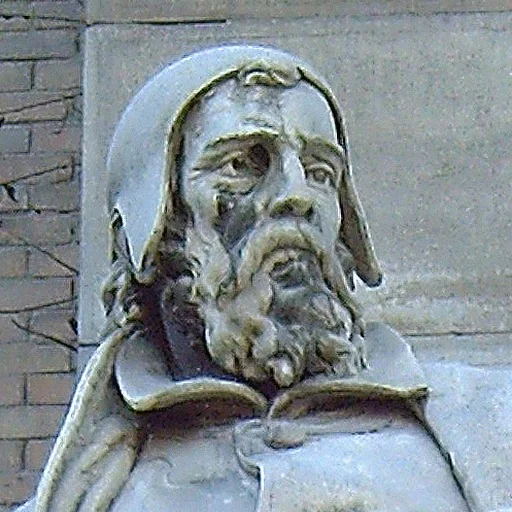
Alonso González de Berruguete (c. 1488 – 1561) was a Spanish painter, sculptor and architect. He is considered to be the most important sculptor of the Spanish Renaissance, and is known for his emotive sculptures…