Art Museum
Uffizi Gallery

Image: Wikimedia Commons.
Uffizi Gallery is an art museum in Florence, Italy. 38 works from its collection are in this catalog, including Titian and Paolo Veronese.
About Uffizi Gallery
Overview
The Uffizi Gallery (Galleria degli Uffizi) is a prominent art museum located in Florence, Italy, adjacent to the Piazza della Signoria in the city's historic center. It houses one of the world's most significant collections of Italian Renaissance paintings, particularly from the Florentine school, as well as ancient sculptures, drawings, and prints. The museum occupies the first and second floors of a large building constructed between 1560 and 1580, originally designed to serve as administrative offices. Today, it attracts over two million visitors annually, making it one of the most visited art galleries in Italy and a cornerstone of global art heritage.
History & Founding
The complex was commissioned in 1559 by Grand Duke Cosimo I de' Medici to consolidate the administrative and judicial offices of the Tuscan government. Designed by the painter-architect Giorgio Vasari, construction began in 1560. After Vasari's death in 1574, the project was completed by Bernardo Buontalenti and Alfonso Parigi. The building's function shifted from offices to a museum under Grand Duke Francis I, who converted the top floor into a repository for Medici art treasures. The transition to a public institution was solidified in the 18th century by Grand Duke Leopold I of Lorraine, who appointed the first director in 1769. Crucially, the collection remained in Florence due to the 'Family Pact' established by Anna Maria Luisa de' Medici in 1743, the last of the Medici line, which stipulated that the art must stay in the city for the benefit of the people.
Architecture & Design
The Uffizi is a seminal example of Italian Mannerist architecture, featuring a distinctive U-shaped plan that stretches from the Palazzo Vecchio to the Arno River, framing a long open piazza. The design incorporates classical columns, open loggias, and large windows intended to flood the interiors with light. A key architectural feature is the Vasari Corridor, built in 1565 to connect the Uffizi with the Pitti Palace, allowing the Medici to move safely between their residence and the seat of government. The interior includes the famous Tribuna, an octagonal room designed by Buontalenti in 1584 to display the family's most prized ancient sculptures and gems. The building has undergone significant renovations, including the 'Nuovi Uffizi' project which expanded gallery space and reorganized the collection chronologically.
Collection Highlights
The Uffizi holds an unparalleled collection of works from the 14th through the 18th centuries. Its holdings include masterpieces by Giotto, Simone Martini, Piero della Francesca, Beato Angelico, and Filippo Lippi. The museum is particularly renowned for its extraordinary collection of works by Sandro Botticelli, including 'The Birth of Venus' and 'Primavera'. Other major holdings feature paintings by Leonardo da Vinci, Michelangelo, Raphael, Caravaggio, and Titian. The collection also encompasses ancient Roman copies of lost Greek sculptures, a vast array of drawings and prints (over 100,000), and a dedicated section for artist self-portraits collected by Cardinal Leopoldo de' Medici. European works, primarily from German, Dutch, Flemish, and French schools, are also represented.
What to see at Uffizi Gallery
Start with Death of Adonis by Sebastiano del Piombo.
Works from Uffizi Gallery
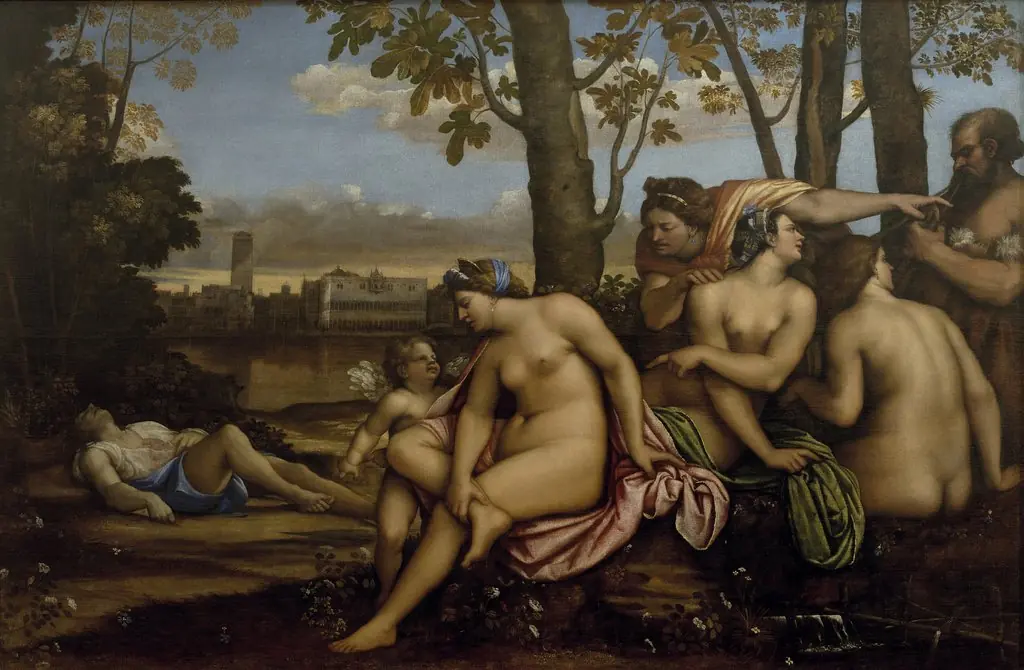 Death of Adonis
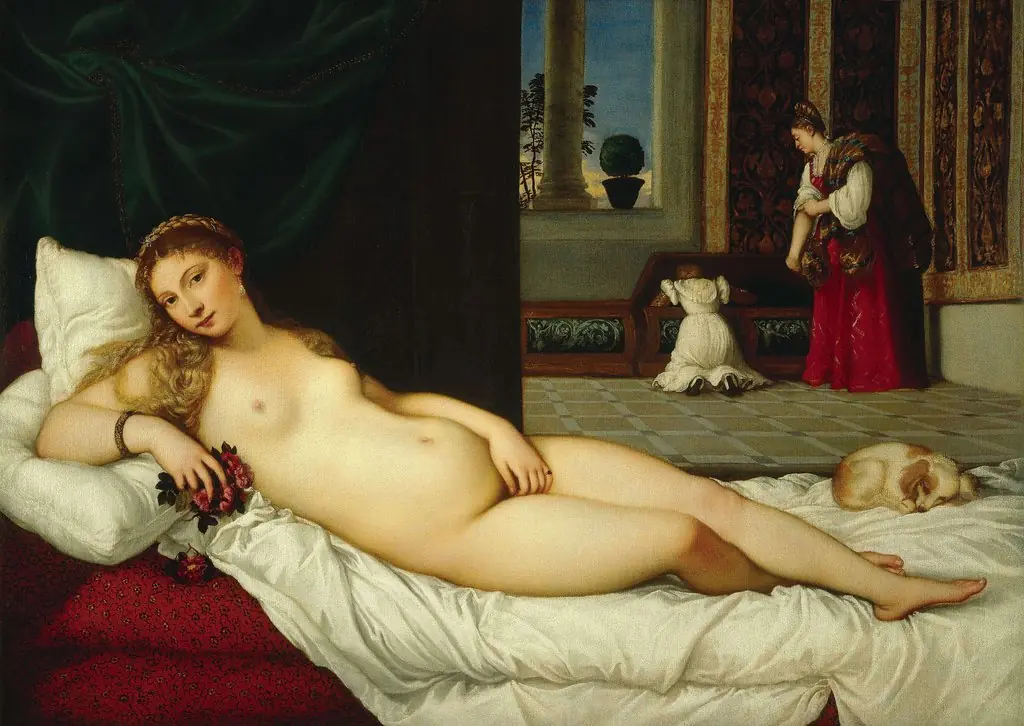 Venus of Urbino
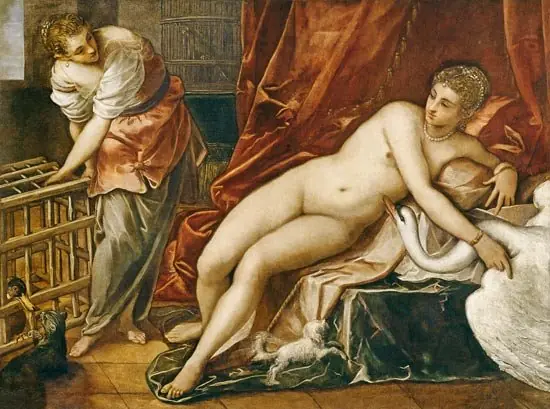 Leda and the Swan
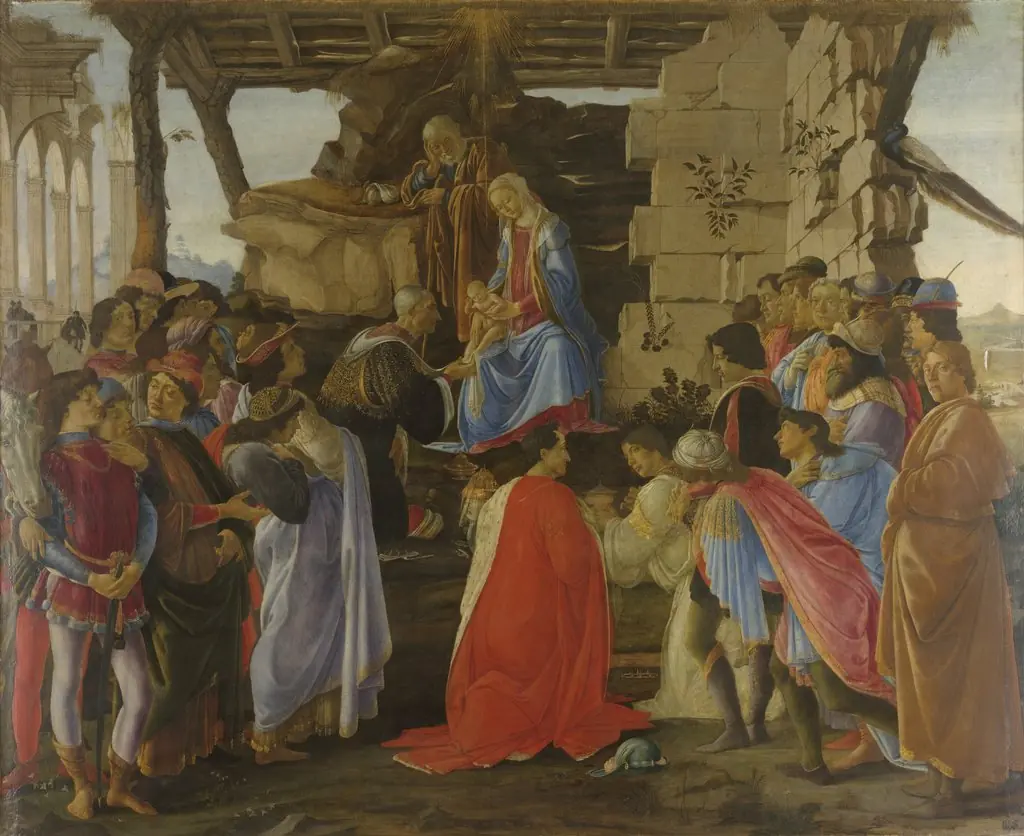 Adoration of the Magi
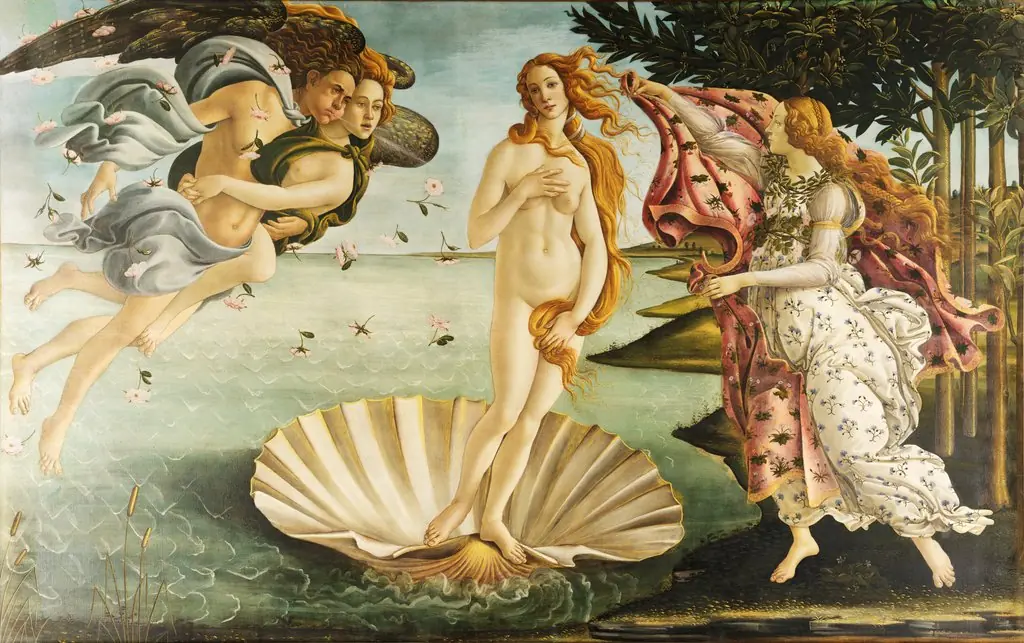 The Birth of Venus
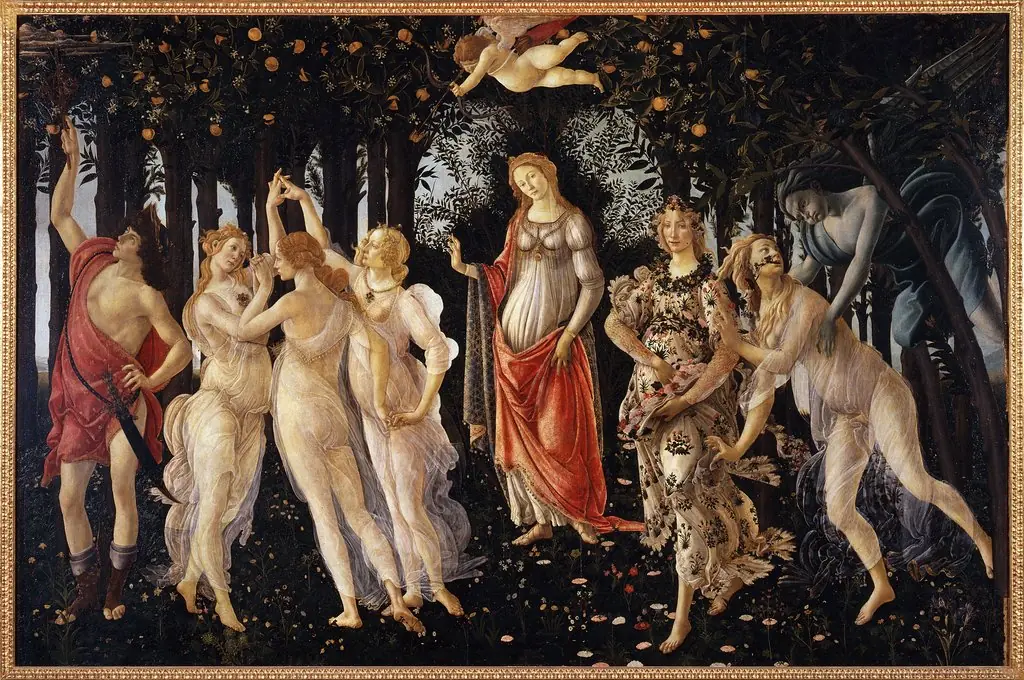 Primavera
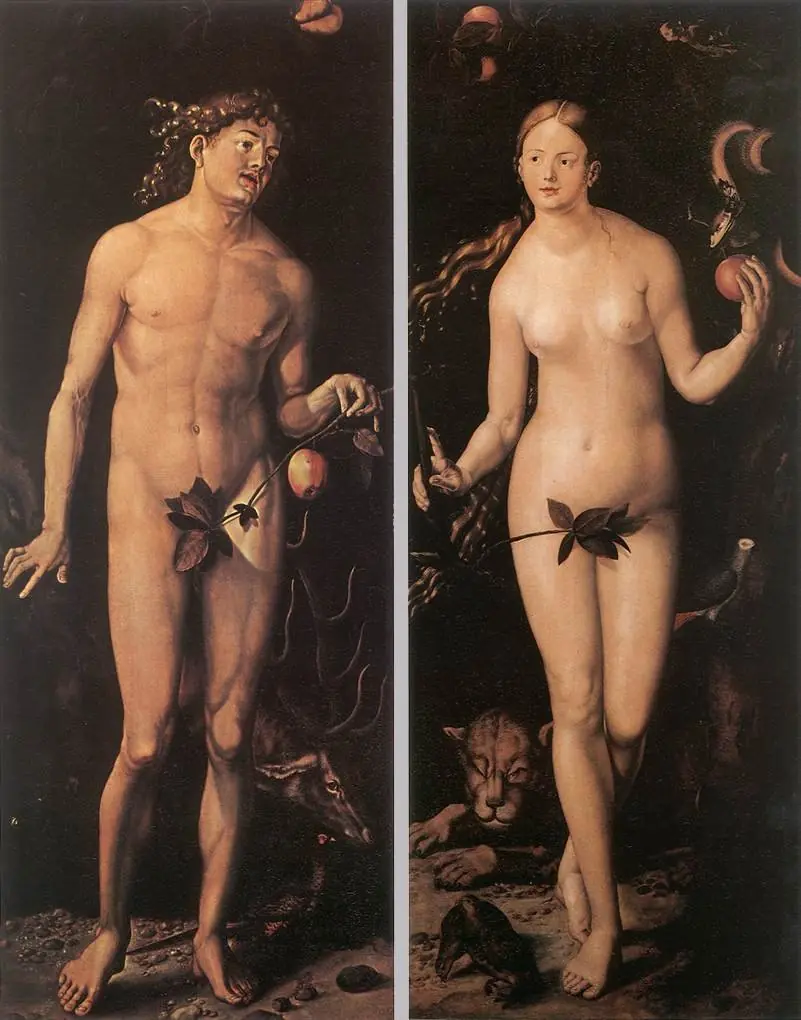 Adam and Eve
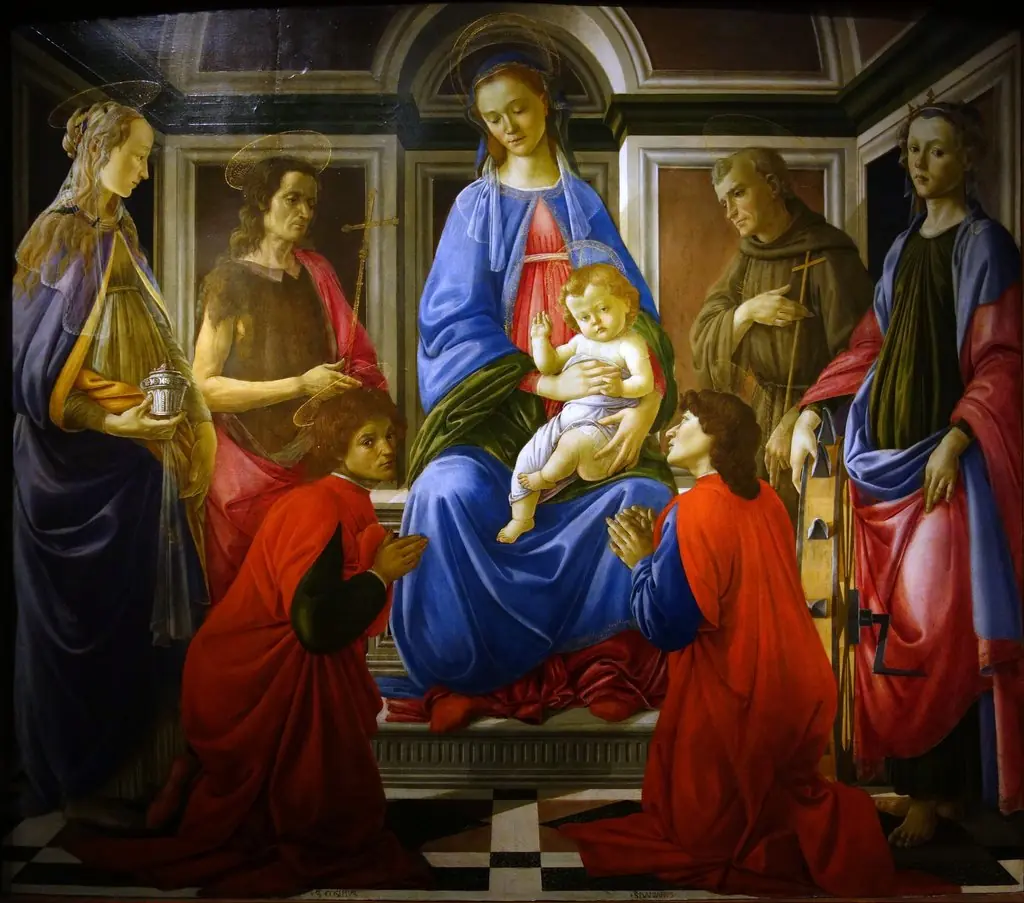 Sant'Ambrogio Altarpiece
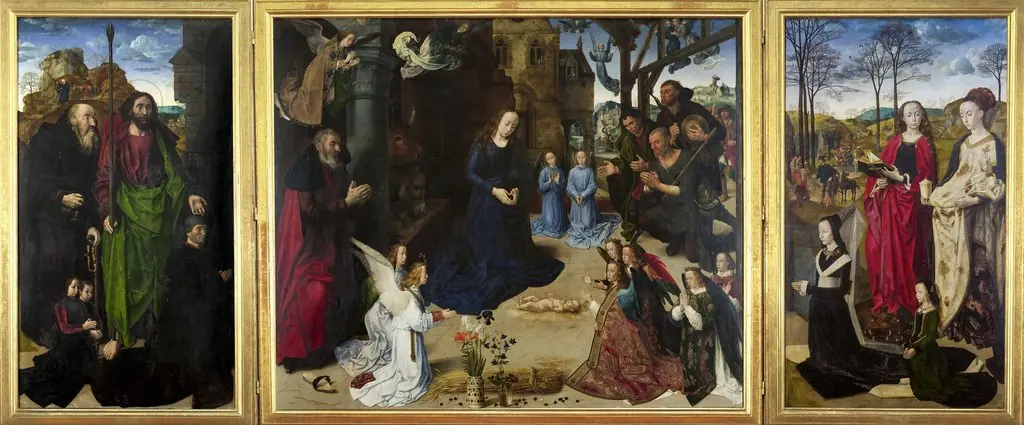 Portinari Triptych
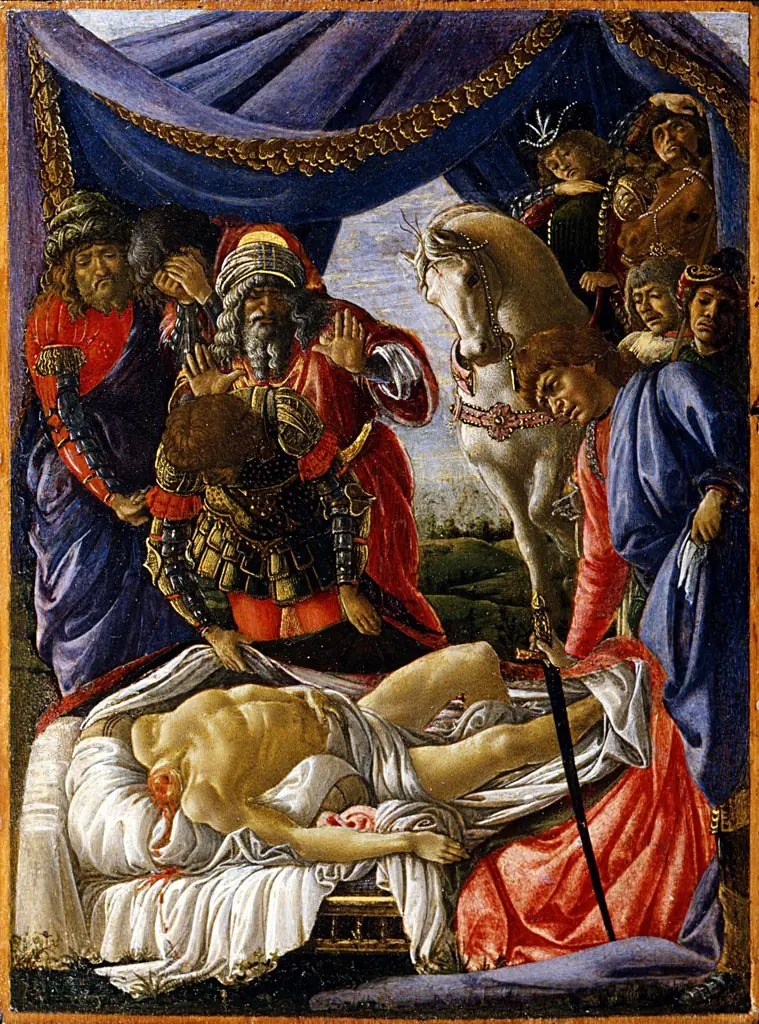 The Discovery of the Body of Holofernes
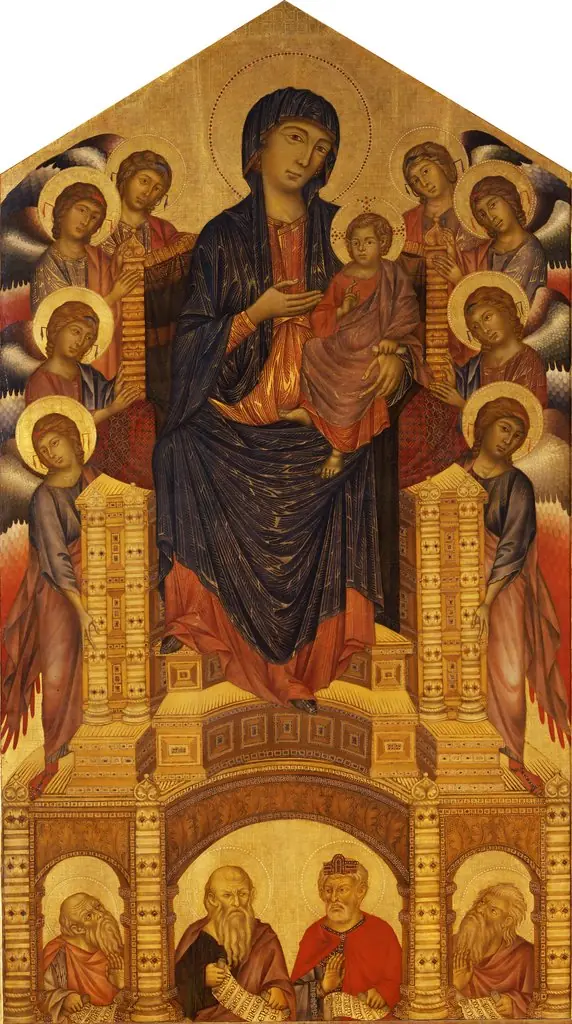 Madonna and Child Enthroned with Angels and Prophets. ˋSanta Trinità Maestà´
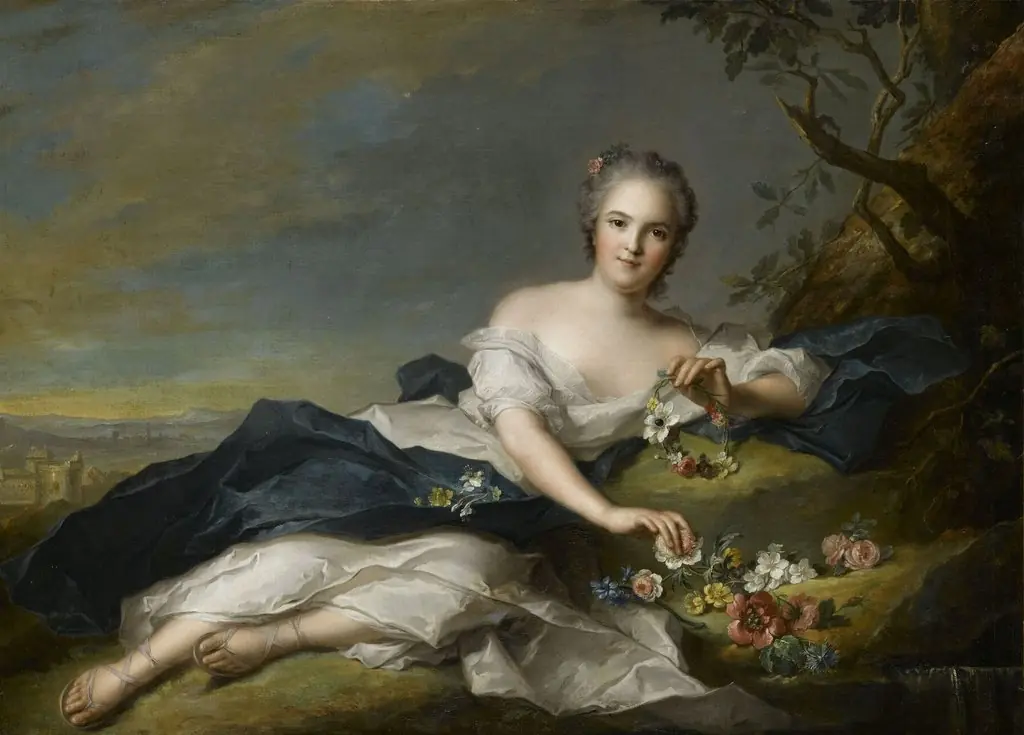 Henriette of France as Flora
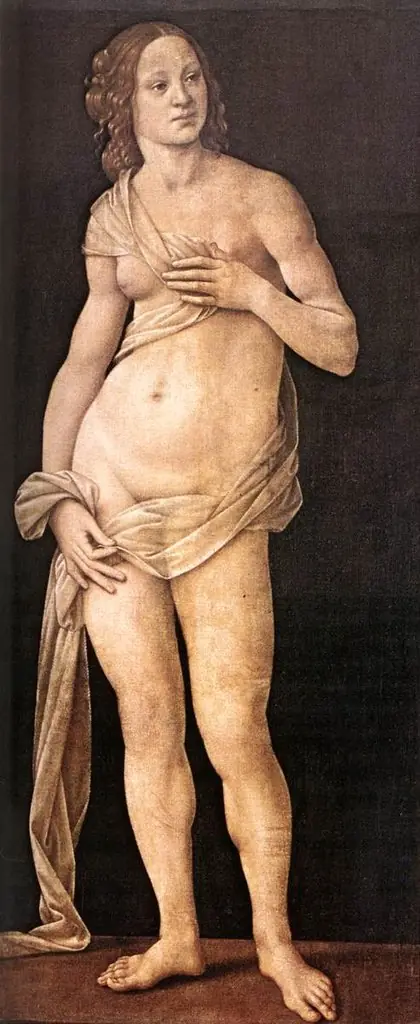 Venus
Venus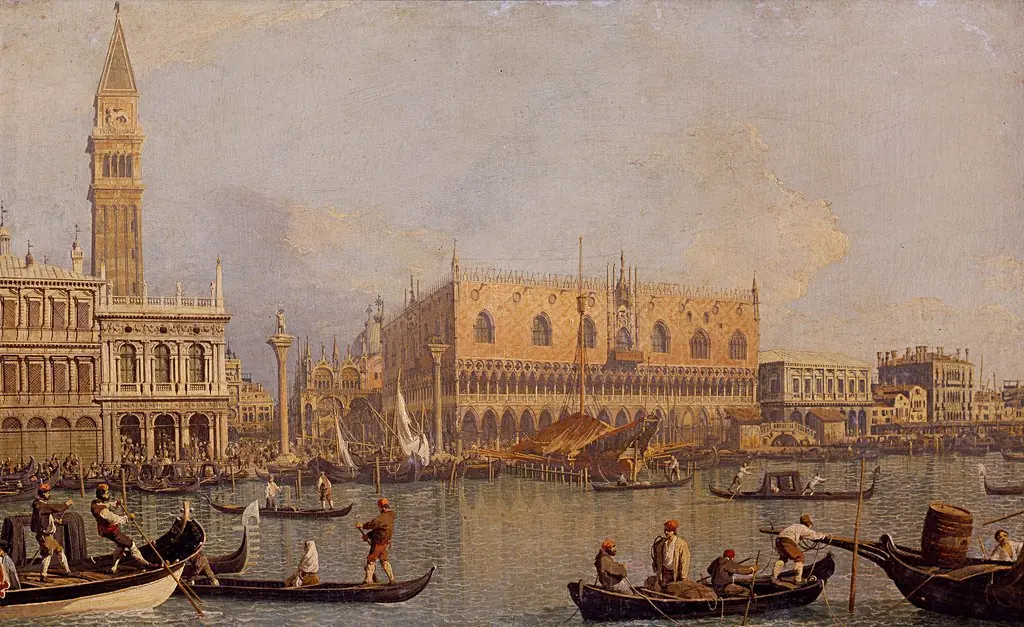 View of the Ducal Palace in Venice
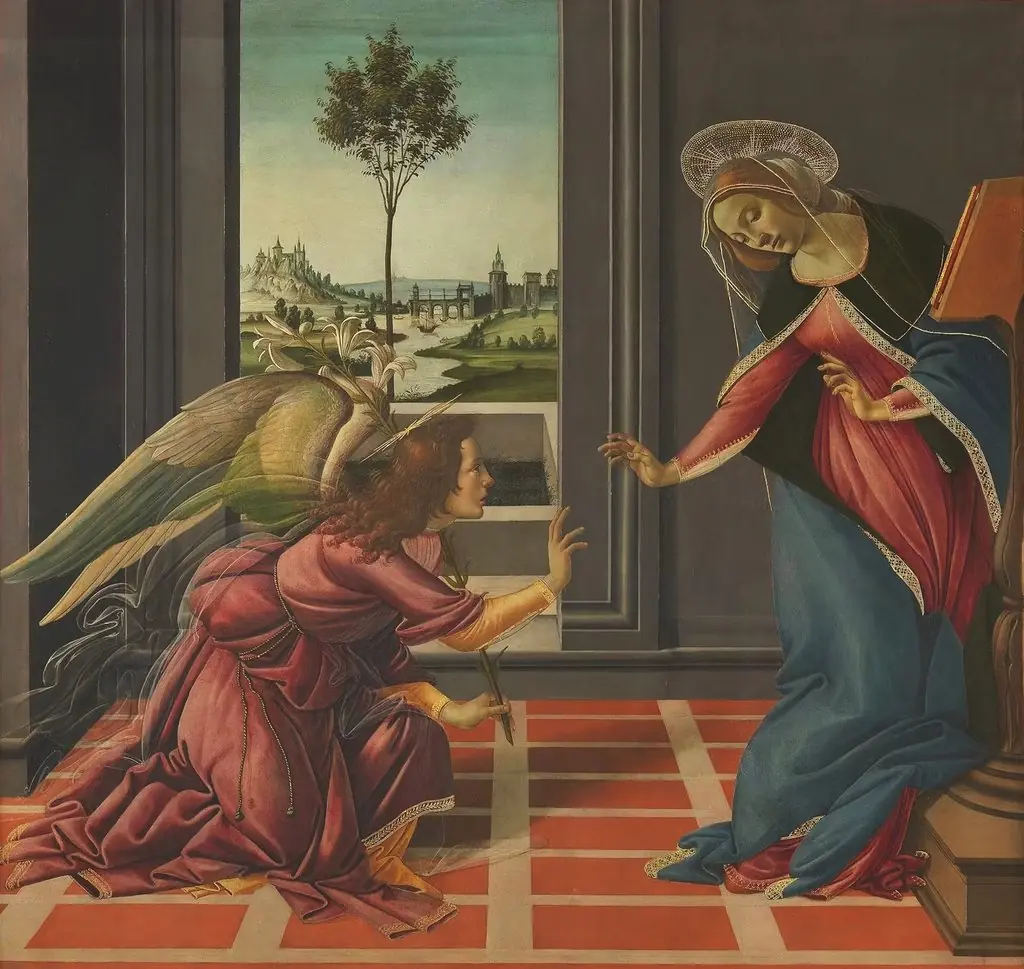 Cestello Annunciation
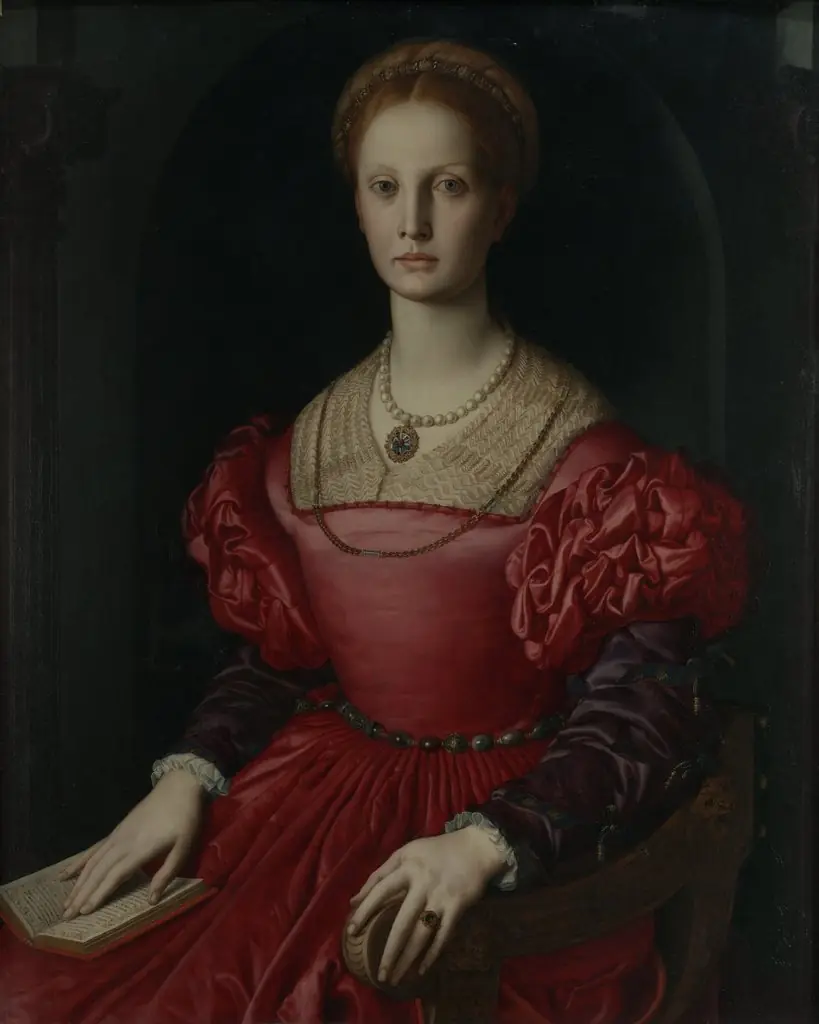 Portrait of Lucrezia Panciatichi
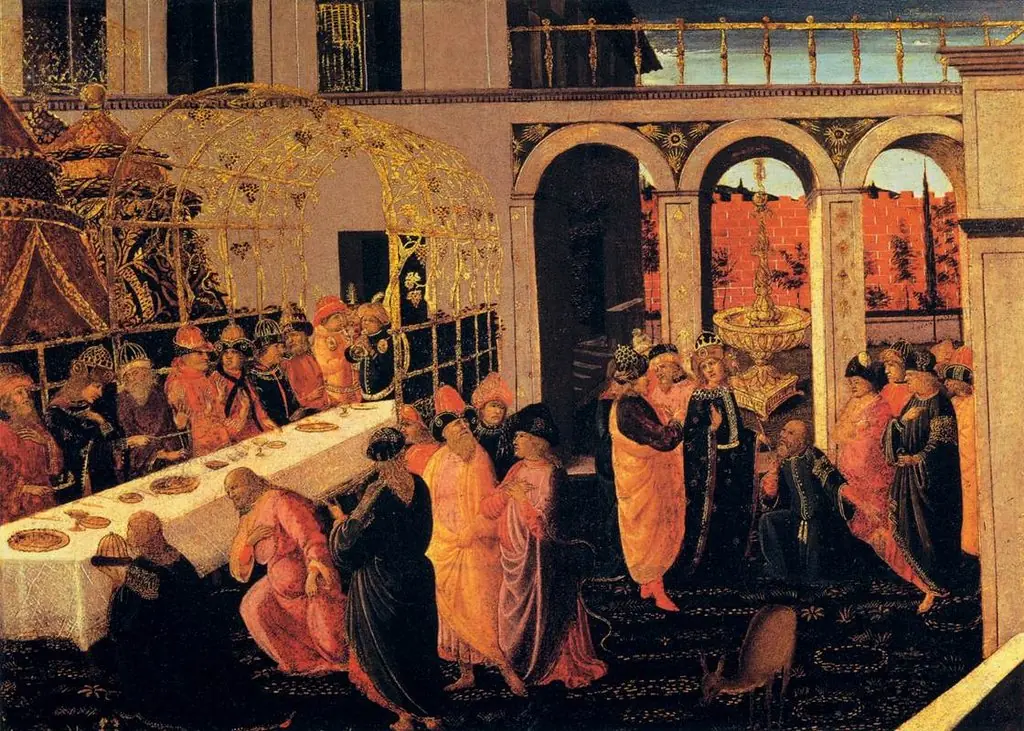 The Banquet of Ahasuerus
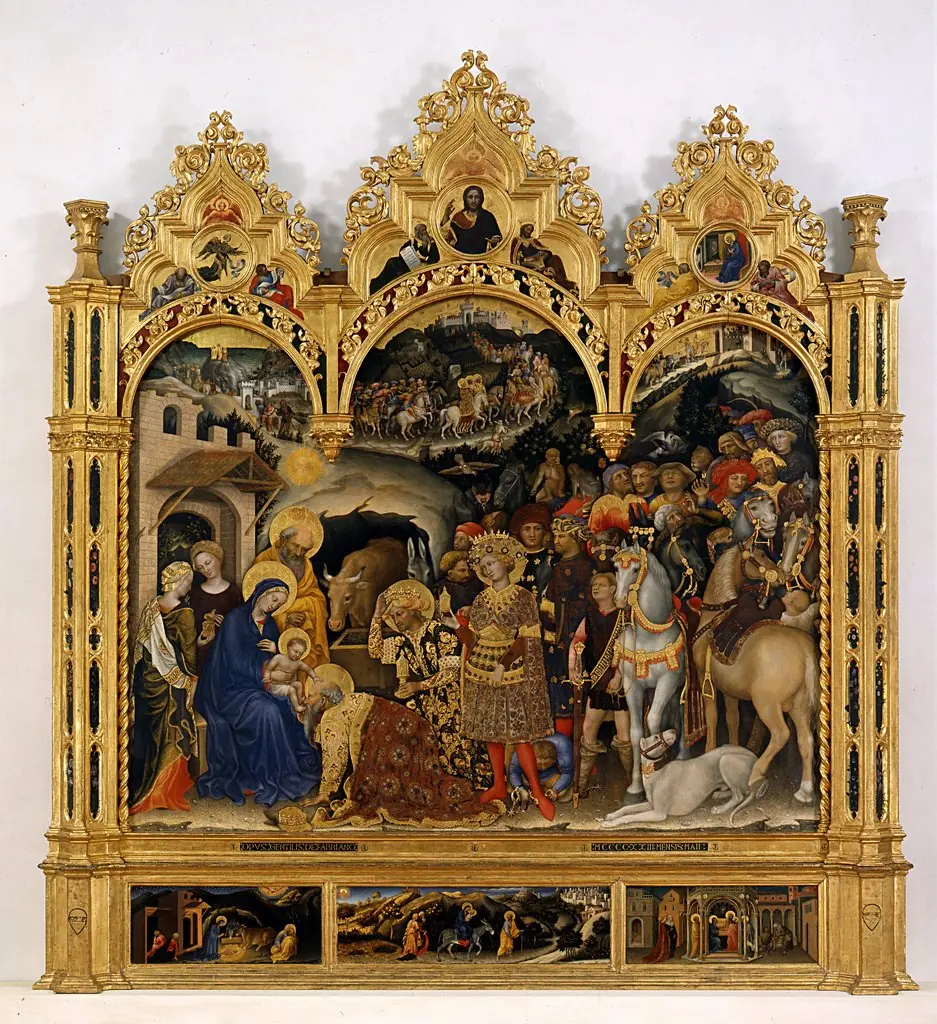 Adoration of the Magi
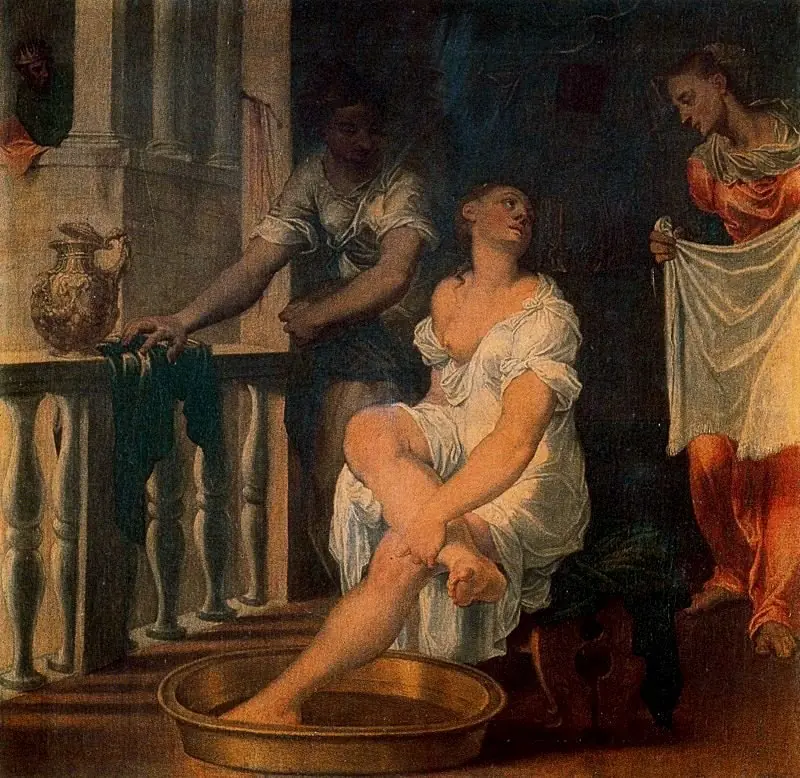 Bathsheba at her bath
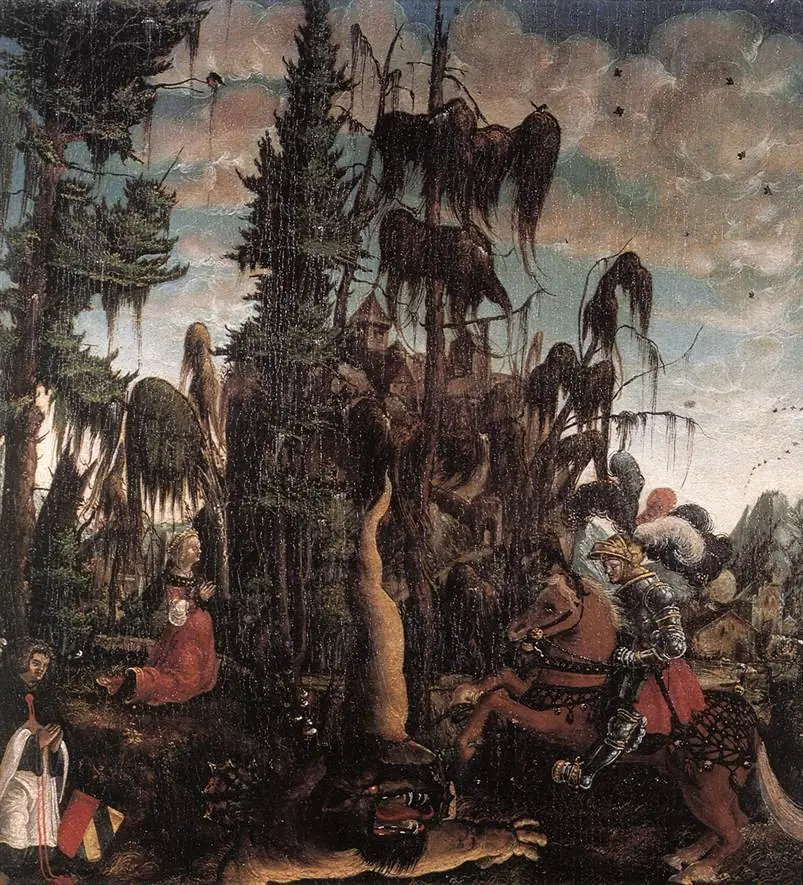 St George Freeing the Princess
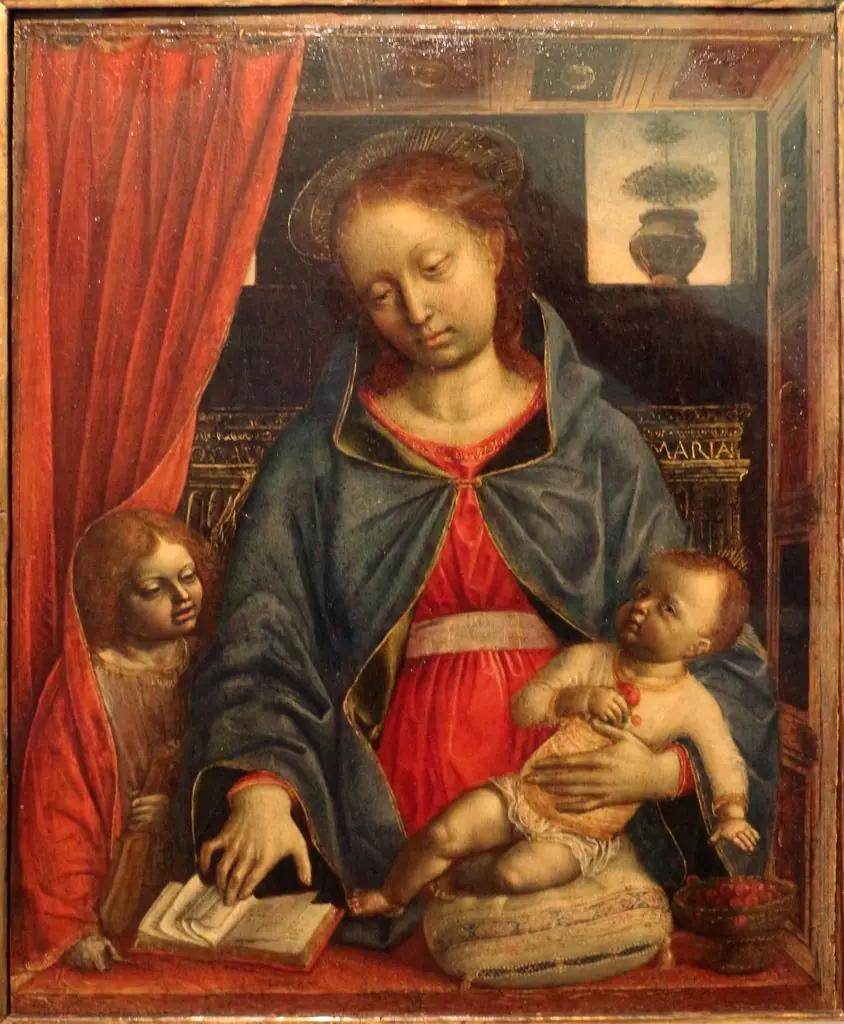 Madonna and Child with an Angel
 Fortitude
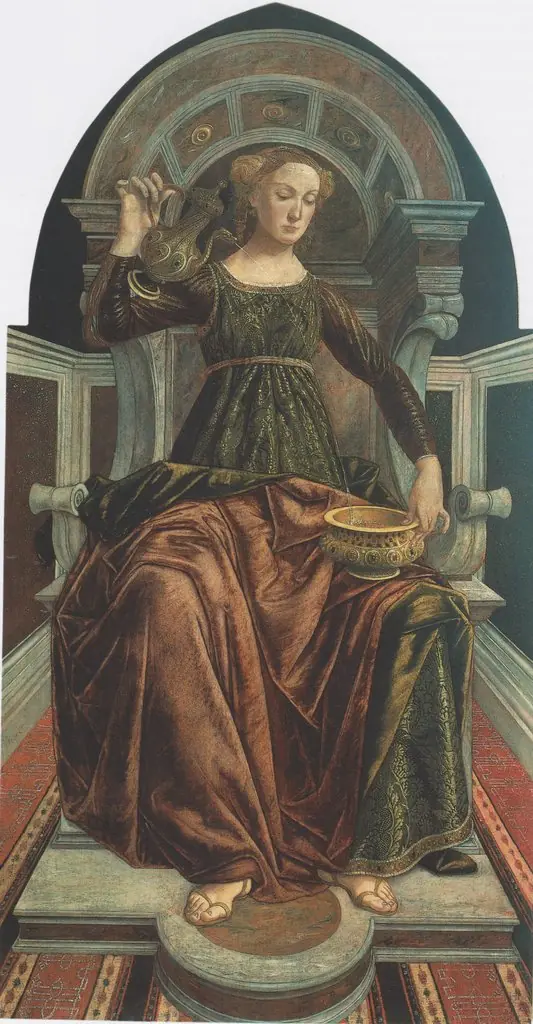 Temperance
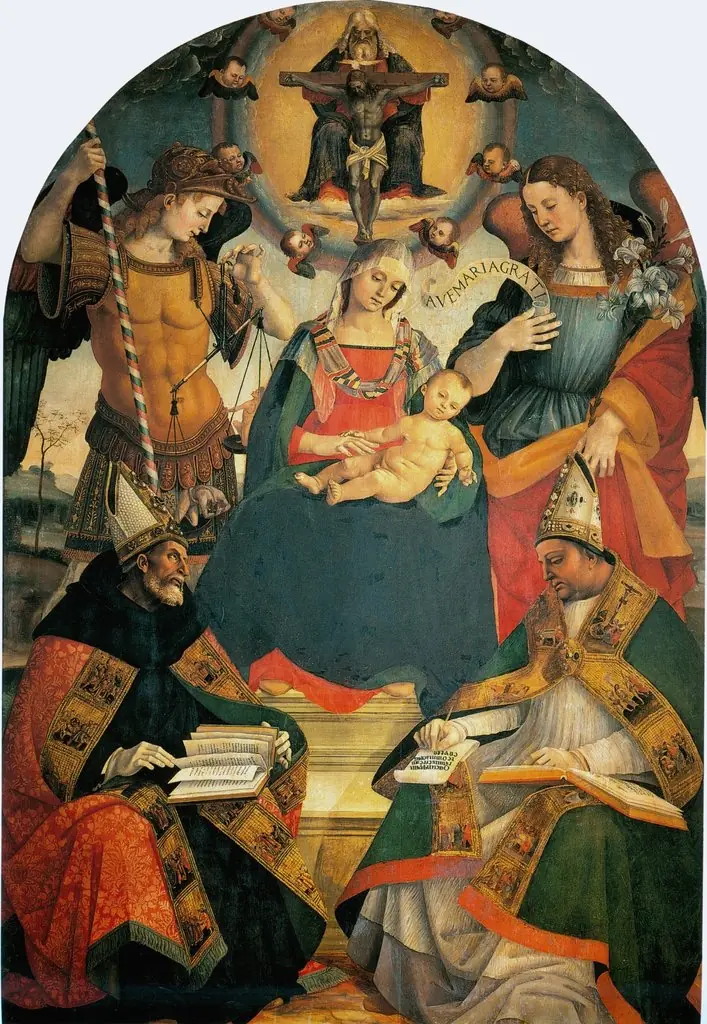 Trinity, the Virgin, and Two Saints
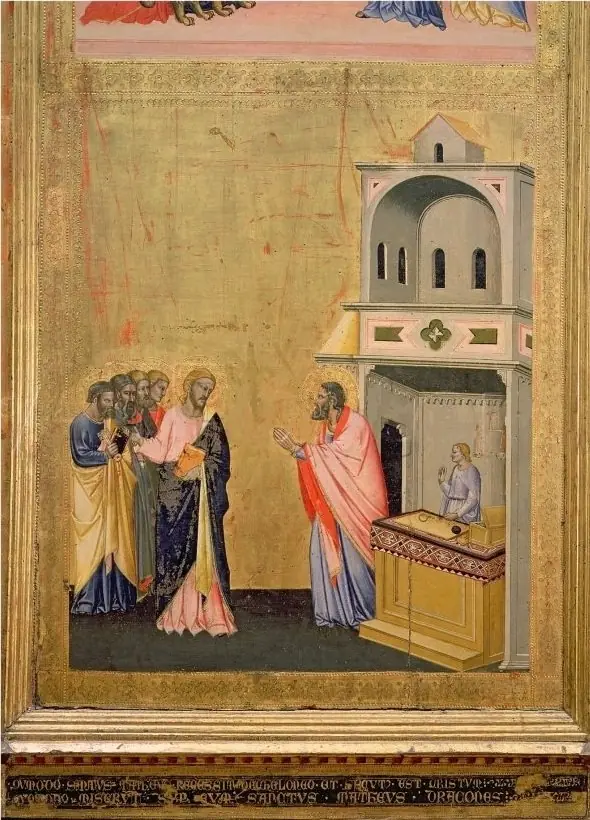 The Calling of St. Matthew
 Madonna of the Roses
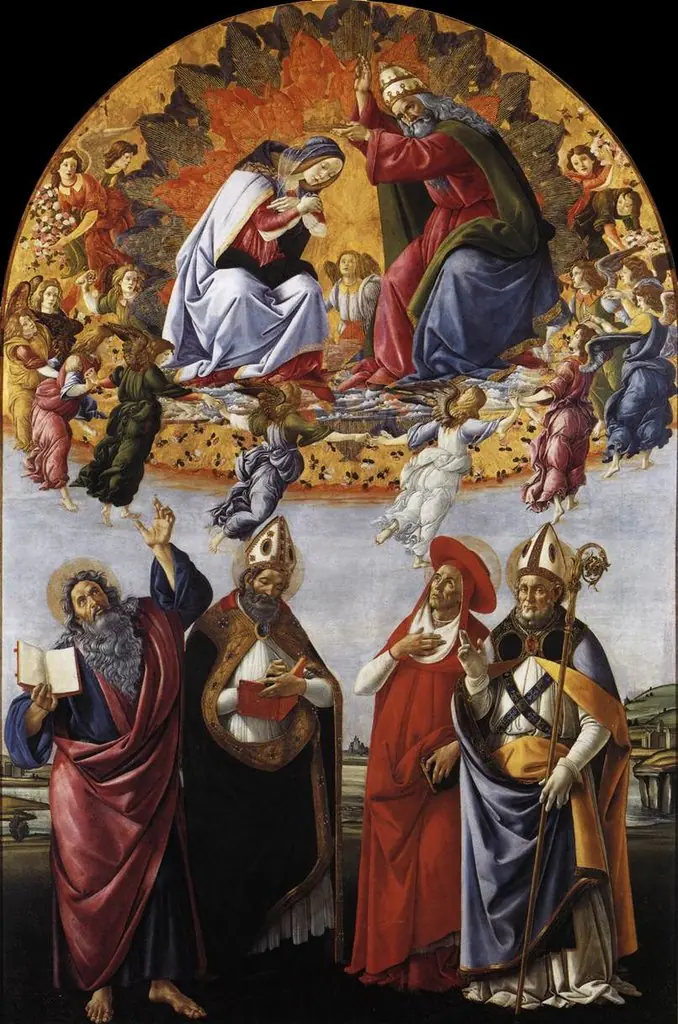 Coronation of the Virgin
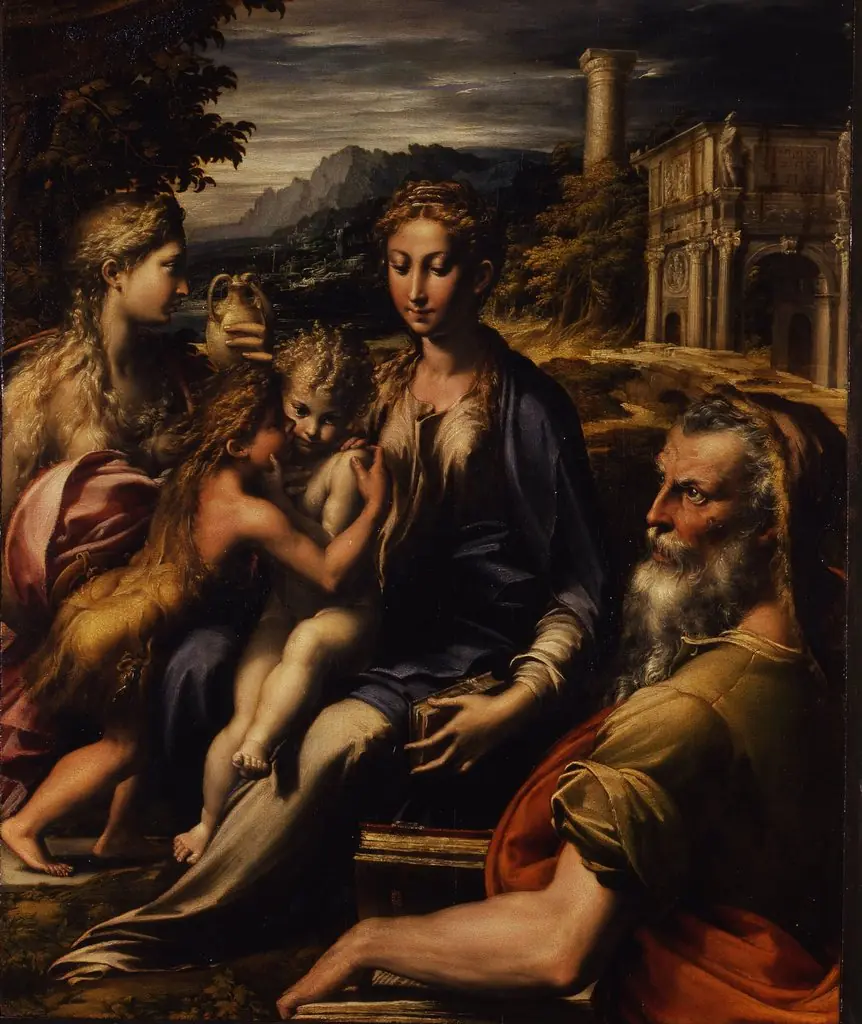 Madonna and Child with Saints
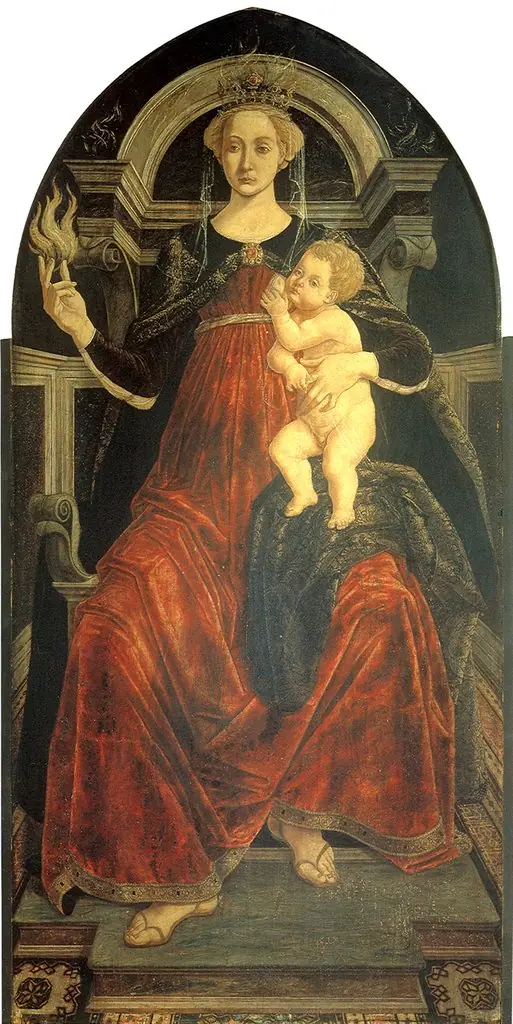 Charity
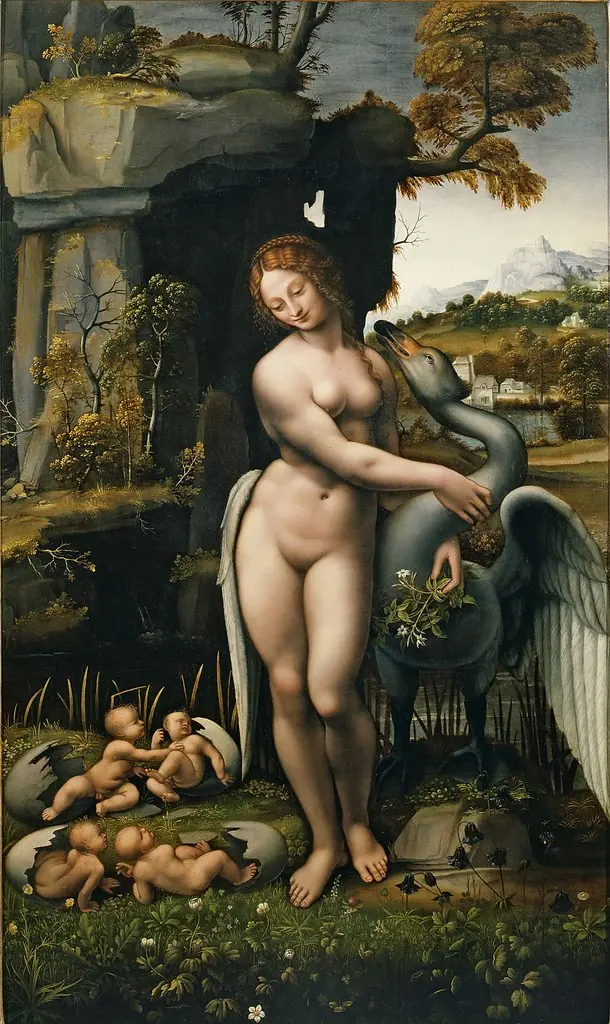 Leda and the Swan
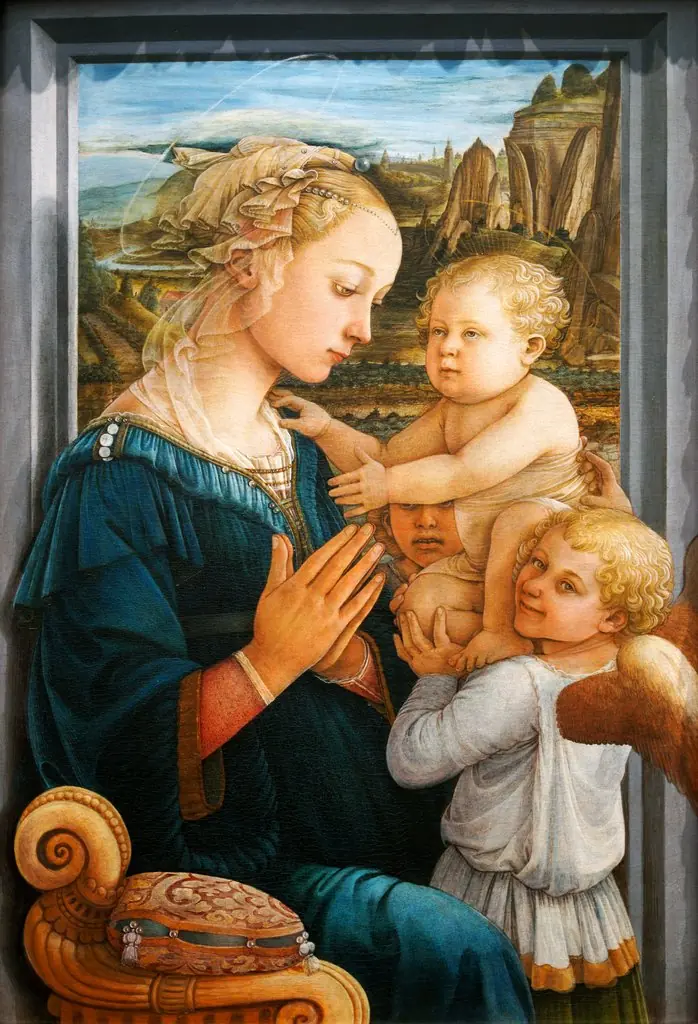 Madonna and Child
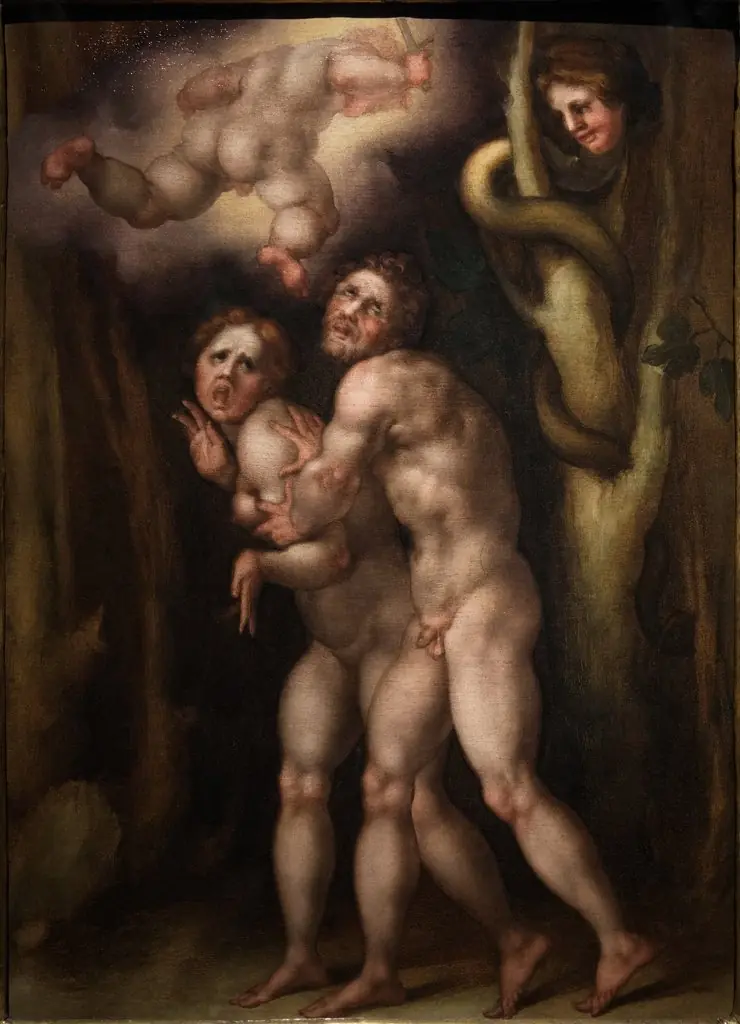 Expulsion of Adam and Eve
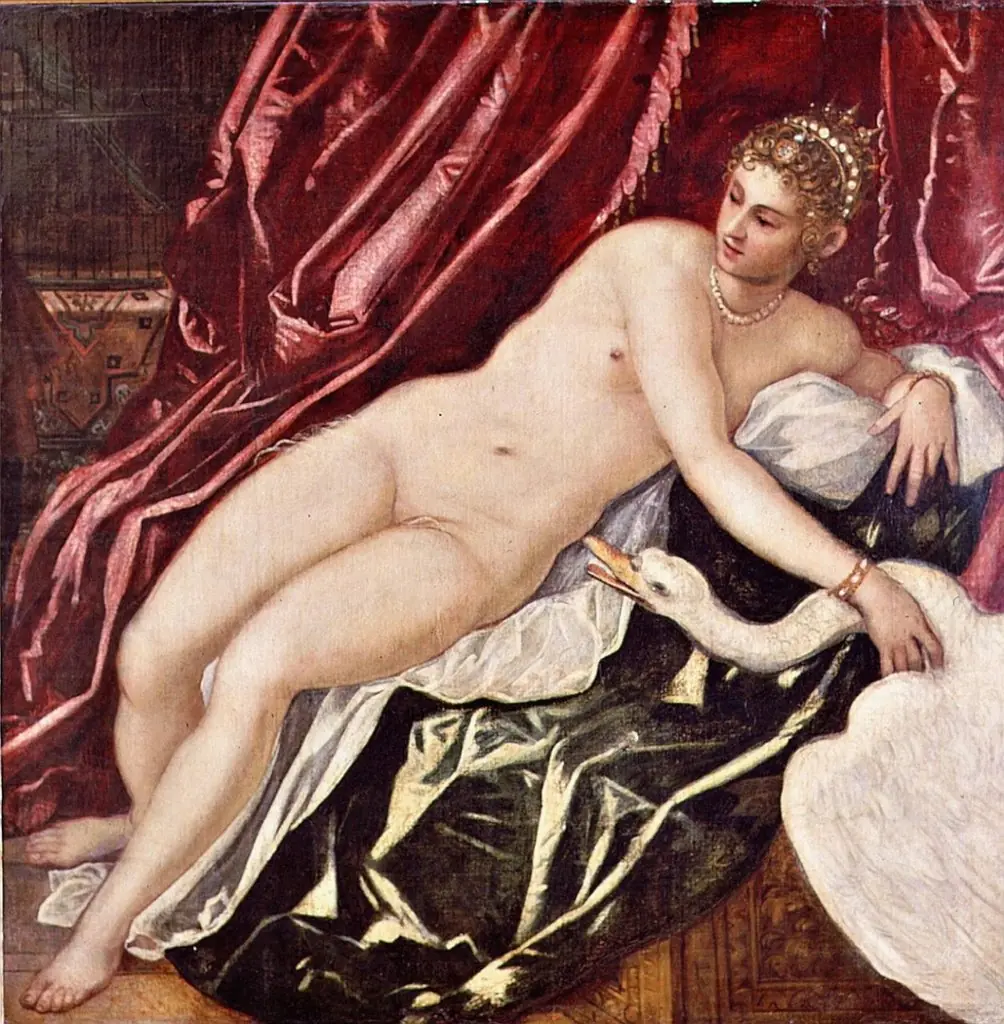 Leda and the Swan
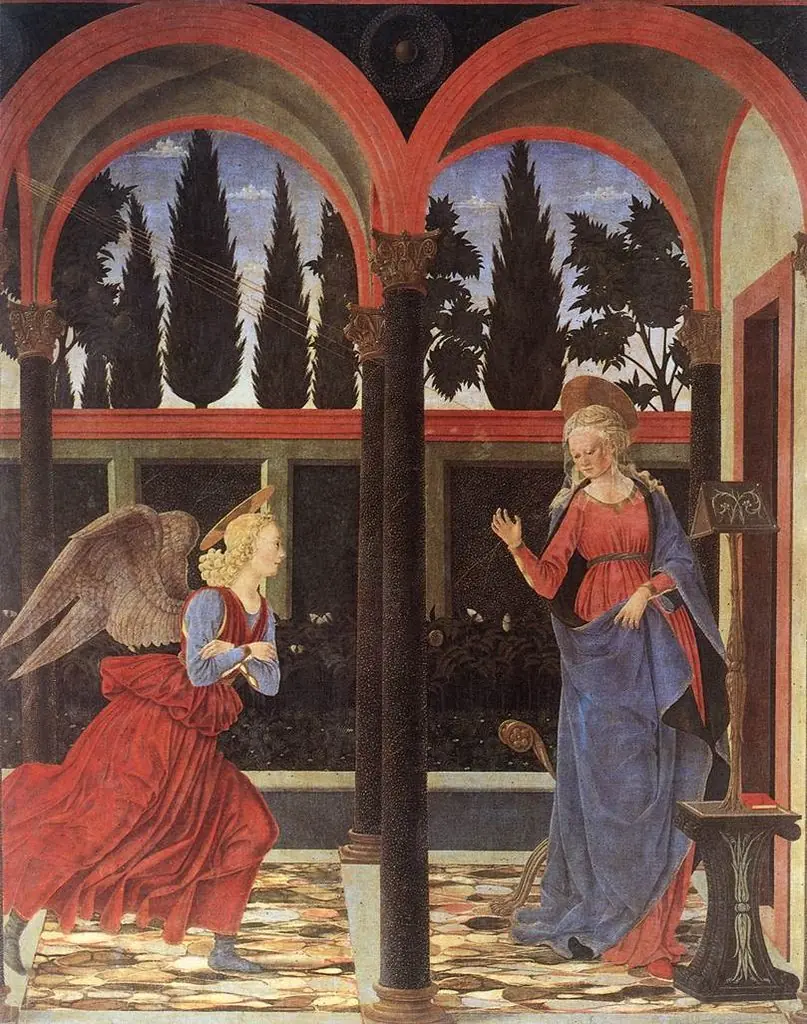 Annunciation
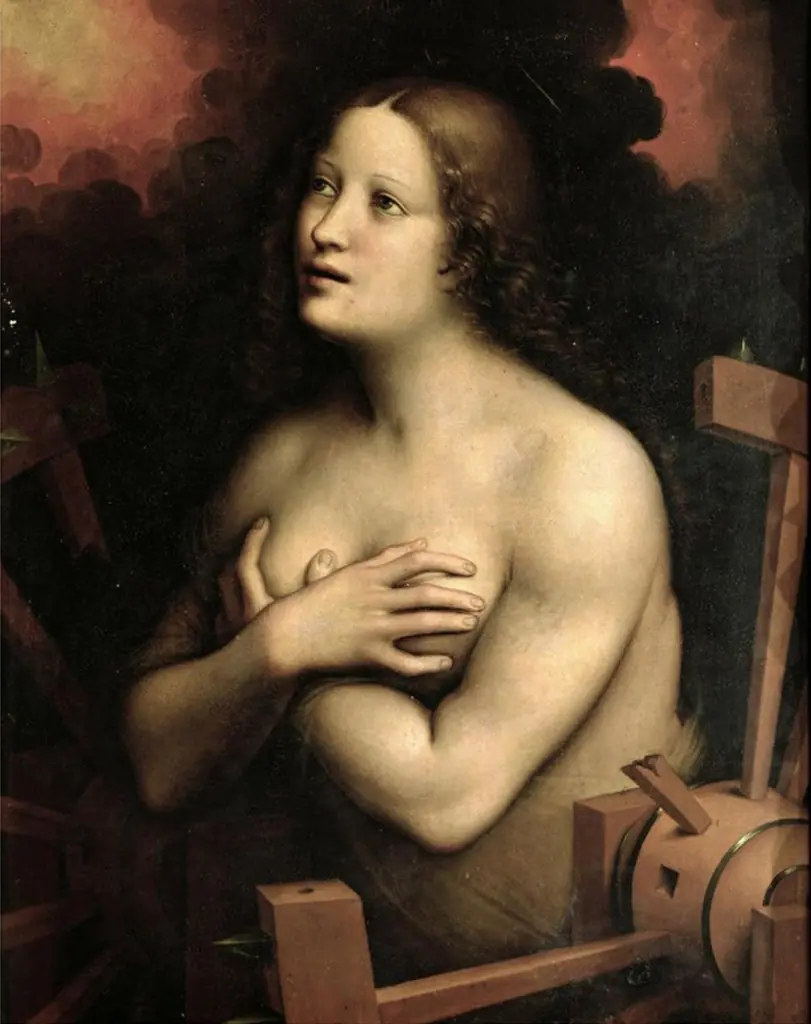 Saint Catherine of Alexandria
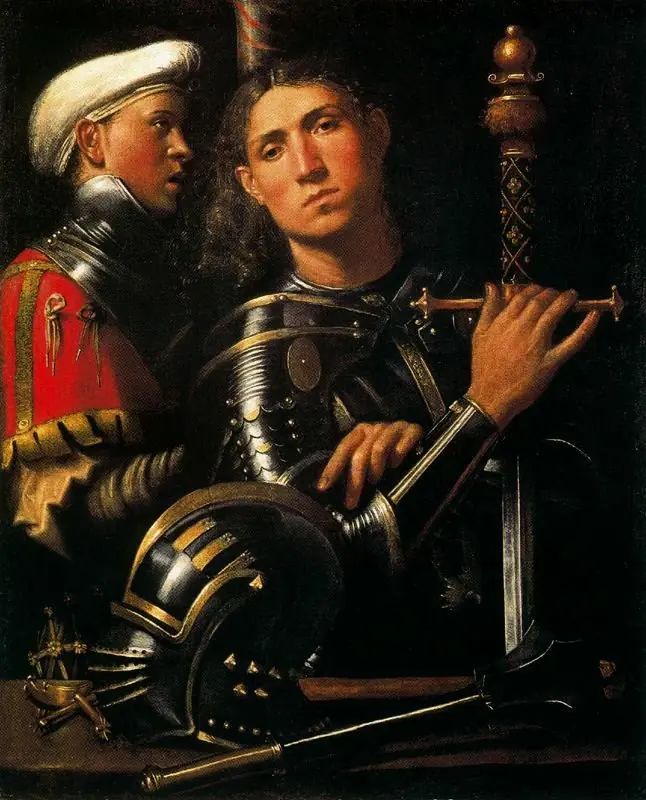 Portrait of a soldier with his squire
Plan your visit
Uffizi Gallery
- Website
- www.uffizi.it
What's on
- At the Pitti Palace, the “very best” of the king’s furniture9 Dec 2025 – 31 Dec 2026
- At Palazzo Pitti the 20th century showcased in 40 dreamlike dresses: the new arrangement at the museum of Costume and Fashion16 Jul 2025 – 31 Dec 2026
- The new arrangement of the Museum of Costume and Fashion16 Jul 2024 – 31 Dec 2030