Artwork
Still Life
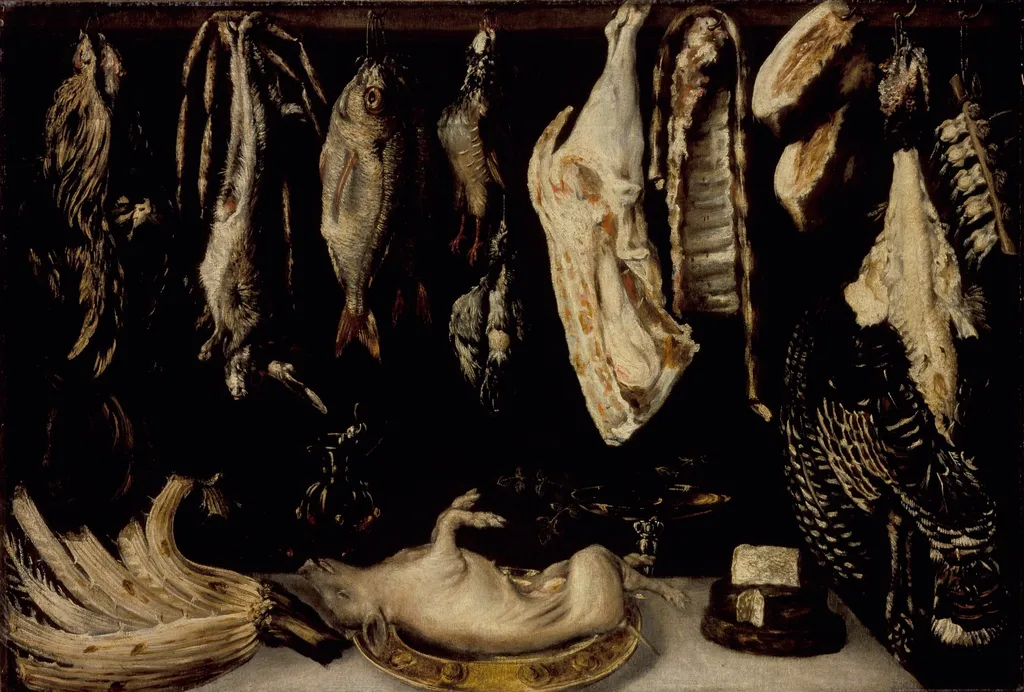
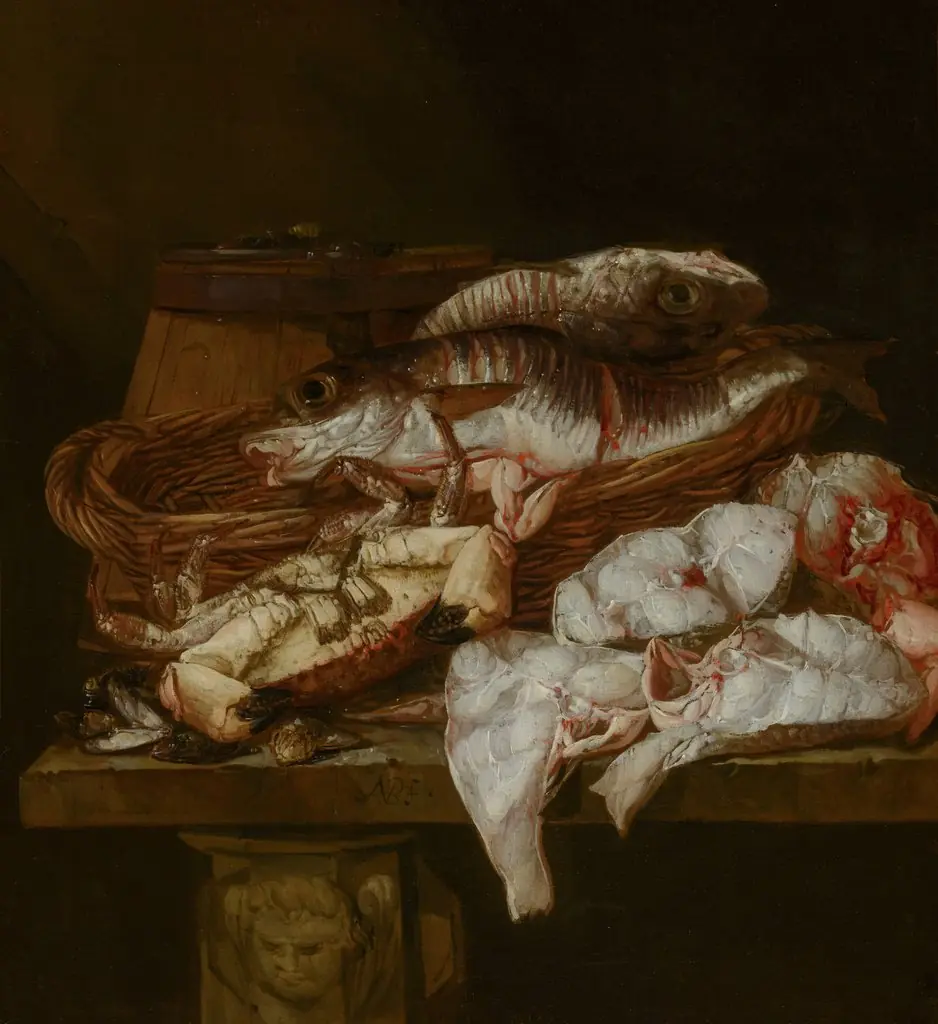
Still Life is an unspecified painting by the Early Baroque Italian artist Alonso de Escobar. It dates from 1625 and is held in the collection of the Los Angeles County Museum of Art.
About this work
Overview
The composition focuses on the physical presence of foodstuffs—meats, fish, bread, and vegetables—arranged with deliberate order.
Painted around 1625 by Alonso de Escobar, this still life presents an arrangement of slaughtered animals and provisions suspended against a deep, unbroken background. The composition focuses on the physical presence of foodstuffs—meats, fish, bread, and vegetables—arranged with deliberate order. Its quiet realism reflects a tradition of Spanish still life painting that valued observation over ornamentation.
Subject & Meaning
The painting depicts butchered game and market goods, suggesting themes of abundance and transience. The hanging carcasses and fresh produce imply a moment captured after slaughter, before consumption. Such imagery may allude to the fleeting nature of earthly pleasures, a common undertone in early 17th-century Spanish art, where material wealth is shown without glorification.
Technique & Style
Escobar employs a muted palette and sharp tonal contrasts to emphasize texture and form. The dark background isolates each item, heightening the tactile quality of skin, flesh, and crust. Brushwork is precise but unadorned, favoring clarity over flourish. The arrangement is neither chaotic nor symbolic, instead presenting objects with a quiet, documentary neutrality.
History & Provenance
The painting entered the collection of the Los Angeles County Museum of Art in the 20th century, though its earlier ownership remains undocumented. It is among the few securely attributed works by Escobar, a lesser-known artist active in Spain during the early Baroque period. Its survival offers rare insight into provincial still life practices outside major artistic centers.
Context
In early 17th-century Spain, still life painting emerged as a distinct genre, often linked to religious austerity and domestic realism. Unlike Italian or Flemish counterparts, Spanish examples frequently avoided lavish displays, favoring humble, unidealized subjects. Escobar’s work aligns with this regional tendency, reflecting the material culture of everyday Spanish households and markets.
Legacy
Though Escobar’s oeuvre is limited, this painting contributes to the understanding of regional Spanish still life traditions. It stands as a quiet example of how ordinary objects were rendered with solemn dignity, influencing later generations who sought to capture the weight of the mundane. Its preservation allows continued study of non-courtly art in Habsburg Spain.
Own this work as a print
Artist & collection

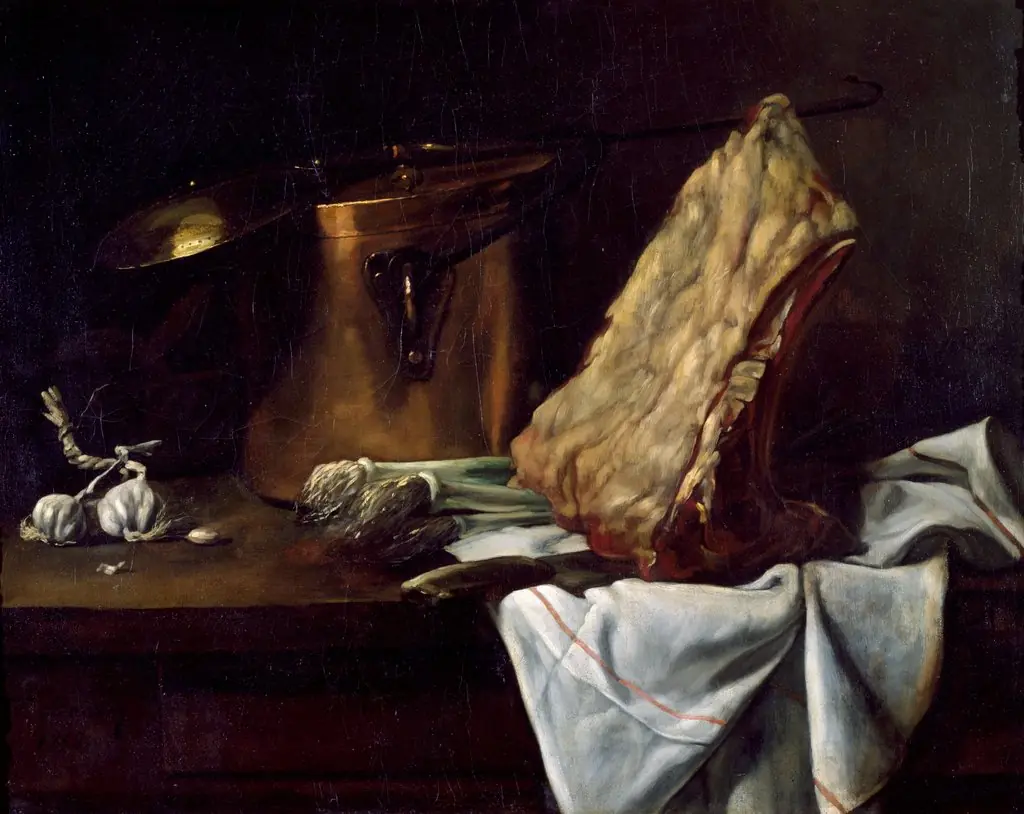 Still Life
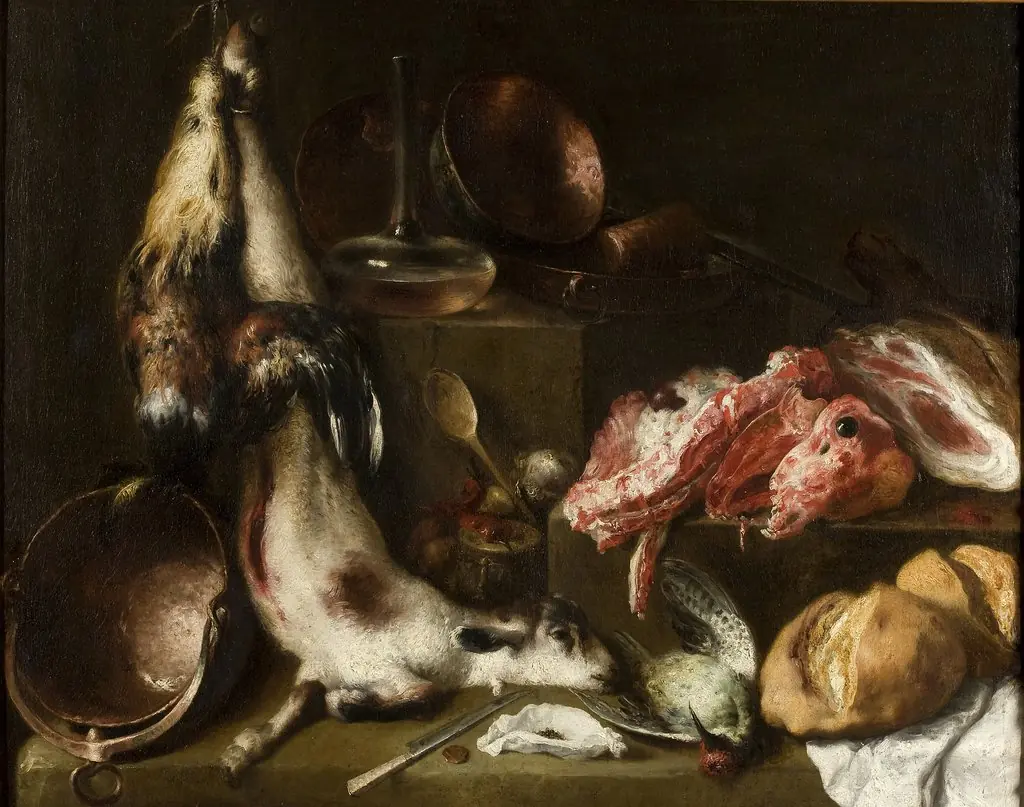 Kitchen Still Life
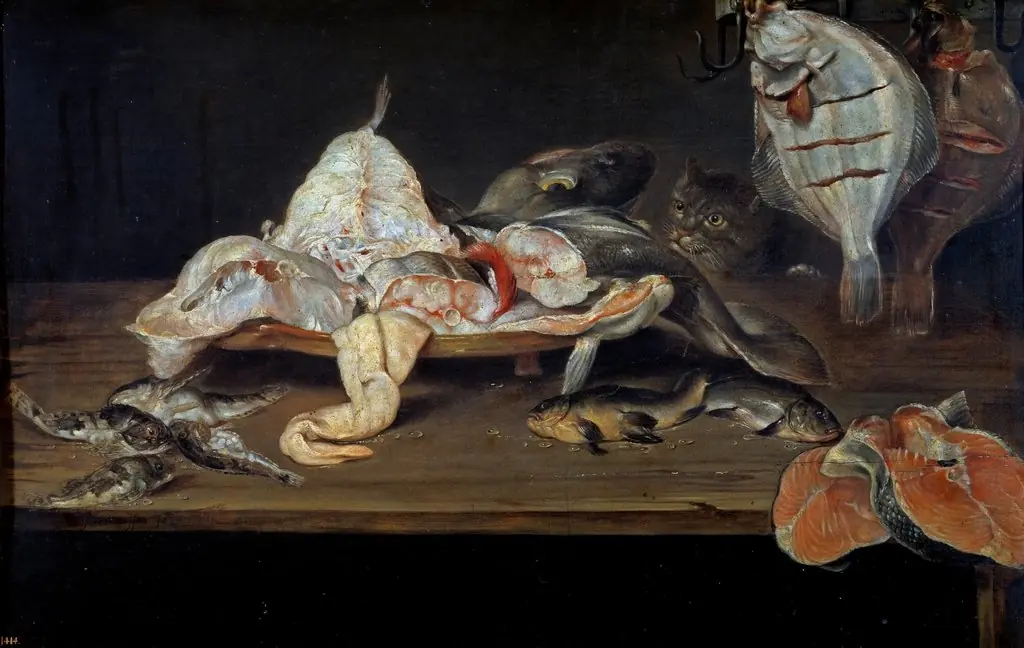 Still life with fish and a cat behind the table
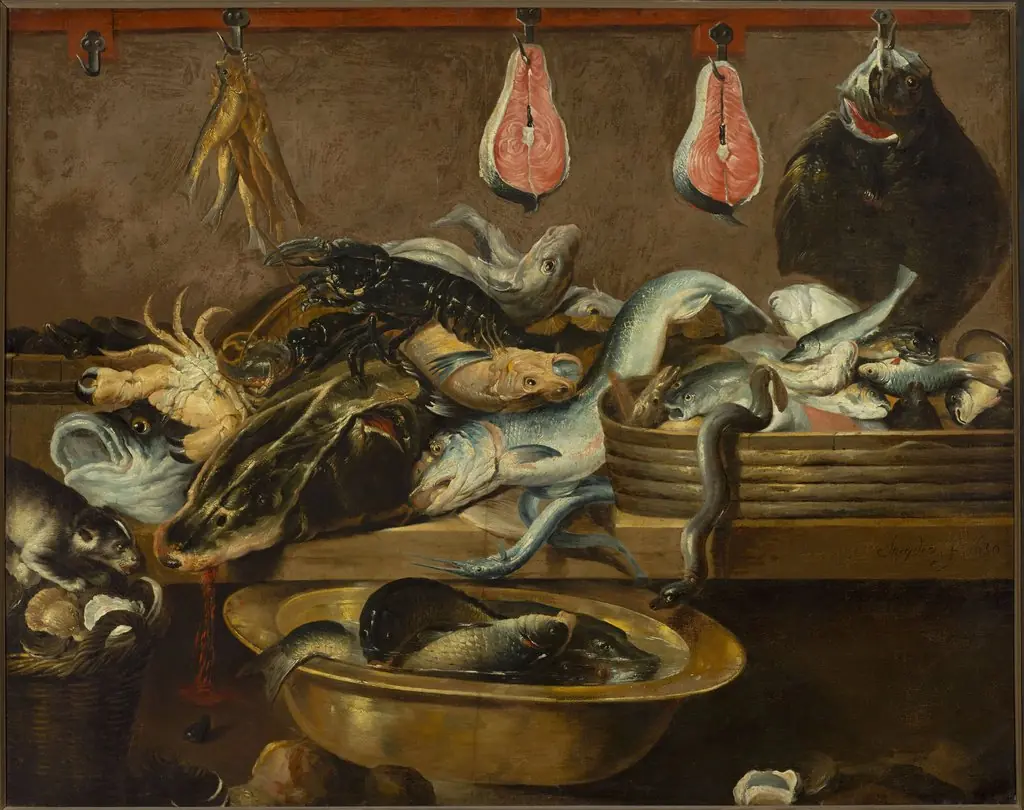 Fish stand
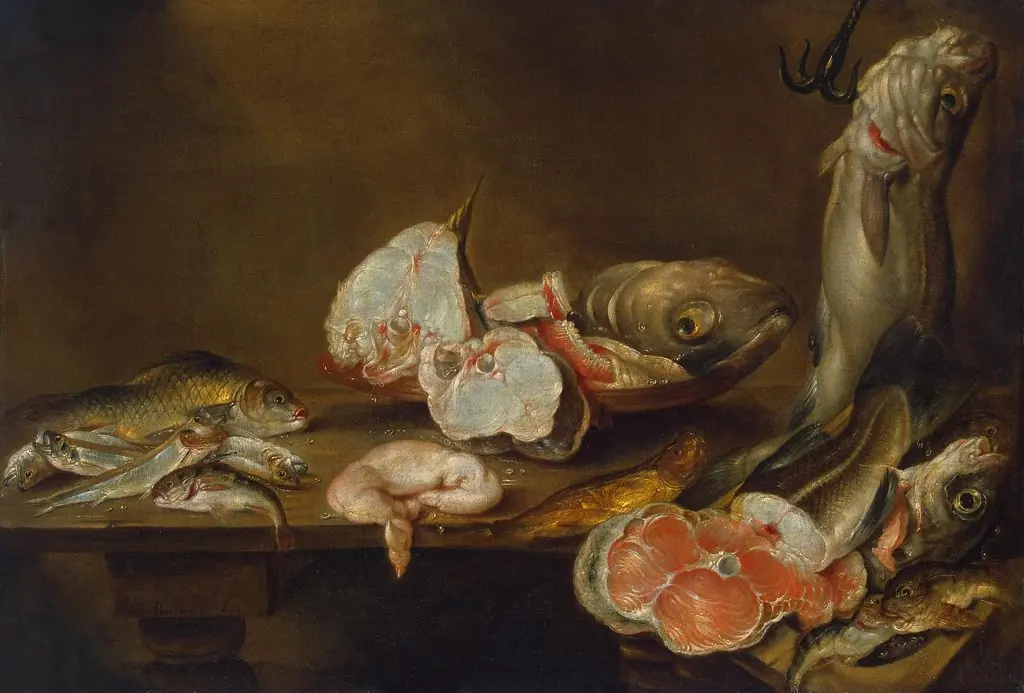 Fish and Dead Game
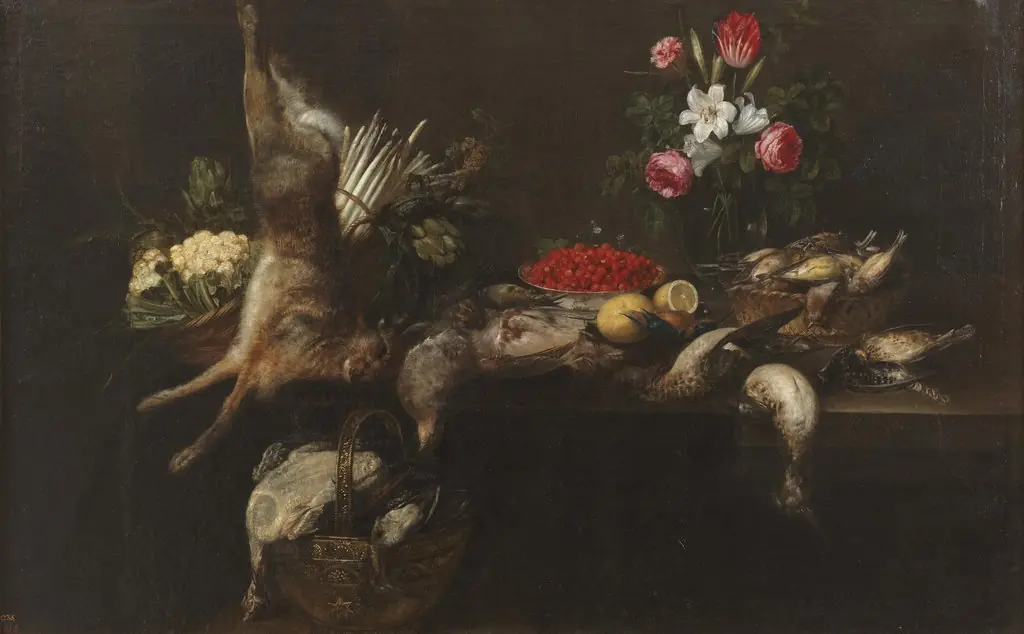 Pantry
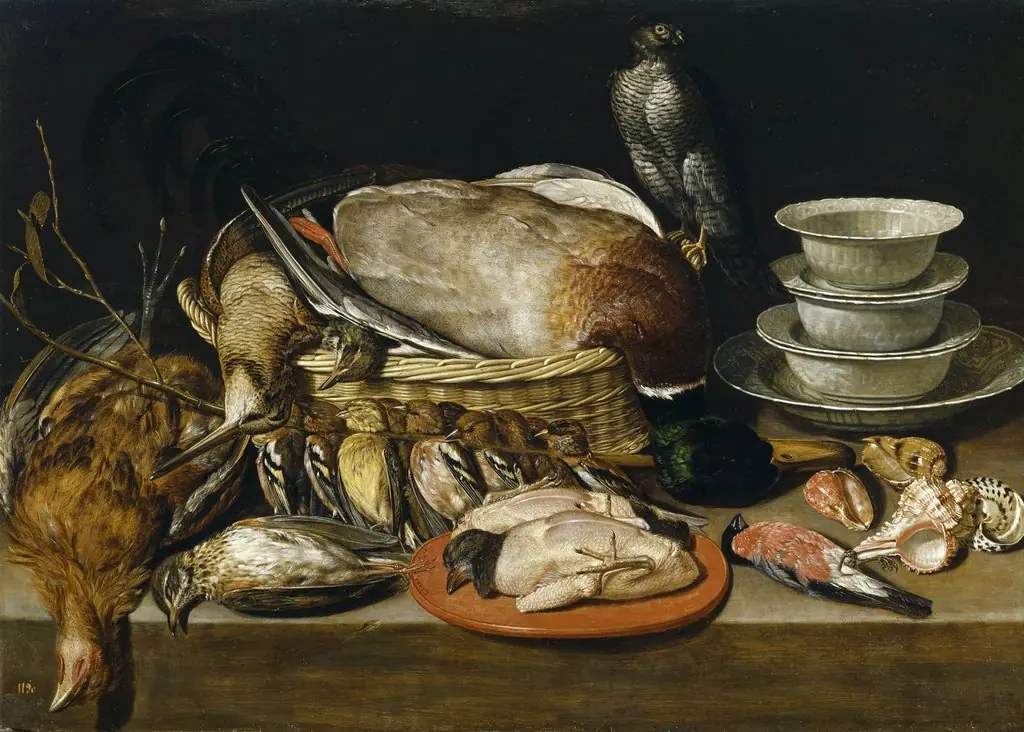 Game piece with poultry
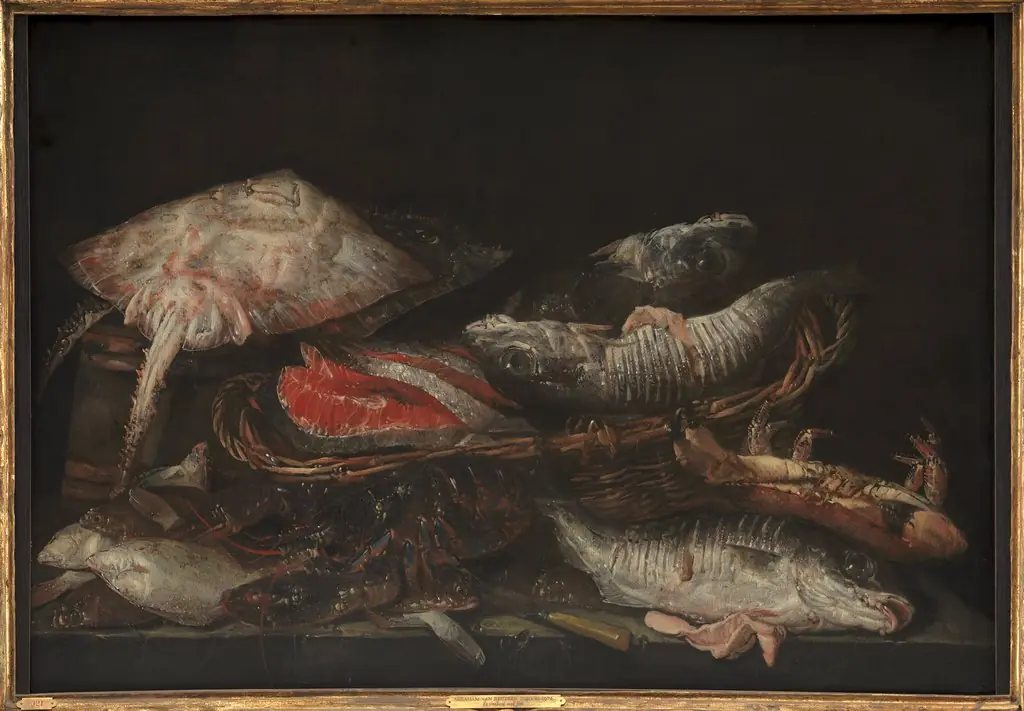 Still Life with Fish on a Stone Table
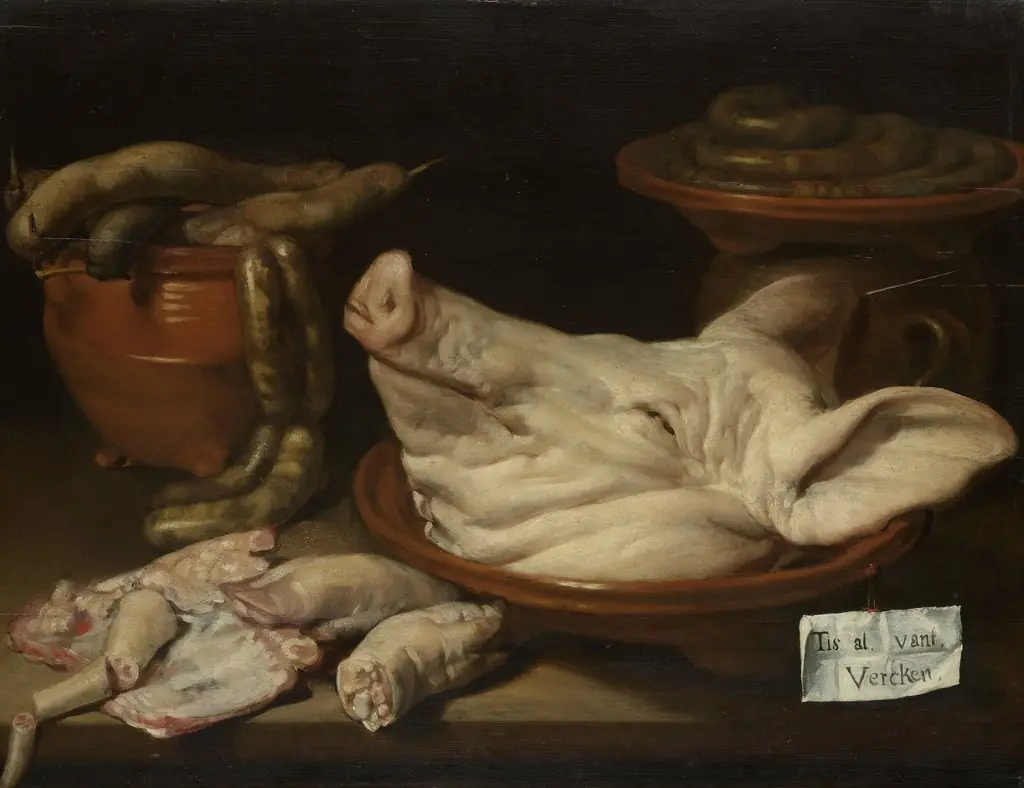 Still Life with Pig's Head, Trotters and Sausage
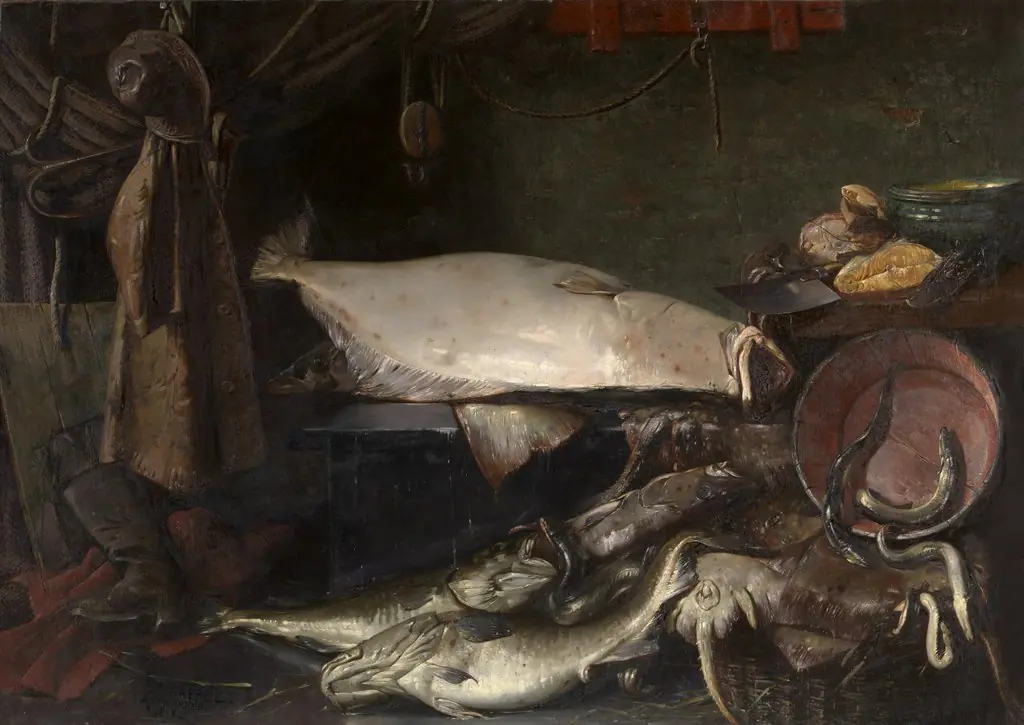 Still Life with Fish
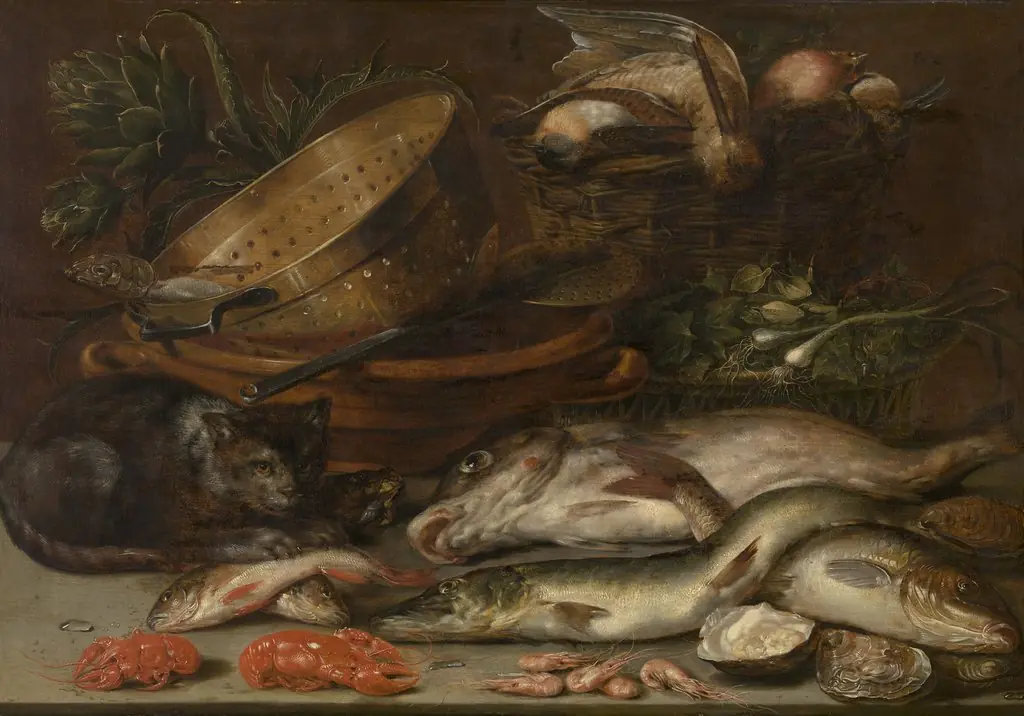 Still life of fish, dead birds, vegetables, kitchenware and a cat
 Still Life with Seafood