Artwork
Fish and Dead Game
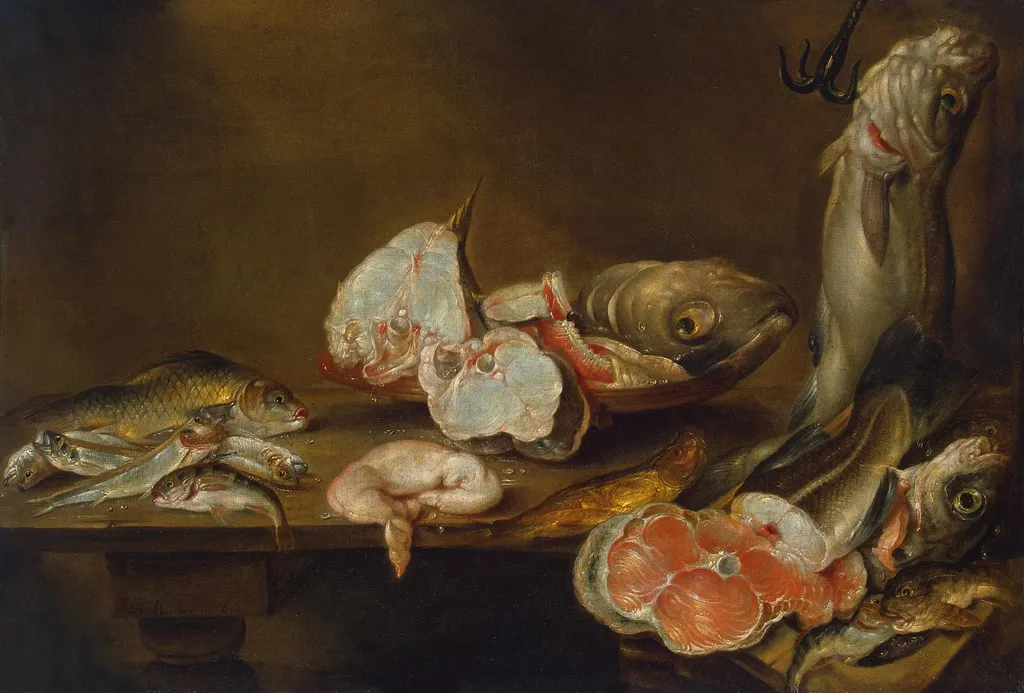
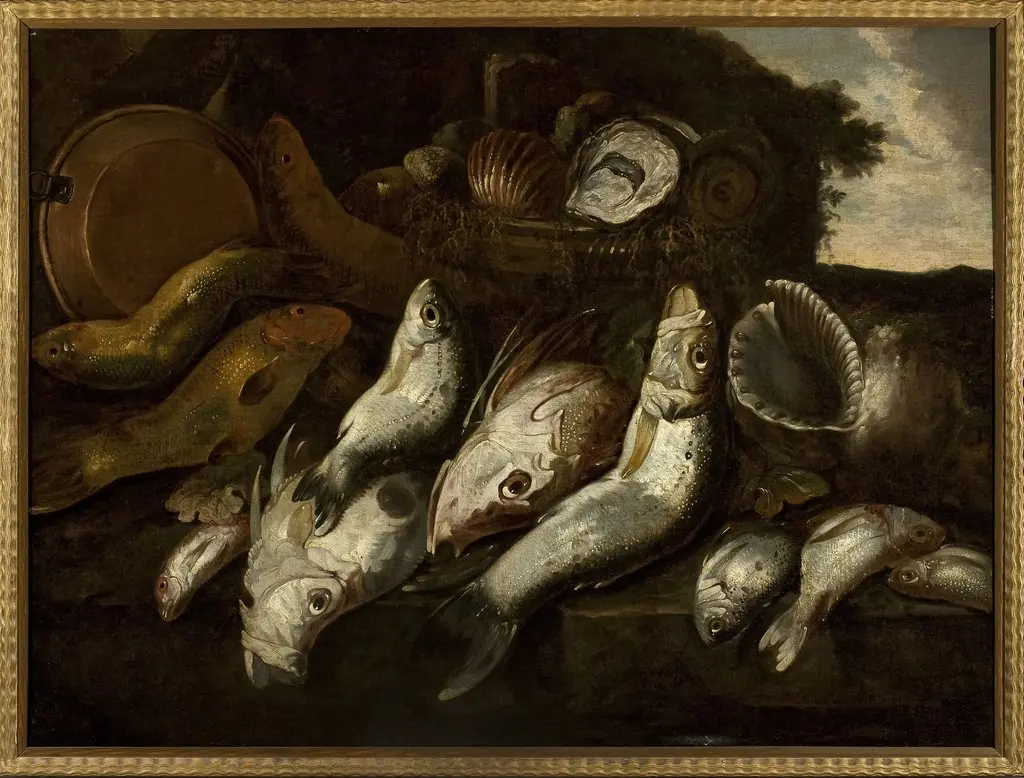
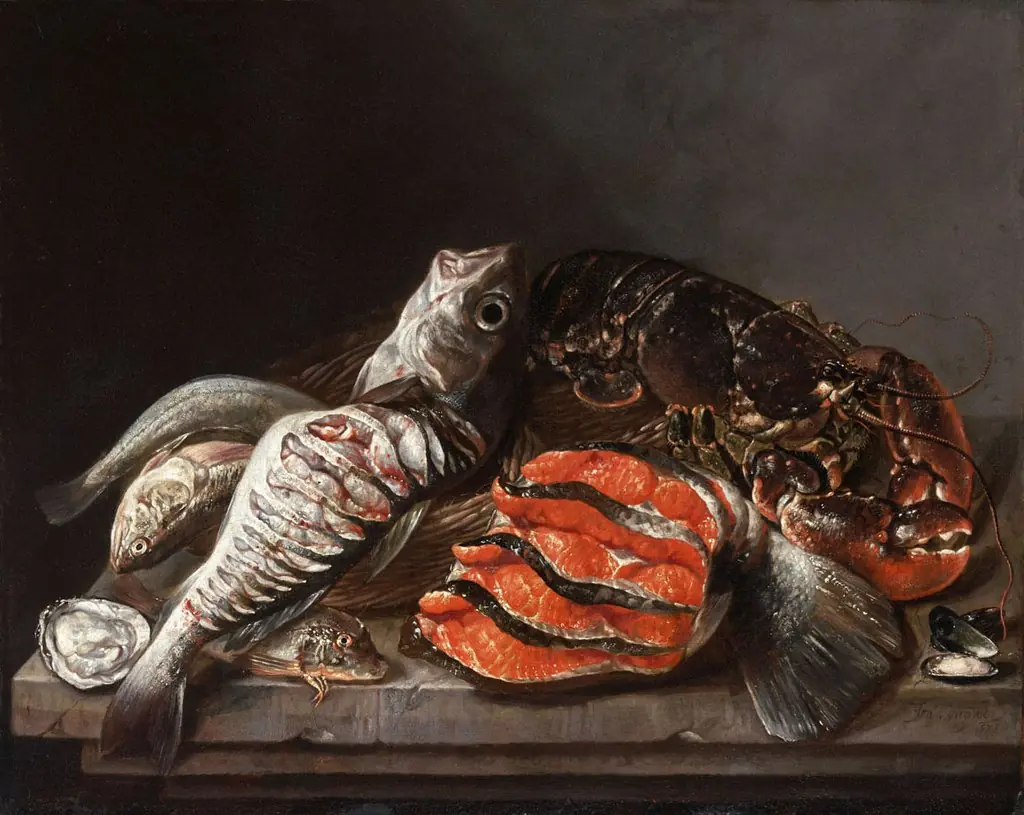
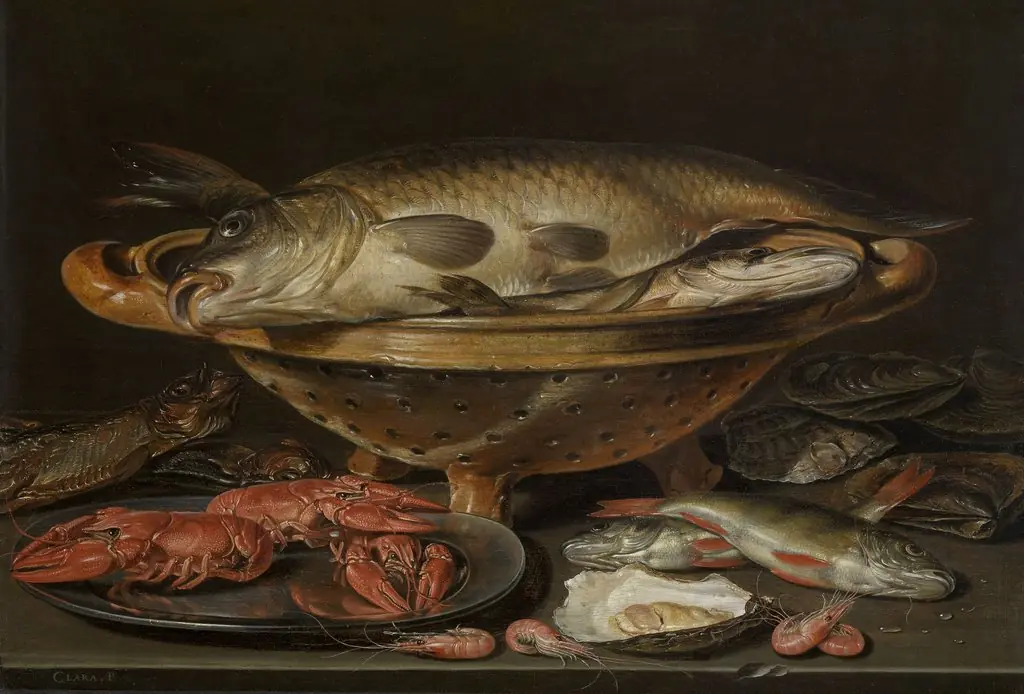
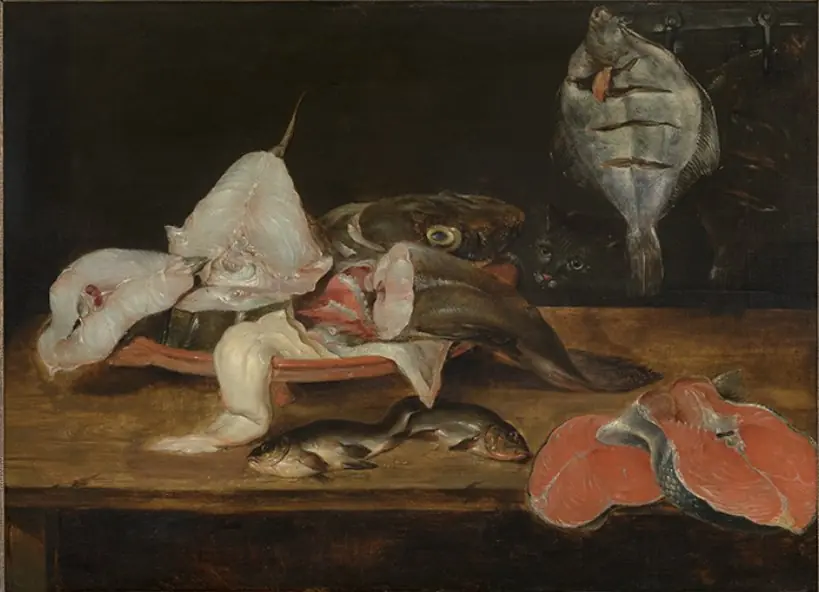
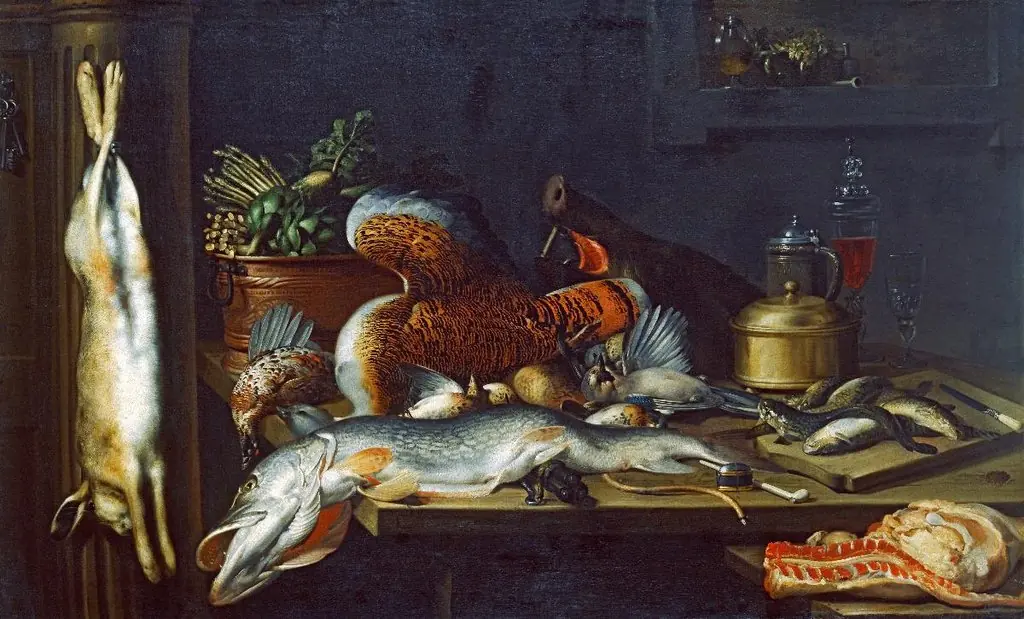
Fish and Dead Game is an oil painting by the Flemish Baroque painting artist Alexander Adriaenssen. It dates from 1643 and is held in the collection of the Hermitage Museum.
About this work
Overview
Painted in 1643 by the Flemish artist Alexander Adriaenssen, this oil-on-canvas still life presents an arrangement of freshly caught fish and hunted game.
Painted in 1643 by the Flemish artist Alexander Adriaenssen, this oil-on-canvas still life presents an arrangement of freshly caught fish and hunted game. It reflects the artist’s specialization in domesticated abundance, a common theme among Northern European painters of the period. The work is part of the State Hermitage Museum’s collection, where it remains a representative example of 17th-century Flemish still-life painting.
Subject & Meaning
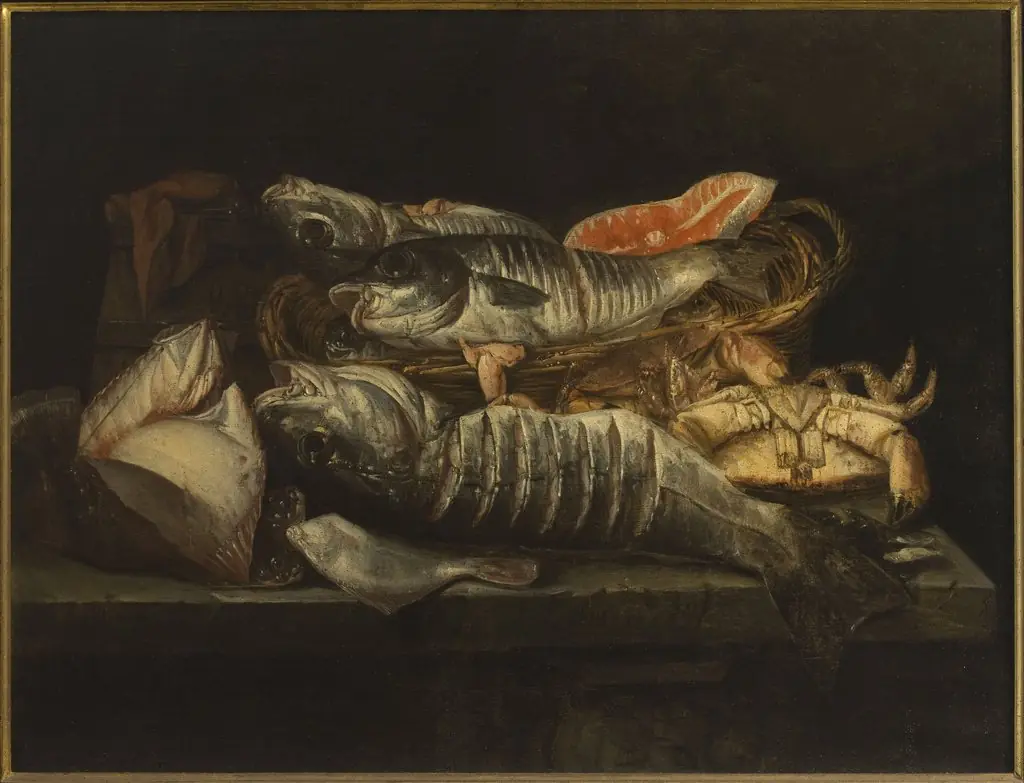
The composition displays a variety of aquatic and terrestrial prey—whole fish, filleted specimens, a rabbit, and a bird—laid across a plain wooden table. These elements suggest a moment of harvest or market display, emphasizing the bounty of land and sea. The absence of human figures directs focus to the material world, inviting contemplation of sustenance, labor, and transience without overt symbolism.
Technique & Style
Adriaenssen employed a naturalistic approach, rendering textures with precise brushwork: the glisten of wet scales, the fibrous flesh of meat, the sheen of feathers. A dark, unmodeled background isolates the objects, enhancing their three-dimensionality. Color is used descriptively rather than dramatically, with muted tones grounded in observed reality, avoiding theatrical lighting in favor of quiet, even illumination.
History & Provenance
The painting was created during Adriaenssen’s mature period in Antwerp, a center for still-life production. It entered the Hermitage collection in the 19th century, likely through imperial acquisitions of European art. Its documented history is limited, but its stylistic consistency with other signed works by the artist supports its attribution and dating to 1643.
Context
In early 17th-century Flanders, still-life painting flourished as urban elites sought art that celebrated domestic wealth and sensory experience. Adriaenssen’s focus on fish and game aligned with broader trends in Flemish art, where such subjects conveyed both material prosperity and moral reflections on earthly pleasures. His work stood alongside contemporaries like Snyders and Claesz, contributing to a genre rooted in observation rather than allegory.
Legacy
Adriaenssen’s *Fish and Dead Game* exemplifies the quiet precision of Flemish still-life tradition. While not widely known outside specialist circles, his approach influenced later generations of Northern European painters who prioritized tactile realism over narrative. The painting endures as a testament to the artistic value placed on everyday abundance in Baroque visual culture.
Own this work as a print
Artist & collection
Artist
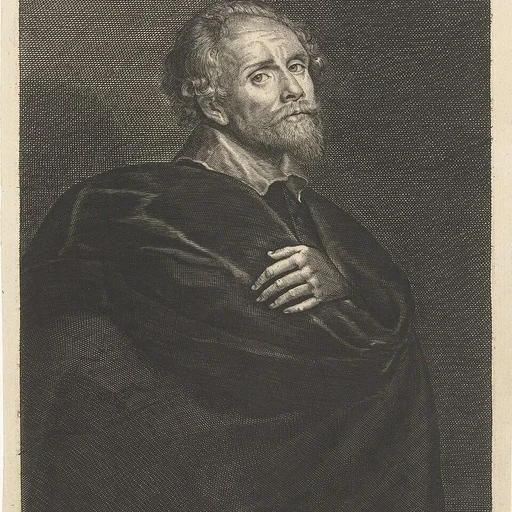
Alexander Adriaenssen (1587–1661) was a Flemish Baroque painter, particularly known for his still-lifes of fish and game pieces. He also painted banquet pieces with food and flower still lifes.

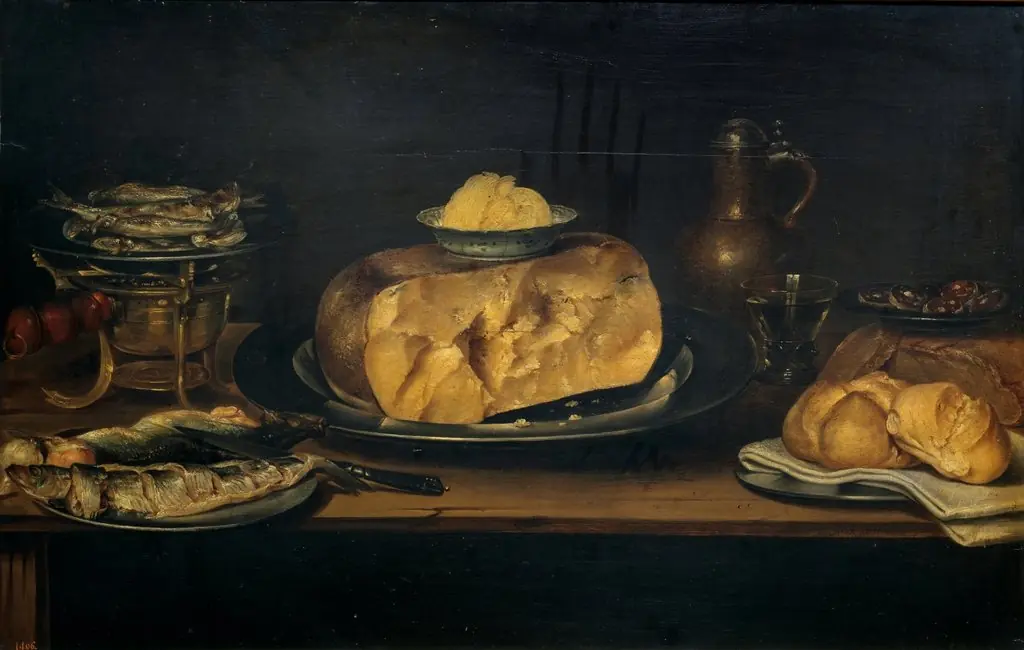 Still life of a table with crockery, cheese, sausage and fish
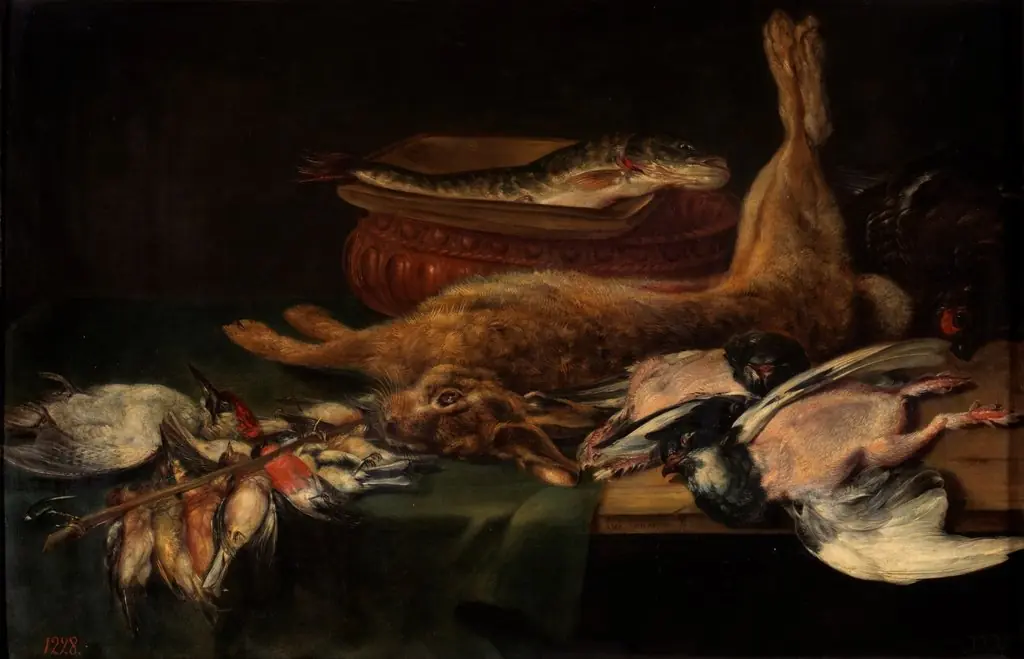 Still life with a hare, dead birds and fish
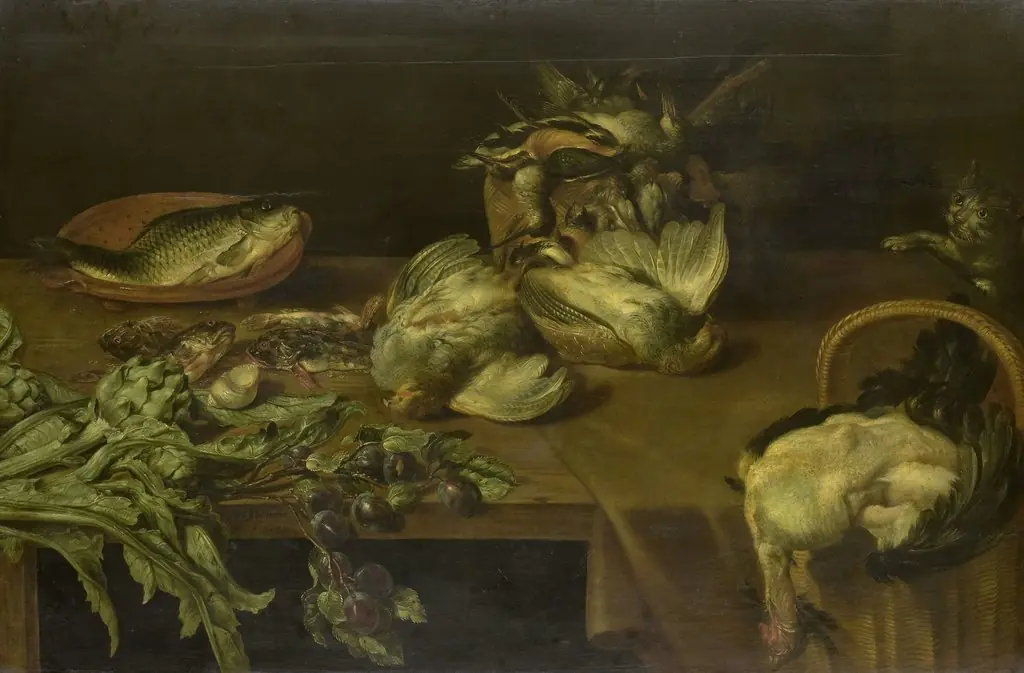 Still life with wild fowl
 Still Life with Fish and a Lobster and Oysters on a Table nearby
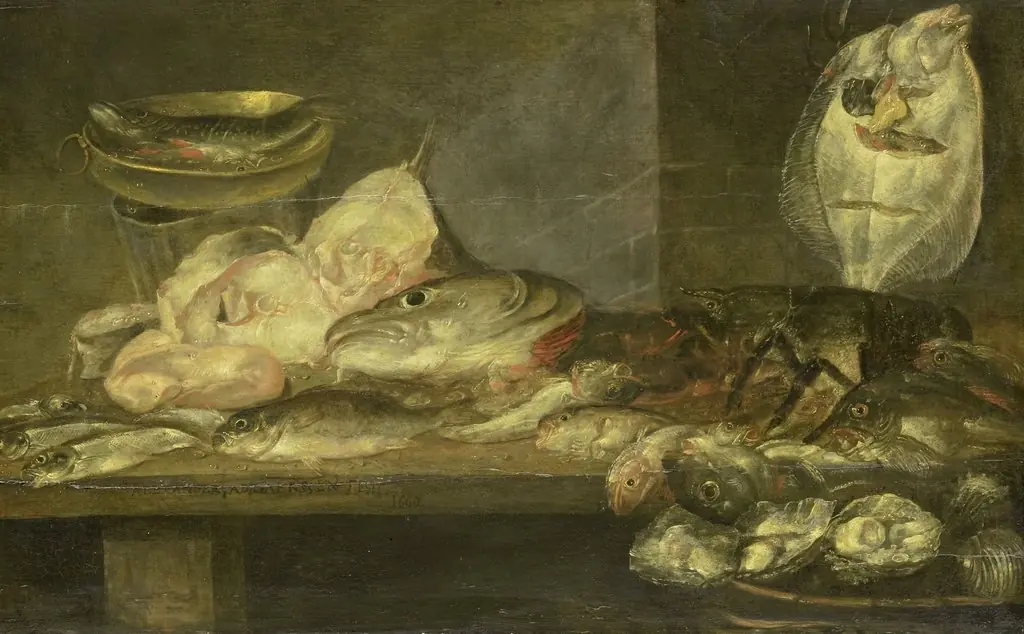 Still life with fish
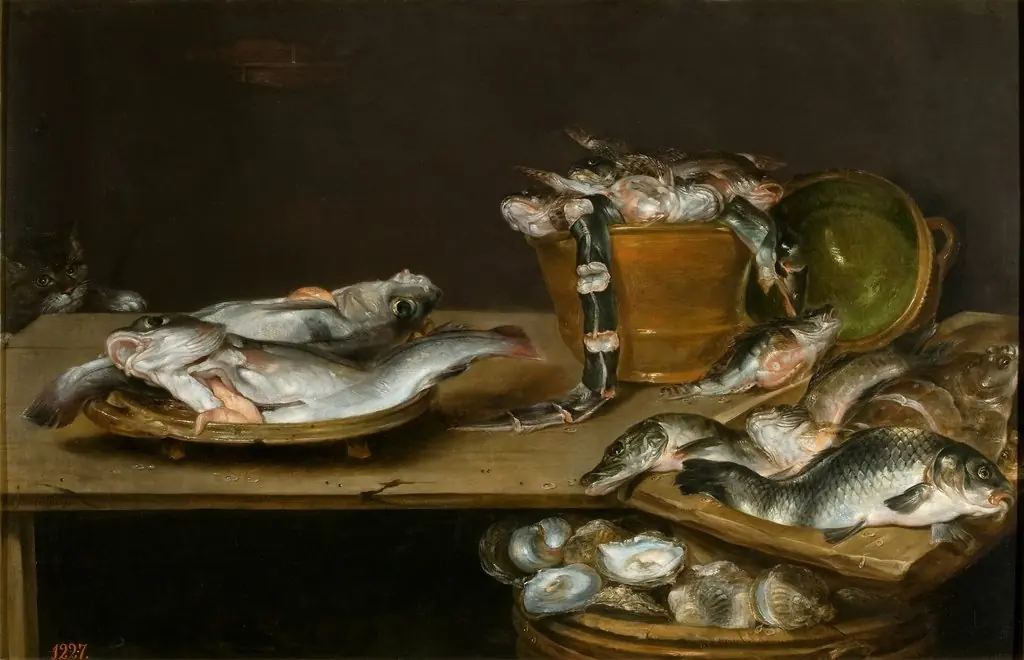 Still Life of Fish and Oysters with a Cat
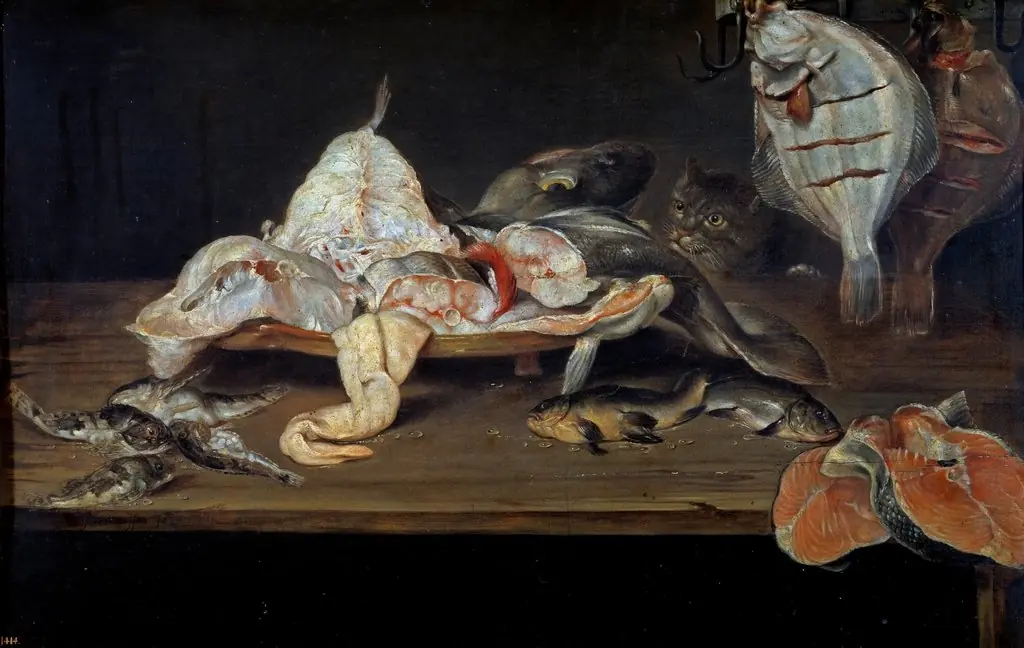 Still life with fish and a cat behind the table
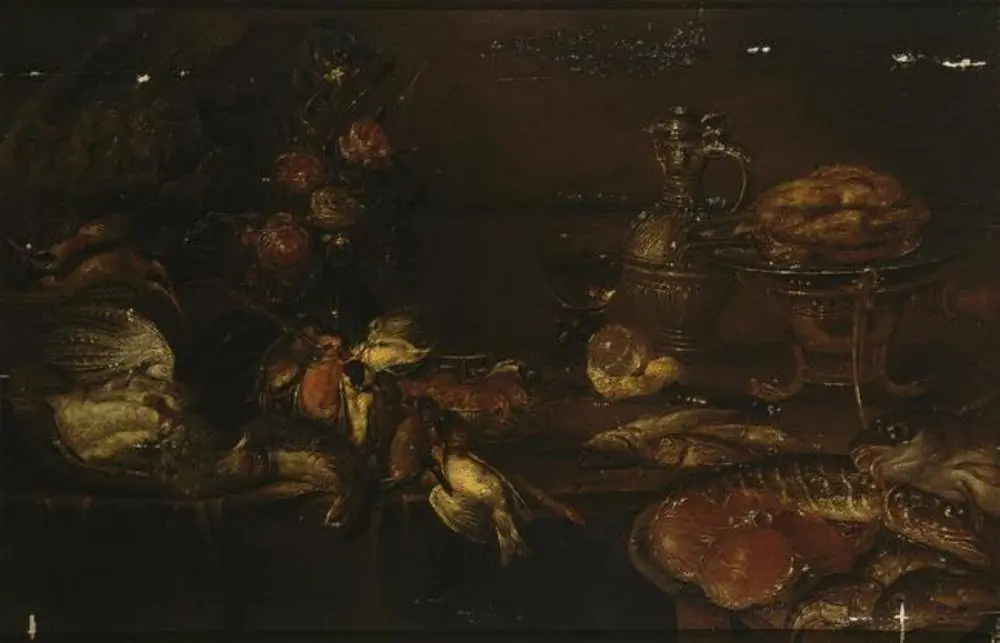 Fish and Game