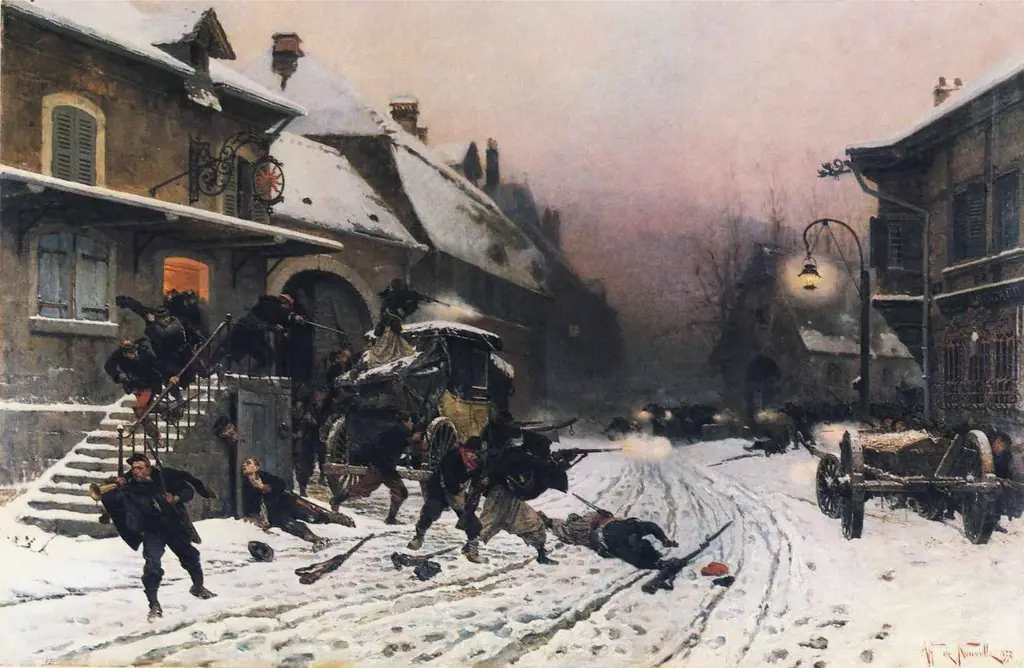
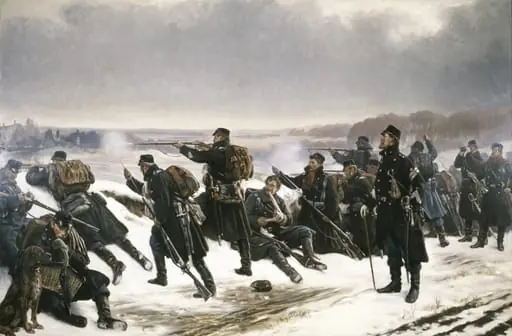
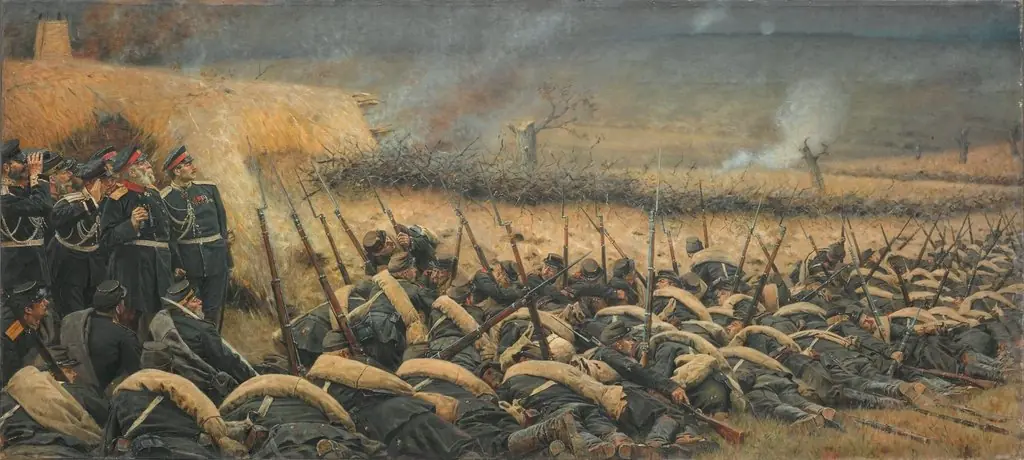
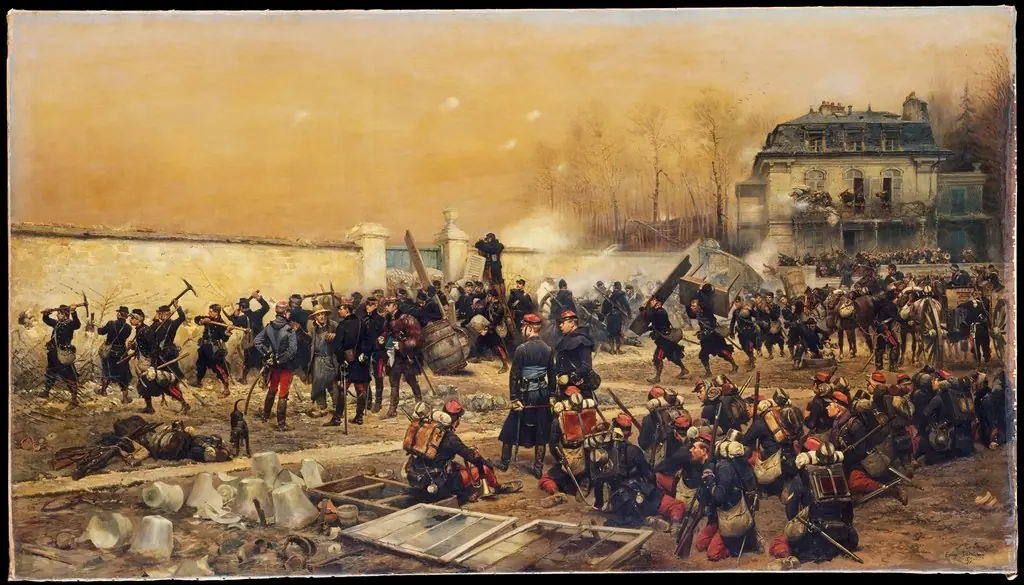
Artwork
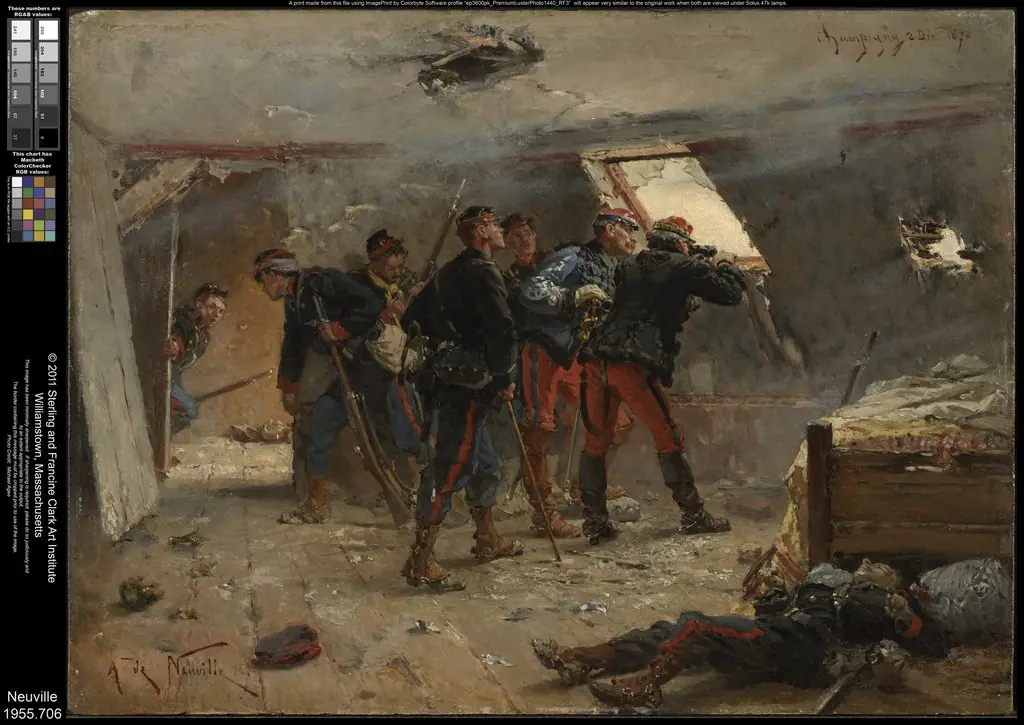
A Battle Scene, Soldiers in a Barn
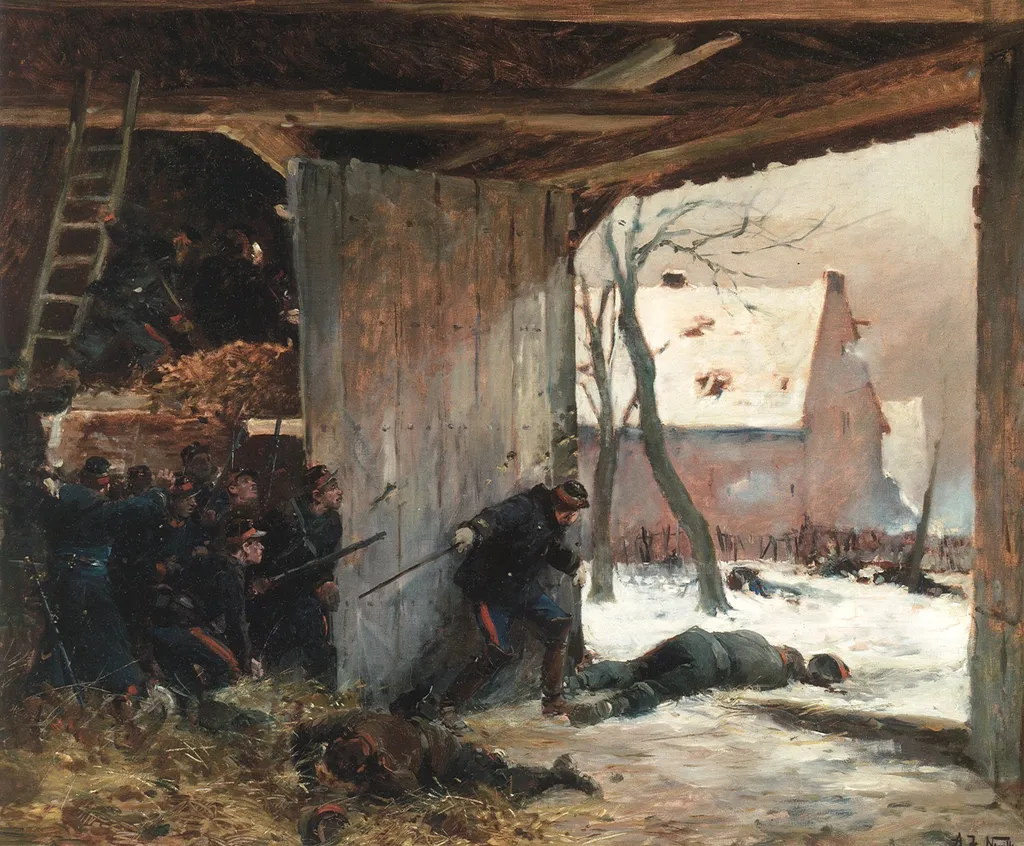
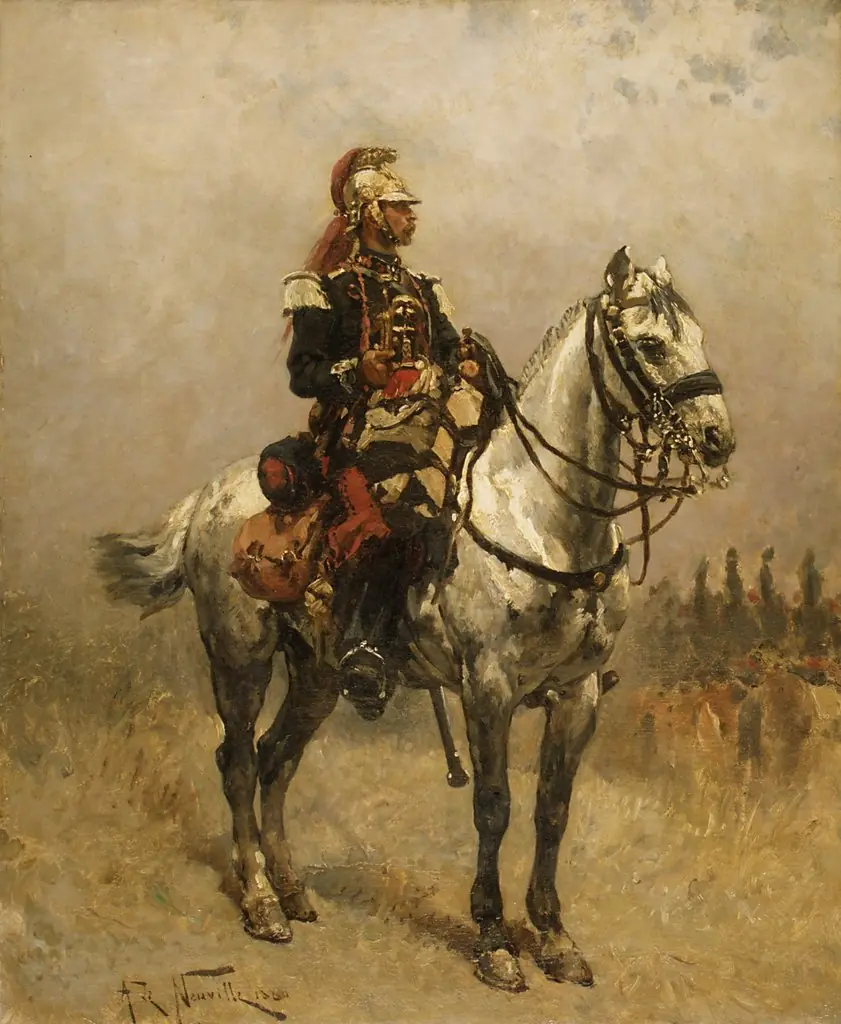
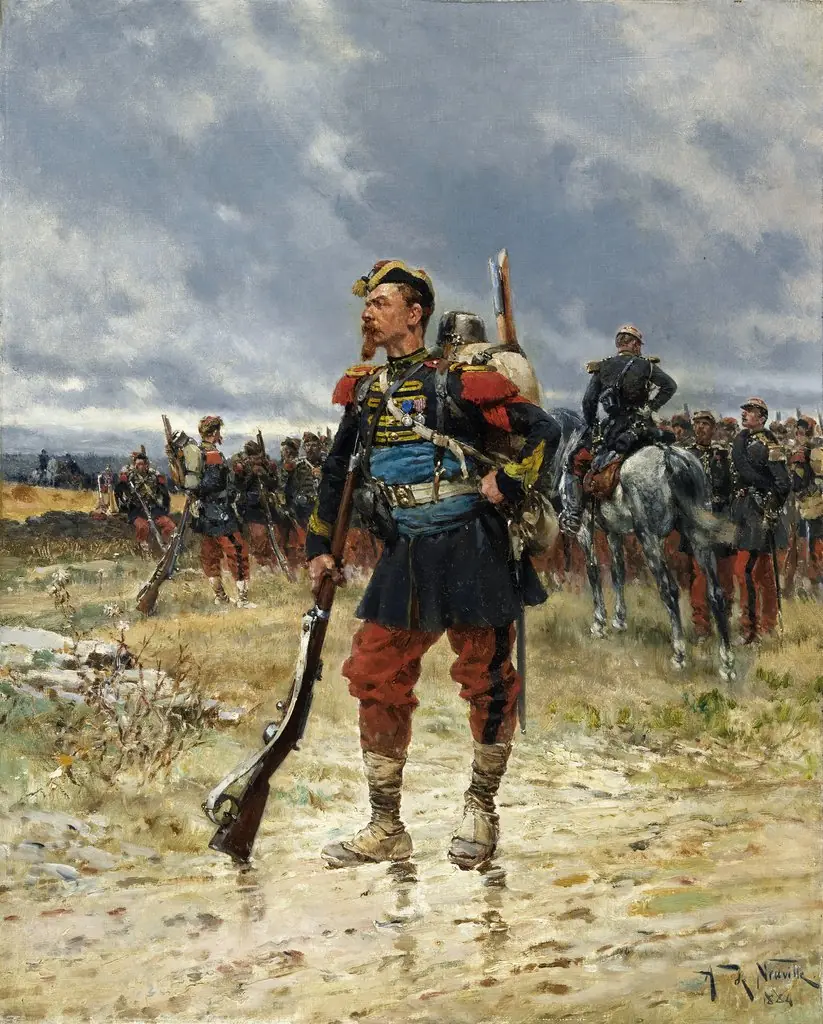
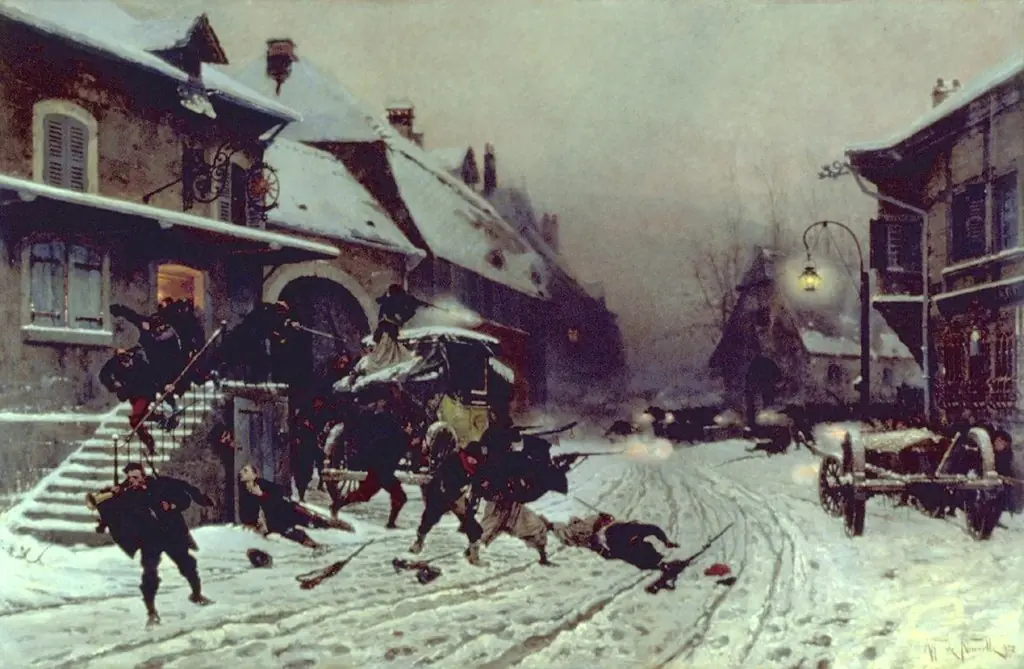
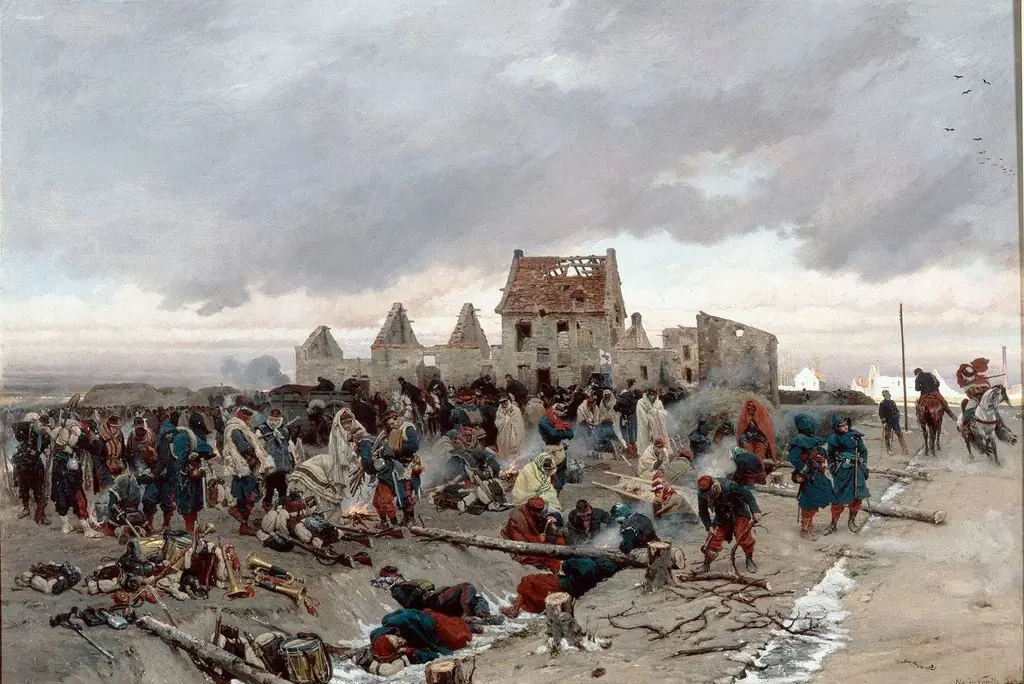
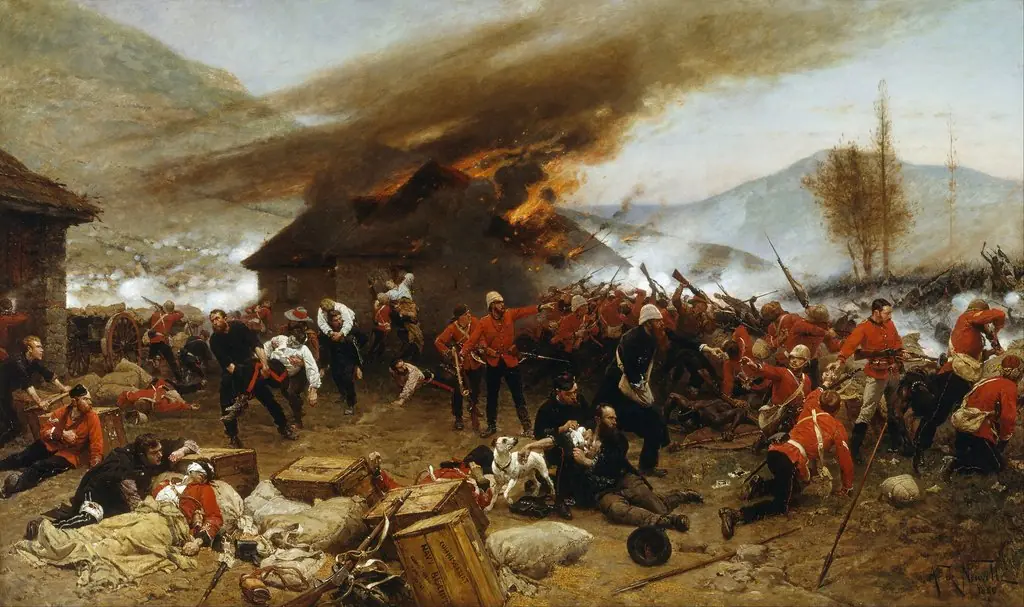
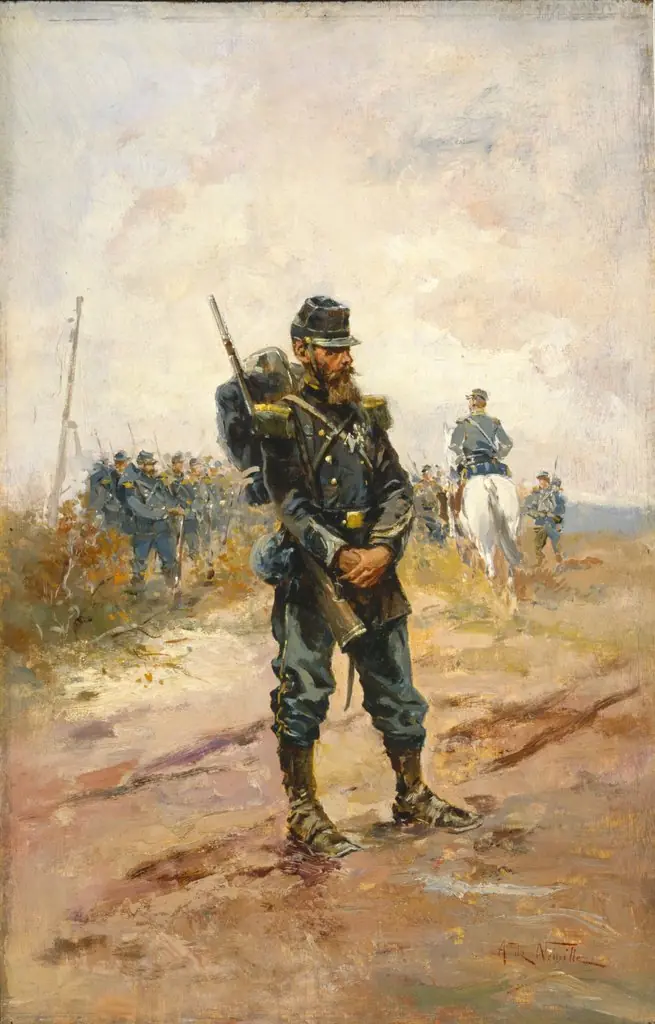
A Battle Scene, Soldiers in a Barn is an oil painting by the Impressionist artist Alphonse de Neuville. It is held in the collection of the National Gallery of Ireland.
About this work
Overview
Painted in 1889 by French academic artist Alphonse de Neuville, this oil-on-canvas work captures a moment of military tension within a rural barn.
Painted in 1889 by French academic artist Alphonse de Neuville, this oil-on-canvas work captures a moment of military tension within a rural barn. De Neuville, known for his detailed portrayals of 19th-century warfare, here shifts focus from open battlefields to an intimate, confined space where combat has intruded upon everyday life. The painting resides in the National Gallery of Ireland’s collection.
Subject & Meaning
The scene depicts French soldiers, identifiable by dark uniforms with red trim, caught in sudden violence inside a barn. One lies wounded in the foreground, while others react with urgency—some raising rifles, others watching. The setting suggests an ambush or retreat, emphasizing the unpredictability of war. The composition conveys disorientation and human vulnerability, avoiding glorification in favor of raw immediacy.
Technique & Style
De Neuville employs strong chiaroscuro to model forms and direct attention toward the central figure on the ground. Bold, textured brushwork defines the wooden beams and scattered gear, while muted earth tones contrast with the soldiers’ red accents. The confined space is rendered with careful perspective, enhancing the sense of claustrophobia. Lighting isolates key figures, heightening emotional tension without theatrical excess.
History & Provenance
Created near the end of de Neuville’s career, the painting reflects his lifelong engagement with military themes, particularly those from the Franco-Prussian War. Though not a documented historical event, it aligns with his interest in the soldier’s lived experience. The work entered the National Gallery of Ireland’s collection in the 20th century, likely through acquisition or donation, and has remained there since.
Context
In late 19th-century France, military imagery remained culturally significant following national defeats and territorial losses. De Neuville’s works, though often patriotic, increasingly emphasized the human cost of conflict. This painting, produced decades after the Franco-Prussian War, suggests a shift from heroic narrative toward quieter, more somber reflections on wartime trauma and survival.
Legacy
Though less widely known than his large-scale battle panoramas, this intimate scene reveals de Neuville’s capacity for psychological nuance. It stands as a quiet counterpoint to the grandiose military art of his era, offering a grounded view of war’s disruption in ordinary spaces. Its preservation in a public collection underscores its role as a testament to the personal dimensions of historical conflict.
Own this work as a print
Artist & collection
Artist
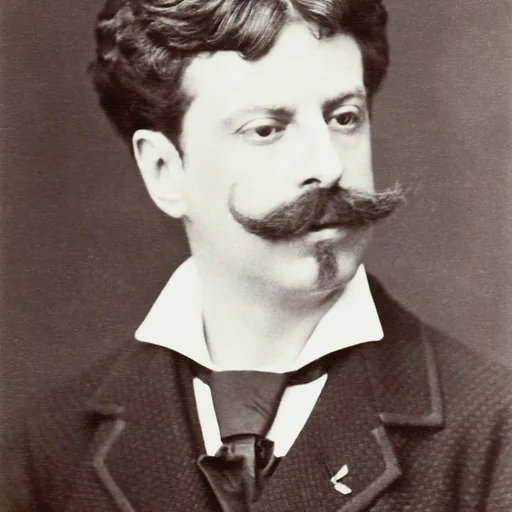
Alphonse-Marie-Adolphe de Neuville (French pronunciation: ; 31 May 1835 – 18 May 1885) was a French academic painter who studied under Eugène Delacroix.