Artwork
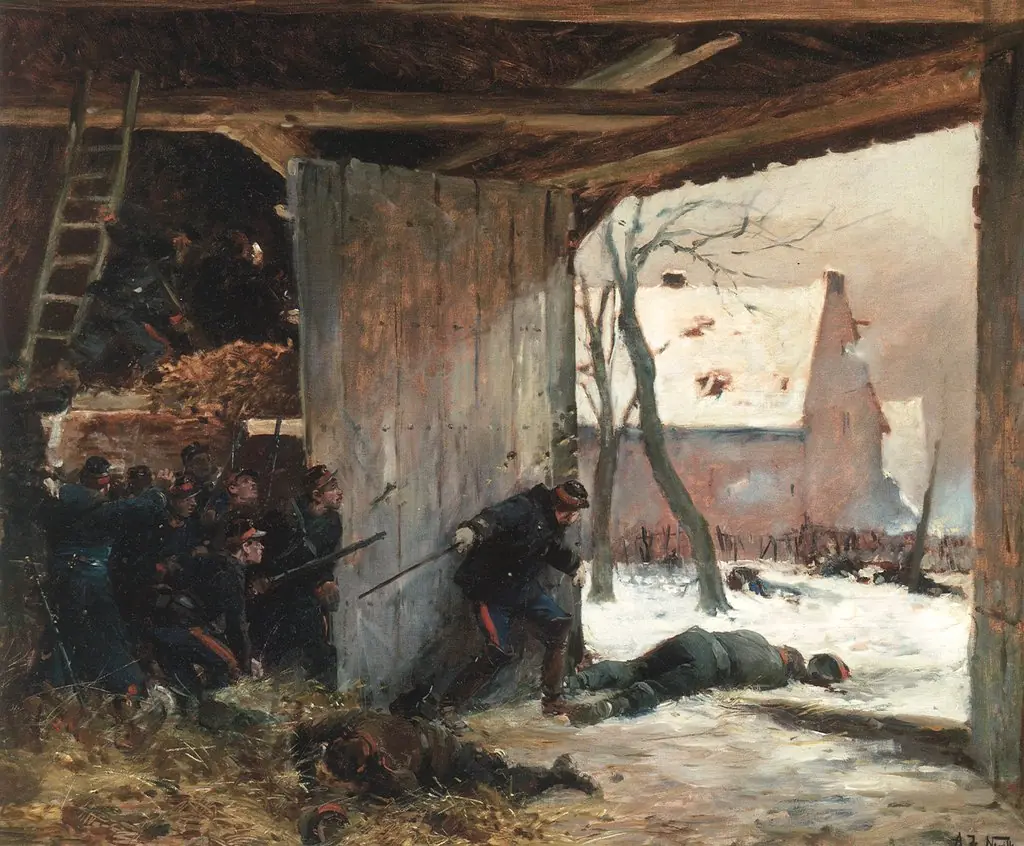
Champigny, 2 December 1870
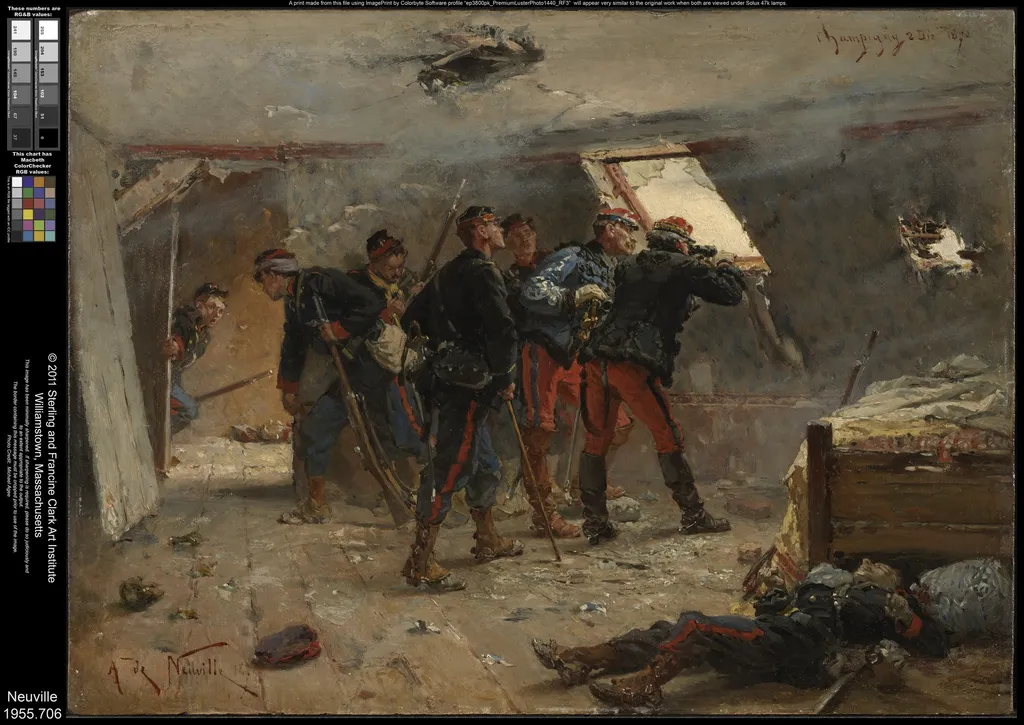
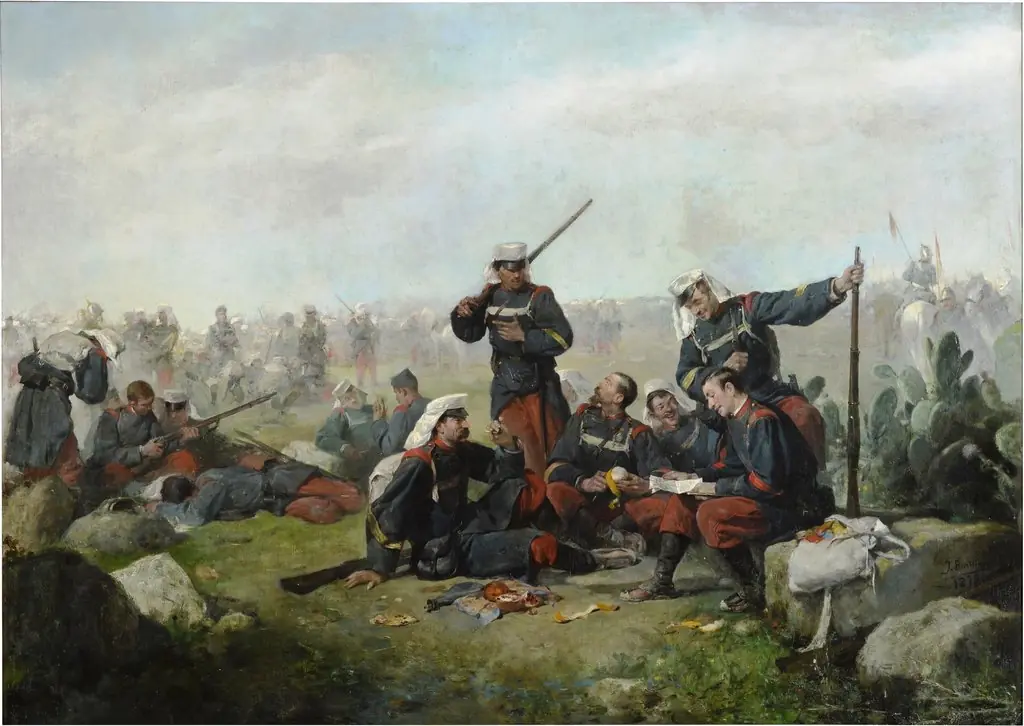
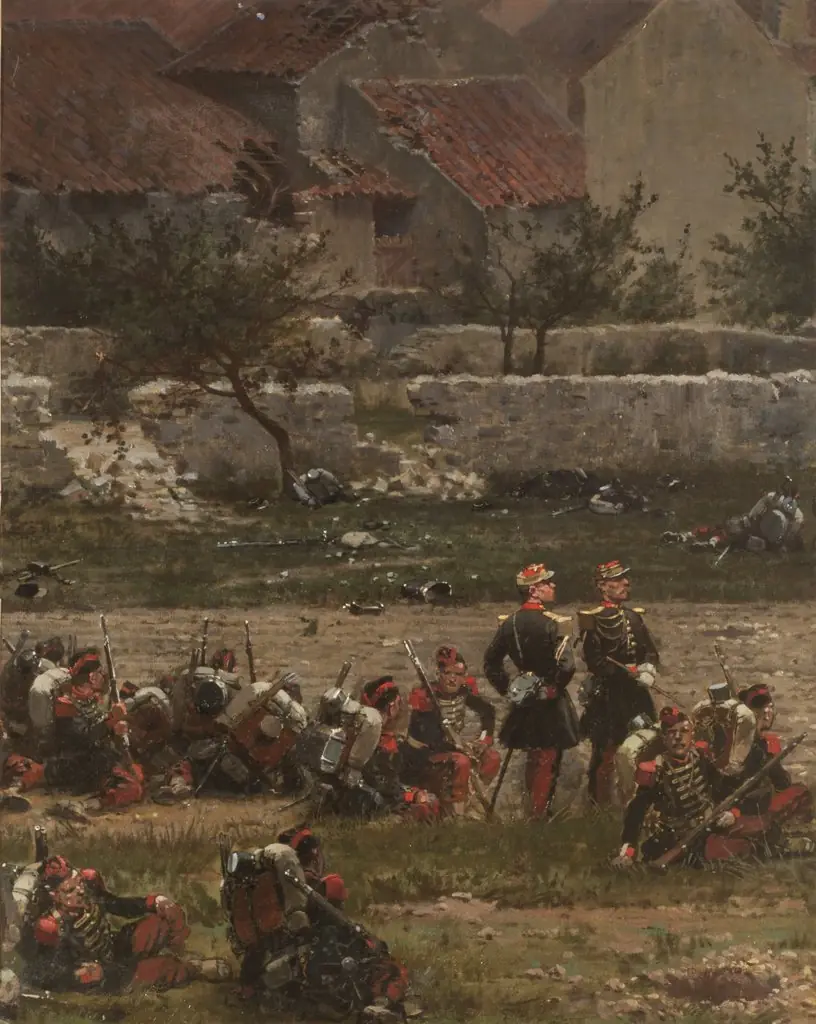
Champigny, 2 December 1870 is an oil painting by the Realist artist Alphonse de Neuville. It is held in the collection of the Clark Art Institute.
About this work
Overview
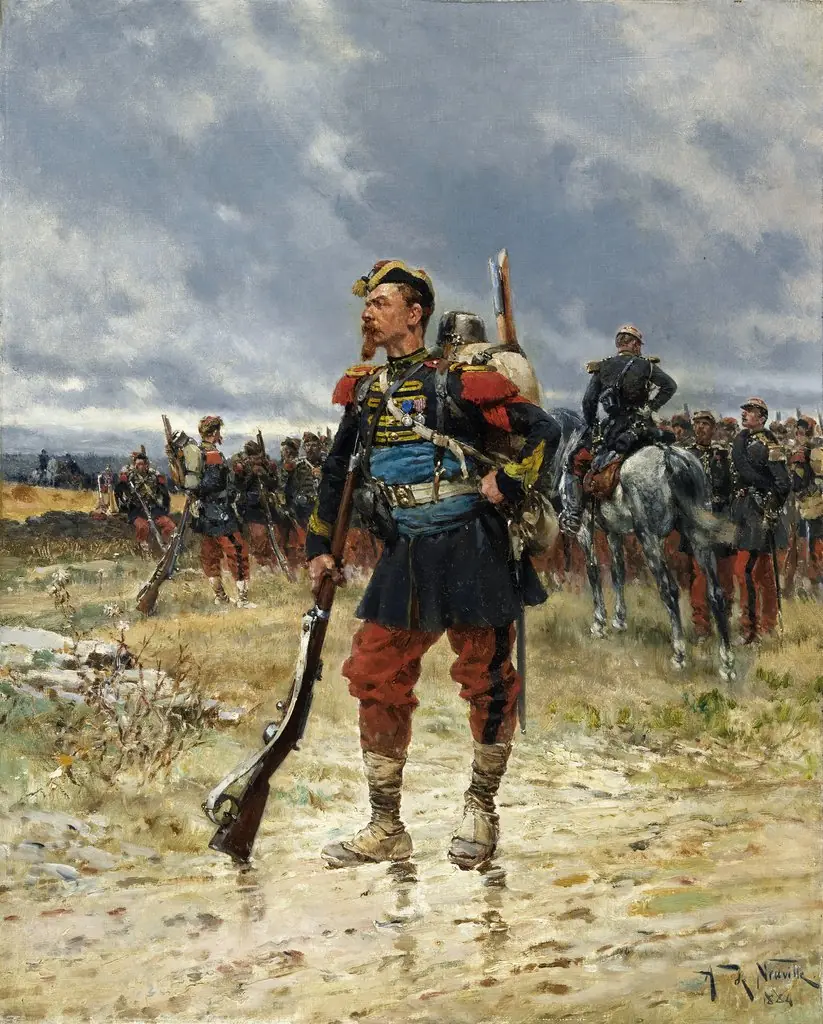
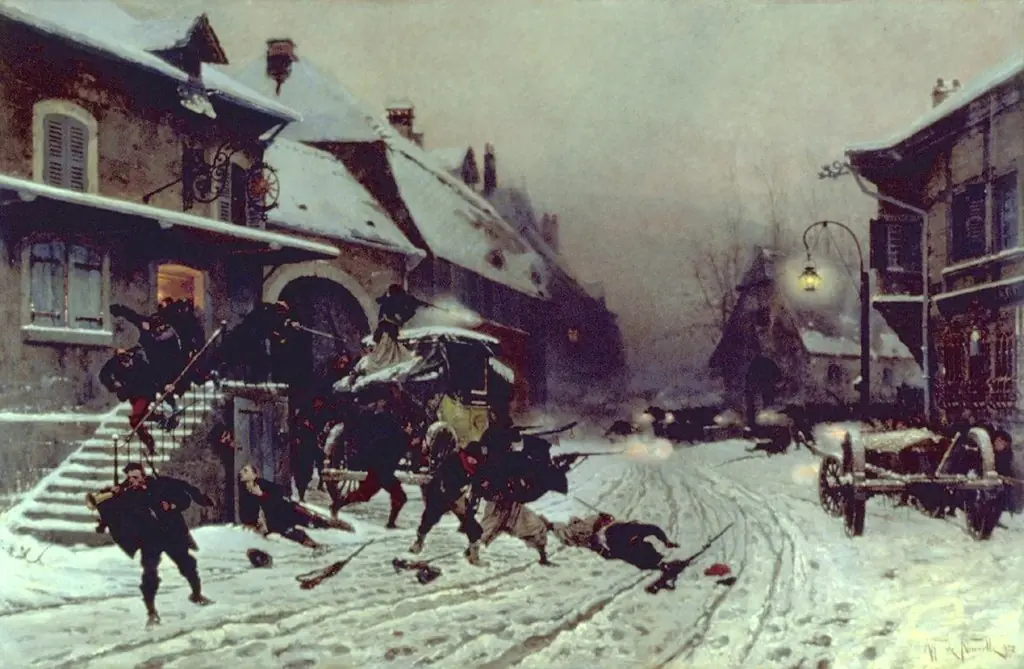
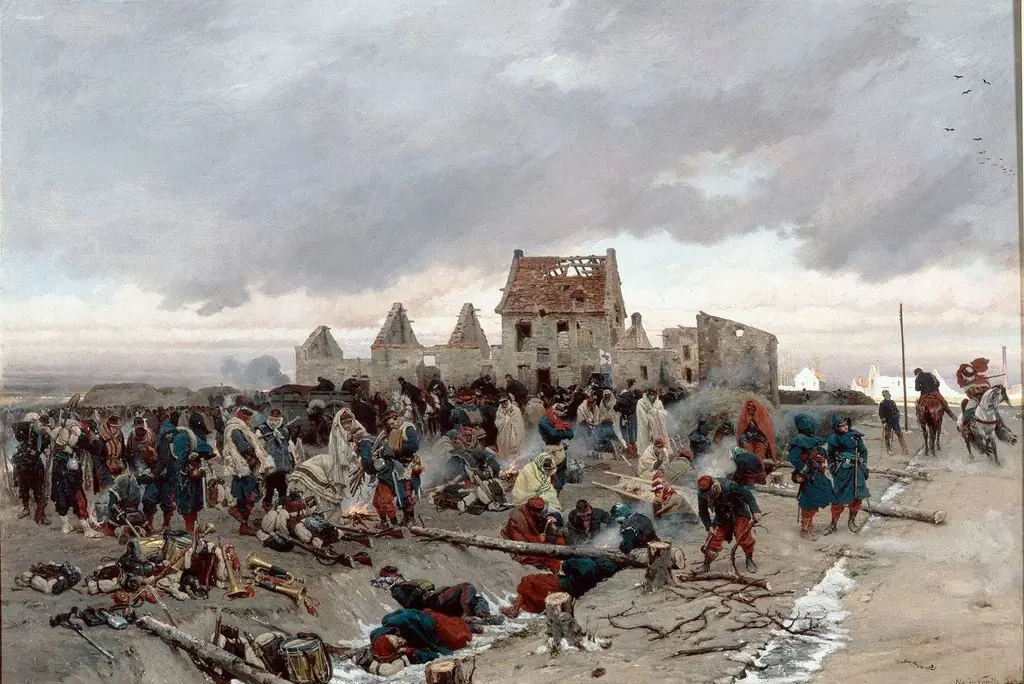
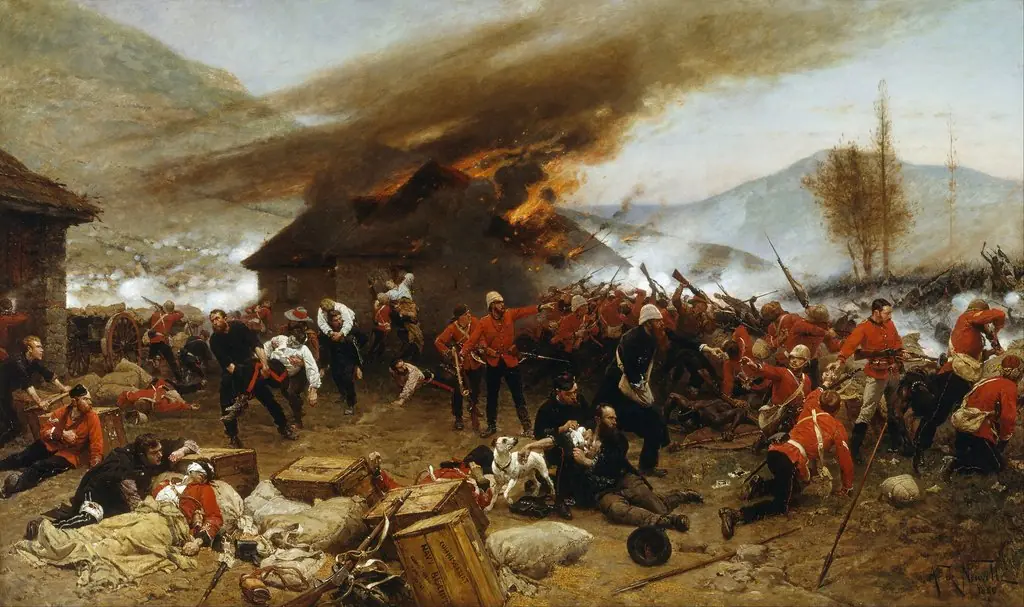
Alphonse de Neuville’s oil painting *Champigny, 2 December 1870* was executed in 1888. Executed in a realist manner, the work records a moment from the Franco‑Prussian War, depicting French soldiers inside a cluttered interior. The canvas is part of the Clark Art Institute’s permanent collection.
Subject & Meaning
The scene captures a group of uniformed troops gathered in a room that has been disturbed by combat. Some men clutch rifles while others peer toward a window, suggesting a pause in battle or a moment of anticipation. The composition conveys the tension and disorder inherent in wartime encampments.
Technique & Style
De Neuville employs a palette of muted earth tones punctuated by brighter accents to model depth and atmosphere. Broad, confident brushwork renders the textures of uniforms, debris, and the surrounding space, creating a sense of immediacy. The realist approach emphasizes accurate detail over idealized heroism.
History & Provenance
Trained under the influence of Eugène Delacroix, de Neuville specialized in military subjects throughout his career. *Champigny* was painted nearly two decades after the event it portrays, reflecting a retrospective interest in the conflict. The work entered the Clark Art Institute’s collection, where it remains on view for scholars and visitors.
Artist & collection
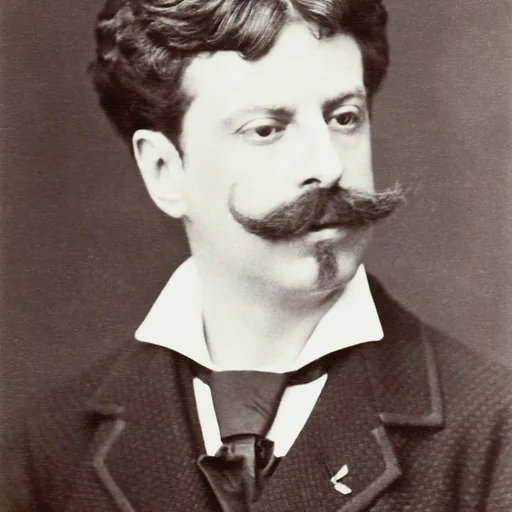
Artist
Alphonse-Marie-Adolphe de Neuville (French pronunciation: ; 31 May 1835 – 18 May 1885) was a French academic painter who studied under Eugène Delacroix.