Artwork
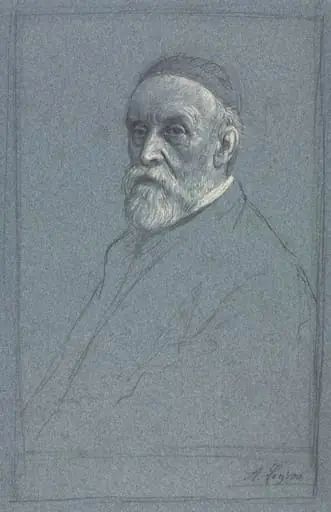
Portrait of George Frederic Watts (2nd Plate)
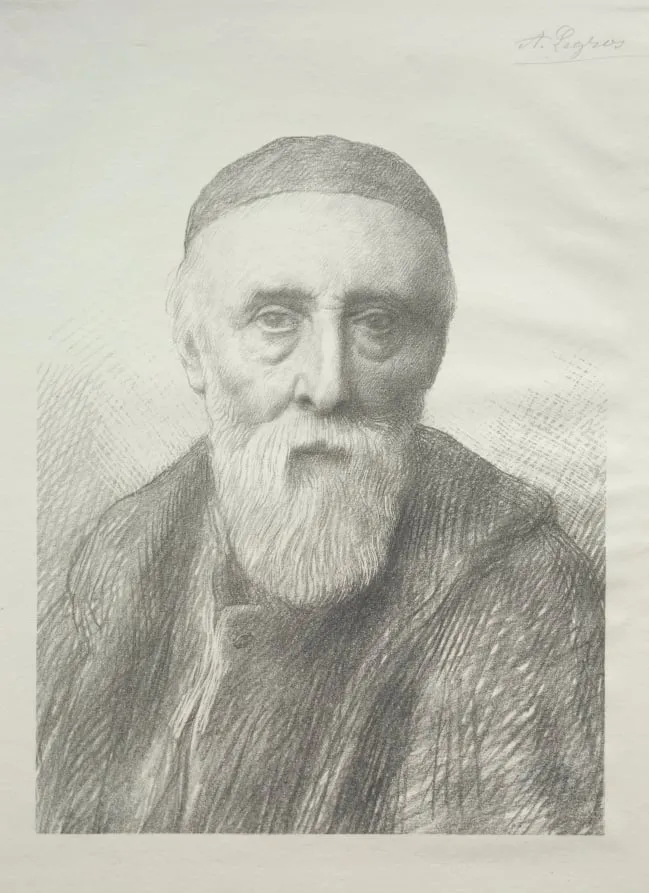
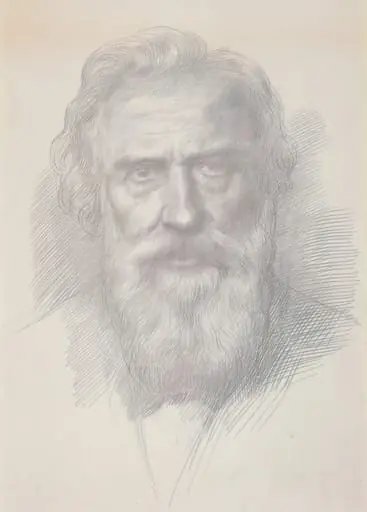
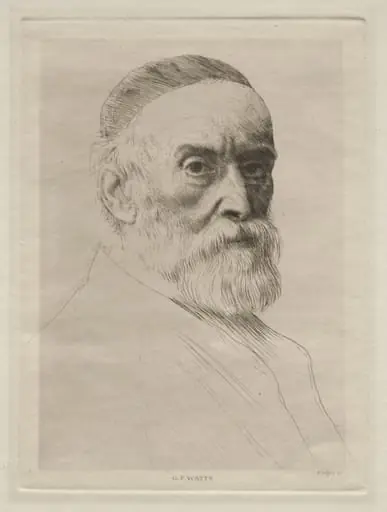
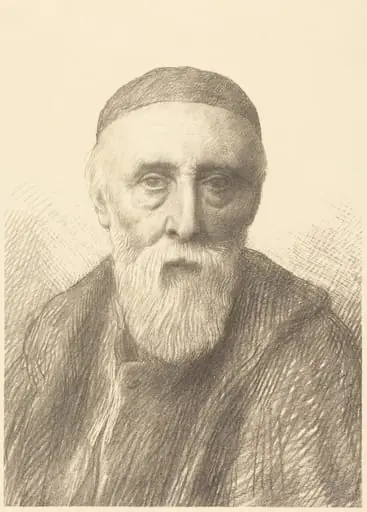
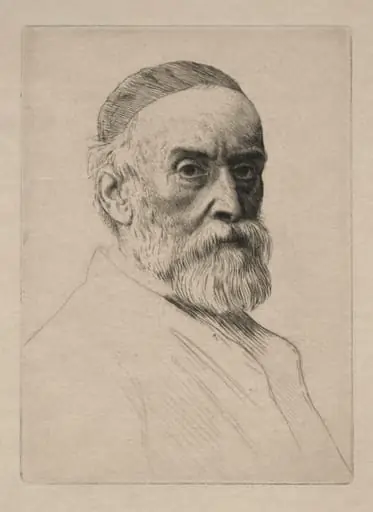
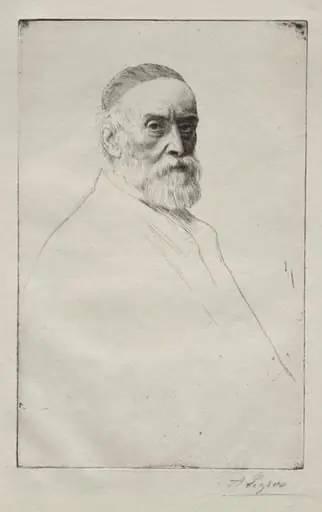
Portrait of George Frederic Watts (2nd Plate) is a print by the Impressionist artist Alphonse Legros. It dates from 1884 and is held in the collection of the Cleveland Museum of Art.
About this work
Overview
The composition focuses tightly on the subject’s face and upper torso, eliminating extraneous detail to emphasize presence over circumstance.
This 1884 print by Alphonse Legros depicts the British artist George Frederic Watts in profile, rendered in a drypoint technique. The image is held in the collection of The Cleveland Museum of Art. The composition focuses tightly on the subject’s face and upper torso, eliminating extraneous detail to emphasize presence over circumstance. The work is one of two plates Legros produced of Watts, reflecting a deliberate, intimate engagement with his subject.
Subject & Meaning
George Frederic Watts, a respected Victorian painter and sculptor, is portrayed in later life, his aged features rendered with unflinching clarity. The lowered hat and deep shadows suggest introspection, while his steady gaze conveys quiet authority. Legros avoids idealization, presenting Watts not as a public figure but as a contemplative individual, his expression marked by the weight of experience and intellectual rigor.
Technique & Style
Legros employed drypoint engraving, using a sharp tool to incise lines directly into a metal plate, creating a soft, velvety texture when printed. The shading is handled with subtle, uneven strokes that blur at the edges, evoking a sense of immediacy. Light and dark are contrasted deliberately—chiaroscuro is used not for dramatic effect, but to model form with restraint, reinforcing the portrait’s somber, introspective tone.
History & Provenance
Created in 1884, this print was made during Legros’s tenure as a professor at the Slade School of Art, where he and Watts were colleagues. The work entered The Cleveland Museum of Art’s collection in the 20th century, likely through a donation or acquisition focused on British and French printmaking. Its survival as a second plate suggests it was part of a limited, intentional series rather than a commercial reproduction.
Context
In the late 19th century, portraiture in printmaking shifted toward psychological depth over ceremonial representation. Legros, influenced by French Realism and the Pre-Raphaelite emphasis on truth, aligned with this trend. Watts, known for symbolic works, was a fitting subject—his reputation as a thinker made him a natural focus for an artist interested in inner life rather than external grandeur.
Legacy
This portrait stands as a quiet testament to the dialogue between two artists of the British and French traditions. Legros’s restrained technique influenced a generation of printmakers who valued emotional honesty over technical polish. The work remains a key example of how 19th-century printmaking could convey character with minimal means, preserving the dignity of its subject without embellishment.
Artist & collection

Artist
Alphonse Legros (French pronunciation: ; 8 May 1837 – 8 December 1911) was a French, later British, painter, etcher, sculptor, and medallist.