Artwork
Memory Copy of Holbein's Erasmus
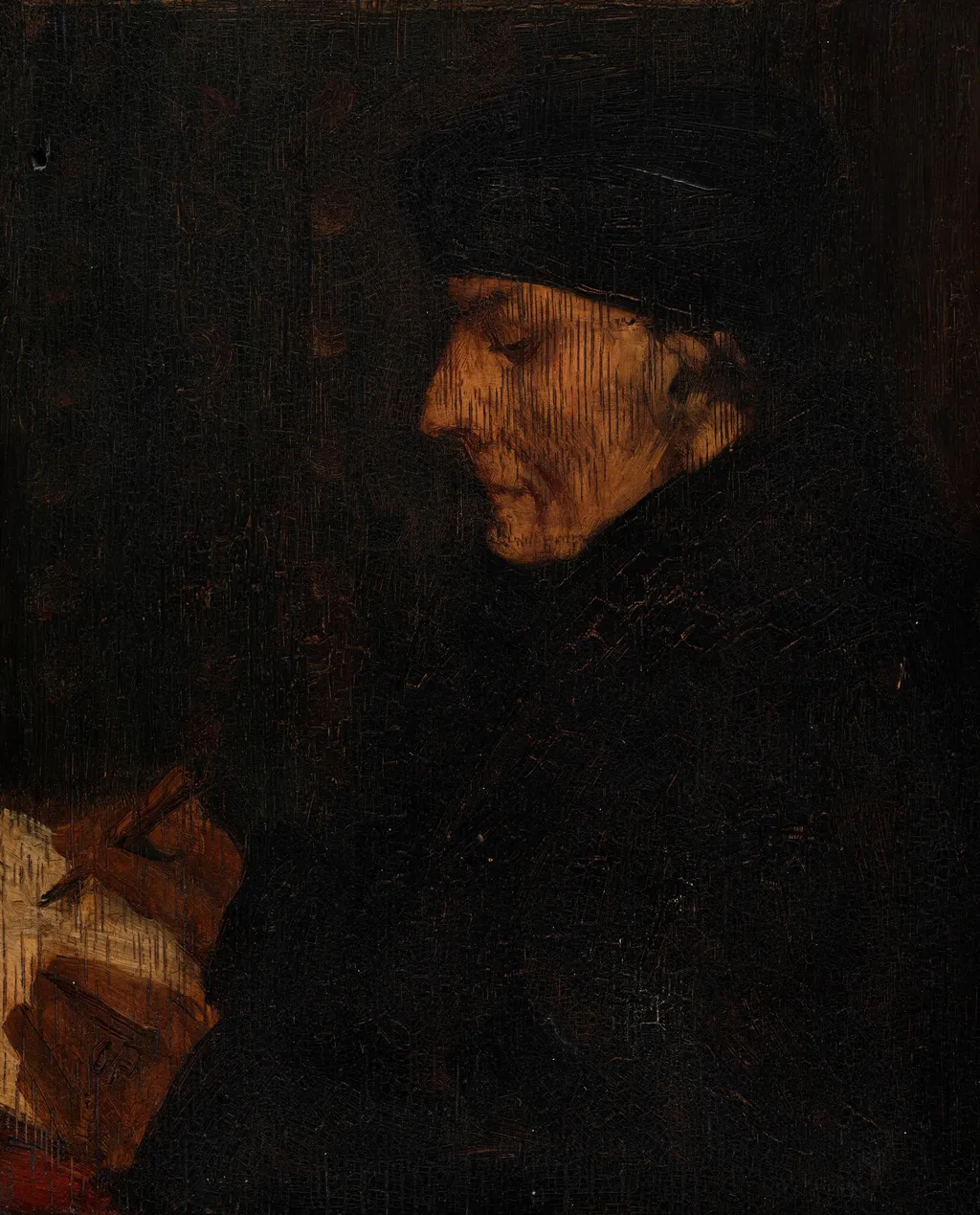
Memory Copy of Holbein's Erasmus is an oil painting by the Romanticist artist Alphonse Legros. It dates from 1874 and is held in the collection of the National Gallery of Art.
About this work
Overview
Legros, a French artist based in London since 1863, was known for his etchings and teaching, but this work reflects his engagement with historical portraiture.
Alphonse Legros painted this oil-on-wood portrait in 1874 as a recollection of Hans Holbein the Younger’s earlier depiction of Erasmus. Legros, a French artist based in London since 1863, was known for his etchings and teaching, but this work reflects his engagement with historical portraiture. The painting is not a direct reproduction but a reimagining from memory, emphasizing personal interpretation over exact replication.
Subject & Meaning
The figure is Desiderius Erasmus, the 16th-century humanist scholar, portrayed from the waist up in a dark robe and hat. His turned head and focused gaze suggest introspection. The book in his right hand and quill in his left signify intellectual labor, aligning with Erasmus’s legacy as a writer and thinker. The quiet demeanor evokes the solitary nature of scholarly pursuit, stripped of ornamentation or symbolic clutter.
Technique & Style
Legros employed chiaroscuro to model the figure with subtle gradations of light and shadow, enhancing the three-dimensionality of the face and hands. The dark, indistinct background isolates the subject, focusing attention on his posture and expression. The brushwork is precise yet restrained, reflecting 19th-century academic portraiture while honoring Holbein’s compositional clarity and psychological depth.
History & Provenance
Created during Legros’s tenure in London, the painting emerged from a period when British artists were re-engaging with Northern Renaissance models. Though not commissioned, it reflects Legros’s personal admiration for Holbein’s work. The painting remained in private hands after its completion and was later acquired by a public collection, preserving its role as a bridge between Renaissance and Victorian visual culture.
Context
In the 1870s, European artists frequently revisited Renaissance prototypes as a counterpoint to emerging modernism. Legros, immersed in London’s artistic circles, participated in this revival of historical reference. His choice of Erasmus—a symbol of rational inquiry—resonated with contemporary academic values, even as the broader art world began shifting toward new aesthetic directions.
Legacy
The painting stands as a quiet testament to Legros’s technical discipline and his reverence for earlier masters. While not widely exhibited, it contributes to understanding how 19th-century artists negotiated historical influence. It remains a case study in memory-based reproduction, illustrating how personal recollection can shape artistic homage without direct imitation.
Own this work as a print
Artist & collection

Artist
Alphonse Legros (French pronunciation: ; 8 May 1837 – 8 December 1911) was a French, later British, painter, etcher, sculptor, and medallist.

 La Petite Rentiere
 Arrangement in Flesh Color and Brown: Portrait of Arthur Jerome Eddy
 A Venetian Lawyer at His Desk
 Portrait Study of a Man
 The Artist's Mother -in-Law, Ane Hedvig Brøndum, Reading a Letter
![Shepard Alonzo Mount, Age Twenty-Three [recto], by William Sidney Mount](https://artifactworldgallery.com/img/william-sidney-mount--shepard-alonzo-mount-age-twenty-three-recto--adf0b3e0763f0137-w320.webp) Shepard Alonzo Mount, Age Twenty-Three [recto]
Shepard Alonzo Mount, Age Twenty-Three [recto] A Standing Man Wearing a Great Coat and Boots
 Male portrait
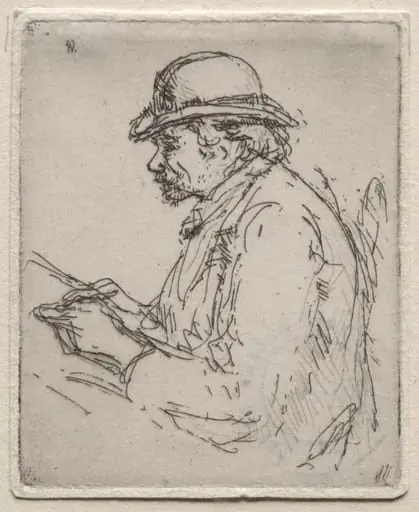 Paris: Café Artist
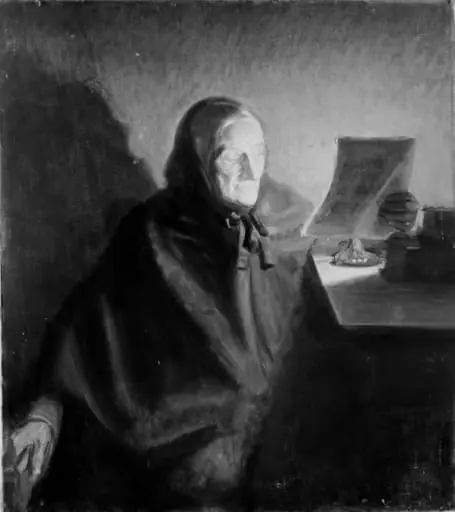 The Artist's Mother -in-Law, Ane Hedvig Brøndum, Reading a Letter
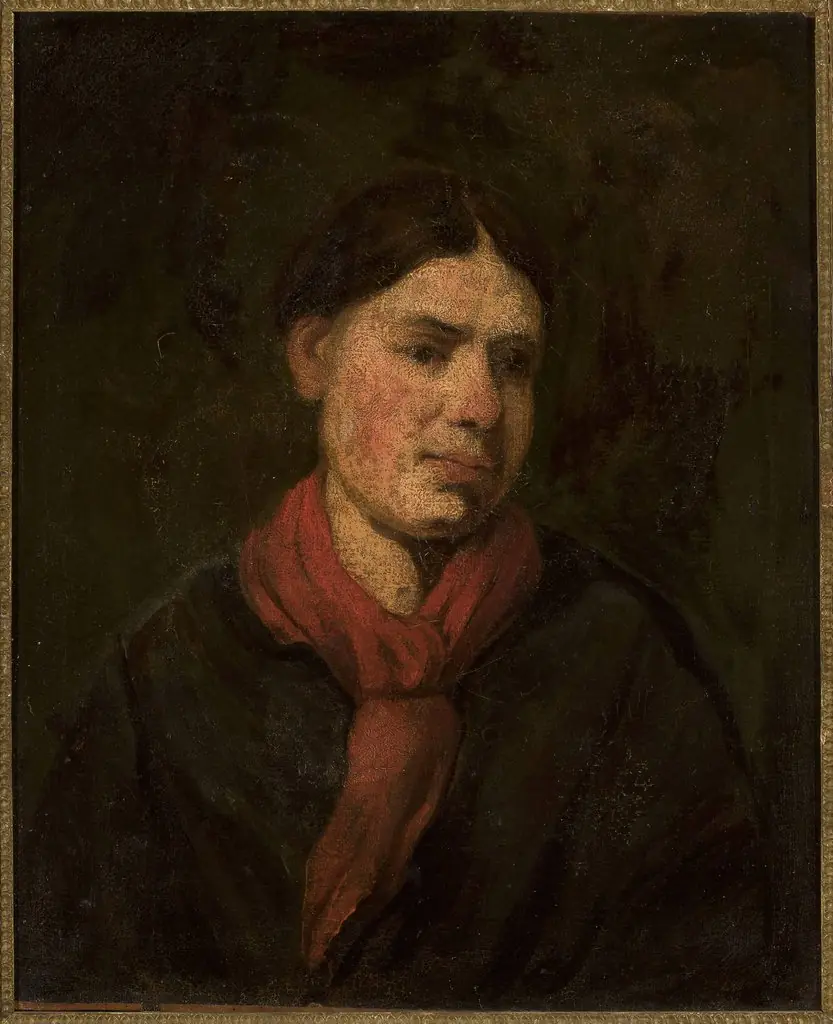 Girl in a red scarf
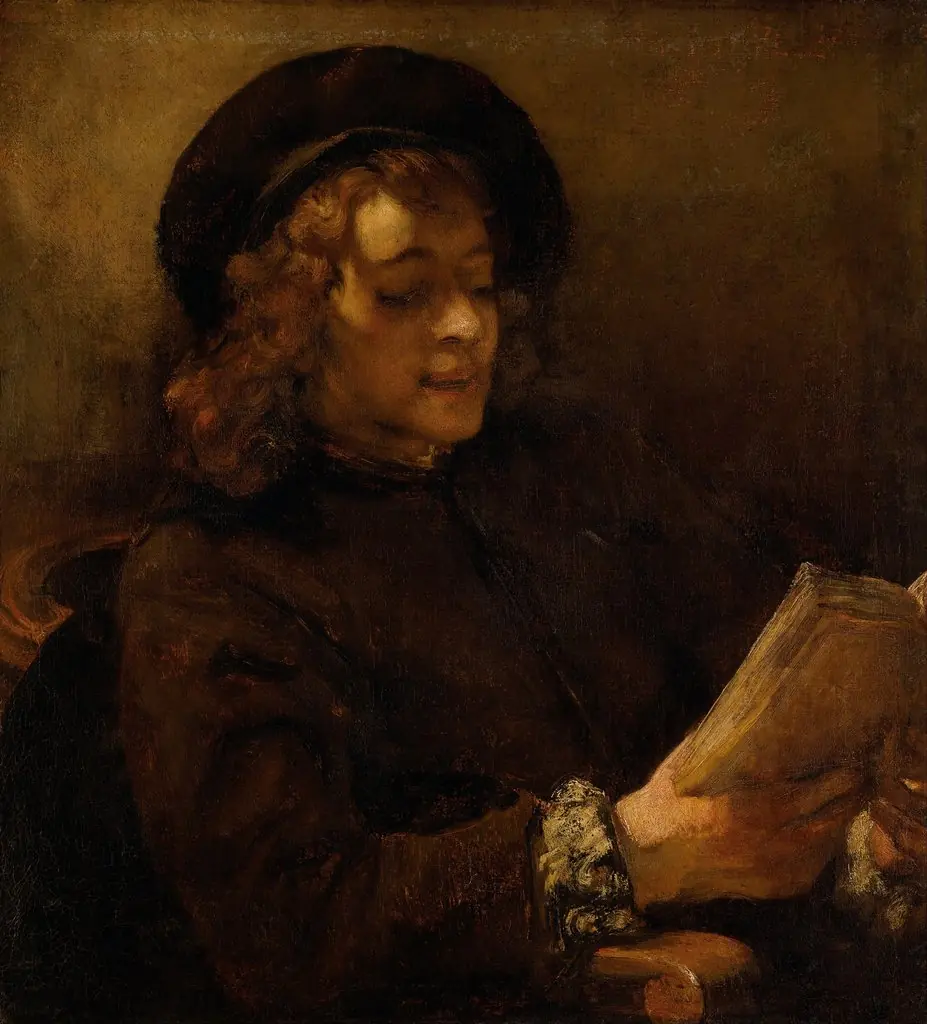 Titus Reading (study in direct and reflected light)