Artwork
The Little Beggar
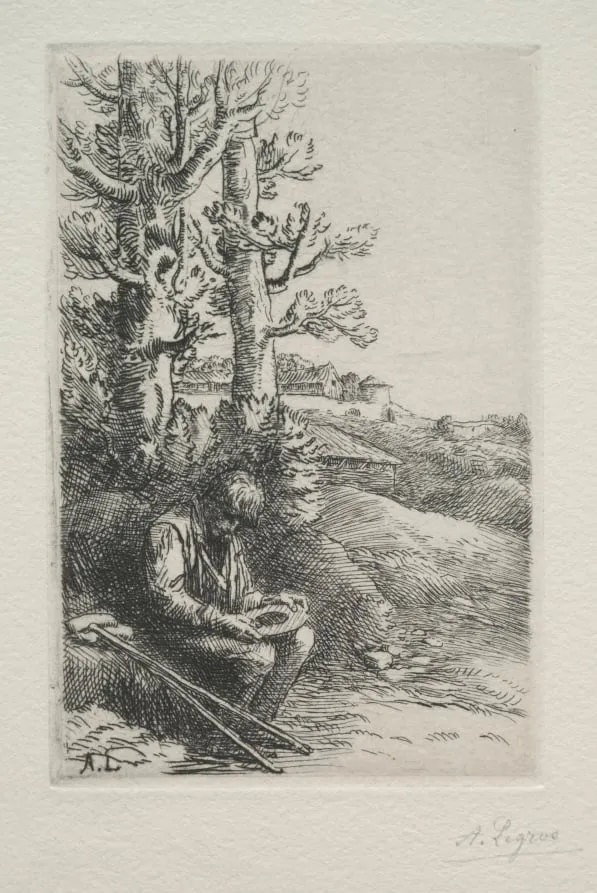
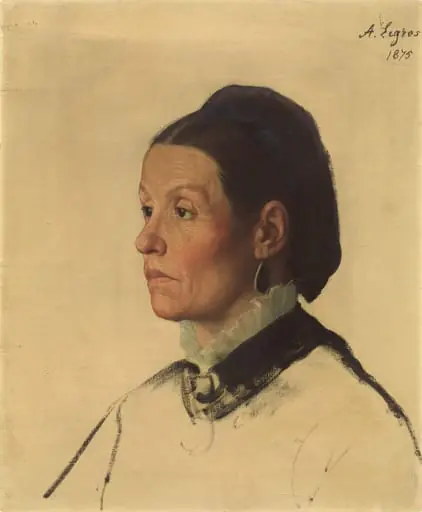
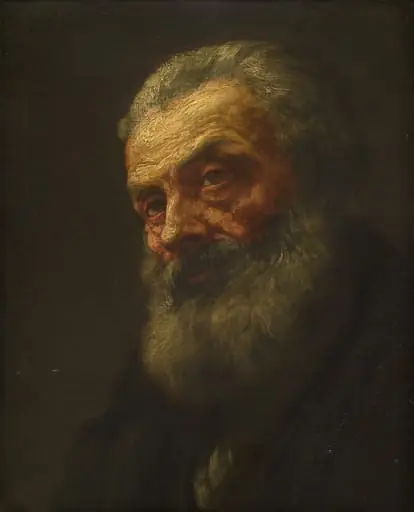
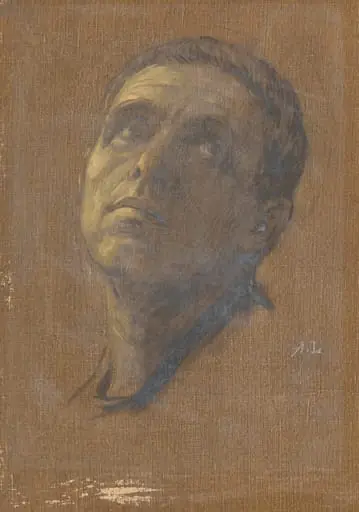
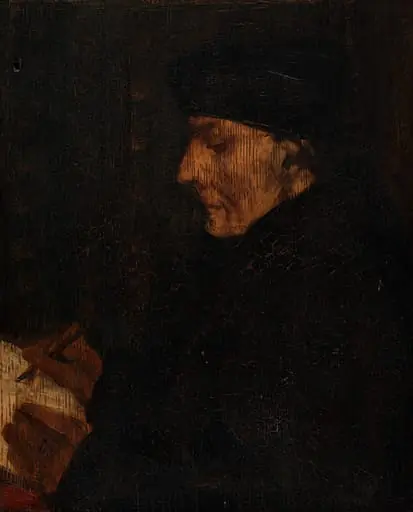
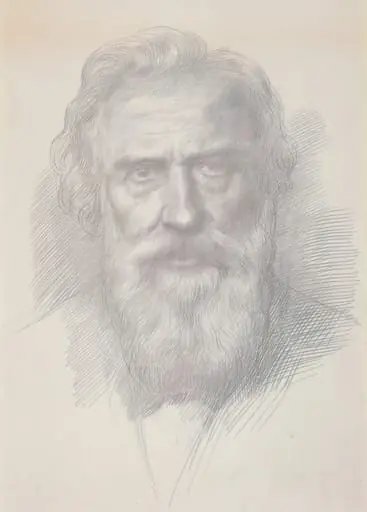
The Little Beggar is a print by the Impressionist artist Alphonse Legros. It dates from 1884 and is held in the collection of the Cleveland Museum of Art.
About this work
Overview
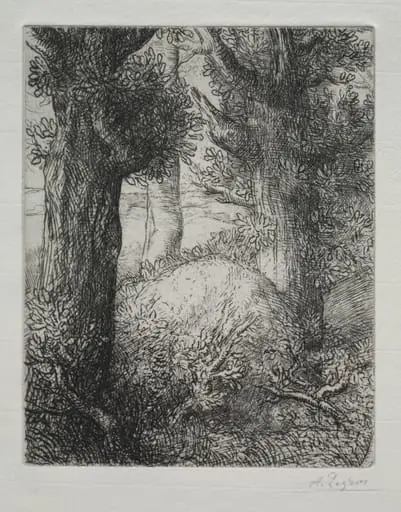
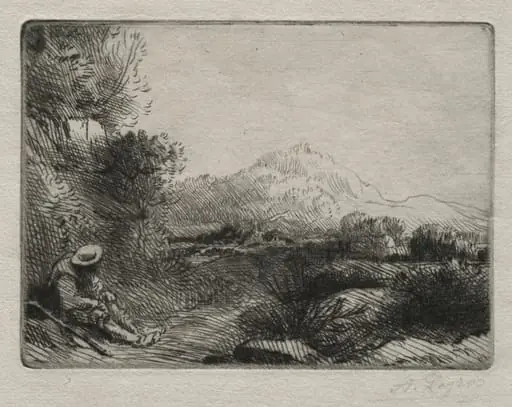
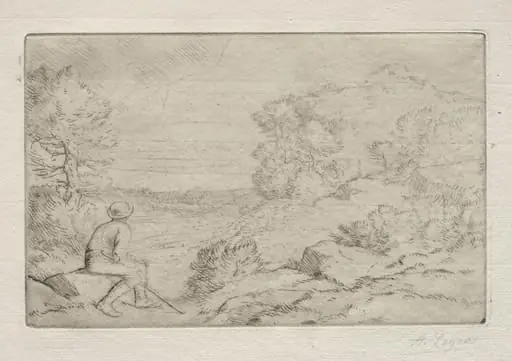
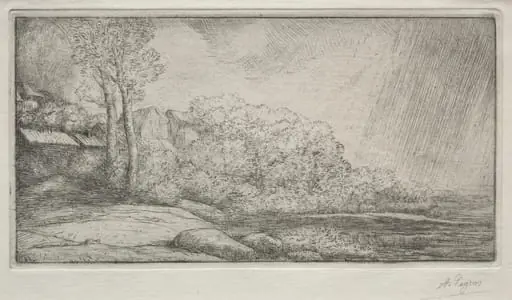
The Little Beggar is an 1884 print by French artist Alphonse Legros, currently in the collection of The Cleveland Museum of Art. Unlike his more famous paintings, this work is executed in a graphic medium, likely etching or drypoint, emphasizing line and tonal contrast. It depicts a solitary figure in a rural setting, rendered with restrained detail and emotional gravity.
Subject & Meaning
The figure is a man seated on the ground, leaning against a tree, dressed in plain, worn garments. His posture suggests fatigue or introspection rather than overt distress. The absence of narrative detail invites quiet contemplation, framing the subject not as a spectacle of poverty but as a quiet presence within the landscape, reflecting Legros’s interest in human dignity amid hardship.
Technique & Style
Legros employs a linear, tonal approach characteristic of printmaking, using fine hatching and varied ink density to model form and suggest atmosphere.
Legros employs a linear, tonal approach characteristic of printmaking, using fine hatching and varied ink density to model form and suggest atmosphere. The brushwork in the original drawing—translated into the print—is deliberate and controlled, with a focus on structure over fleeting effects. While often associated with Realism, the work shows sensitivity to light and texture that aligns with broader 19th-century naturalist tendencies.
History & Provenance
Created in 1884, the print was likely made during Legros’s time in England, where he taught at Slade School of Fine Art. It entered The Cleveland Museum of Art’s collection through the museum’s early acquisitions of European prints, reflecting a broader interest in modern graphic art during the late 19th and early 20th centuries.
Context
Legros was a bridge between French Realism and British academic traditions. While Impressionism emphasized color and light, Legros focused on form and psychological presence. His work responded to social themes common in post-1870 France, but his approach remained rooted in careful observation rather than stylistic innovation, distinguishing him from contemporaries like Degas or Pissarro.
Legacy
The Little Beggar exemplifies Legros’s commitment to humanist subject matter through disciplined draftsmanship. Though less widely known than his French peers, his prints influenced a generation of British artists at Slade. The work endures as a quiet testament to the dignity of marginalized figures, valued for its restraint and emotional resonance rather than its novelty.
Artist & collection

Artist
Alphonse Legros (French pronunciation: ; 8 May 1837 – 8 December 1911) was a French, later British, painter, etcher, sculptor, and medallist.