Artwork
Guy Little Theatrical Photograph
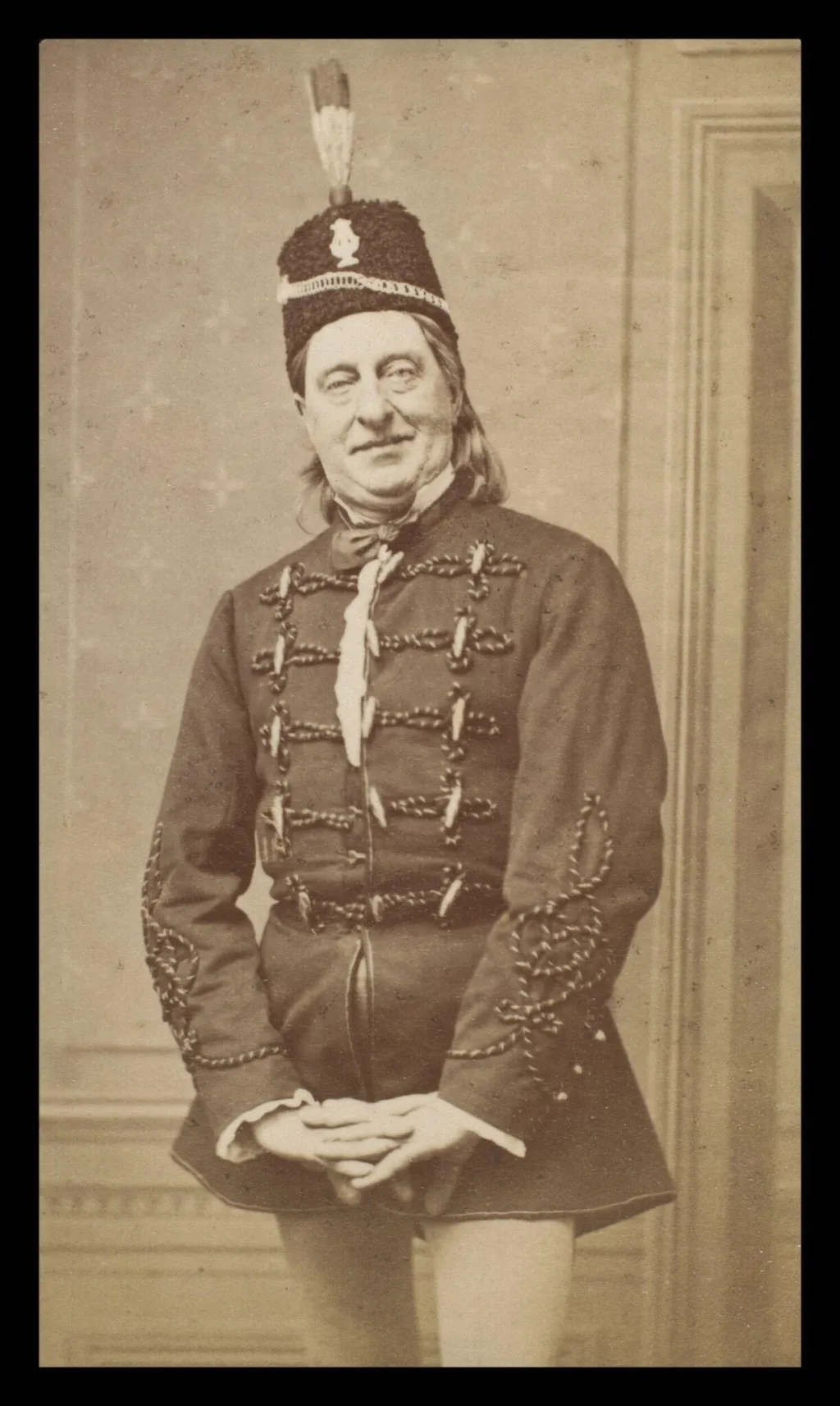
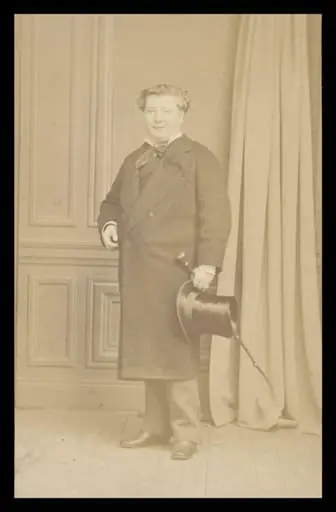
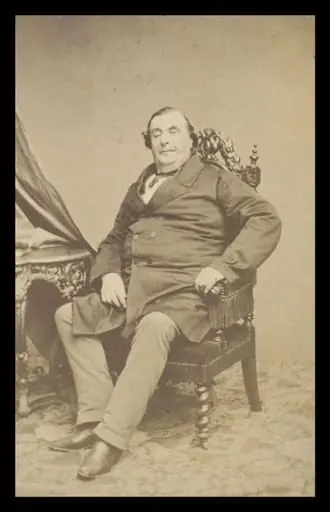
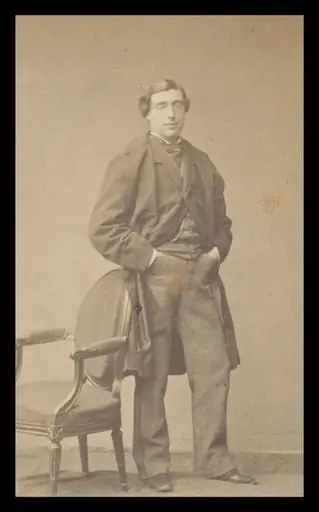
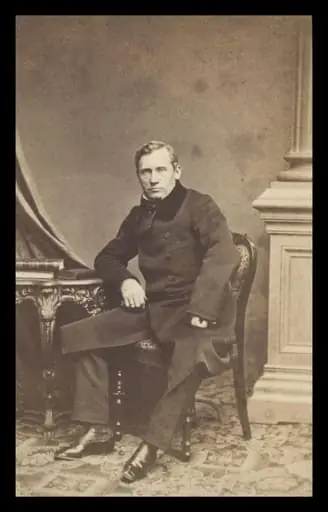
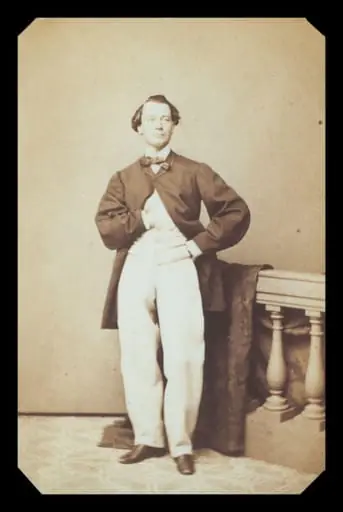
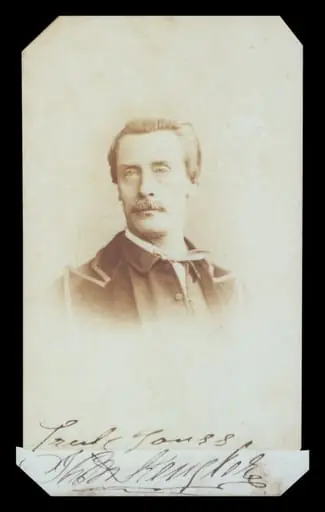
Guy Little Theatrical Photograph is a photographic photography by the Impressionist artist Alphonse Liebert. It dates from 1859 and is held in the collection of the Victoria and Albert Museum. This early photographic portrait depicts the French actor M.
About this work
It’s an albumen print on card, part of the trend where performers sold posed photos to fans.
This photo shows an actor named M. Hyacinthe, shot by Alphonse Liebert around 1859. It’s an albumen print on card, part of the trend where performers sold posed photos to fans. These “cartes de visite” were small enough to slip into an album.
Victorian fans collected them like postcards—stars, sights, even art prints. Hyacinthe’s card would have carried Liebert’s studio stamp on the back.
Look up the Victoria and Albert Museum to see more of these early celebrity photos.
Overview
This early photographic portrait depicts the French actor M. Hyacinthe, captured by Alphonse Liebert around 1859. Produced as an albumen print on card, the image exemplifies the small, collectible format that circulated widely among Victorian audiences. The photograph measures roughly the size of a visiting card, allowing it to be stored in personal albums or exchanged as a keepsake.
Subject & Meaning
M. Hyacinthe, a stage performer of the mid‑nineteenth century, is presented in a posed, studio setting that emphasizes his theatrical persona. The portrait functions both as a personal likeness and as a promotional image, enabling admirers to possess a tangible representation of a favorite actor at a time when live performance could not be recorded.
Technique & Style
The work is an albumen print, a process that involved coating paper with egg white to bind silver salts, then exposing it to a glass negative. This method yielded fine detail and a glossy surface, characteristic of the era’s studio portraits. The composition is straightforward, with the subject centered against a neutral backdrop, highlighting facial features and costume.
History & Provenance
Originally issued as part of a series of cartes de visite, the photograph was later removed from its original backing and mounted in a personal album by Guy Tristram Little, a collector of photographic ephemera who died in 1953. Little bequeathed his assembled collection to the Victoria and Albert Museum, where it now resides in the Theatre Collections.
Context
During the 1860s, cartes de visite became a fashionable means of sharing images of notable individuals, ranging from royalty to performers. Their popularity surged as collectors exchanged them much like modern postcards. By the late 1870s larger cabinet cards supplanted them, but the Hyacinthe portrait remains a representative example of the earlier, more intimate format.
Artist & collection
Artist
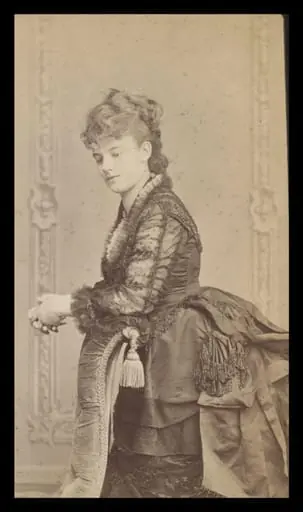
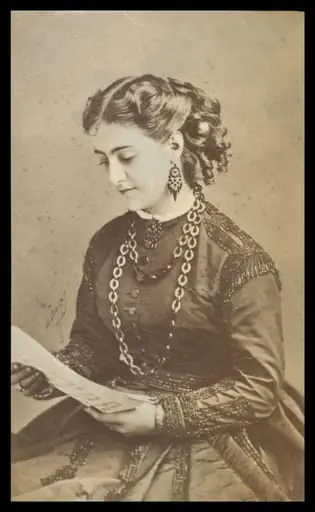
These photos capture actors backstage in the 1800s, freezing poses and props before the curtain rises.