Artwork
Guy Little Theatrical Photograph
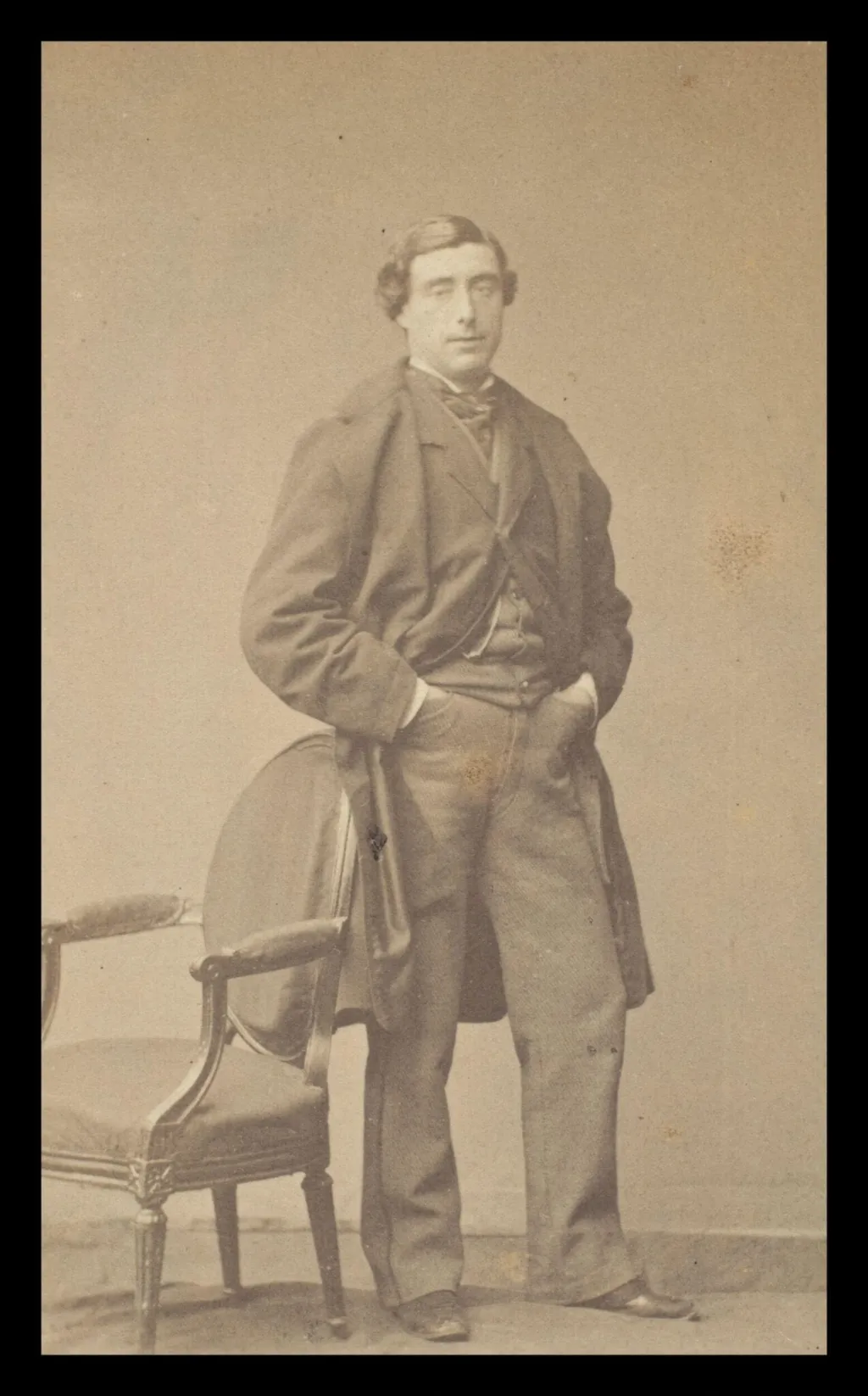
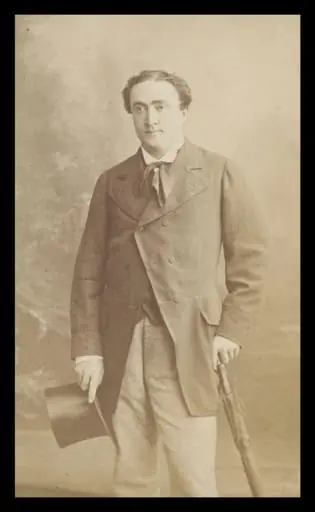
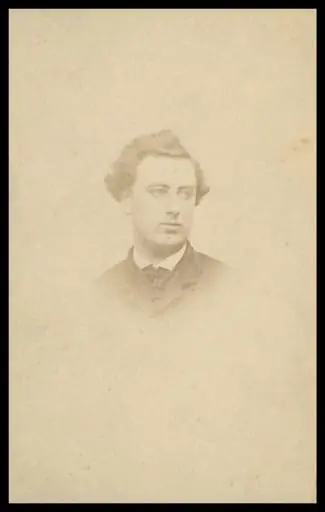
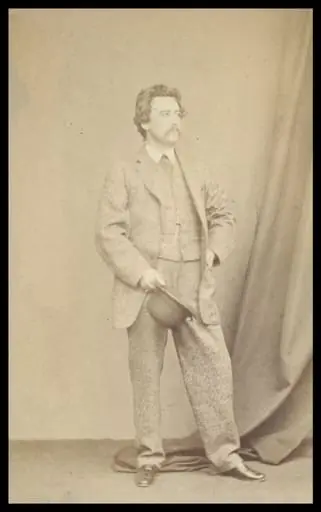
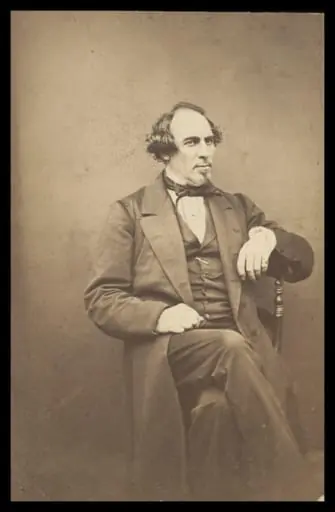
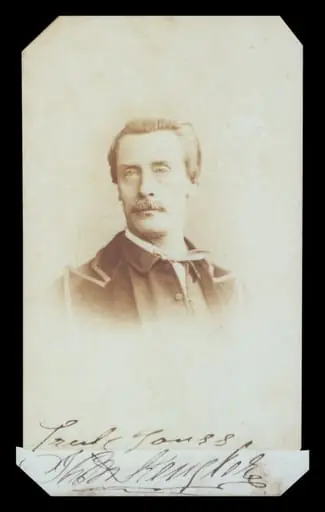
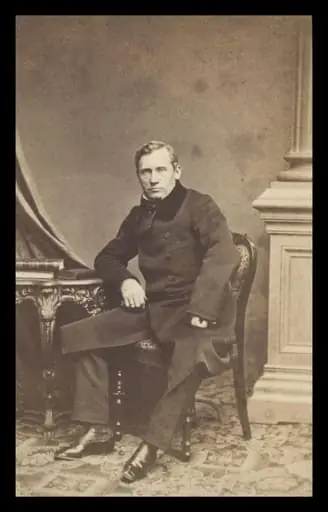
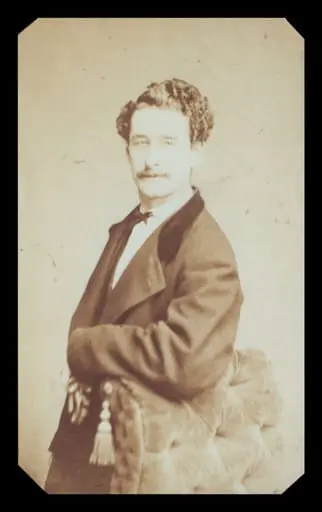
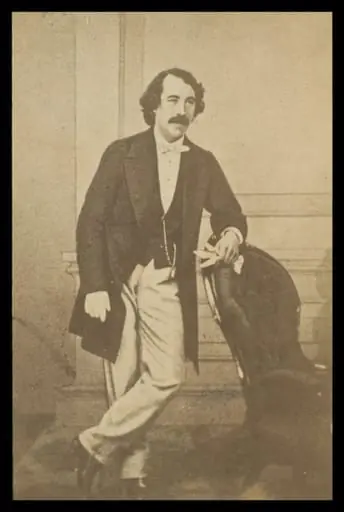
Guy Little Theatrical Photograph is a photographic photography by Pierre Petit et Trinquart. It dates from 1850 and is held in the collection of the Victoria and Albert Museum.
About this work
Overview
This photograph is a small albumen print mounted on cardstock, characteristic of the carte de visite format popular in the mid-to-late nineteenth century.
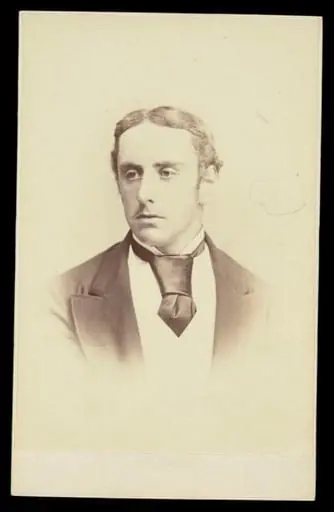
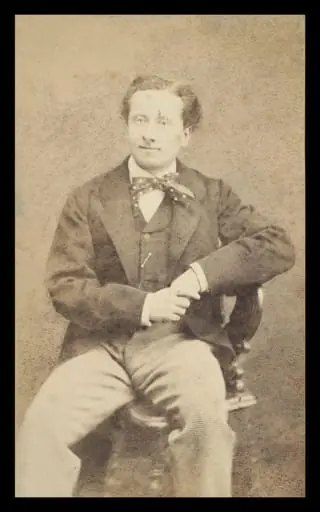
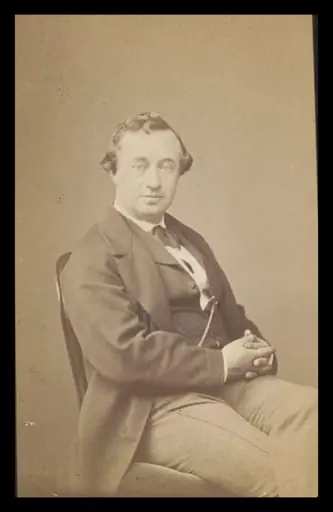
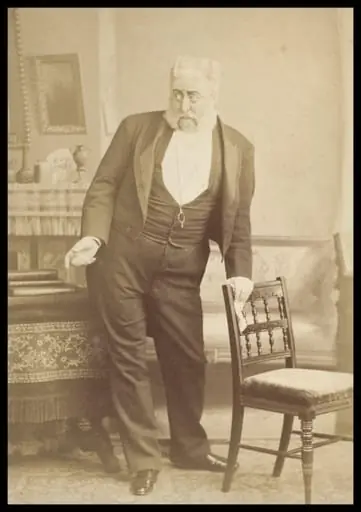
This photograph is a small albumen print mounted on cardstock, characteristic of the carte de visite format popular in the mid-to-late nineteenth century. It depicts the actor M. Landrol and originates from the personal collection of Guy Tristram Little, a solicitor and avid collector of theatrical memorabilia. Little bequeathed his assembled albums to the Victoria and Albert Museum, where they became part of the foundational holdings of its Theatre Collections.
Subject & Meaning
M. Landrol, a performer of the Victorian stage, is portrayed here in a formal studio setting, likely in costume or attire associated with a role. Such portraits served not only as personal mementos but also as tools of public recognition, allowing audiences to connect with actors beyond the theater. The image reflects the growing cultural practice of celebrity fandom, where theatrical figures became familiar through mass-produced imagery.
Technique & Style
The photograph was produced using the albumen printing process from a glass negative, the standard method for cartes de visite between the 1850s and 1880s. The small format—roughly the size of a visiting card—allowed for economical reproduction and easy handling. The backing bears the imprint of the photographer, Pierre Petit et Trinquart, a known Parisian studio, indicating the international reach of theatrical portraiture at the time.
History & Provenance
The image was once part of a larger assemblage of cartes de visite and cabinet cards collected by Guy Tristram Little, who meticulously mounted them in albums. After his death in 1953, the collection passed to the V&A. Little’s role as executor for Gabrielle Enthoven, a major theatrical archivist, further ties this photograph to the institutional development of theater history preservation in Britain.
Context
During the 1860s, cartes de visite became a cultural phenomenon, with millions produced annually. They circulated widely among the middle class, who collected portraits of actors, royalty, and celebrities. The format democratized access to images of public figures and helped standardize the visual identity of performers, bridging the gap between stage and domestic life in Victorian society.
Legacy
Little’s collection, including this photograph, contributed directly to the V&A’s establishment of one of the world’s most significant theater archives. The survival of such ephemeral items offers insight into how theatrical fame was cultivated and consumed in the pre-film era. These photographs remain vital records of performance culture and the early mechanics of celebrity.
Artist & collection
Artist
Pierre Petit et Trinquart likely spent a lot of time in theaters, capturing performers like Guy Little.