Artwork
Abraham's Sacrifice
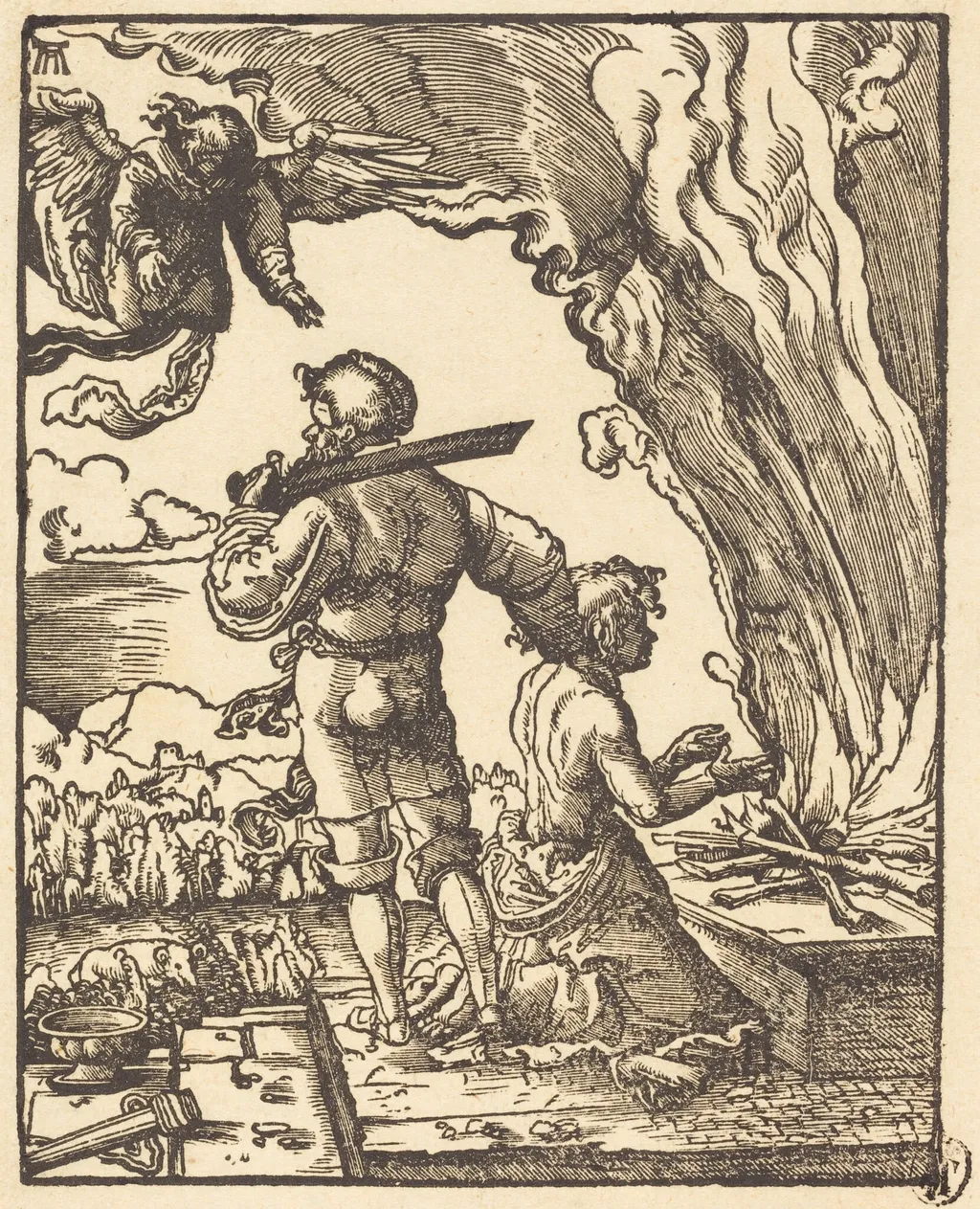
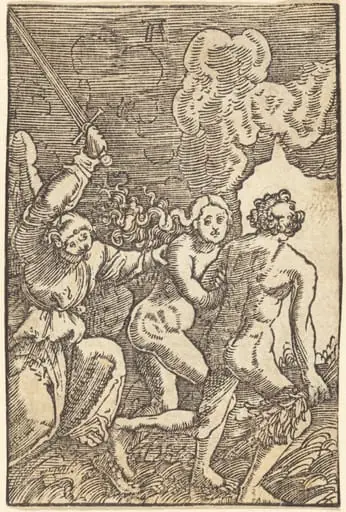
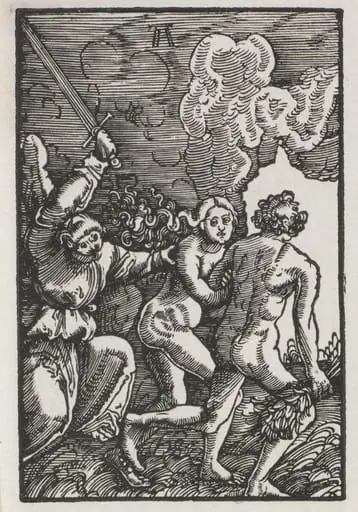
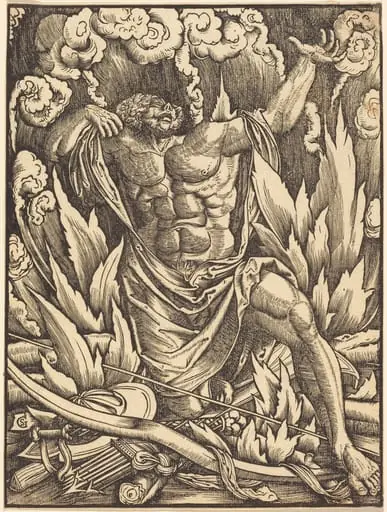
Abraham's Sacrifice is an ink print by the Renaissance artist Albrecht Altdorfer. It dates from 1520 and is held in the collection of the National Gallery of Art.
About this work
Overview
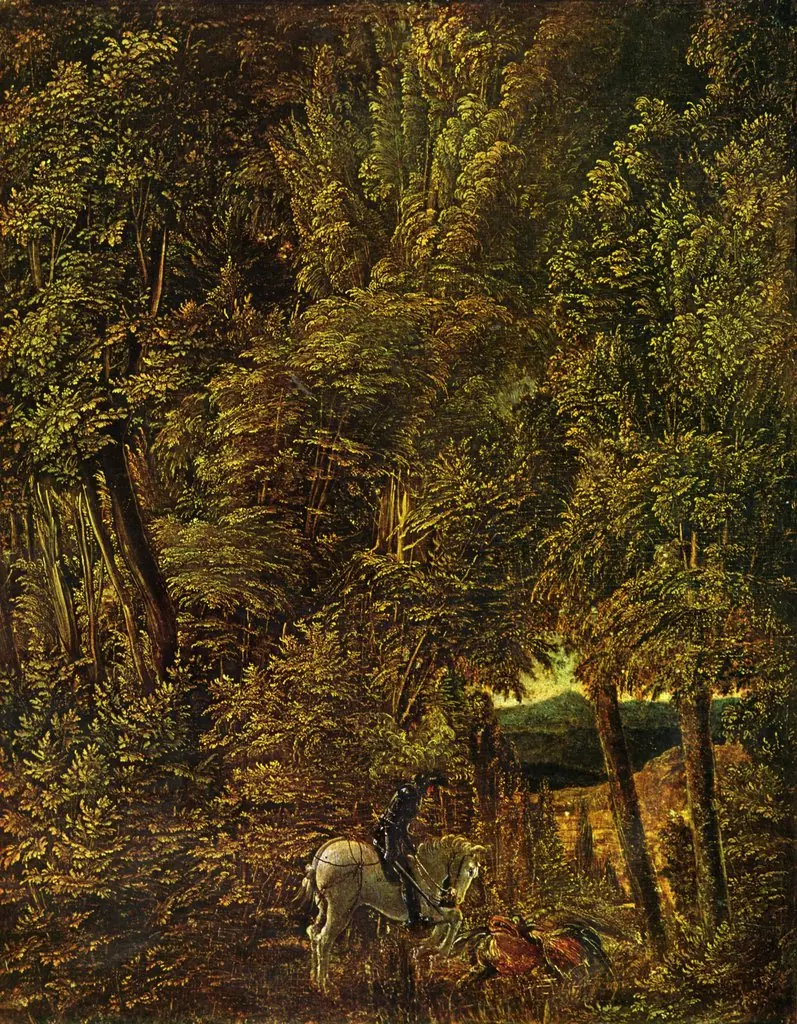
Altdorfer’s approach combined religious narrative with immersive natural settings, distinguishing his prints from more conventional compositions of the period.
Created in 1520, *Abraham's Sacrifice* is a woodcut by Albrecht Altdorfer, a German artist based in Regensburg. Executed on laid paper, the print belongs to a body of work that helped redefine the role of landscape in Northern Renaissance art. Altdorfer’s approach combined religious narrative with immersive natural settings, distinguishing his prints from more conventional compositions of the period.
Subject & Meaning
The scene depicts the biblical moment when Abraham prepares to sacrifice his son Isaac, as commanded by God. The figures are rendered with intense physicality: Abraham, turned away, bears the weight of the bundle and knife, while Isaac clings to his leg. The turbulent sky and smoldering fire suggest divine presence and inner turmoil, emphasizing the moral gravity of the act without overt symbolism.
Technique & Style
Altdorfer employed sharp, angular lines characteristic of woodcut printing, carving directly into the block to create bold contrasts and dynamic contours. The lack of soft transitions heightens the drama, with every fold of fabric and ripple of cloud rendered in precise, carved detail. His handling of space and texture reflects the influence of the Danube School’s emphasis on expressive, almost emotional landscapes.
History & Provenance
The print emerged during Altdorfer’s mature period, when he was deeply engaged in both painting and printmaking. While specific early ownership records are sparse, the work aligns with other woodcuts produced in Regensburg for a growing market of collectors interested in religious imagery infused with naturalistic detail. Its survival in multiple institutional collections attests to its early circulation and enduring interest.
Context
In early 16th-century Germany, woodcuts were widely disseminated, serving both devotional and artistic purposes. Altdorfer’s work stood apart by integrating expansive, almost wild landscapes as active elements of the narrative. This approach paralleled broader shifts in visual culture, where nature was no longer merely a backdrop but a carrier of psychological and spiritual weight.
Legacy
Altdorfer’s *Abraham's Sacrifice* contributed to the evolution of landscape as a subject worthy of independent artistic attention. His integration of dramatic natural elements into biblical scenes influenced later Northern artists, helping to bridge the gap between devotional imagery and the emerging tradition of landscape painting. The print remains a key example of how printmaking could convey complex emotional and spatial narratives.
Artist & collection
Artist
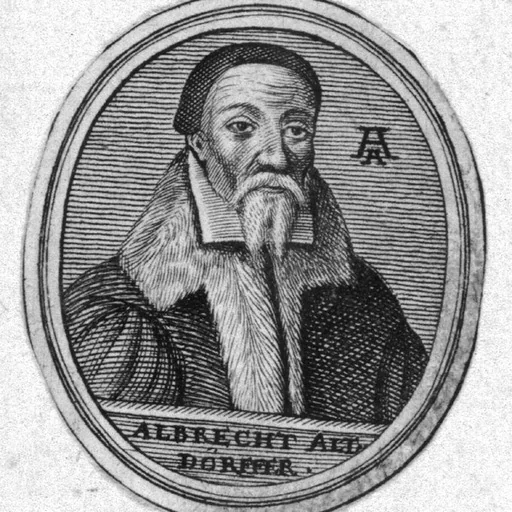
Albrecht Altdorfer (c. 1480 – 12 February 1538) was a German painter, engraver and architect of the Renaissance working in Regensburg. Along with Lucas Cranach the Elder and Wolf Huber he is regarded to be the main…