Artwork
Putto Riding a Hobby Horse
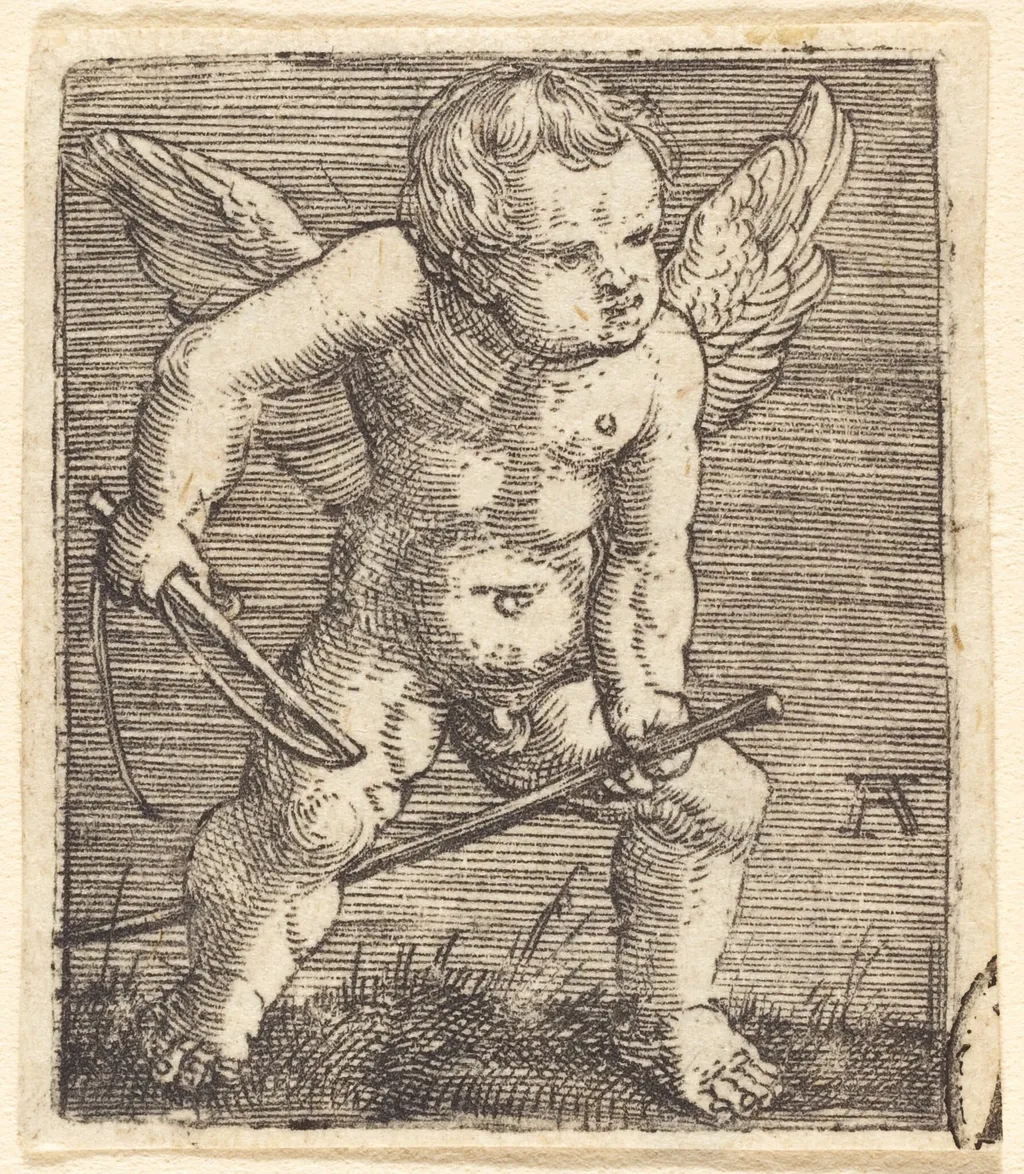
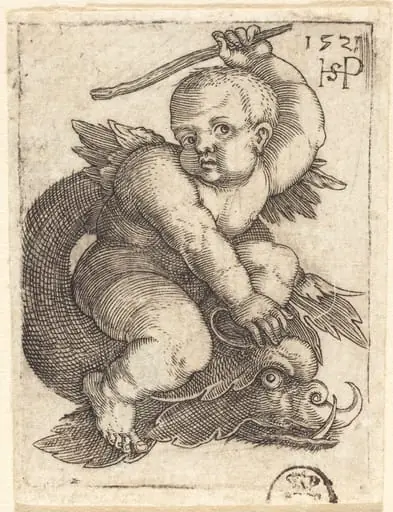
Putto Riding a Hobby Horse is an ink print by the Renaissance artist Albrecht Altdorfer. It dates from 1520 and is held in the collection of the National Gallery of Art.
About this work
The lines are sharp and detailed, using cross-hatching to shade.
This engraving shows a chubby baby angel riding a stick horse. The angel has little wings and a happy face. The horse is just a straight stick with a carved head.
Altdorfer made this small print around 1520. It’s not a big painting, just a tiny engraving on paper. The lines are sharp and detailed, using cross-hatching to shade.
It feels playful for its time. Look for the texture in the angel’s hair.
Overview
Created around 1520 by Albrecht Altdorfer, this small engraving on laid paper depicts a cherubic figure astride a rudimentary hobby horse. Executed with precision, the work belongs to a group of intimate prints produced during Altdorfer’s time in Regensburg. Though modest in scale, it reveals his command of fine line work and his interest in whimsical subjects alongside his more monumental religious compositions.
Subject & Meaning
The image portrays a putto, or infant angel, riding a stick horse with evident delight. The figure’s wings and cherubic features identify it as a celestial child, while the crude toy suggests a blend of the divine and the earthly. This playful scene may reflect Renaissance humanist interests in childhood, innocence, or the symbolic contrast between spiritual purity and mundane play.
Technique & Style
Altdorfer employed fine, controlled engraving lines to render texture and form, using cross-hatching to model the putto’s skin and the horse’s carved head. Delicate strokes define the angel’s wispy hair and the grain of the wooden stick. The composition is tightly framed, emphasizing detail over space, characteristic of the Nuremberg Little Masters’ approach to small-scale printmaking.
History & Provenance
The print emerged during Altdorfer’s mature period in Regensburg, where he was active as both an artist and civic architect. While no early ownership records are widely documented, the work aligns with other engravings from his circle, circulated among collectors and patrons interested in refined graphic art. Its survival in multiple institutional collections suggests early appreciation for its craftsmanship.
Context
In early 16th-century Germany, religious and mythological themes dominated visual culture, yet Altdorfer’s small engravings often explored lighthearted or domestic subjects. This piece reflects a broader trend among the Danube School to infuse everyday or fantastical moments with artistic seriousness, balancing the sacred and the secular in a period of religious upheaval.
Legacy
Though not among Altdorfer’s most famous works, this engraving exemplifies his versatility and the quiet innovation of his graphic output. It contributed to the acceptance of playful, non-religious imagery in printmaking and influenced later artists who sought to elevate minor subjects through technical precision and expressive detail.
Artist & collection
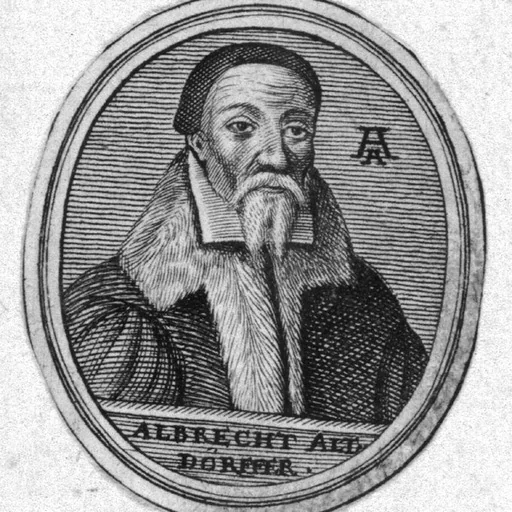
Artist
Albrecht Altdorfer (c. 1480 – 12 February 1538) was a German painter, engraver and architect of the Renaissance working in Regensburg. Along with Lucas Cranach the Elder and Wolf Huber he is regarded to be the main…