Artwork
The Beautiful Virgin of Regensburg on an Altar
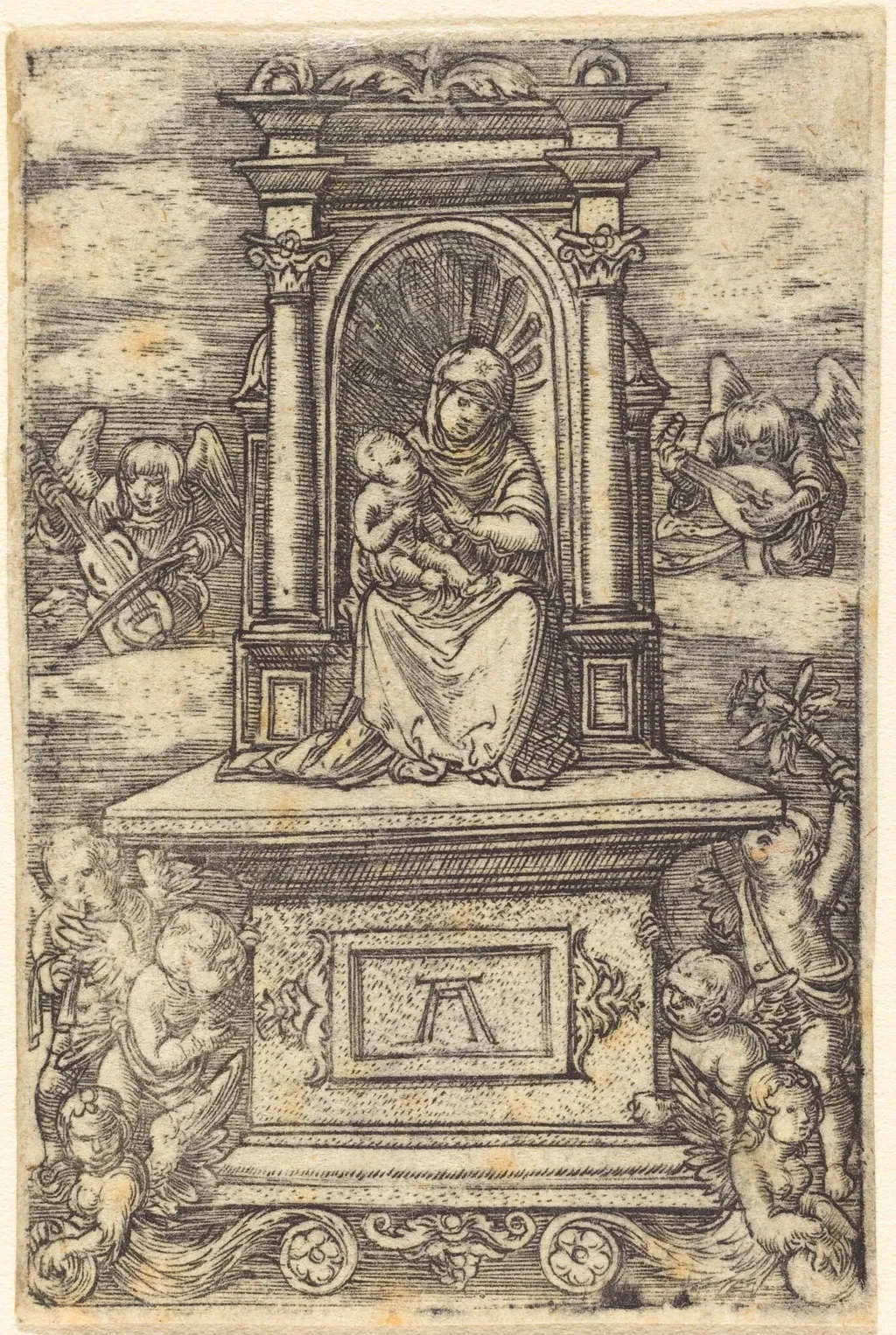
The Beautiful Virgin of Regensburg on an Altar is an ink print by the Renaissance artist Albrecht Altdorfer. It dates from 1520 and is held in the collection of the National Gallery of Art.
About this work
Overview
The work belongs to a tradition of small-scale prints intended for private devotion, reflecting both spiritual intent and technical precision in its execution.
Created around 1520 by Albrecht Altdorfer, this engraving on laid paper presents a devotional image of the Virgin Mary seated on an altar. As a key figure in the Danube School, Altdorfer combined religious subject matter with intricate graphic detail. The work belongs to a tradition of small-scale prints intended for private devotion, reflecting both spiritual intent and technical precision in its execution.
Subject & Meaning
The Virgin Mary is depicted seated in a stone niche, holding the Christ Child, flanked by two angels—one playing a lute. Surrounding cherubs and ornamental borders frame the central figures, reinforcing the sacred atmosphere. The composition draws from medieval iconography of the Throne of Grace, emphasizing Mary’s role as intercessor while inviting contemplative prayer through its intimate scale and serene arrangement.
Technique & Style
Altdorfer employed fine cross-hatching and delicate line work to model form and create depth on a flat surface. The dark, textured background isolates the luminous figures, enhancing their presence. Decorative elements along the margins—cherubs, foliage, and architectural motifs—are rendered with meticulous care, showcasing the artist’s skill in translating spatial complexity into the restrained medium of engraving.
History & Provenance
The print was produced in Regensburg, where Altdorfer lived and worked as both artist and civic architect. While no early ownership records are documented, its style aligns with other devotional engravings circulating in southern German religious circles during the early Reformation. Its survival in multiple impressions suggests it was widely distributed among private collectors and clergy.
Context
Created during a period of religious upheaval, the image reflects enduring Catholic devotional practices even as Protestant reforms challenged traditional imagery. Altdorfer’s focus on detailed, intimate sacred scenes offered an alternative to large altarpieces, catering to personal piety. The Danube School’s emphasis on atmospheric landscapes and emotional resonance subtly infused even small prints with a sense of spiritual immersion.
Legacy
This engraving exemplifies the Danube School’s contribution to Northern Renaissance printmaking, bridging the grandeur of painting with the accessibility of the printed image. Altdorfer’s influence extended to later engravers who adopted his fine-line techniques and emotional depth. Though not widely reproduced today, the work remains a significant example of early 16th-century devotional graphic art.
Artist & collection
Artist
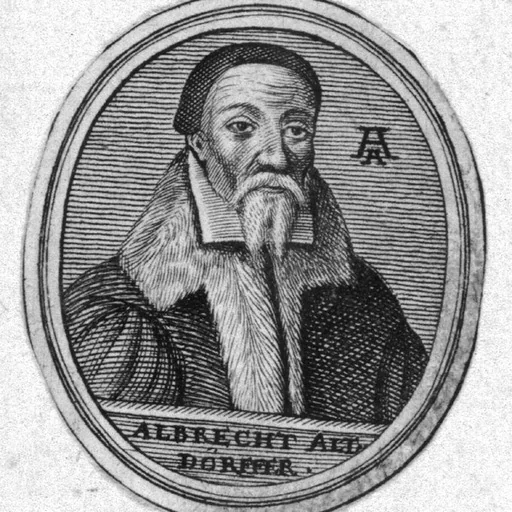
Albrecht Altdorfer (c. 1480 – 12 February 1538) was a German painter, engraver and architect of the Renaissance working in Regensburg. Along with Lucas Cranach the Elder and Wolf Huber he is regarded to be the main…

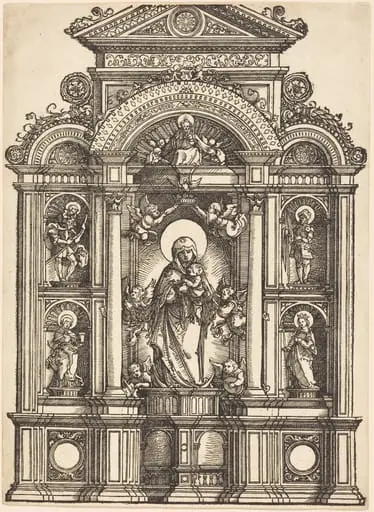 Altarpiece with the Beautiful Virgin of Regensburg and Saints Christopher, Mary Magdalene, Florian, and Catherine Standing in Niches, with God the Father Above
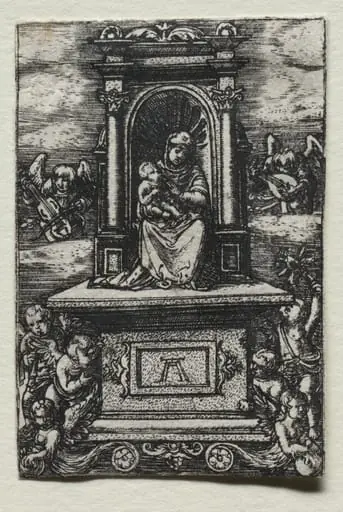 The Beautiful Virgin of Ratisbon on an Altar
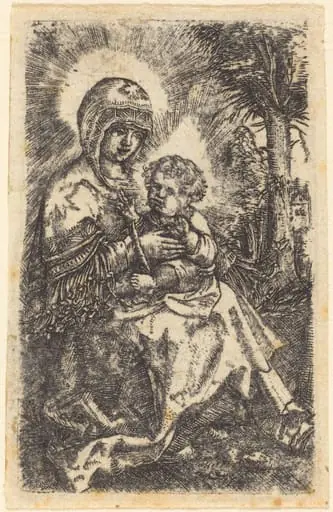 The Beautiful Virgin of Regensburg Seated in a Landscape
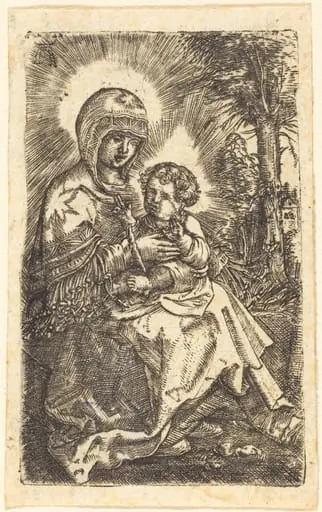 The Beautiful Virgin of Regensburg Seated in a Landscape
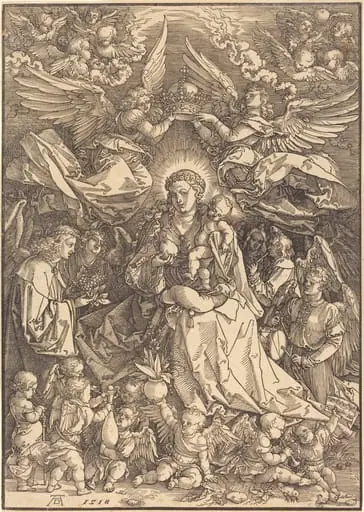 The Virgin Surrounded by Many Angels
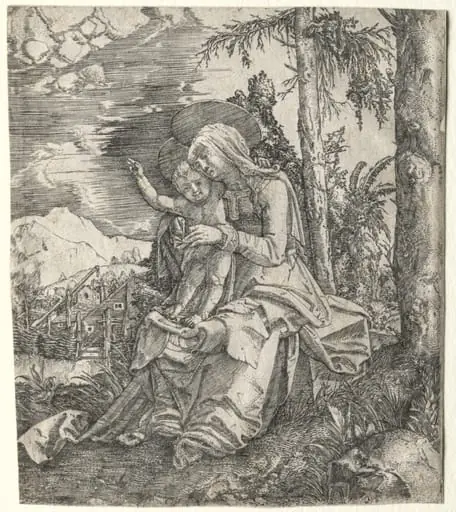 The Virgin in a Landscape