Artwork
The Flagellation of Christ
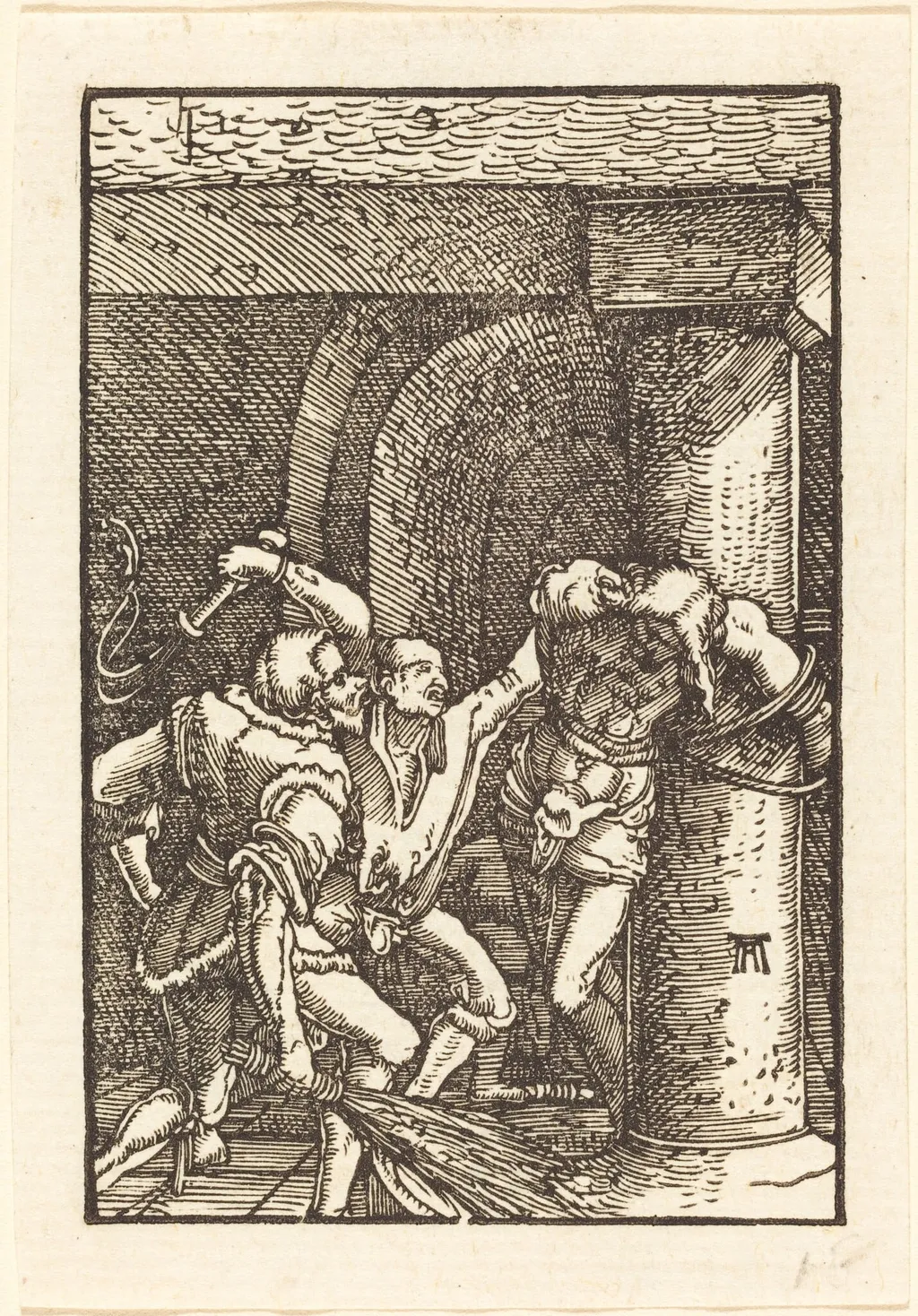
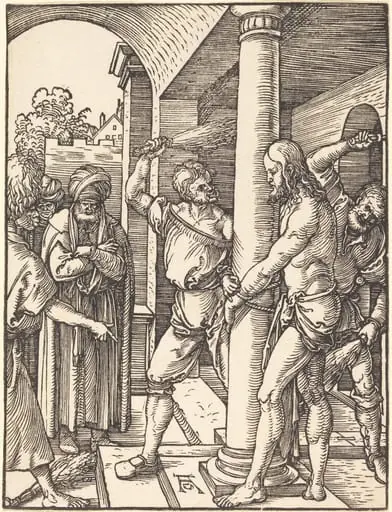
The Flagellation of Christ is an ink print by the Renaissance artist Albrecht Altdorfer. It dates from 1513 and is held in the collection of the National Gallery of Art.
About this work
Overview
The Flagellation of Christ is a woodcut on laid paper created by Albrecht Altdorfer around 1513. Produced in Regensburg, it exemplifies the Danube School's style, which integrates religious and historical subjects into vivid, expressive landscapes.
Subject & Meaning
The work depicts a pivotal biblical moment: Christ's flagellation, bound to a column and whipped by two soldiers. The scene is set in a dimly lit room illuminated only by a lantern, with peripheral details including a dog, a cat, and a distracted figure reading.
Technique & Style
Altdorfer's use of light and shadow creates a sense of realism and tension. The contrast between the brutality of the act and the nonchalant demeanor of the soldiers adds to the scene's emotional complexity. The woodcut's small scale belies its densely packed composition.
History & Provenance
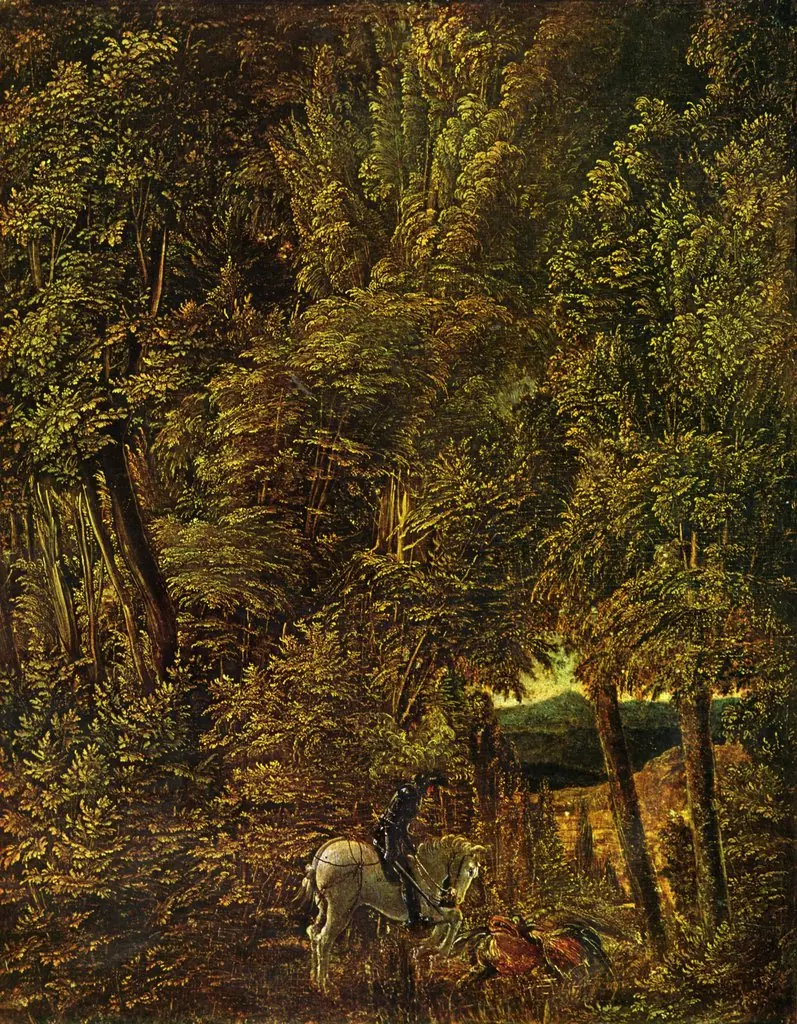
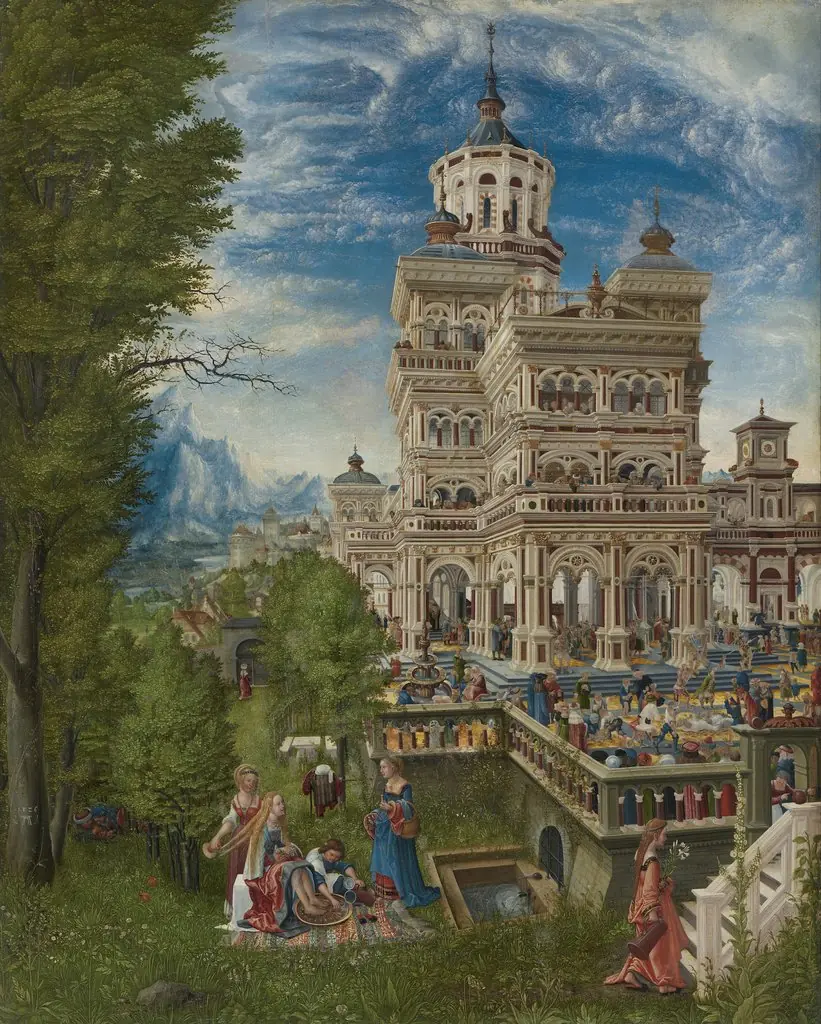
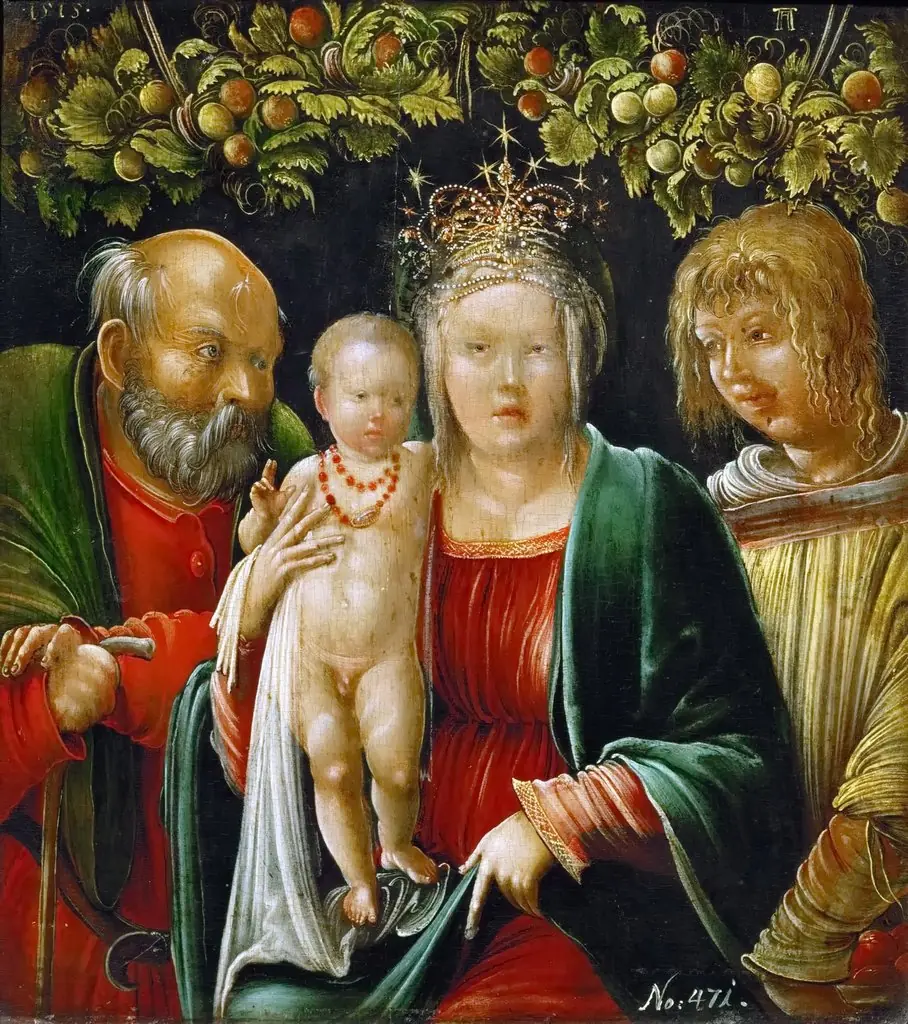
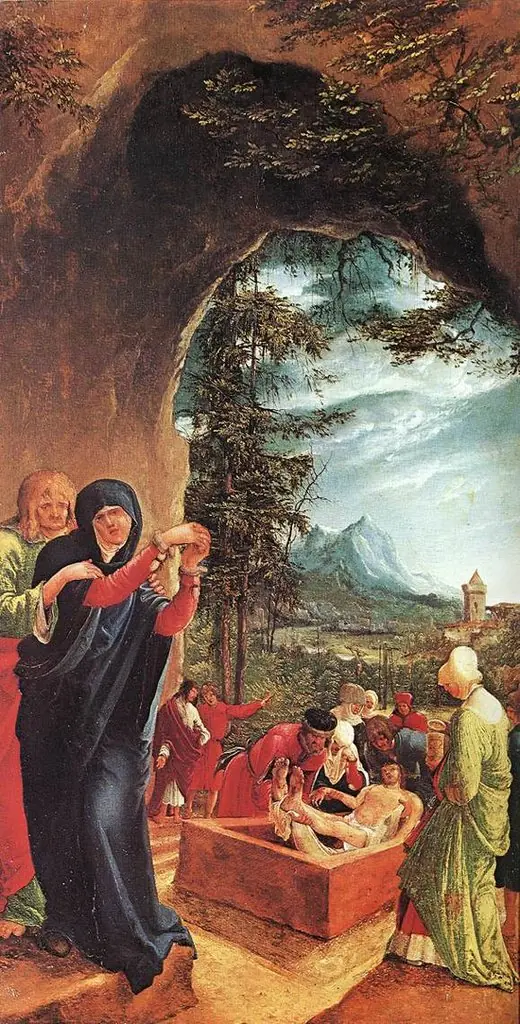
As a leading figure of the Danube School and associated with the Nuremberg Little Masters for his intricate engravings, Altdorfer's early emphasis on landscape is notable. This work aligns with his typical exploration of biblical themes.
Context
Created during the Renaissance, The Flagellation of Christ reflects the era's artistic innovations while adhering to traditional religious subjects. Altdorfer's dual role as painter and engraver influenced his approach to detail and composition in printmaking.
Artist & collection
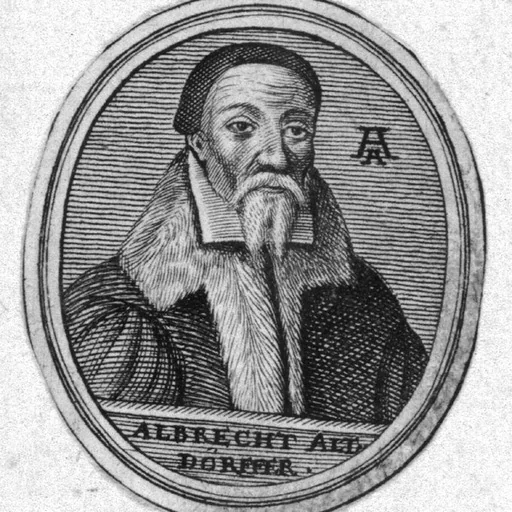
Artist
Albrecht Altdorfer (c. 1480 – 12 February 1538) was a German painter, engraver and architect of the Renaissance working in Regensburg. Along with Lucas Cranach the Elder and Wolf Huber he is regarded to be the main…