Artwork
Ecce Homo
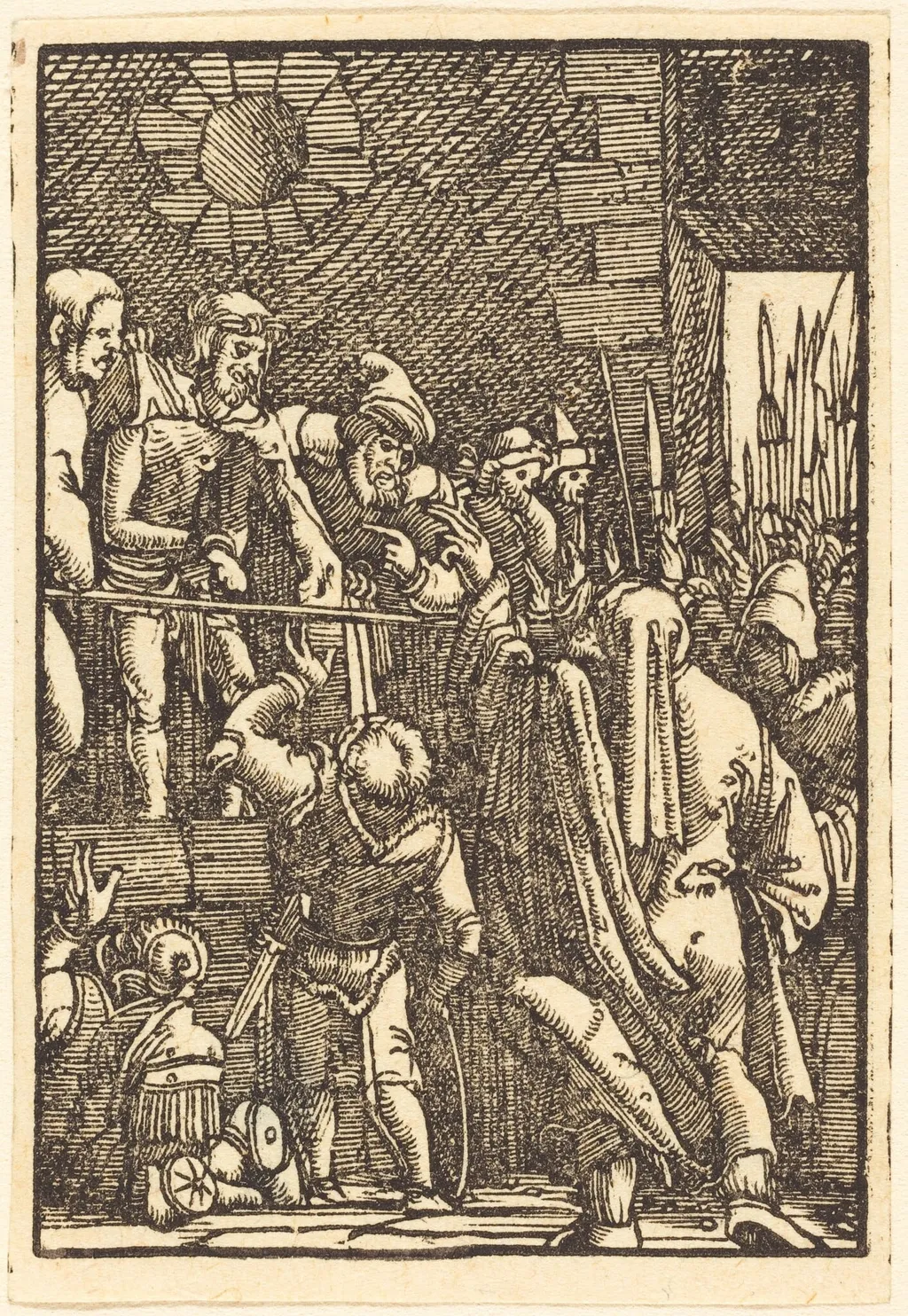
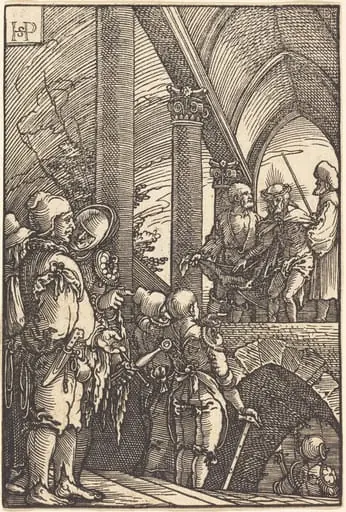
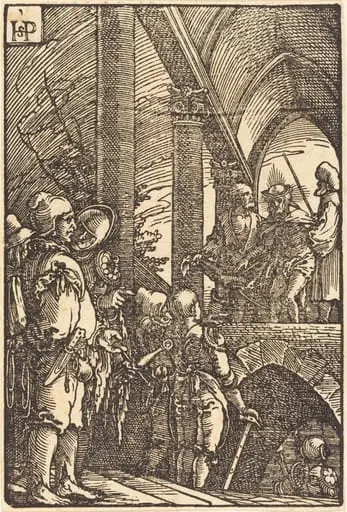
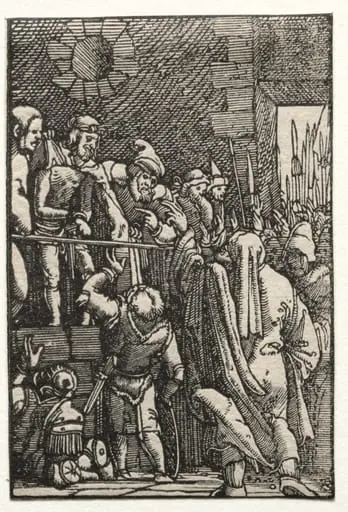
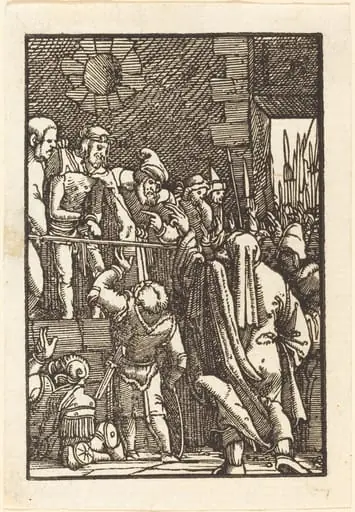
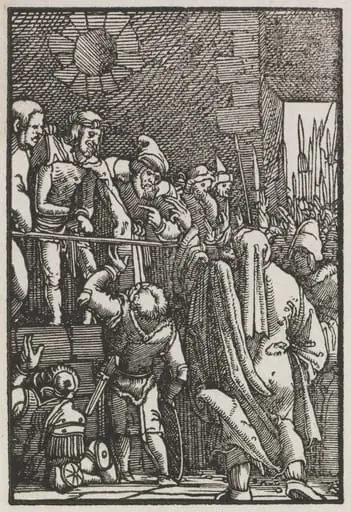
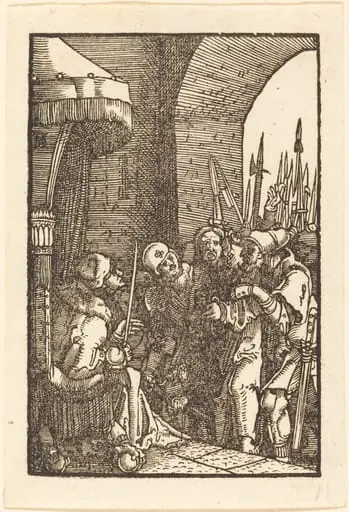
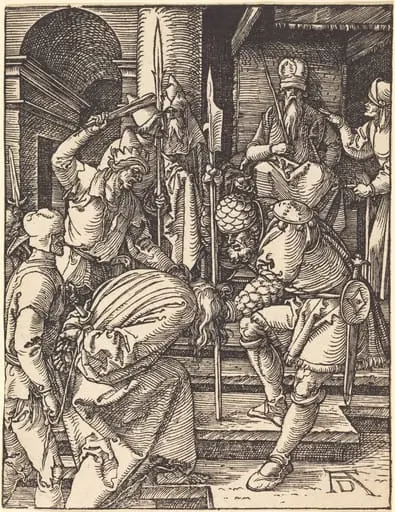
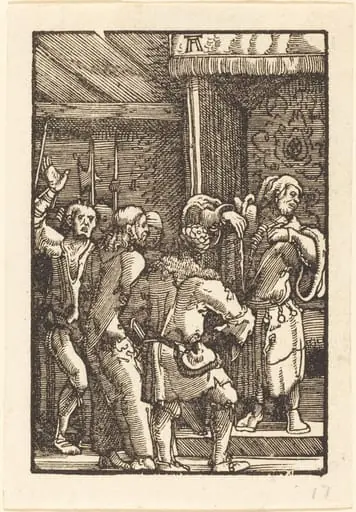
Ecce Homo is an ink print by the Renaissance artist Albrecht Altdorfer. It dates from 1513 and is held in the collection of the National Gallery of Art.
About this work
Overview
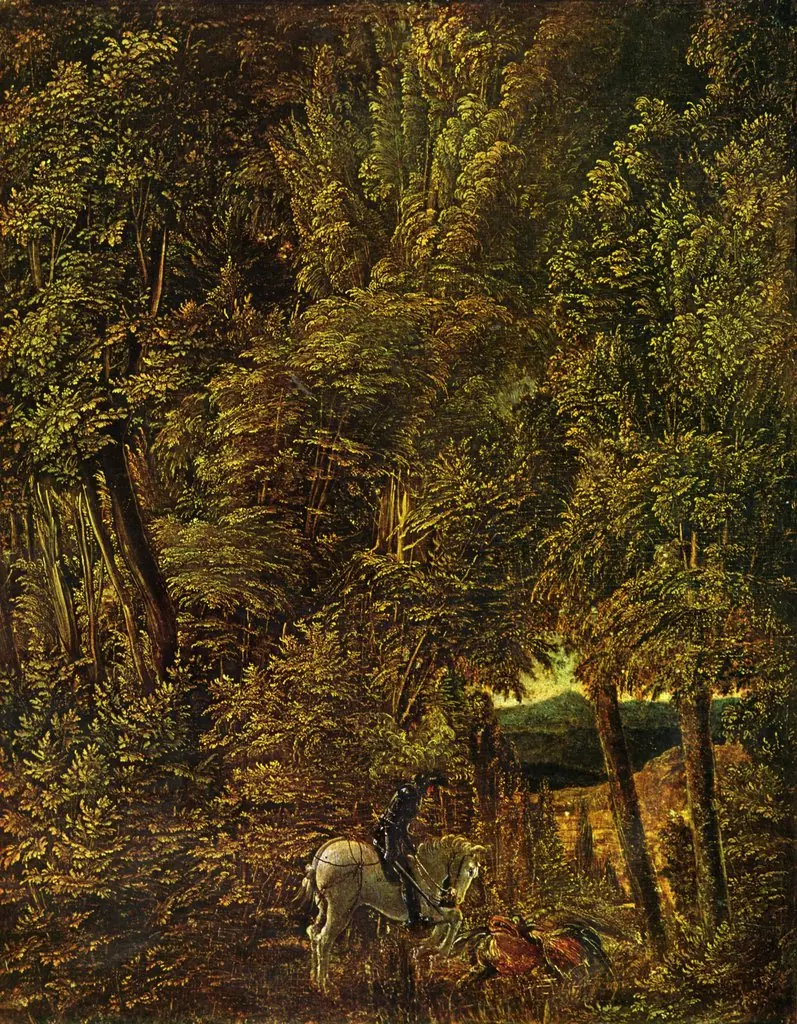
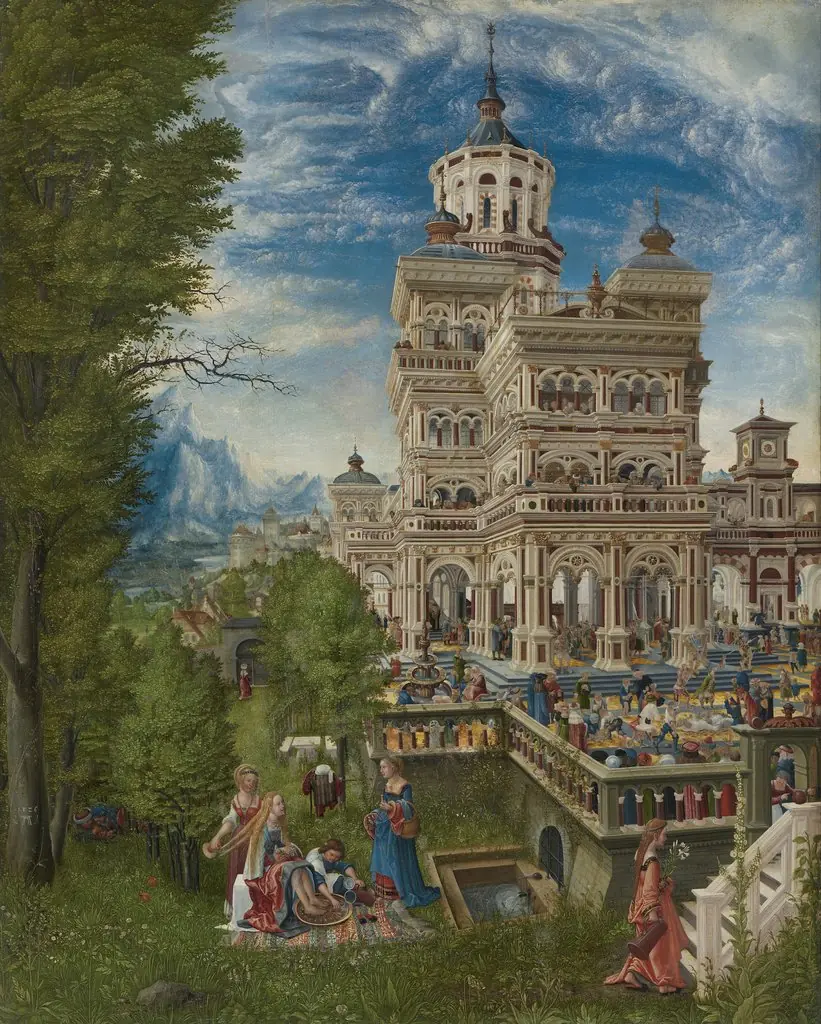
Albrecht Altdorfer's Ecce Homo is a woodcut on laid paper created around 1513. It is a representative work of the Danube School, a group known for integrating biblical scenes with detailed landscapes.
Subject & Meaning
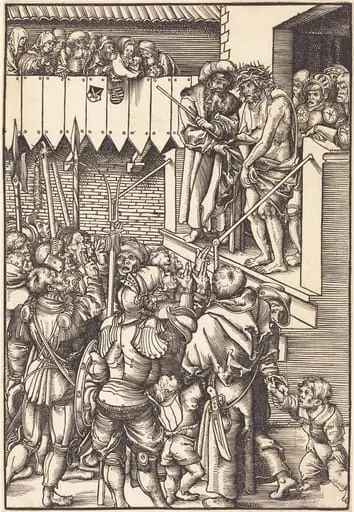
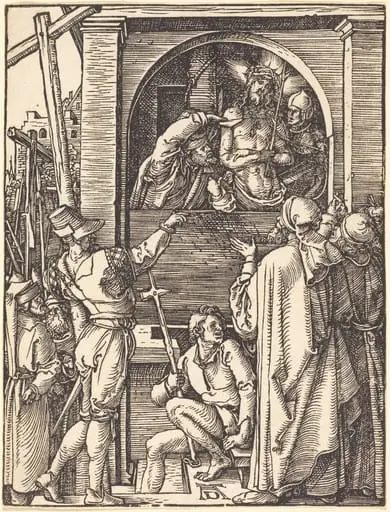
The woodcut depicts the moment when Christ, wearing a crown of thorns, is presented to the crowd before his crucifixion. The chaotic scene is filled with figures reacting to Christ, some reaching out, others kneeling or pointing.
Technique & Style
The work showcases Altdorfer's use of sharp lines and deep shadows to create a dramatic atmosphere, characteristic of woodcut technique. The design was carved into wood and then printed onto paper, resulting in a striking visual effect.
Context
Altdorfer, a German painter, engraver, and architect, was a leading figure in the Danube School while working in Regensburg. His work often featured landscape as a significant element, and he was also known for intricate engravings.
Artist & collection
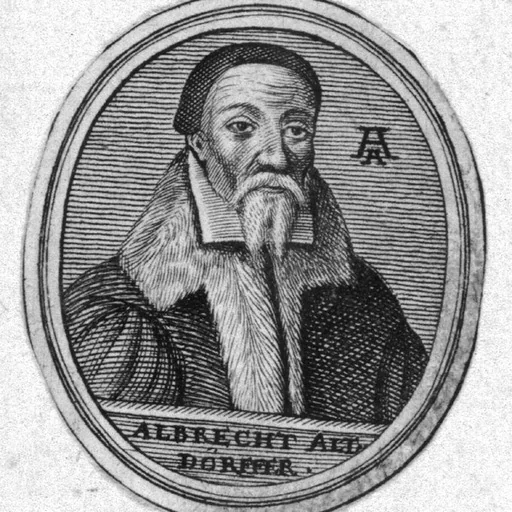
Artist
Albrecht Altdorfer (c. 1480 – 12 February 1538) was a German painter, engraver and architect of the Renaissance working in Regensburg. Along with Lucas Cranach the Elder and Wolf Huber he is regarded to be the main…