Artwork
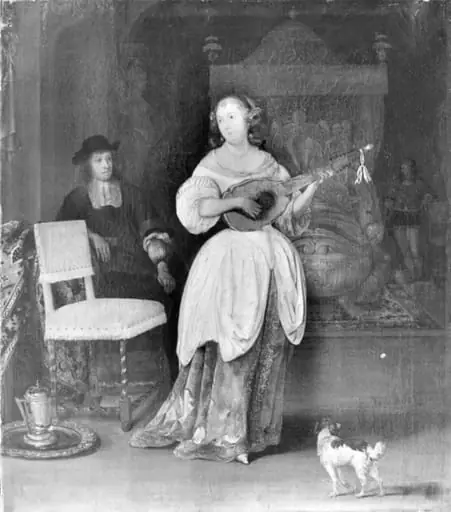
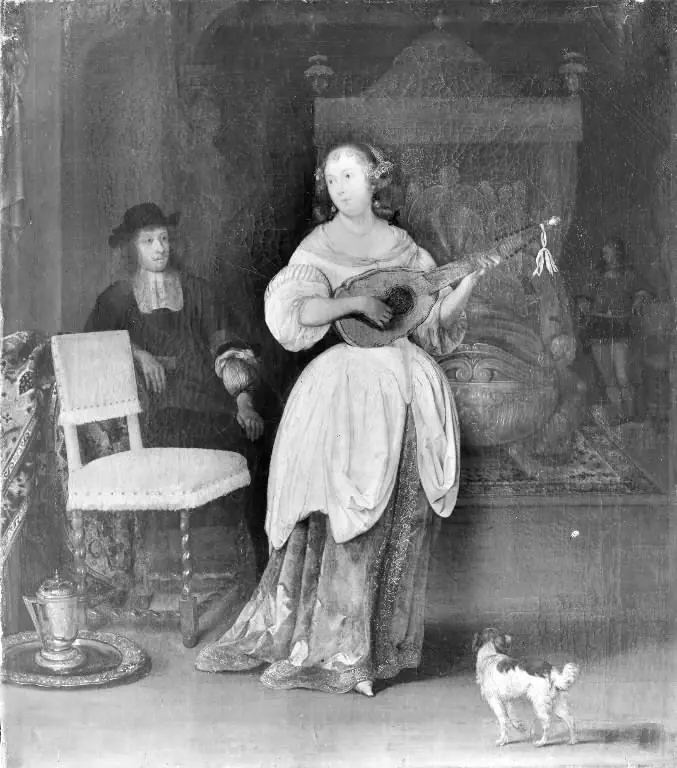
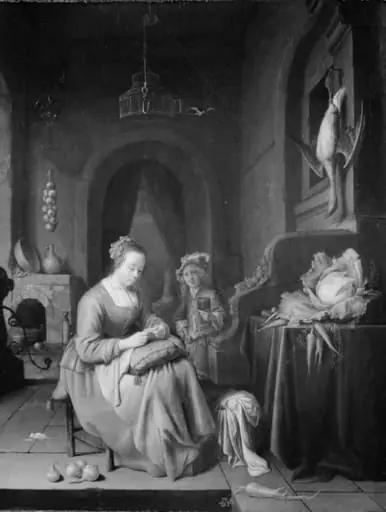
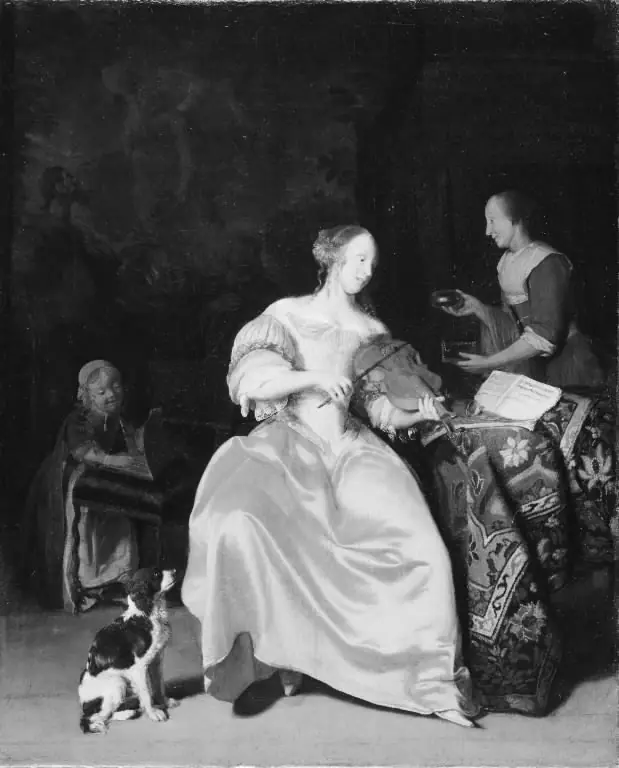
Lady Seated at a Work Table
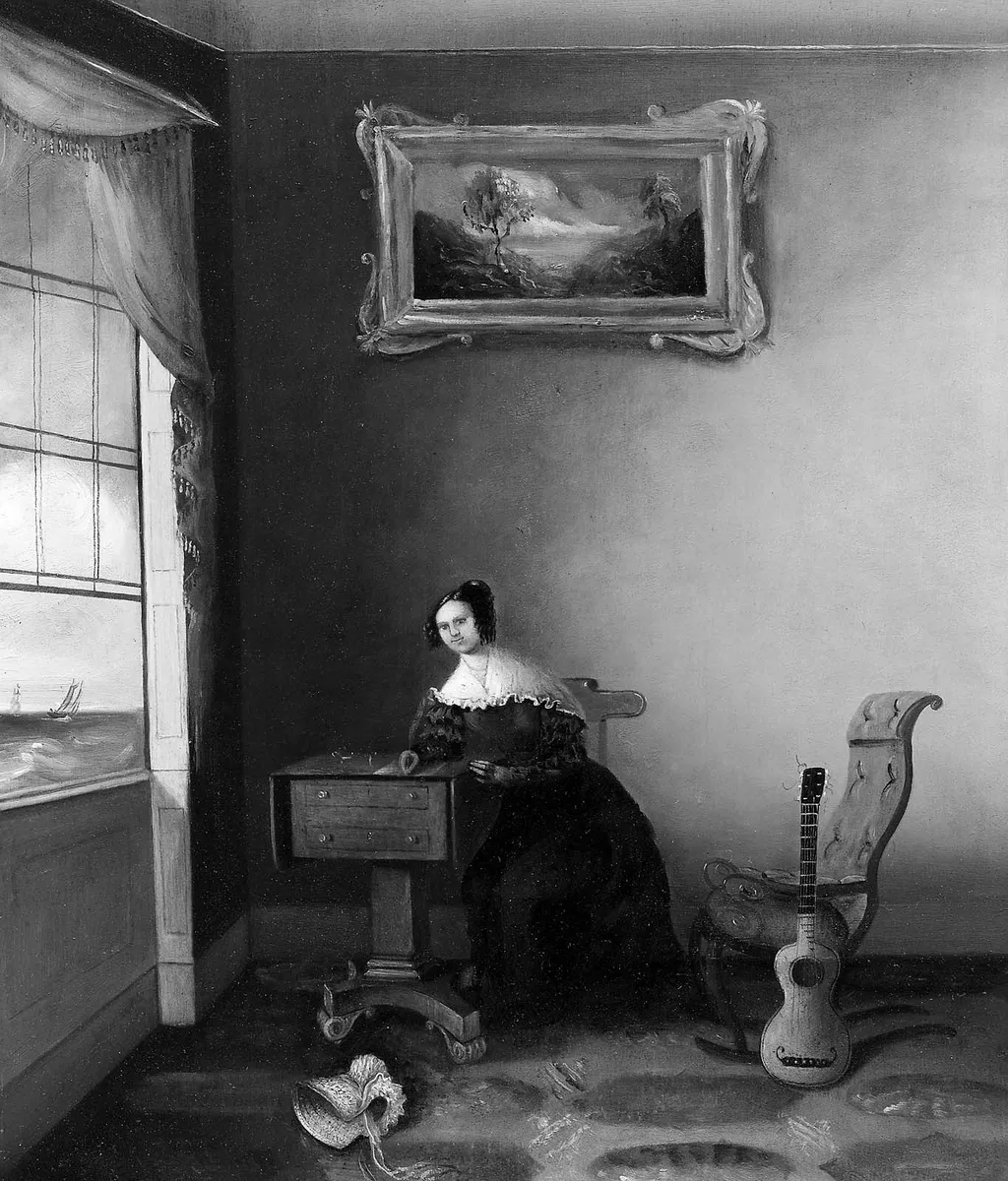
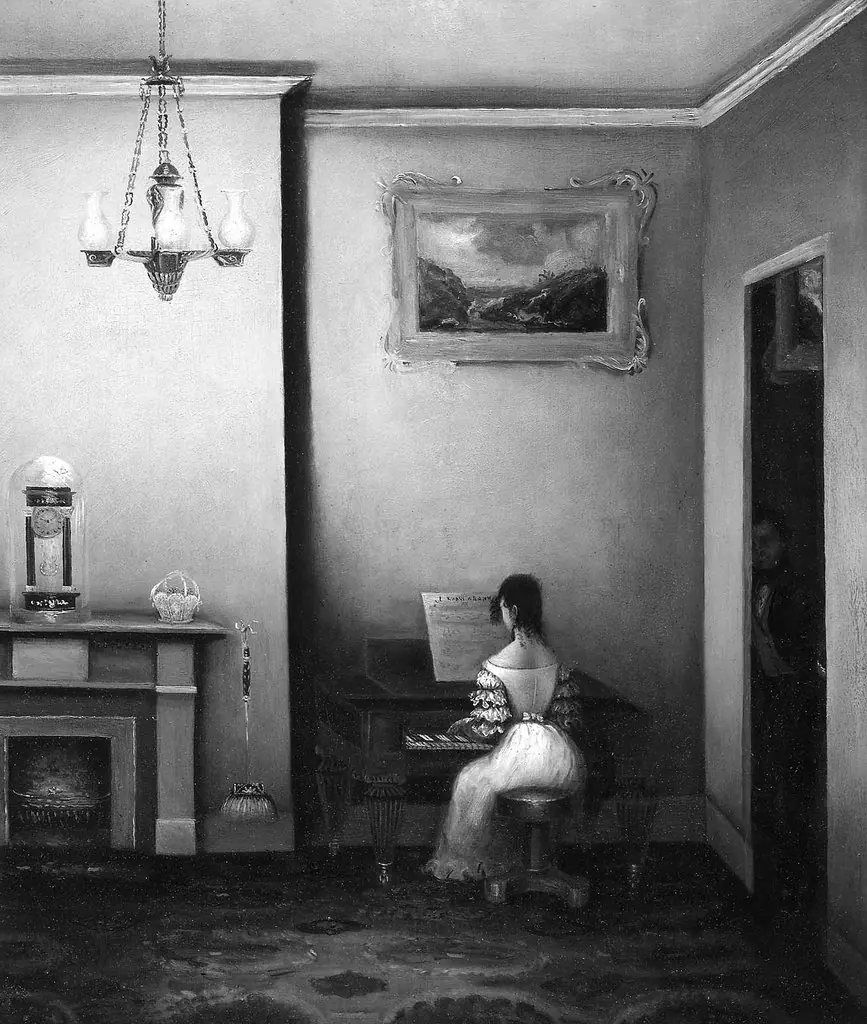
Lady Seated at a Work Table is an unspecified painting by the Realist artist Amasa Hewins. It dates from 1836 and is held in the collection of the Museum of Fine Arts Boston.
About this work
Overview
A Boston-based artist trained in portraiture and genre scenes, Hewins combined observational detail with subdued lighting to convey intimacy.
Amasa Hewins painted *Lady Seated at a Work Table* in 1836, capturing a moment of private routine in early 19th-century America. A Boston-based artist trained in portraiture and genre scenes, Hewins combined observational detail with subdued lighting to convey intimacy. The work is part of the Museum of Fine Arts, Boston’s collection and reflects his interest in domestic life during a period when American art was developing its own visual language beyond European models.
Subject & Meaning
The painting portrays a woman engaged in quiet activity at a work table, her posture suggesting introspection rather than labor. Her dark clothing, white collar, and the presence of a guitar and discarded hat imply a moment of pause between tasks or social engagements. The scene avoids narrative drama, instead emphasizing stillness and personal space, aligning with genre conventions that valued modest, everyday moments as worthy of artistic attention.
Technique & Style
Hewins employs chiaroscuro to model form and direct attention, with light entering from the left window casting soft shadows across the woman’s face and the table’s surface. The dim interior contrasts with the faint glow on the framed landscape on the wall, subtly linking the interior world to an idealized external one. Brushwork is restrained, favoring smooth transitions and precise detail in textures like fabric and wood, characteristic of early American realism.
History & Provenance
Created in 1836, the painting remained in private hands until entering the Museum of Fine Arts, Boston’s collection. Hewins, born in Sharon, Massachusetts, in 1795, was active as both painter and art dealer, particularly in the 1850s, when he dealt in European antiques and American works. While his commercial activities are documented, the provenance of this specific painting before its museum acquisition remains largely unrecorded.
Context
In the 1830s, American artists increasingly turned to domestic interiors as subjects, influenced by Dutch genre painting and rising middle-class values. Hewins’s work reflects this trend, portraying women in private, contemplative roles—often associated with needlework, music, or reading. The inclusion of a guitar and hat suggests a nuanced social context, where leisure and propriety coexisted in the domestic sphere.
Legacy
Though Hewins is less widely known today than his contemporaries, *Lady Seated at a Work Table* remains a quiet example of early American realism’s emotional restraint. It contributes to the broader understanding of how 19th-century artists rendered ordinary life with dignity, avoiding sentimentality. The painting continues to be studied for its nuanced use of light and its representation of gendered domestic space in pre-Civil War America.
Artist & collection
Artist
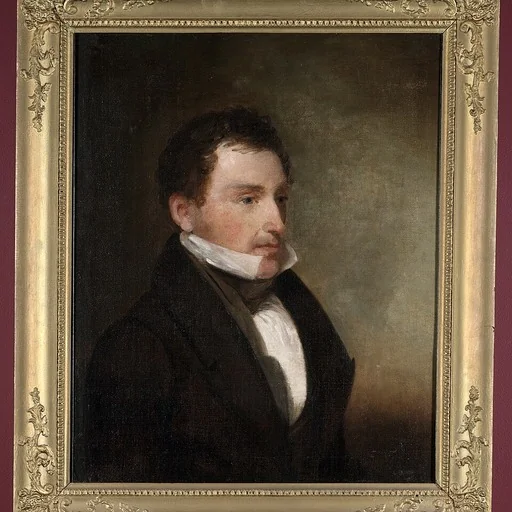
Amasa Hewins (July 11, 1795 – August 18, 1855) was an American portrait, genre and landscape painter.