Artwork
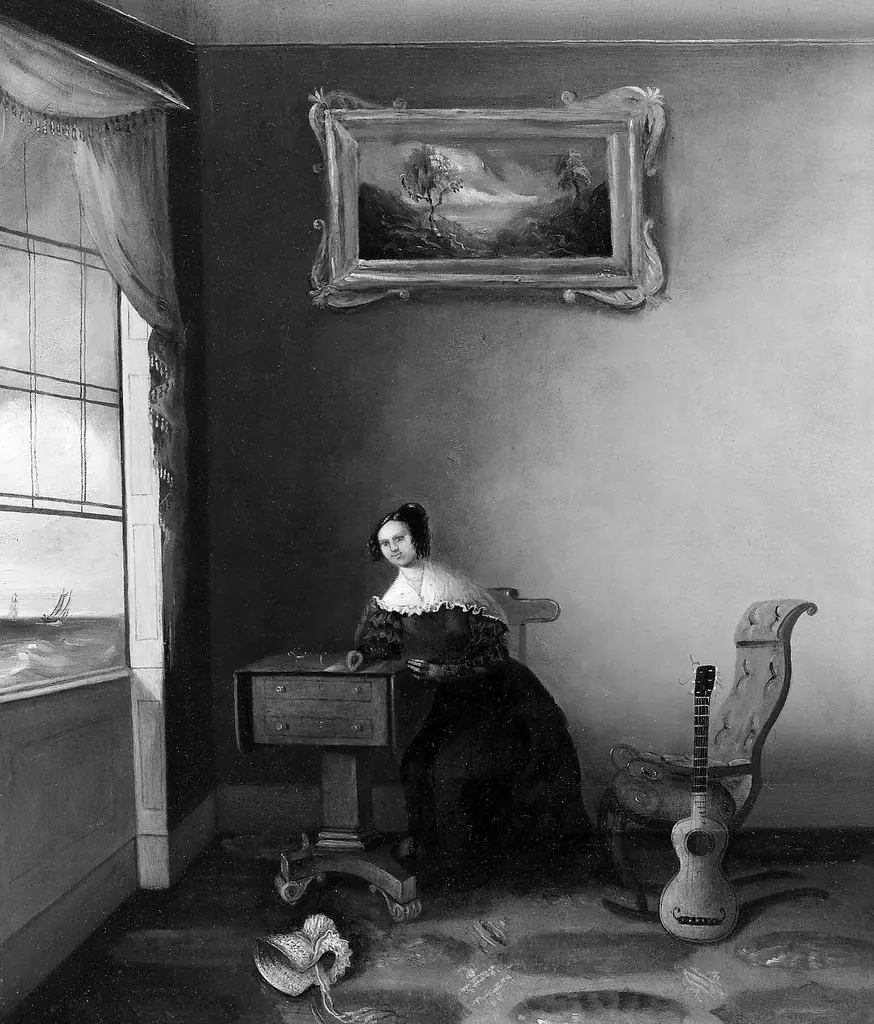
Lady Playing the Piano
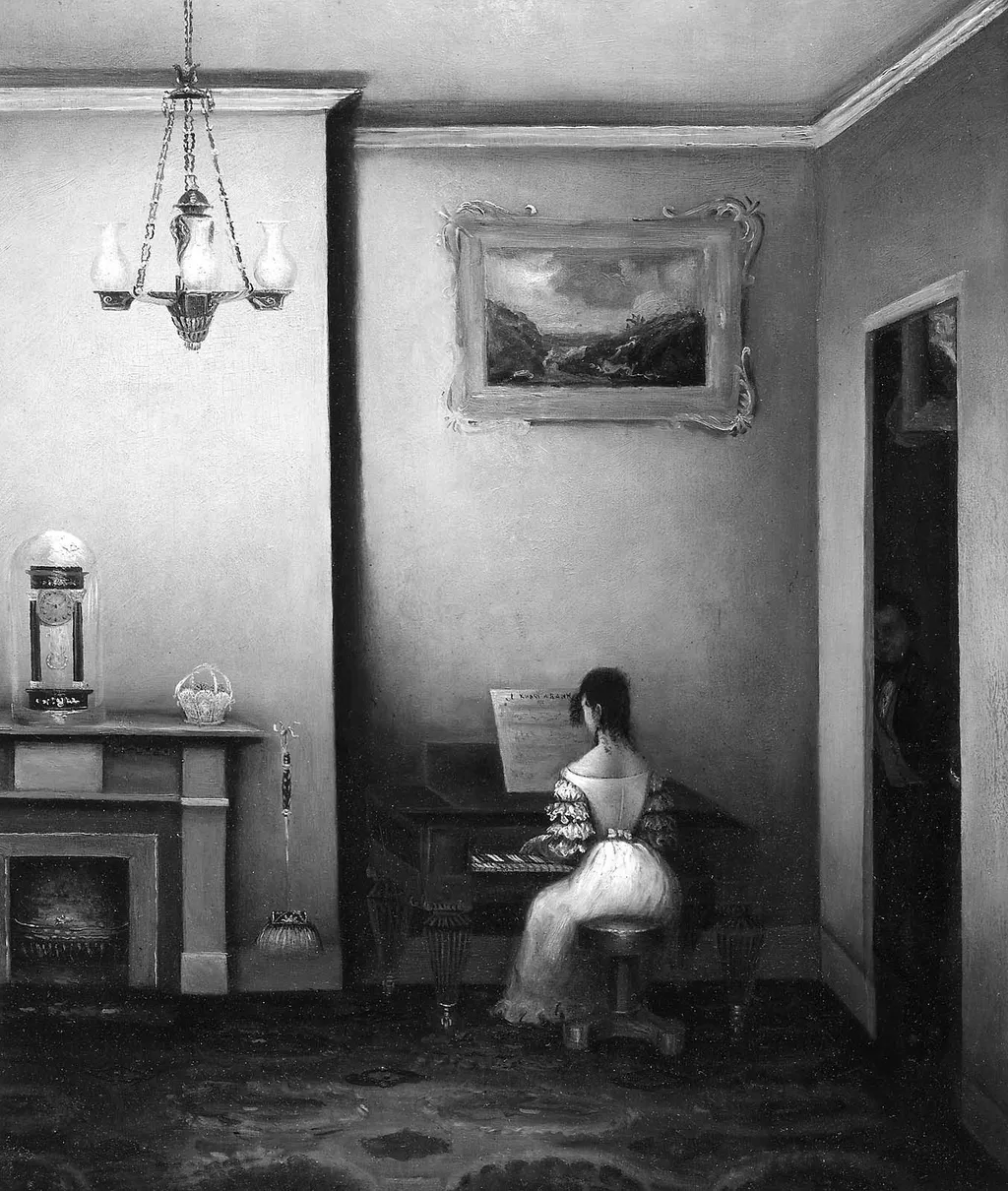
Lady Playing the Piano is an unspecified painting by the Realist artist Amasa Hewins. It dates from 1836 and is held in the collection of the Museum of Fine Arts Boston.
About this work
Overview
The painting reflects the emerging realism movement in American art, emphasizing ordinary moments over idealized narratives.
Amasa Hewins, an American artist active in the early 19th century, painted *Lady Playing the Piano* in 1836. Known for portraits and genre scenes, Hewins combined observational precision with quiet domestic intimacy in this work. The painting reflects the emerging realism movement in American art, emphasizing ordinary moments over idealized narratives. It remains part of the Museum of Fine Arts, Boston’s permanent collection.
Subject & Meaning
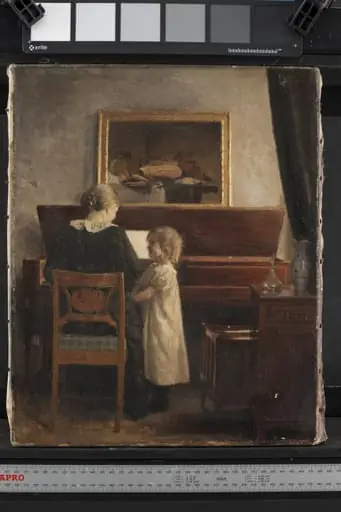
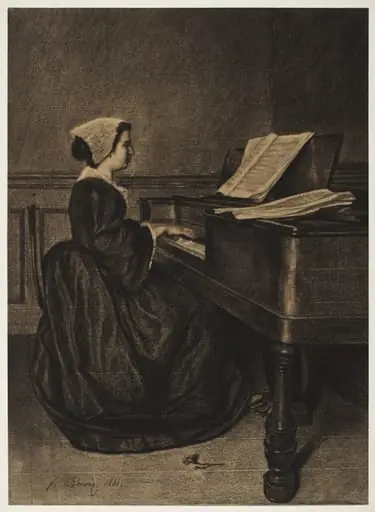
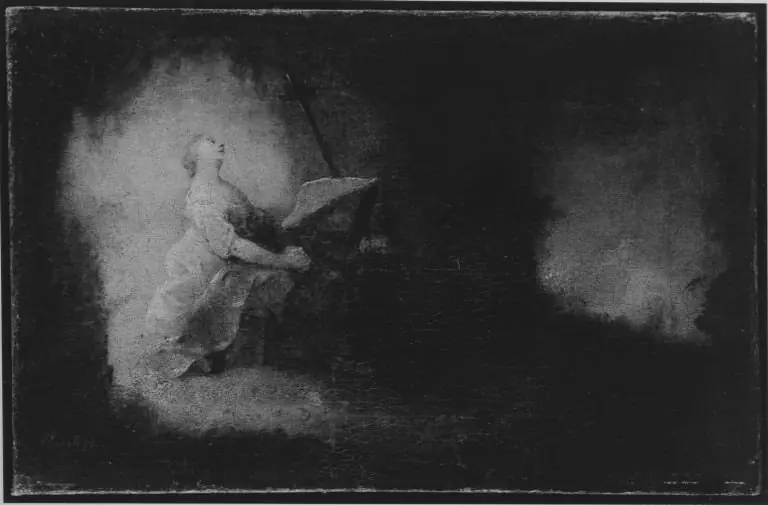
The painting portrays a woman seated at a piano, her back turned to the viewer, absorbed in her performance. No narrative or dramatic gesture interrupts the scene; instead, the focus lies in the stillness of the moment. The absence of facial expression invites contemplation rather than identification, suggesting a private, introspective ritual common in middle-class domestic life of the period.
Technique & Style
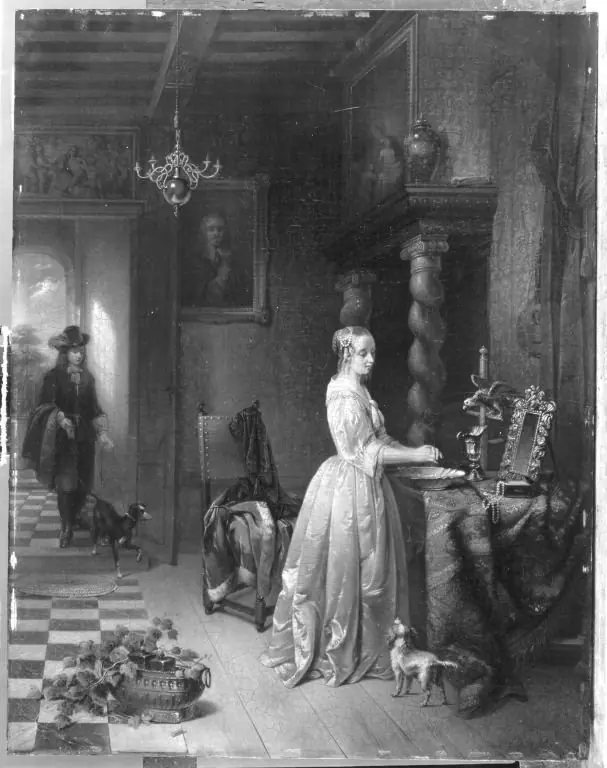
Hewins employed chiaroscuro to model form and define spatial depth, particularly in the folds of the woman’s dress and the architecture of the room. Details like the chandelier, fireplace, and framed artwork on the wall are rendered with careful attention to texture and light. The composition avoids theatricality, favoring a subdued palette and balanced arrangement that reinforces the painting’s quiet realism.
History & Provenance
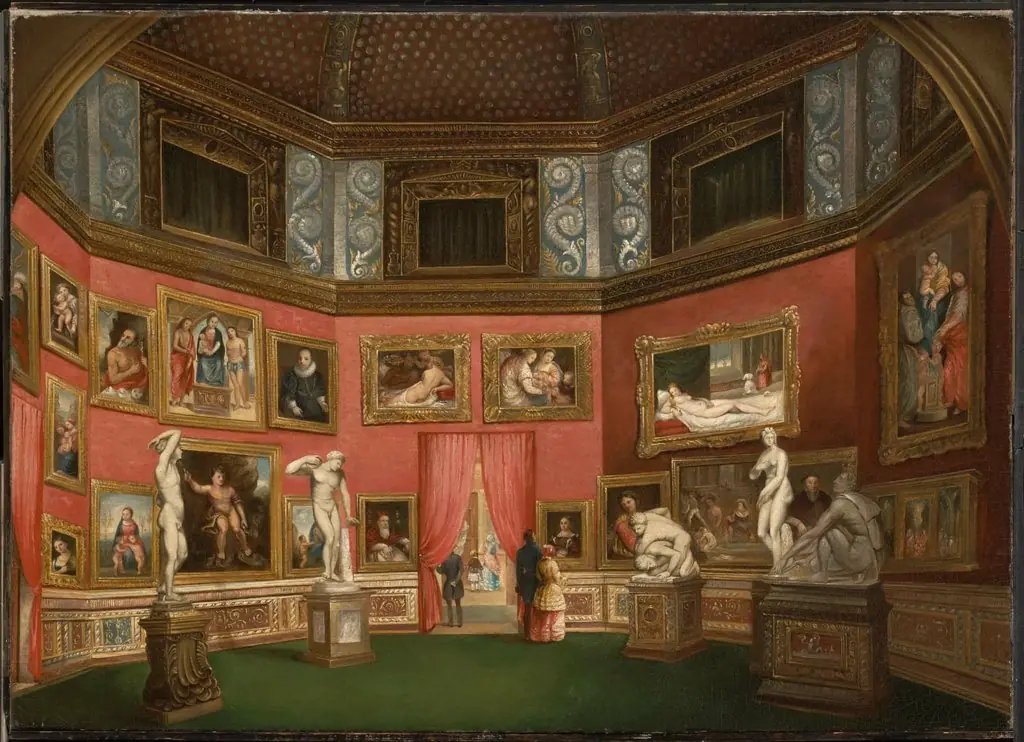
Painted in 1836, the work entered the Museum of Fine Arts, Boston’s collection through documented acquisition. Hewins, who later became involved in the transatlantic art trade between Italy and Boston, maintained ties to cultural exchange networks. While little is known about the painting’s early ownership, its preservation in a major institution reflects its recognition as a representative example of American genre painting from the era.
Context
In the 1830s, American artists increasingly turned to domestic interiors as subjects, influenced by European realism and the growing middle class’s interest in self-representation. Music-making at home was a socially valued activity, especially among women. Hewins’s depiction aligns with this trend, capturing a moment of cultivated leisure that signaled refinement without overt sentimentality.
Legacy
Though Hewins is not widely remembered today, *Lady Playing the Piano* endures as a quiet testament to early American realism. It contributes to the understanding of how 19th-century artists translated everyday life into visual form, avoiding grandeur in favor of subtle observation. The painting remains a reference point for studies of domesticity and gender in antebellum American art.
Artist & collection
Artist
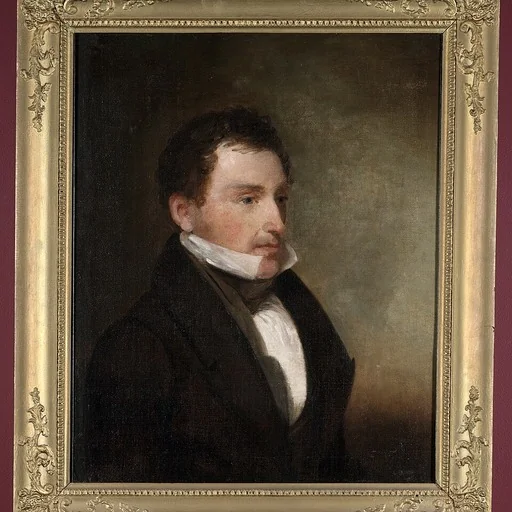
Amasa Hewins (July 11, 1795 – August 18, 1855) was an American portrait, genre and landscape painter.