Artwork
Professor James Ward
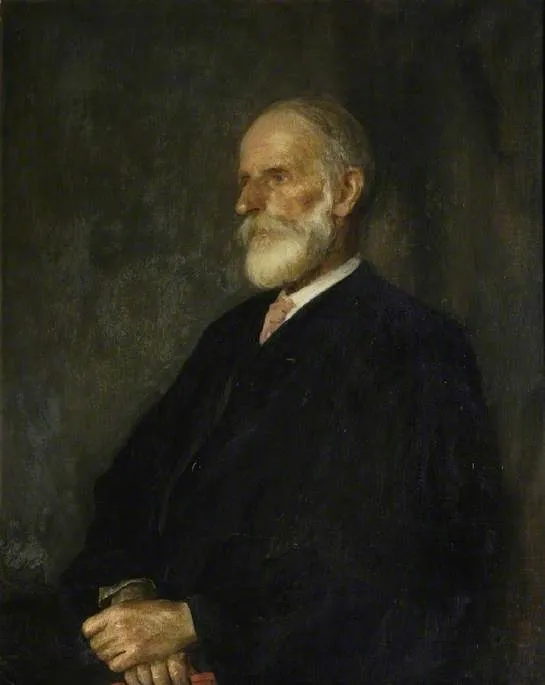
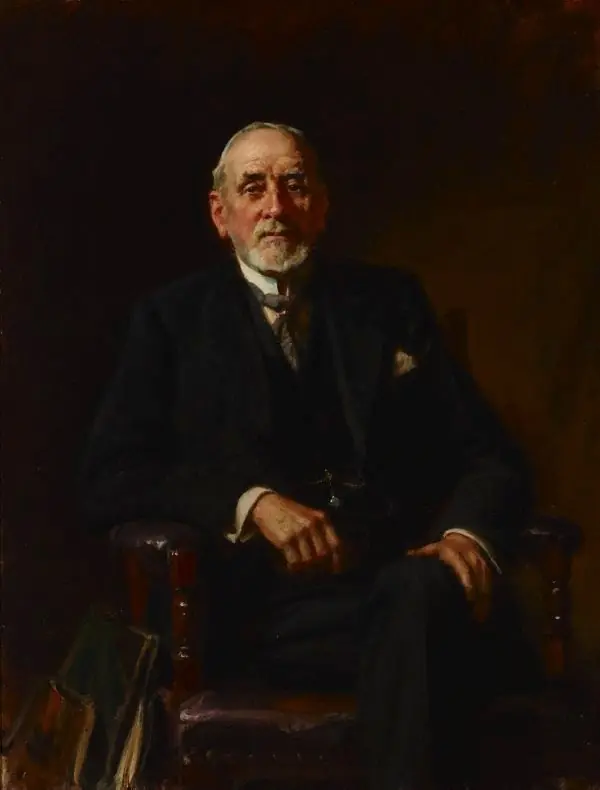
Professor James Ward is an oil painting by Ambrose McEvoy. It dates from 1913 and is held in the collection of the Fitzwilliam Museum.
About this work
Overview
Ambrose McEvoy’s 1913 oil portrait, titled Professor James Ward, depicts a bearded gentleman in formal attire, rendered from the waist upward. The sitter faces left, his hands clasped before him, and his expression is solemn. A dark, unadorned backdrop isolates the figure, emphasizing the contrast between the white beard, light shirt and tie, and the dark suit.
Subject & Meaning
The work presents a dignified academic figure, likely a scholar or educator, suggested by the title. The composed pose, clasped hands, and grave countenance convey a sense of intellectual seriousness and authority, while the restrained palette underscores a focus on character rather than decorative elements.
Technique & Style
McEvoy employs a limited tonal range, using oil paint to achieve smooth modeling of flesh and fabric. The dark background functions as a tonal foil, allowing subtle gradations of light on the face and beard to emerge. Brushwork is controlled, producing a refined surface that aligns with early‑20th‑century British portrait conventions.
History & Provenance
Executed in 1913, the portrait entered the collection of the Fitzwilliam Museum, where it remains on view. Its acquisition reflects the museum’s interest in early modern British portraiture and in works by McEvoy, a notable figure in the period’s artistic circles.
Artist & collection

Artist
Arthur Ambrose McEvoy was an English artist. His early works are landscapes and interiors with figures, in a style influenced by James McNeill Whistler. Later he gained success as a portrait painter, mainly of women and…

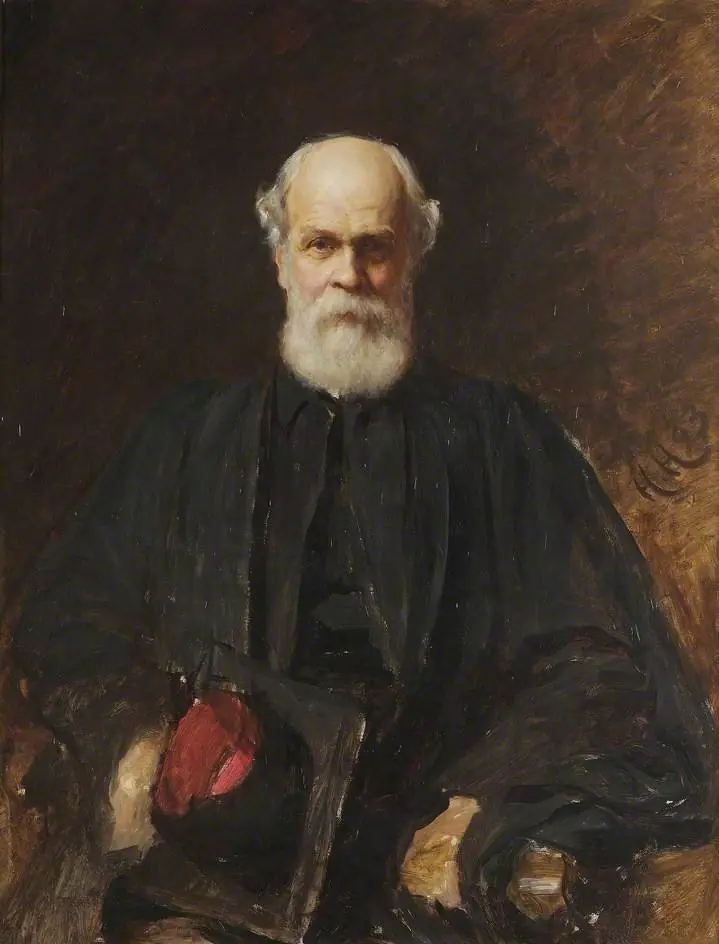 Study of the Reverend Robert Harvey Charsley (1826–1907)
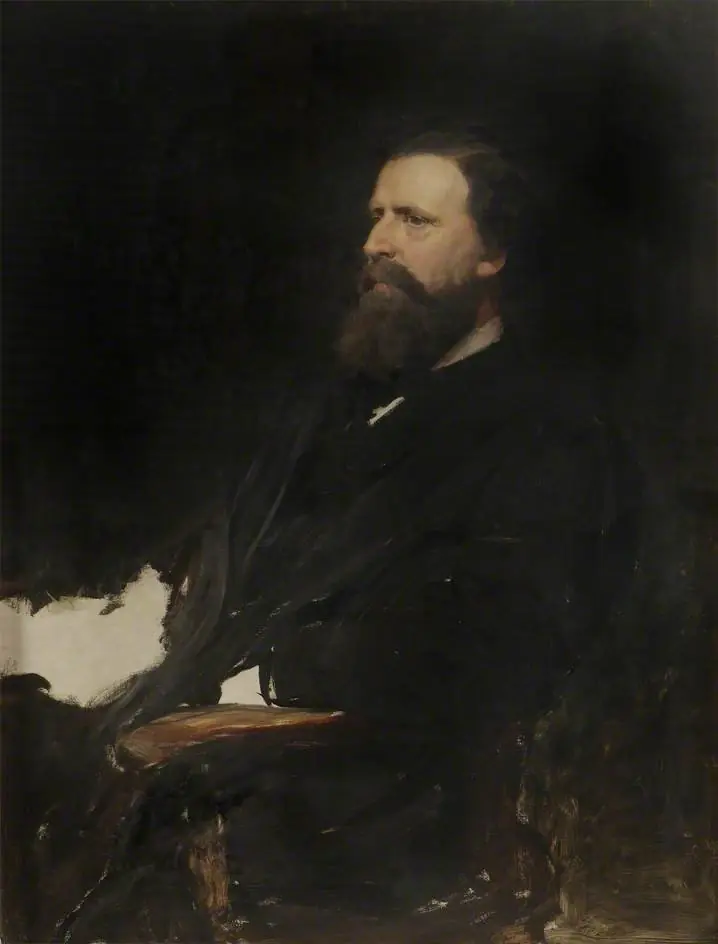 Study of Alexander Macdonald
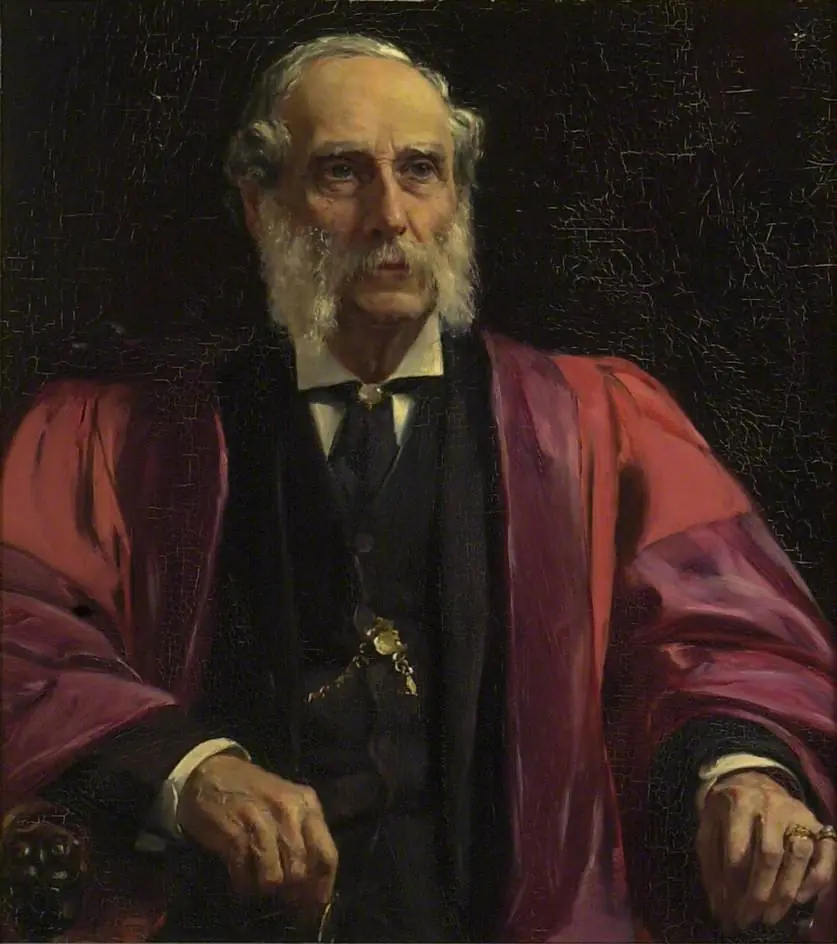 C. Drury E. Fortnum, Esq., D.C.L.
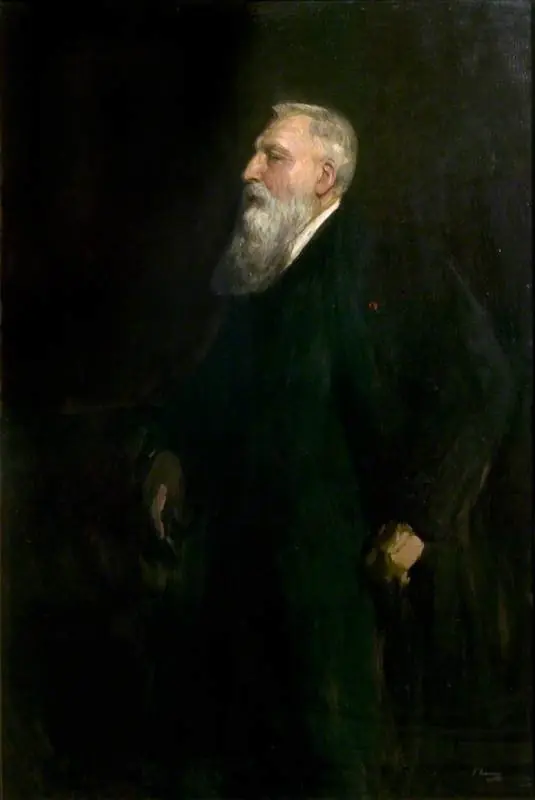 Auguste Rodin (1840–1917)
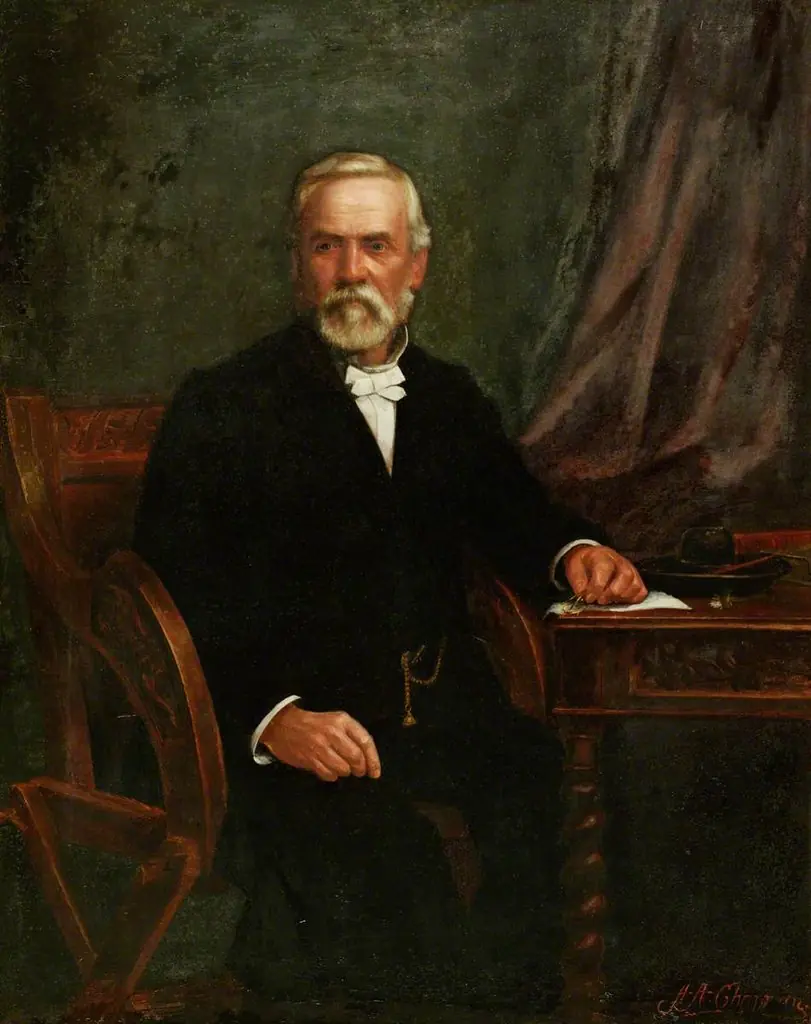 Reverend Thomas Rees (1825–1908)
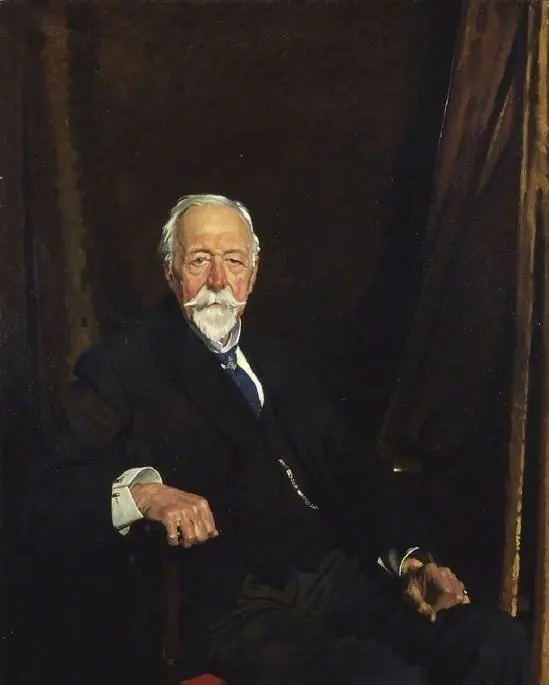 The Rt Hon. Sir Clifford Allbutt
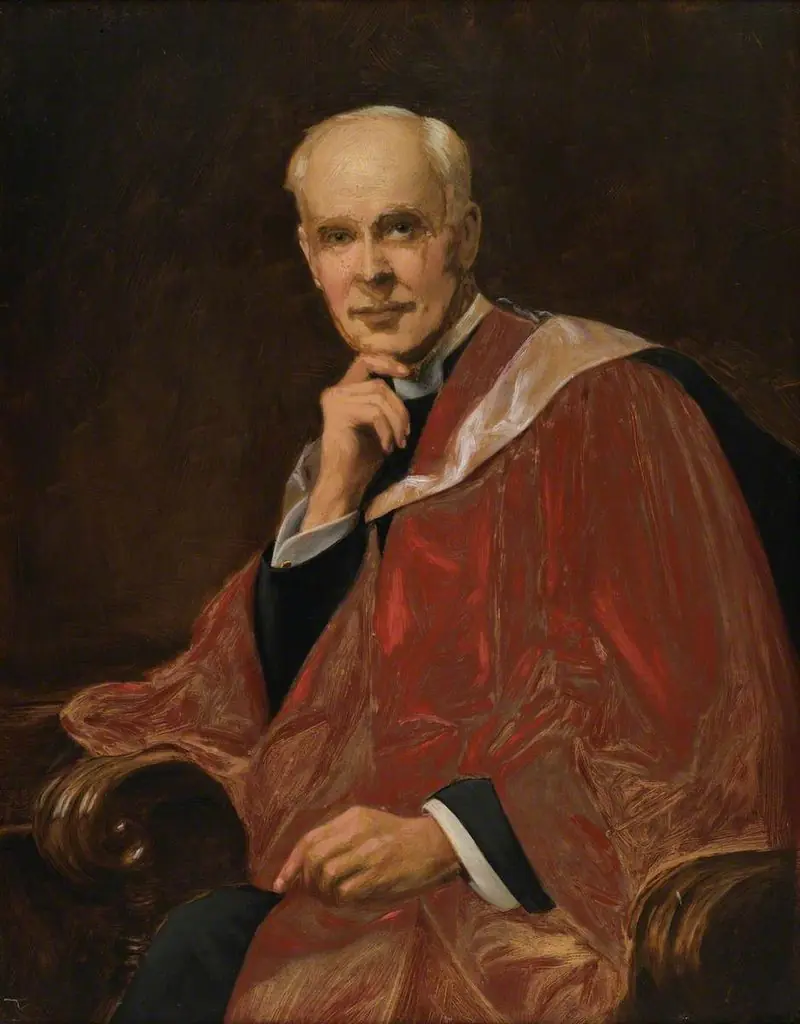 William Porter (1876–1937), MA, DLitt, DD, Professor of Hebrew and Old Testament Exgesis, Bala (1907–1921) and Aberystwyth (1921–1937)
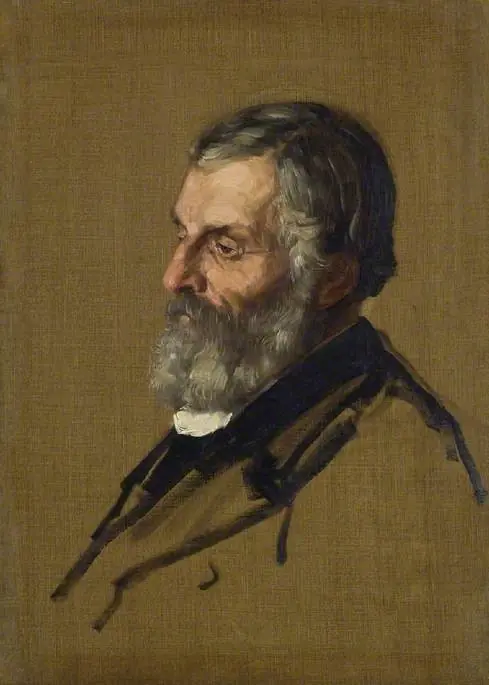 The Reverend Robert Burn
 Portrait of Sir John Sulman
 Reverend W. E. Prydderch (1846–1931)