Artwork
Portrait of Celso Lagar
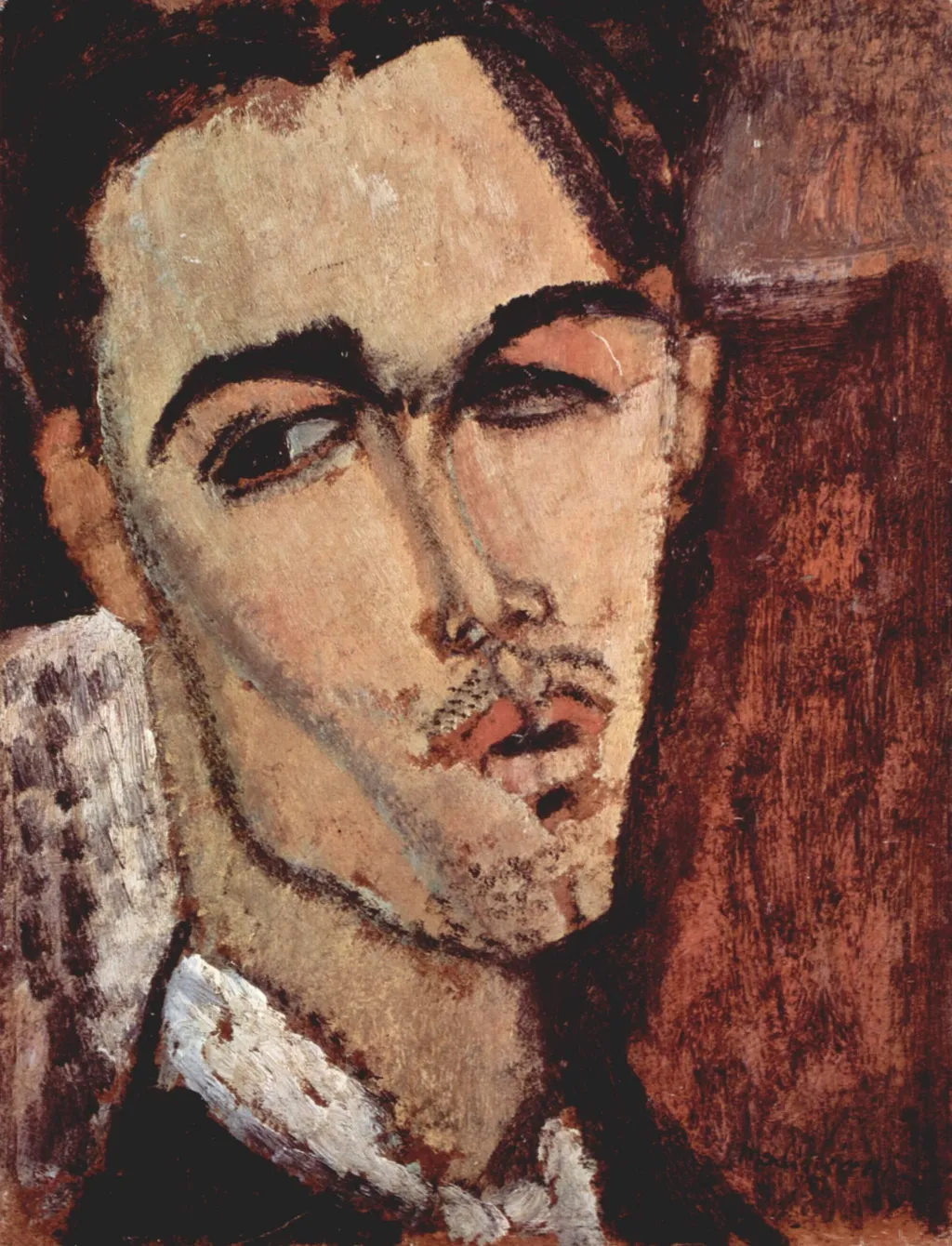
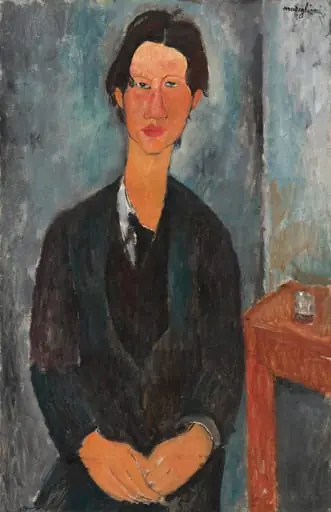
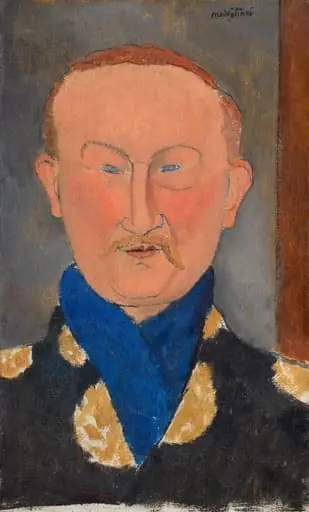
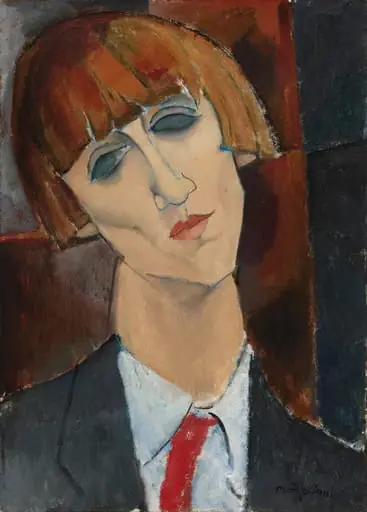
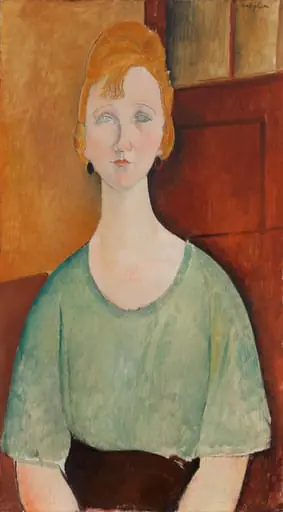
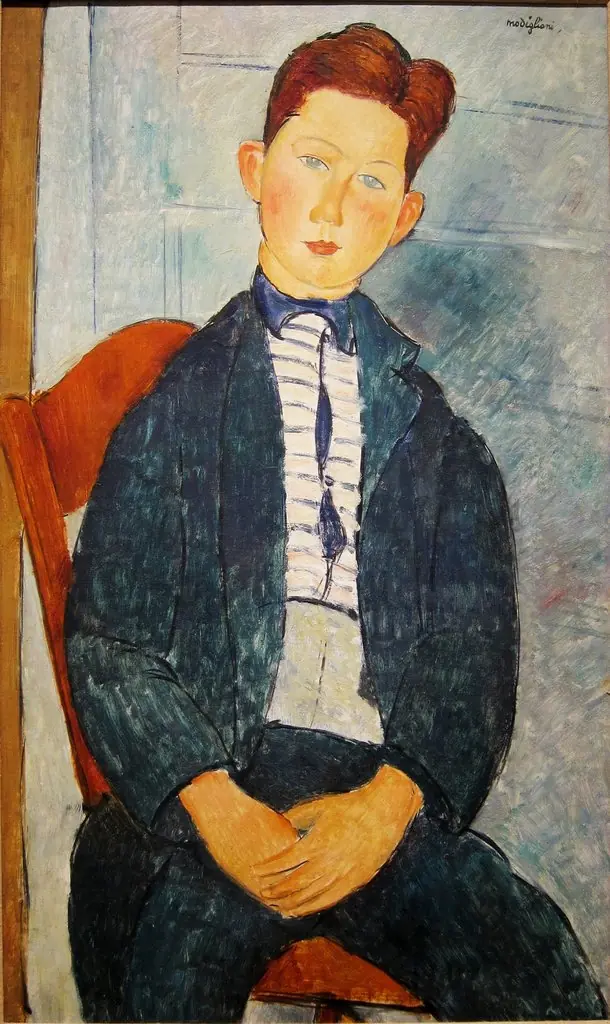
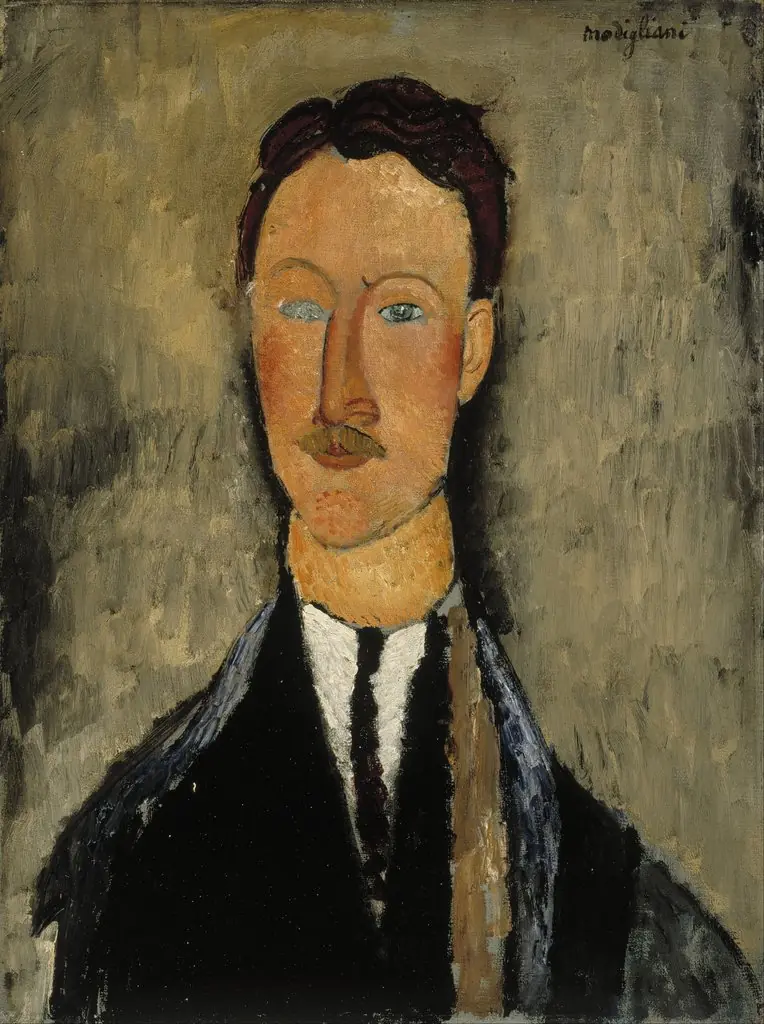
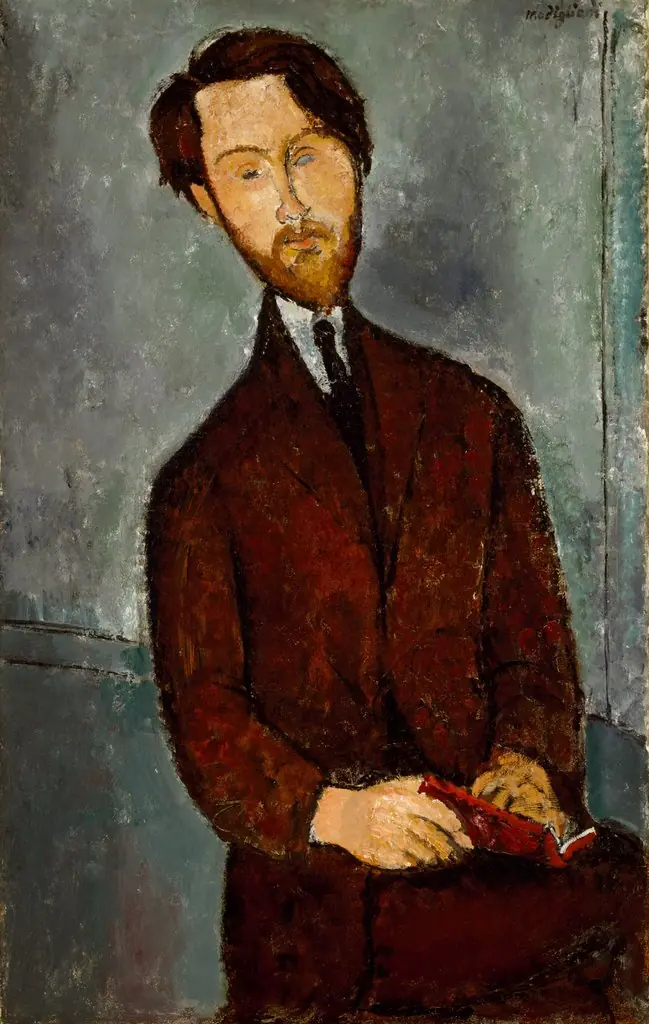
Portrait of Celso Lagar is an oil painting by Amedeo Modigliani. It dates from 1915 and is held in the collection of the Israel Museum.
About this work
Overview
Painted in 1915, this oil portrait by Amedeo Modigliani captures Celso Lagar Arroyo, a Spanish poet and critic active in Parisian avant-garde circles.
Painted in 1915, this oil portrait by Amedeo Modigliani captures Celso Lagar Arroyo, a Spanish poet and critic active in Parisian avant-garde circles. The work is one of many portraits Modigliani produced during his time in Montparnasse, where he refined his distinctive style through close engagement with contemporary sculptors and painters. Its restrained palette and simplified forms reflect a departure from naturalism toward a more introspective representation of the sitter.
Subject & Meaning
Celso Lagar Arroyo, the subject, was a literary figure connected to Modigliani’s circle in Paris. The portrait conveys quiet intensity rather than narrative detail; the sitter’s direct gaze and composed posture suggest intellectual presence rather than emotional display. Modigliani’s choice to emphasize stillness and minimal expression aligns with his broader interest in capturing inner character through form, not anecdote.
Technique & Style
Modigliani employed elongated facial features and smooth, flowing contours to define Lagar’s features, echoing influences from African sculpture and Renaissance portraiture. The background is rendered with loose, textured brushwork in warm browns, contrasting with the more refined modeling of the face and neck. Bold outlines and reduced detail create a sense of calm monumentality, distancing the image from realism while preserving psychological presence.
History & Provenance
The painting was completed during Modigliani’s most prolific portrait period, shortly after he began focusing exclusively on painting. It remained in the possession of Lagar’s family until the mid-20th century, after which it entered private collections in Europe. Its documented history reflects Modigliani’s limited commercial success during his lifetime, with many works circulating among friends and patrons rather than public institutions.
Context
In 1915, Paris was a hub for experimental art, and Modigliani’s work developed alongside figures like Picasso and Brâncuși. While Picasso explored fragmentation and Cubism, Modigliani pursued a more linear, sculptural approach to the human form. His portraits, including this one, reflect a synthesis of non-Western aesthetics and classical ideals, shaped by his isolation from mainstream art markets and his immersion in bohemian intellectual life.
Legacy
This portrait exemplifies Modigliani’s enduring contribution to modern portraiture: a language of elongation, serenity, and psychological subtlety. Though overlooked during his lifetime, his works later gained recognition for their unique fusion of archaic simplicity and modern sensibility. The painting remains a quiet testament to his ability to convey individuality through formal restraint rather than dramatic expression.
Own this work as a print
Artist & collection
Artist
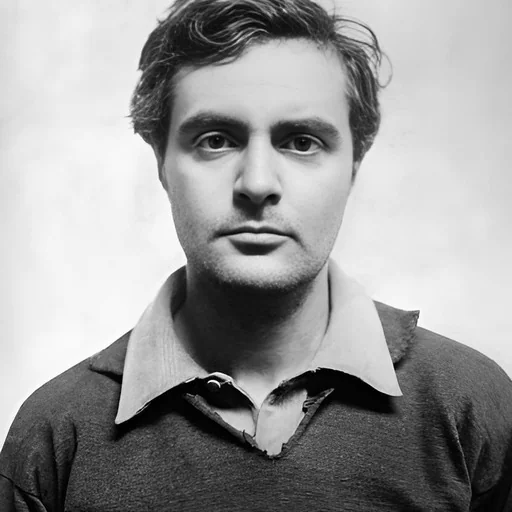
Amedeo Clemente Modigliani (US: ; Italian: ; 12 July 1884 – 24 January 1920) was an Italian painter and sculptor of the École de Paris who worked mainly in France.