Art Museum
Israel Museum

Image: Wikimedia Commons.
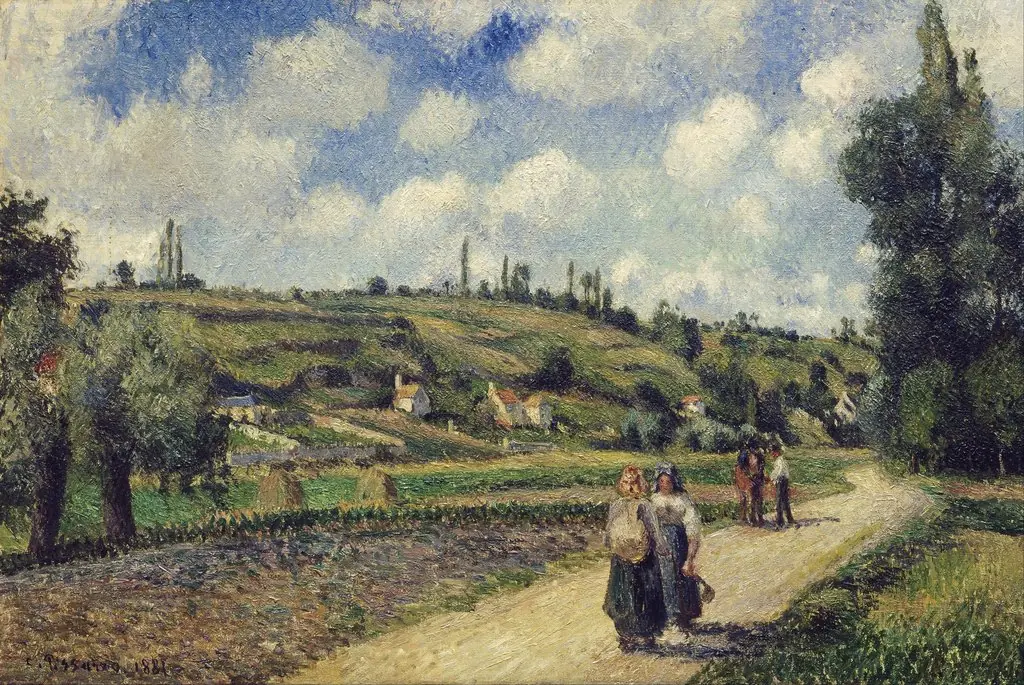
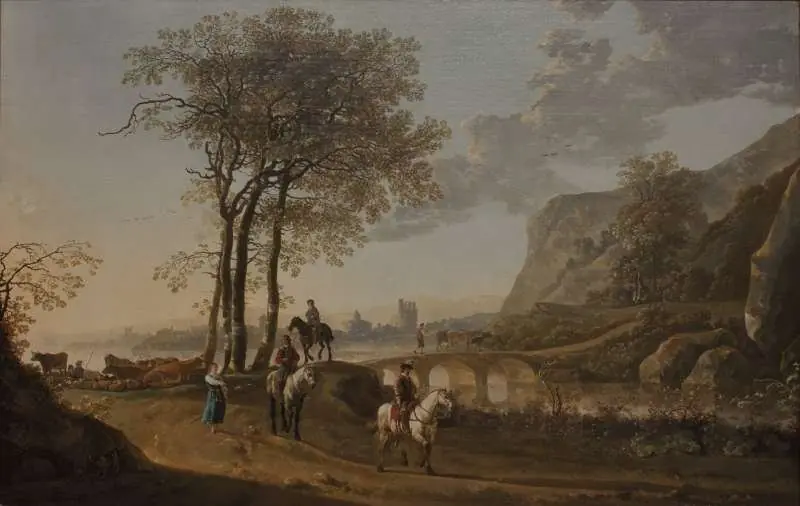
Israel Museum is an art museum in Jerusalem, Israel. 1 work from its collection is in this catalog, including Jean Baptiste Camille Corot and Claude Monet.
About Israel Museum
Overview & Identity
The Israel Museum, located in the Givat Ram neighborhood of Jerusalem, stands as the largest and most prominent cultural institution in the State of Israel. Founded in 1965, it is ranked among the world's leading art and archaeology museums, housing an encyclopedic collection of approximately 500,000 items. The museum's mandate encompasses the full spectrum of human creativity, from prehistoric artifacts to contemporary art, with a specific focus on the archaeology of the Land of Israel, Jewish art and culture, and the Dead Sea Scrolls. It serves not only as a repository of history but as a dynamic center for education and intercultural dialogue, attracting roughly 827,000 visitors annually as of 2012.
History & Founding
The concept for a national encyclopedic museum was first proposed in the late 1950s by Teddy Kollek, who later became the mayor of Jerusalem. Despite initial skepticism regarding the young nation's economic stability, Kollek championed the idea that culture was as vital as basic sustenance. The museum officially opened its doors in 1965. Karl Katz, the founding curator, assumed the role of director following the death of Mordechai Narkiss in 1957. The institution's origins trace back to early 20th-century collections, but its formal establishment as a unified national entity was a driving force of Kollek's vision, transforming a perceived folly into the region's most eminent cultural institution.
Building & Architecture
The museum's original 20-acre campus was designed in 1965 by architects Alfred Mansfeld and Dora Gad. Their design was inspired by the image of an Arab village sprawled across a mountainside, utilizing a matrix of modular, low-rise pavilions made of cast-in-place concrete clad in limestone. A distinctive feature is the Shrine of the Book, designed by Frederick Kiesler and Armand Bartos, which houses the Dead Sea Scrolls under a white-tiled dome reflected in a surrounding water pool. In 2010, the museum underwent a $100 million expansion and renovation led by James Carpenter Design Associates and Efrat-Kowalsky Architects. This project added glass pavilions and an underground passageway, enhancing accessibility while paying homage to the original Modernist scheme.
Collection Highlights & Notable Holdings
The museum's holdings are vast and diverse, anchored by the Dead Sea Scrolls, which are displayed in a rotation system due to their fragility. The Shmuel and Sadie Bronfman Department of Archaeology features the Sennacherib prism and approximately 8,000 artifacts detailing the region's history. A major attraction is the Model of Jerusalem at the end of the Second Temple, a 2,000-square-meter reconstruction of the ancient city. The Edmond and Lily Safra Wing for the Arts spans ten departments covering European classics, contemporary Israeli art, and non-Western cultures. The Billy Rose Art Garden, designed by Isamu Noguchi, displays sculptures by artists such as Auguste Rodin, Henry Moore, and Pablo Picasso.
Jewish Art & Culture
The Jack, Joseph, and Morton Mendel Department of Jewish Art and Culture offers a comprehensive journey through Jewish identity, featuring illuminated manuscripts, rare ceremonial objects, and four reconstructed synagogue interiors from around the world. The department integrates objects from both public and private realms to explore the social context and aesthetic qualities of Jewish life. The Information Center supports this wing with a unique archival collection of approximately 20,000 photographs documenting Jewish communities globally, including rare images of synagogues and cemeteries that no longer exist. This wing underscores the museum's commitment to preserving the heritage of the past while highlighting creative innovations.
Significance & Legacy
The Israel Museum is significant not only for its collections but for its role as a bridge between cultures and generations. The Ruth Youth Wing, established in 1966, engages over 100,000 schoolchildren annually, fostering intercultural understanding between Arab and Jewish students through art education. The museum operates with a unique financial model, receiving only 10–12% of its operating budget from state sources, relying heavily on private donations and international support groups like the American Friends of the Israel Museum. Its status as a leading global museum is reinforced by its architectural landmark status in Jerusalem and its continuous evolution through major renovations and new acquisitions.
What to see at Israel Museum
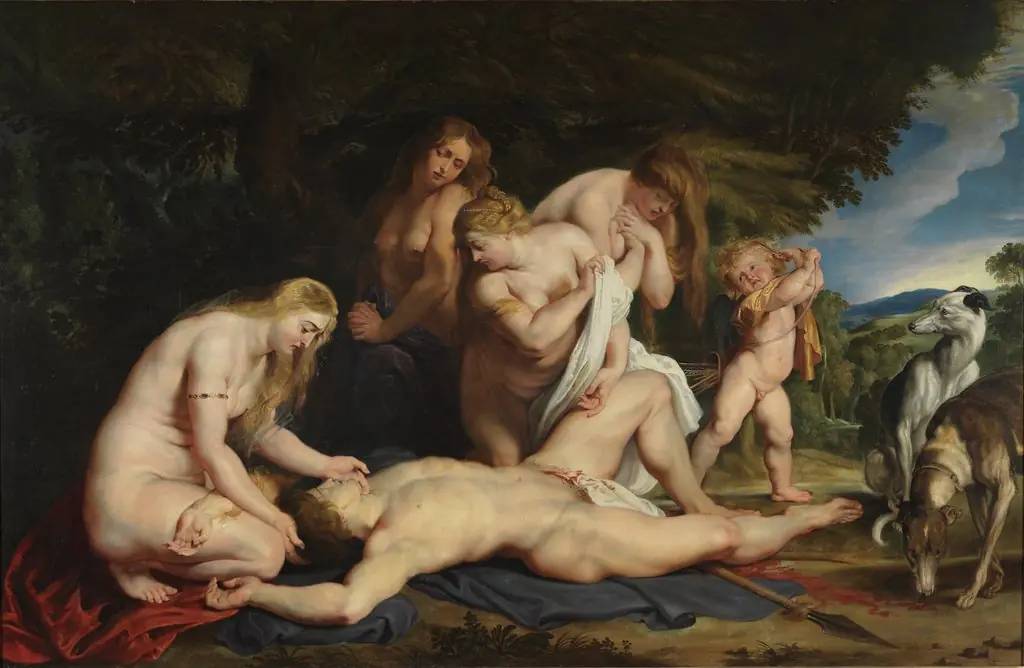
Start with The Death of Adonis by Peter Paul Rubens.
Works from Israel Museum
Plan your visit
Israel Museum
- Website
- www.imj.org.il