Artwork
Mrs. Reuben Allerton (Lois Atherton)
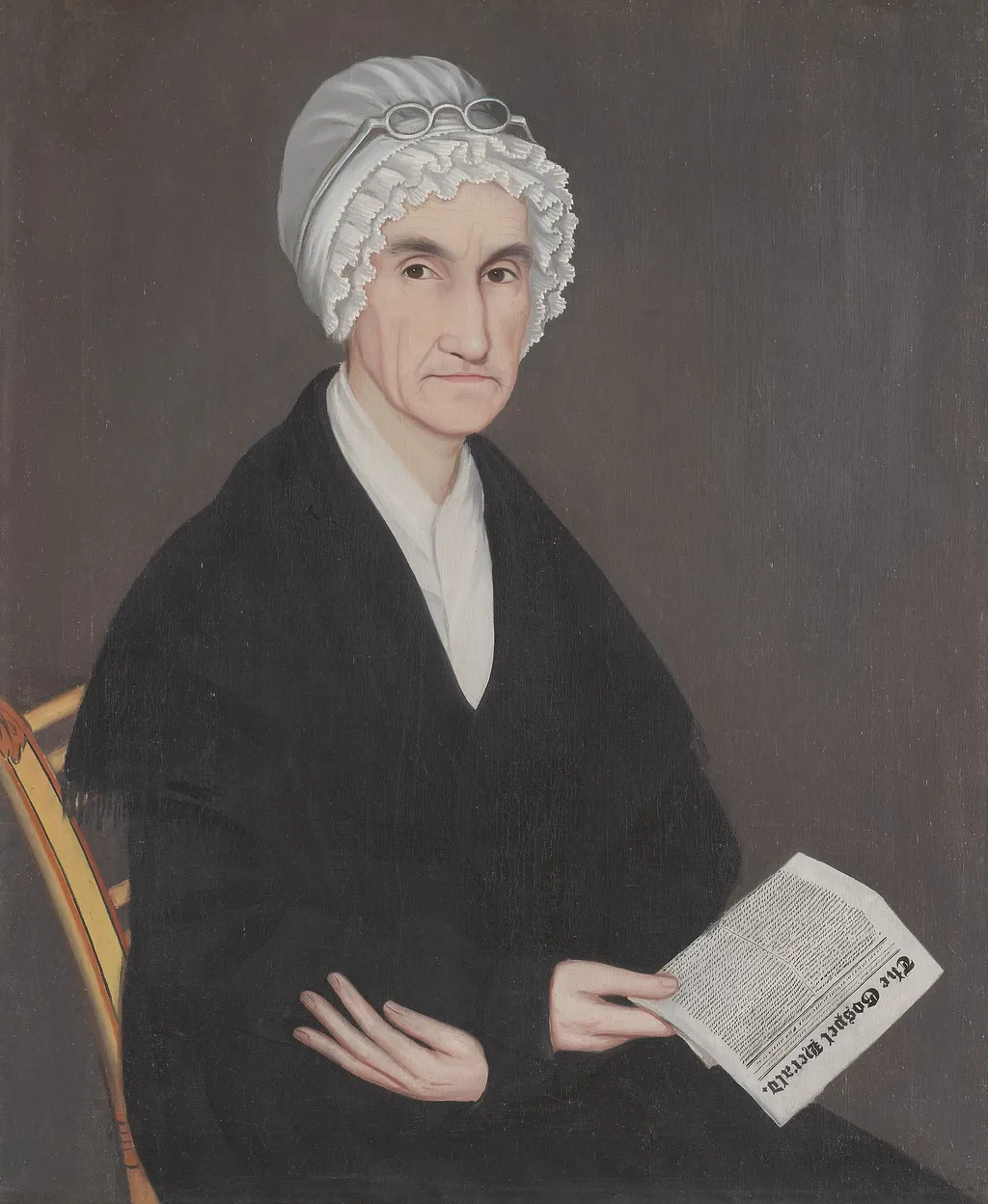
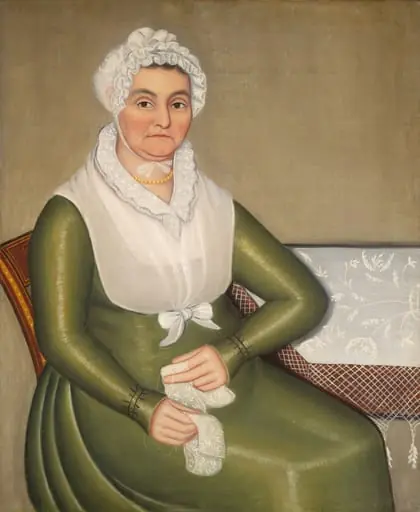
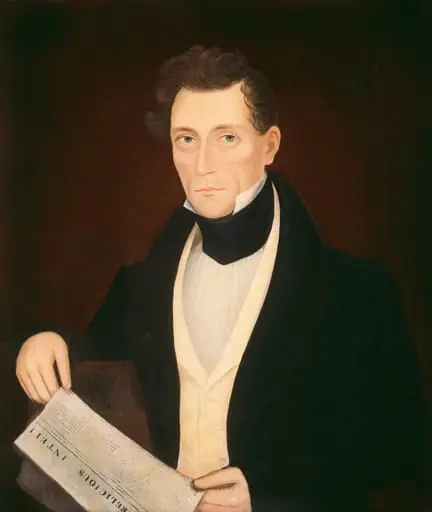
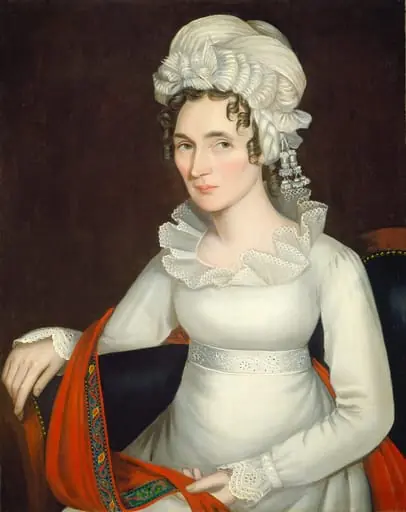
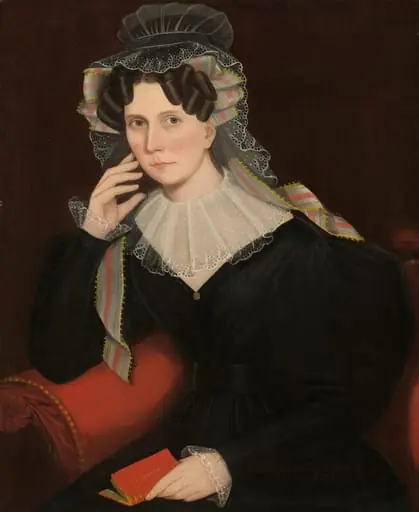
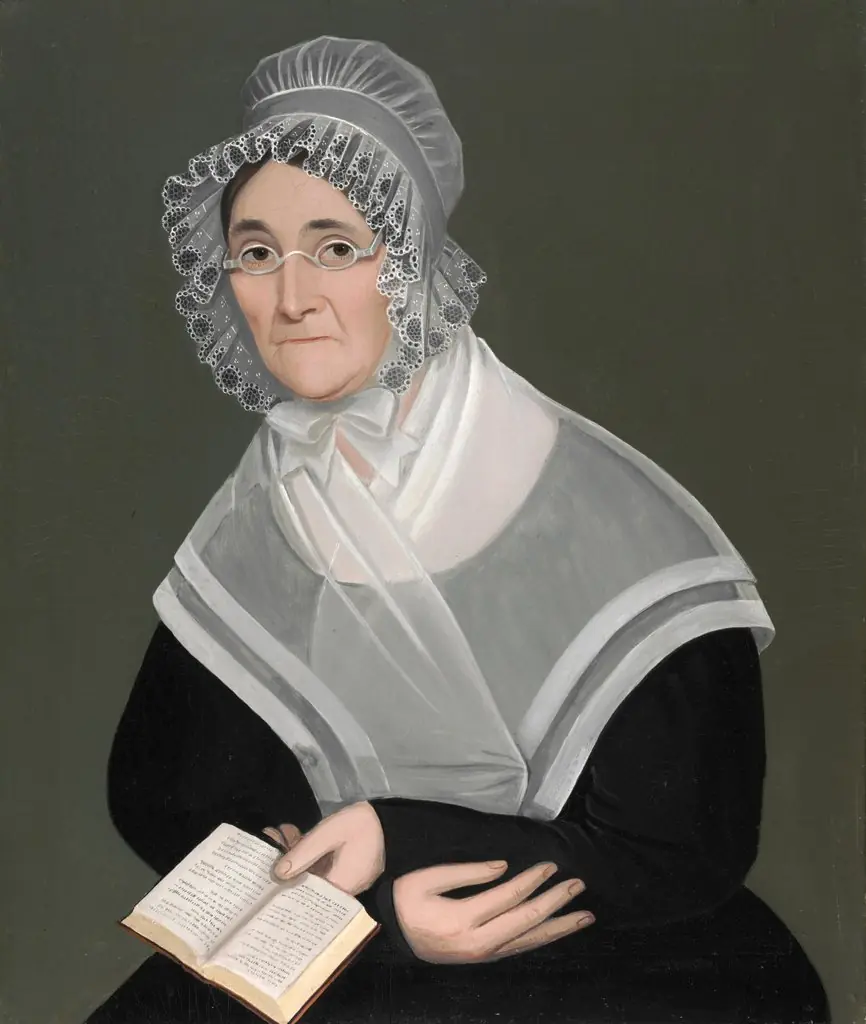
Mrs. Reuben Allerton (Lois Atherton) is an oil painting by the American Folk Art artist Ammi Phillips. It dates from 1836 and is held in the collection of the Art Institute of Chicago. This portrait, executed in oil on canvas, dates to approximately 1836 and represents Lois Atherton, wife of Reuben Allerton.
About this work
Overview
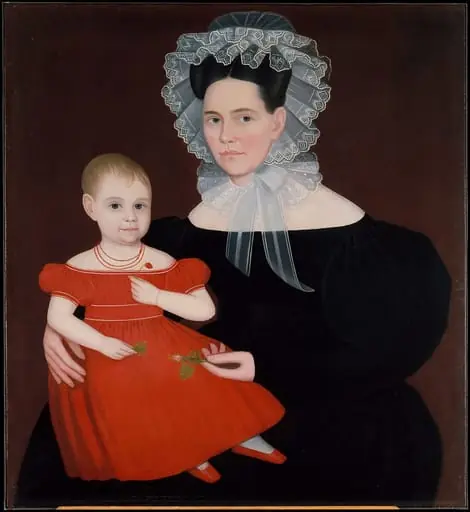
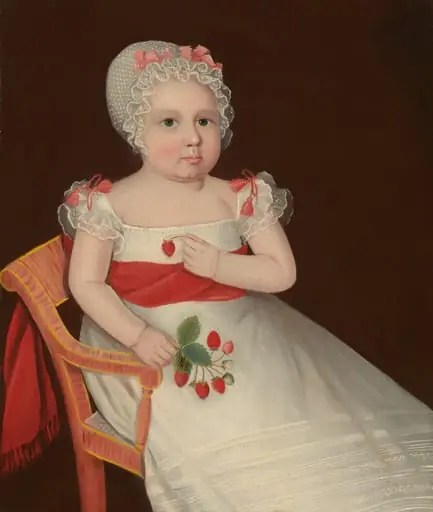
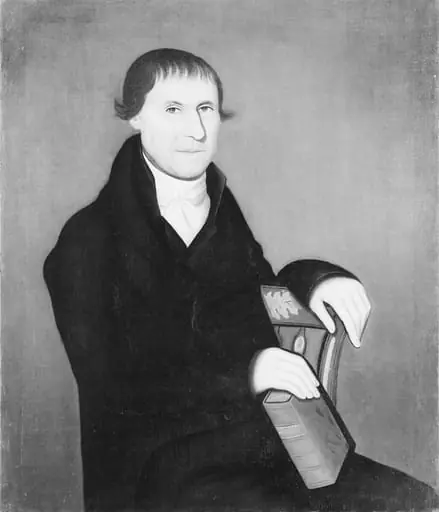
Phillips’ output is frequently classified within American folk art, reflecting both regional tastes and the artist’s distinctive approach to likeness.
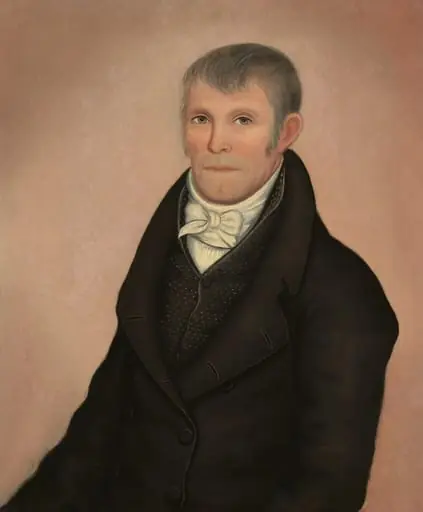
This portrait, executed in oil on canvas, dates to approximately 1836 and represents Lois Atherton, wife of Reuben Allerton. It forms part of a vast corpus of over eight hundred works attributed to Ammi Phillips, a painter who traveled extensively through New England, fulfilling commissions in rural communities. Phillips’ output is frequently classified within American folk art, reflecting both regional tastes and the artist’s distinctive approach to likeness.
Subject & Meaning
The sitter, Lois Atherton, is depicted holding a printed sheet bearing the title *The Gospel Herald*, suggesting her engagement with religious or musical material. Her sober expression and modest attire—dark dress, white cap, and spectacles perched atop it—reinforce a sense of piety and domestic propriety. The sheet’s prominence in the composition underscores its significance, possibly alluding to her role as a reader or participant in devotional activities.
Technique & Style
Phillips employs a restrained palette dominated by dark tones, with the sitter’s face and the sheet in her hands emerging as focal points. Linear precision defines her features and attire, while the plain background eliminates distraction, directing attention to the subject. The handling of light and shadow is subtle, lending volume to the figure without dramatic contrast. This approach aligns with the directness and clarity characteristic of folk portraiture of the period.
History & Provenance
Created during Phillips’ itinerant career, the portrait likely originated in a rural New England setting, where the artist secured commissions from local families. Its attribution to Phillips rests on stylistic comparisons with his documented works. The painting’s subsequent history remains undocumented, though it survives as part of the broader body of Phillips’ output, which has been reassessed in the context of American folk art scholarship.
Context
During the 1830s, portraiture in rural America often served as a record of identity and social standing for middle-class patrons. Phillips’ work reflects the demand for affordable likenesses among communities outside urban artistic centers. The inclusion of *The Gospel Herald* in the composition situates the portrait within a cultural milieu where printed religious and musical texts held personal and communal significance.
Own this work as a print
Artist & collection
Artist
Ammi Phillips (April 24, 1788 – July 11, 1865) was a prolific American itinerant portrait painter active from the mid 1810s to the early 1860s in Connecticut, Massachusetts, and New York.