Artwork
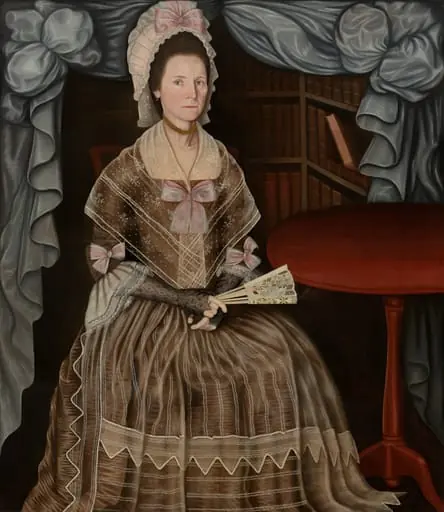
Mrs. Levi Willard (Catherine Chandler)
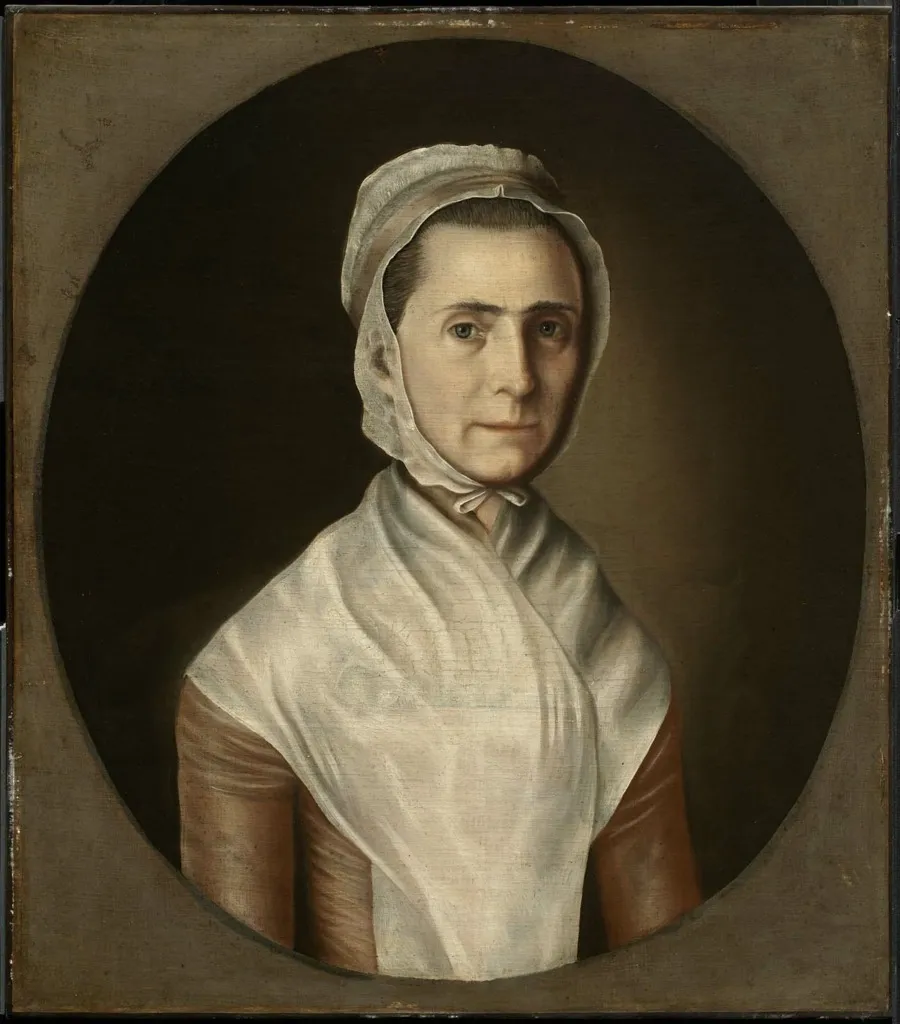
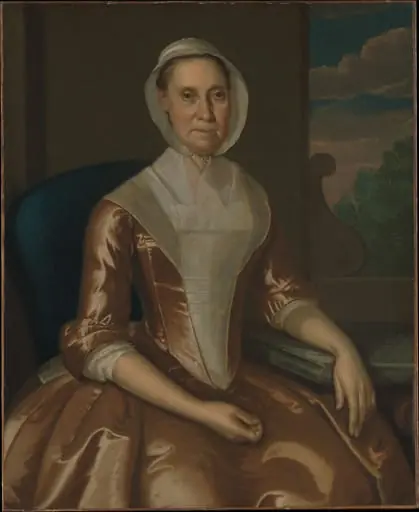
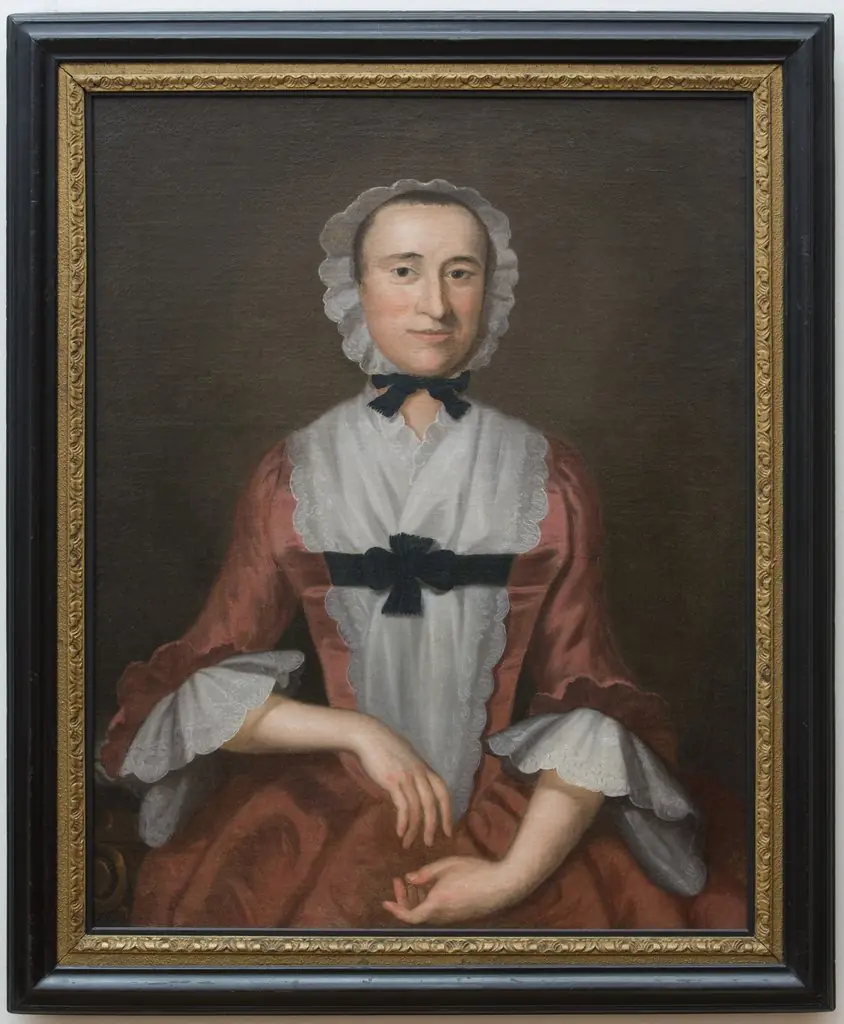
Mrs. Levi Willard (Catherine Chandler) is an oil painting by the Rococo painting artist Winthrop Chandler. It dates from 1772 and is held in the collection of the Museum of Fine Arts Boston.
About this work
Overview
Chandler, active in rural Massachusetts, primarily created portraits of close acquaintances and engaged in decorative arts.
Painted in 1772 by Winthrop Chandler, this oil portrait depicts Catherine Chandler Willard, the artist’s sister-in-law. Chandler, active in rural Massachusetts, primarily created portraits of close acquaintances and engaged in decorative arts. The work is part of the Museum of Fine Arts, Boston’s collection and reflects the modest, intimate character of provincial American portraiture during the late colonial period.
Subject & Meaning
Catherine Chandler Willard is portrayed with quiet composure, her gaze lowered and expression restrained. The absence of elaborate adornment or symbolic props suggests a focus on personal dignity rather than social status. The plain white head covering and shawl imply modesty, possibly reflecting religious or cultural norms of the time. The portrait conveys an inwardness, inviting contemplation of the sitter’s private identity beyond public role.
Technique & Style
Chandler employed fine brushwork to render the textures of fabric—folds in the shawl, the weave of the dress—with careful attention to light and shadow. The dark, unadorned background isolates the figure, enhancing the tactile quality of her clothing. While the composition lacks the ornamental flourish of European Rococo, the delicate handling of surface detail aligns with regional adaptations of 18th-century portraiture, prioritizing realism over theatricality.
History & Provenance
The painting remained within the Chandler family for generations before entering the Museum of Fine Arts, Boston’s collection. Its survival reflects the preservation of domestic art in early American households. Documentation is limited, but its date and subject are confirmed through family records and stylistic analysis, situating it among Chandler’s few securely attributed works.
Context
In late 18th-century New England, professional artists were rare, and portraiture often served local, familial needs. Chandler, trained as a decorative painter, applied his skills to personal commissions rather than urban academies. This portrait exemplifies how artistic practice in rural America blended craftsmanship with intimate observation, distinct from the grander traditions of European or coastal urban centers.
Legacy
Winthrop Chandler’s body of work is small but significant for its unembellished portrayal of colonial life. This portrait contributes to understanding how ordinary individuals were represented in early American art, away from elite conventions. It remains a quiet testament to the domestic sphere and the role of family artists in shaping regional visual culture before the rise of formal institutions.
Artist & collection
Artist
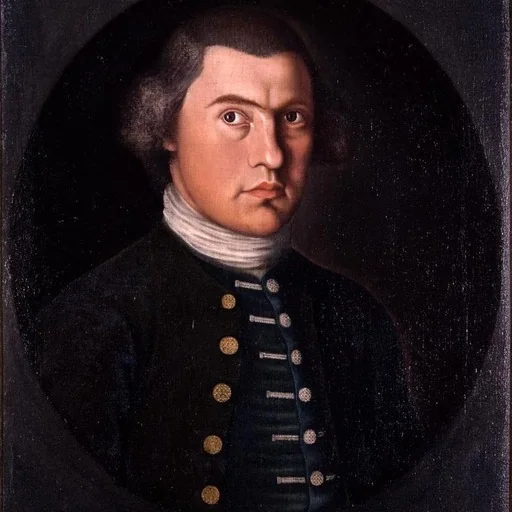
Winthrop Chandler (April 6, 1747 – July 29, 1790) was an American artist known for his portraits, mainly of family members and neighbors, and a few landscapes. He also worked as an ornamental artist.