Artwork
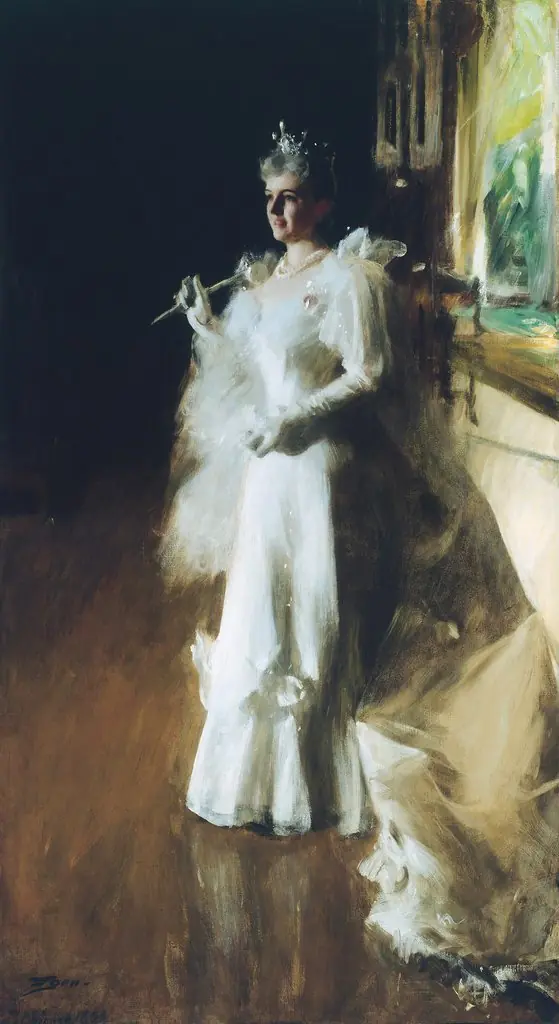
Mrs. Potter Palmer
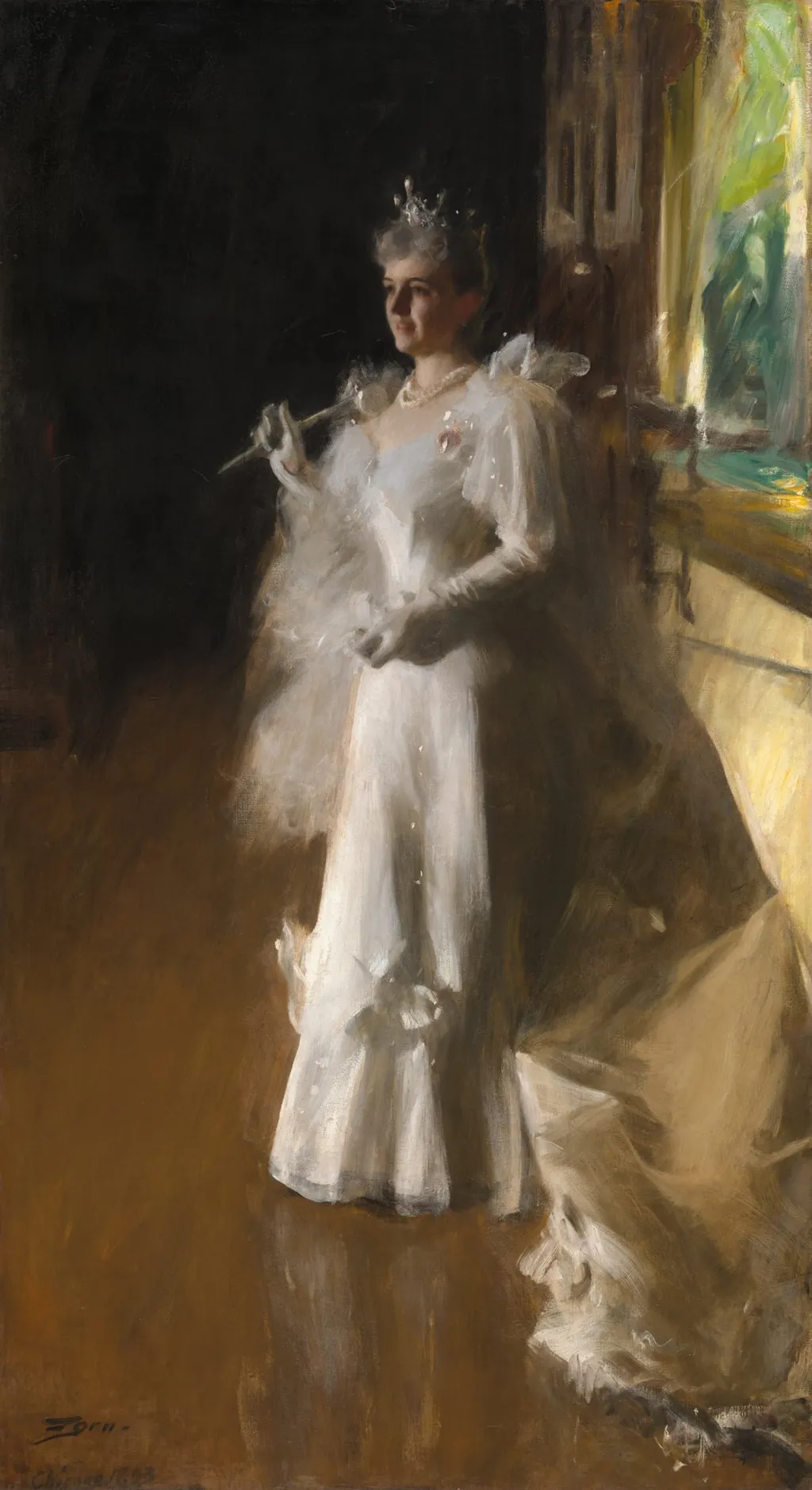
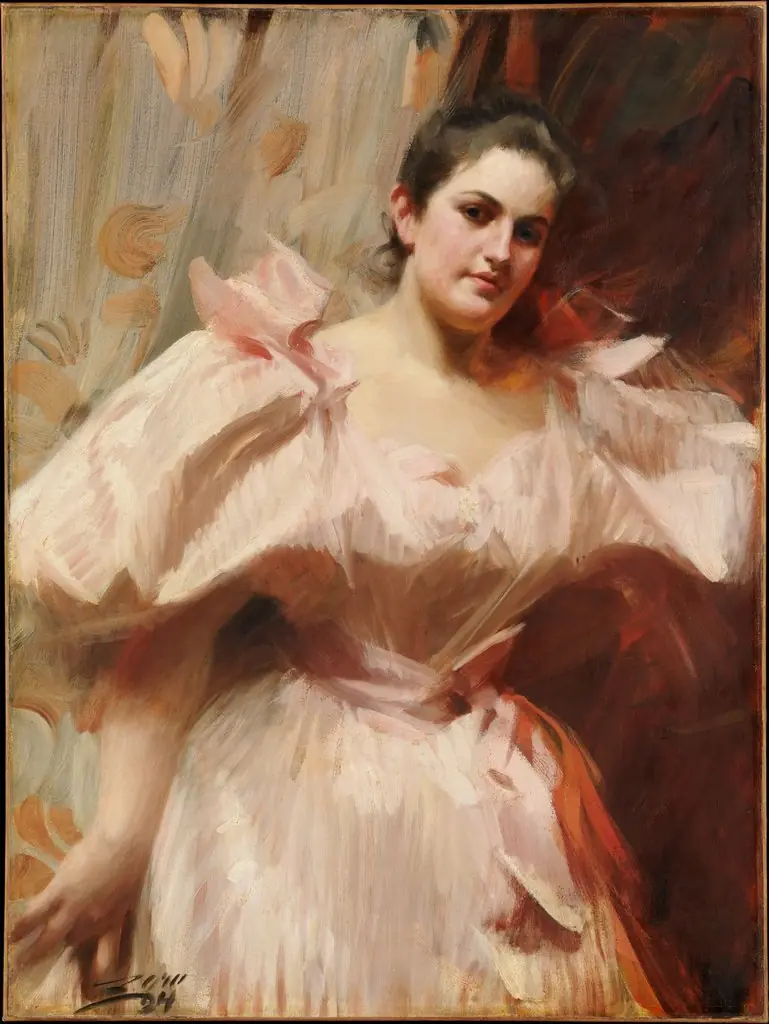
Mrs. Potter Palmer is an oil painting by the Impressionist artist Anders Zorn. It dates from 1893 and is held in the collection of the Art Institute of Chicago. Mrs.
About this work
Overview
Commissioned to commemorate her presidency of the Board of Lady Managers, the painting reflects both her public influence and personal aesthetic preferences.
Mrs. Potter Palmer, a prominent Chicago socialite and philanthropist, is depicted in a full-length oil portrait by Swedish artist Anders Zorn. She holds an ivory gavel, symbolizing her leadership role in the 1893 World’s Columbian Exposition. Commissioned to commemorate her presidency of the Board of Lady Managers, the painting reflects both her public influence and personal aesthetic preferences.
Subject & Meaning
The portrait captures Bertha Palmer in a moment of quiet authority, seated and composed, with the gavel resting in her hand as a token of institutional power. Her gaze is direct, conveying confidence without ostentation. The object she holds is not merely ceremonial—it signifies her role in securing a formal space for women’s contributions at a major international exposition, challenging gendered norms in public life.
Technique & Style
Zorn employed a restrained impressionistic approach, using loose brushwork and subtle tonal gradations to render fabric and skin with luminous clarity. He favored glazing techniques to achieve depth in the darks and a soft glow in the highlights, particularly in the silk of her dress and the sheen of the gavel. The background remains ambiguous, focusing attention on the figure and her symbolic attribute.
History & Provenance
The painting was commissioned by Palmer herself in 1893, shortly after the exposition’s conclusion. Zorn, then gaining recognition in the United States, was chosen for his modern sensibility, aligning with Palmer’s progressive taste in art. She had recently acquired several French Impressionist works during European travels, and this portrait was intended to reflect that same forward-looking vision.
Context
As president of the Board of Lady Managers, Palmer oversaw the creation of the Women’s Building at the Chicago World’s Fair, a landmark effort to showcase female achievement in arts, industry, and governance. The portrait emerged from a broader cultural moment in which women sought visibility in public institutions. Zorn’s depiction avoids romanticization, presenting Palmer as a decisive figure within a male-dominated historical narrative.
Legacy
The portrait endures as a document of female leadership in the Gilded Age, illustrating how elite women used art and patronage to assert authority. It remains one of the few major portraits of a woman in a civic role painted by a European artist of Zorn’s stature during this period. Its presence in museum collections continues to prompt reflection on gender, representation, and the politics of commemoration.
Artist & collection

Artist
Anders Leonard Zorn was born in February 1860 in Mora, Dalarna, the illegitimate son of a Bavarian brewer and a Swedish farmer's daughter; his mother died shortly after his birth, and his grandparents raised him.

 Mrs. Potter Palmer
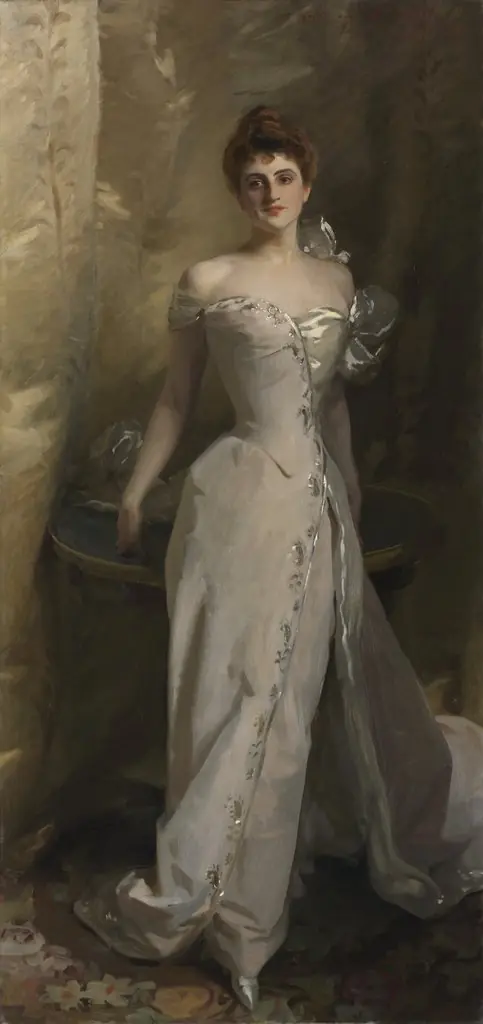 Portrait of Lisa Colt Curtis
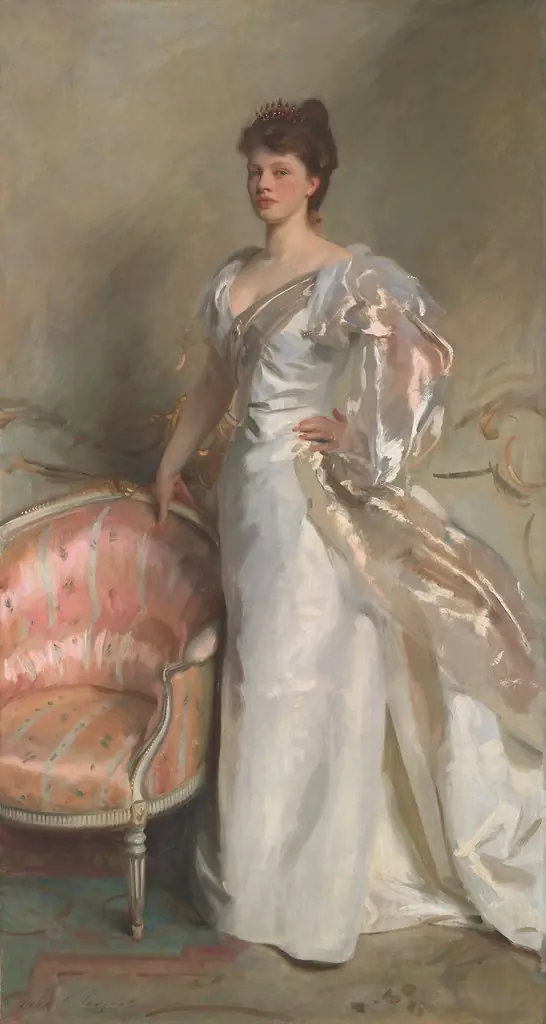 Mrs. George Swinton (Elizabeth Ebsworth)
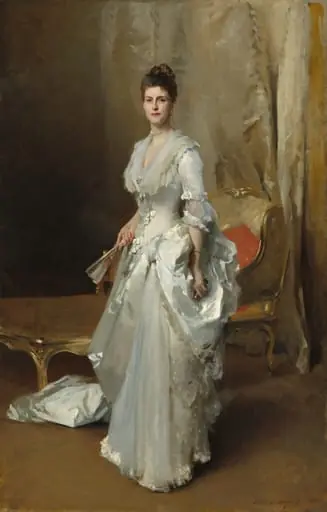 Margaret Stuyvesant Rutherfurd White (Mrs. Henry White)
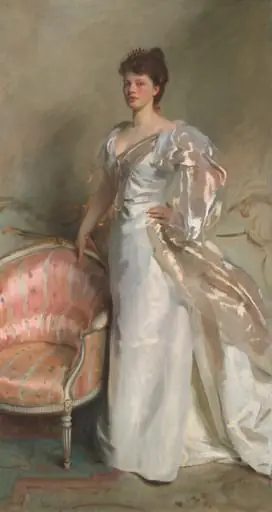 Mrs. George Swinton (Elizabeth Ebsworth)
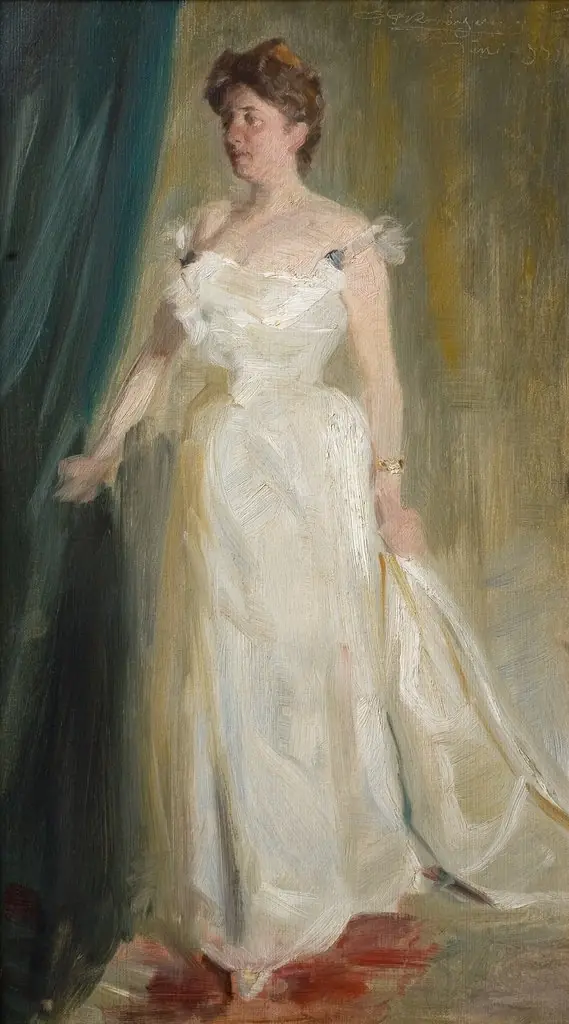 Portræt af lensgrevinde Lillie Suzanne Raben-Levetzau
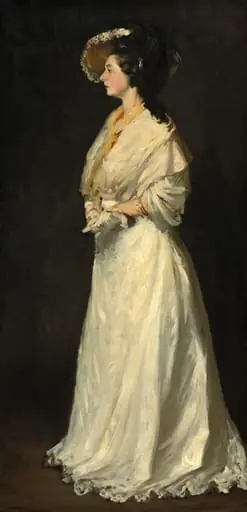 Young Woman in White
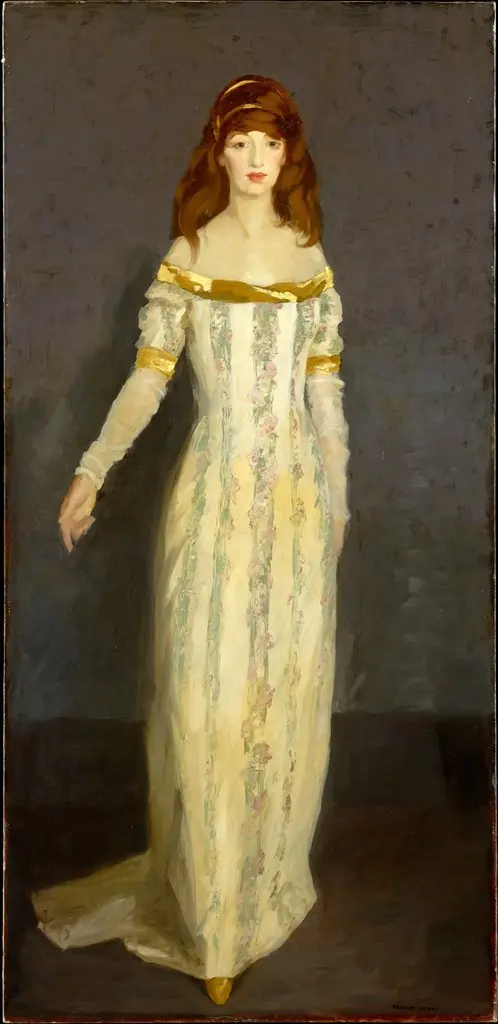 The Masquerade Dress
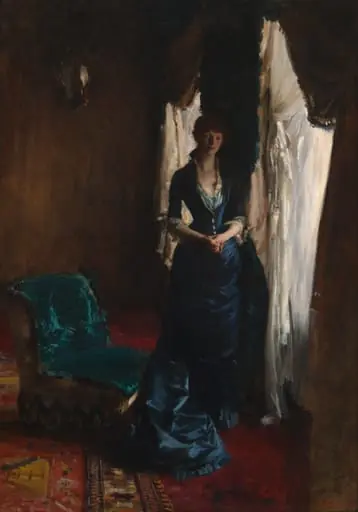 Madame Paul Escudier (Louise Lefevre)
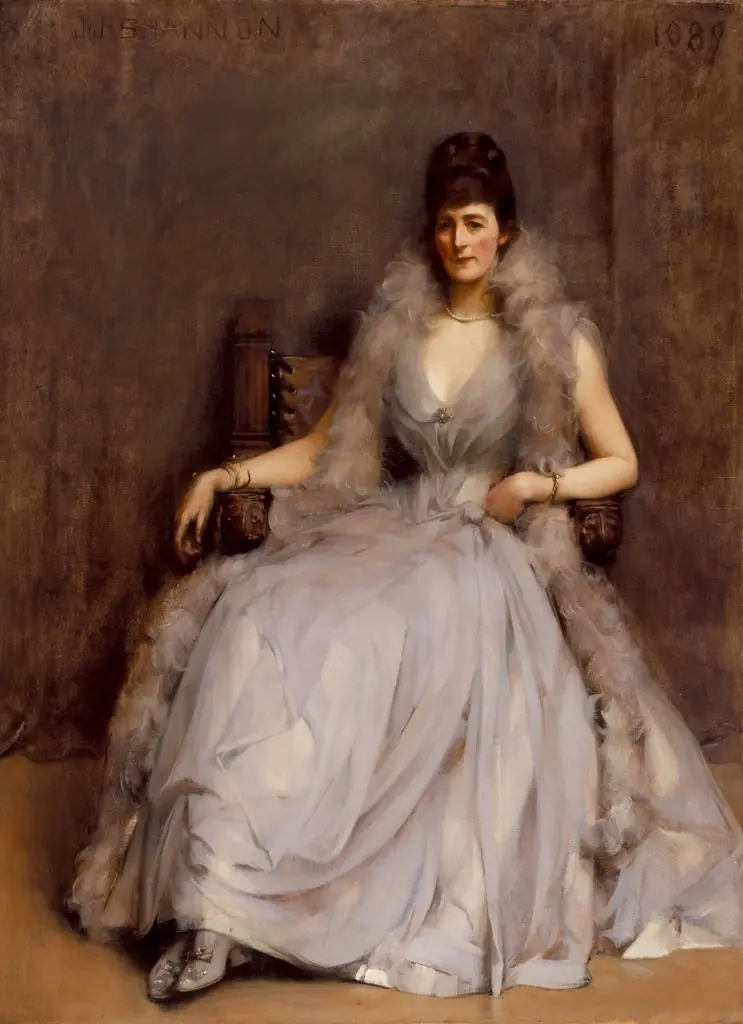 Portrait of Cecilia Tower
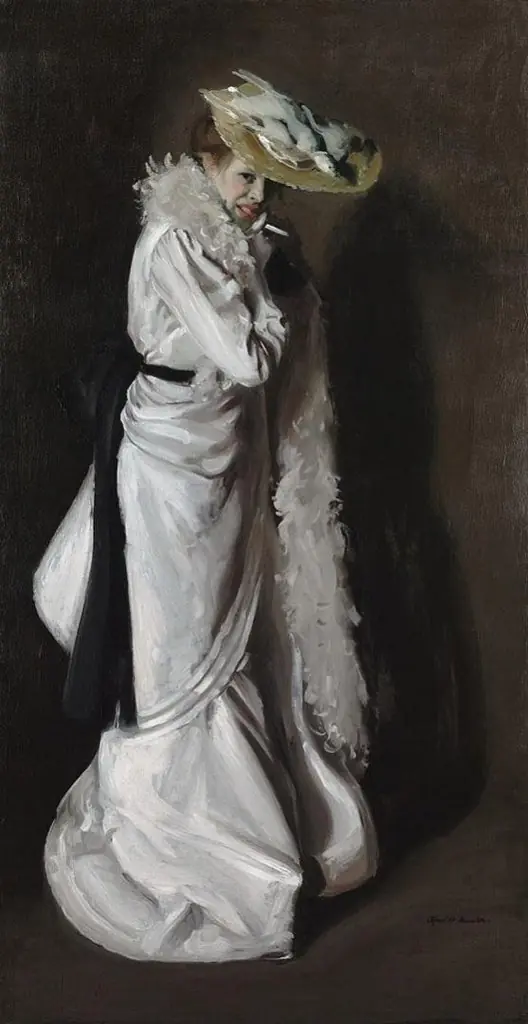 Jeanne