Artwork
Madame Paul Escudier (Louise Lefevre)
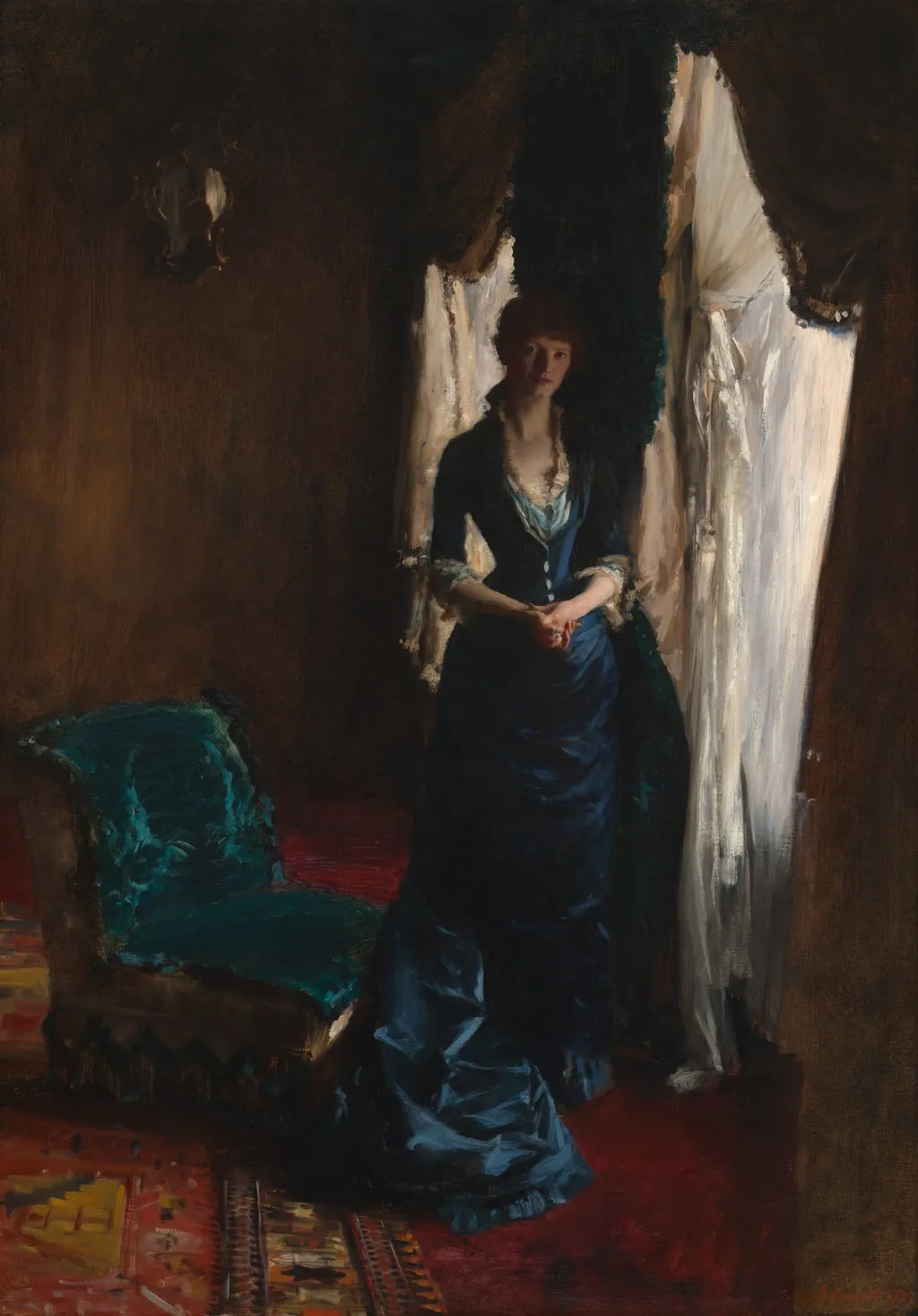
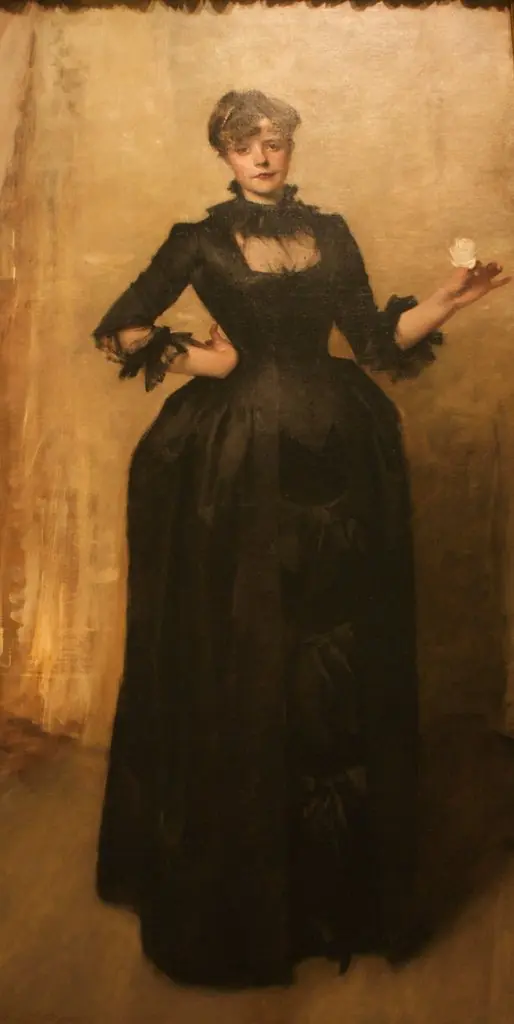
Madame Paul Escudier (Louise Lefevre) is an oil painting by the Impressionist artist John Singer Sargent. It dates from 1882 and is held in the collection of the Art Institute of Chicago. Painted in Paris around 1883, this portrait captures Louise Lefevre, wife of the French art dealer Paul Escudier.
About this work
Overview
Painted in Paris around 1883, this portrait captures Louise Lefevre, wife of the French art dealer Paul Escudier.
Painted in Paris around 1883, this portrait captures Louise Lefevre, wife of the French art dealer Paul Escudier. John Singer Sargent departed from conventional formal portraiture by emphasizing dramatic contrasts of light and shadow, transforming an intimate interior into a study of atmosphere rather than social status. The work reflects his evolving approach to figure painting, shaped by earlier experiments in Venice.
Subject & Meaning
Louise Escudier is portrayed not as a symbol of wealth or position, but as a quiet, contemplative presence in a dimly lit room. Her elegant attire is rendered with subtle detail, yet the composition directs attention to the interplay of light across her form and the surrounding space. The focus on mood over identity suggests a shift toward psychological depth rather than societal representation.
Technique & Style
Sargent employed loose, expressive brushwork reminiscent of Impressionist methods, combined with the strong chiaroscuro of Spanish Baroque painting, particularly Velázquez. The deep shadows and selective illumination create volume and mystery, while the texture of fabric and wall surfaces is suggested rather than meticulously defined. This synthesis of styles marked a departure from academic portraiture norms.
History & Provenance
The painting emerged after Sargent’s two visits to Venice, where he studied light in working-class interiors. He adapted those observations to a Parisian setting, applying the same tonal strategies to a fashionable sitter. It was exhibited in Paris soon after completion and contributed to his growing recognition among avant-garde circles as an innovator in portrait technique.
Context
In the early 1880s, Parisian art circles were receptive to experimental approaches that challenged traditional portraiture. Sargent’s use of shadow and atmosphere aligned with broader interests in mood and perception, influenced by both French Impressionism and older European traditions. This work exemplifies how artists were redefining the portrait as an emotional, not merely documentary, form.
Legacy
Madame Paul Escudier became a key example of Sargent’s ability to merge modern sensibilities with historical techniques. It demonstrated that portraiture could convey psychological nuance through light and texture alone, influencing later artists who sought to move beyond literal representation. The painting remains a significant reference in discussions of late 19th-century portrait innovation.
Own this work as a print
Artist & collection
Artist
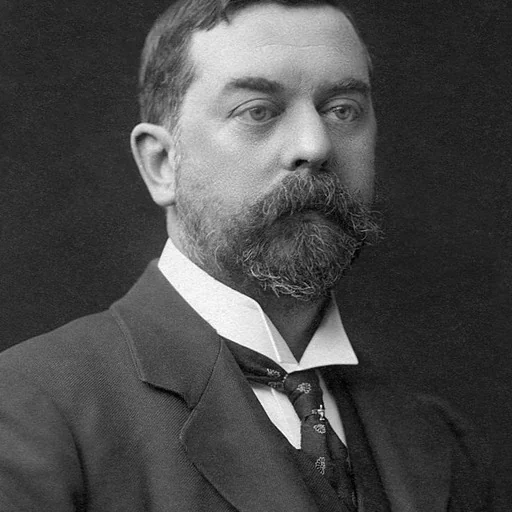
John Singer Sargent (; January 12, 1856 – April 15, 1925) was an American expatriate artist, considered the "leading portrait painter of his generation" for his evocations of Belle Époque and Edwardian-era luxury.

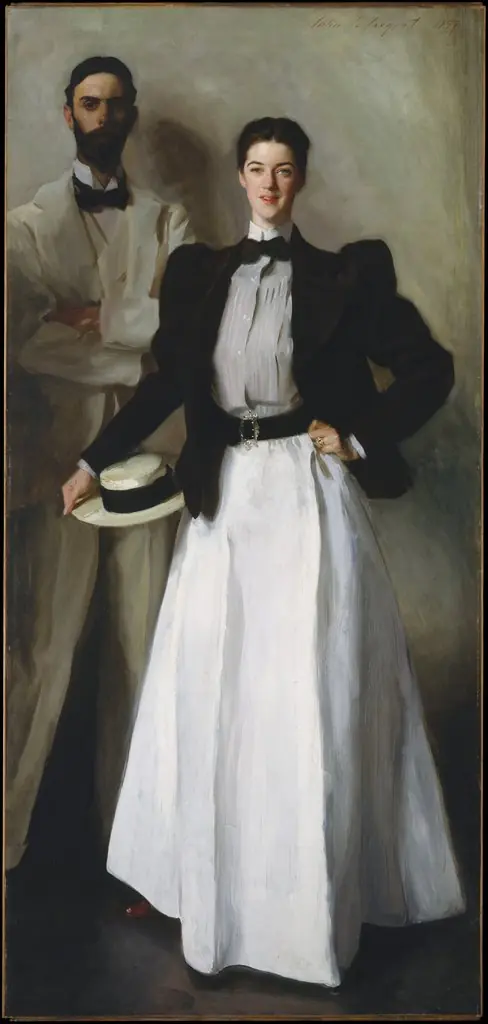
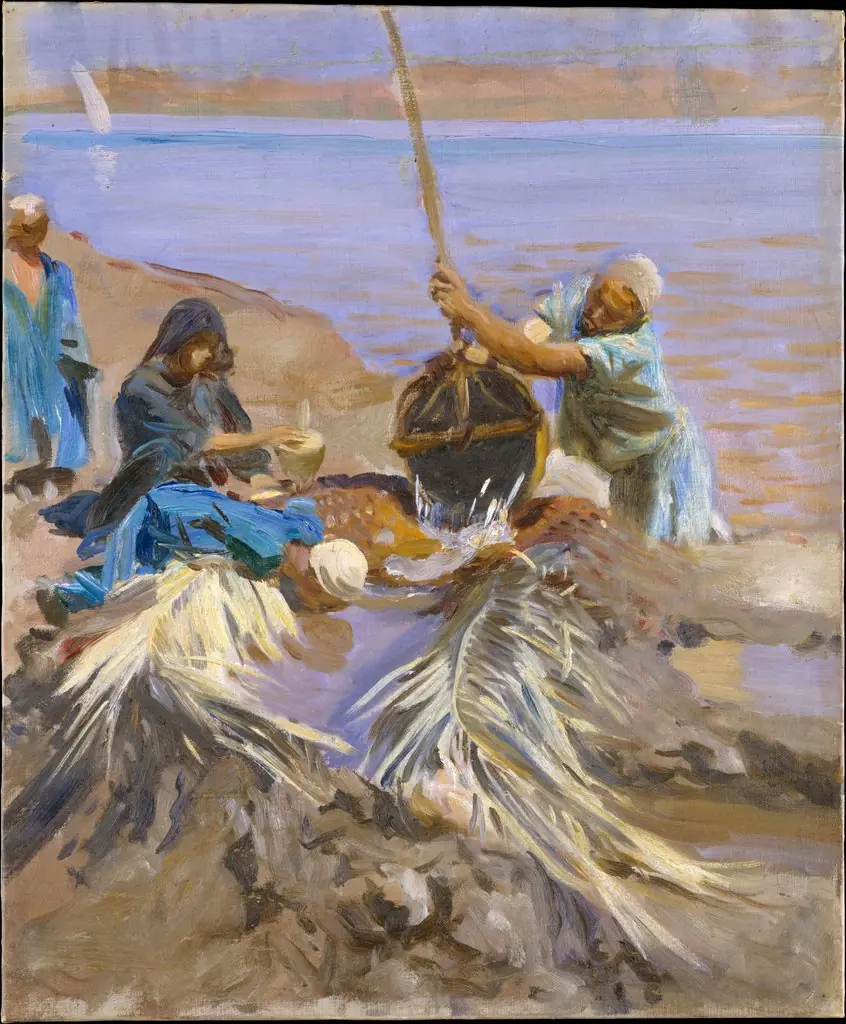
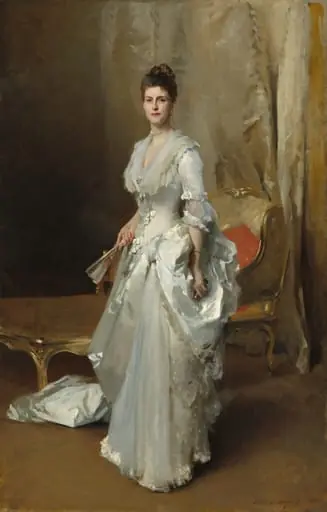 Margaret Stuyvesant Rutherfurd White (Mrs. Henry White)
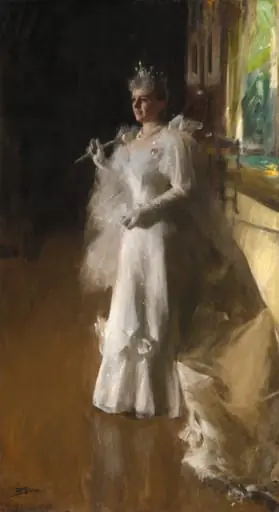 Mrs. Potter Palmer
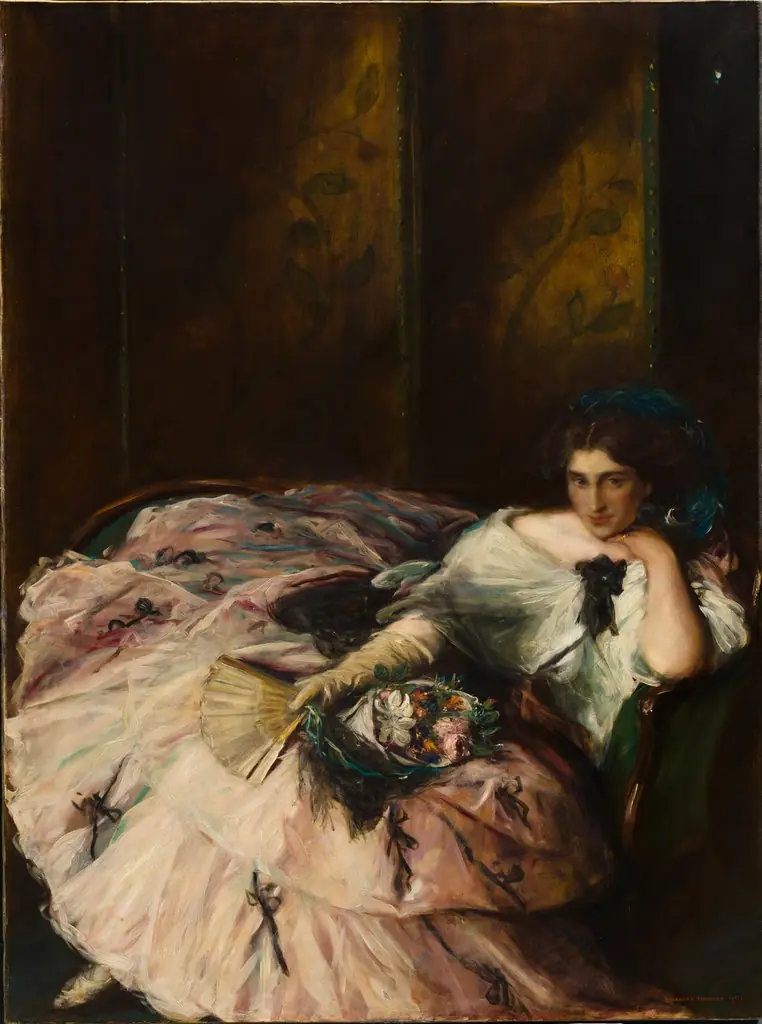 Souvenir of an "International Ball" (Portrait of Miss Kathleen Bruce)
 Souvenir of an "International Ball" (Portrait of Miss Kathleen Bruce)
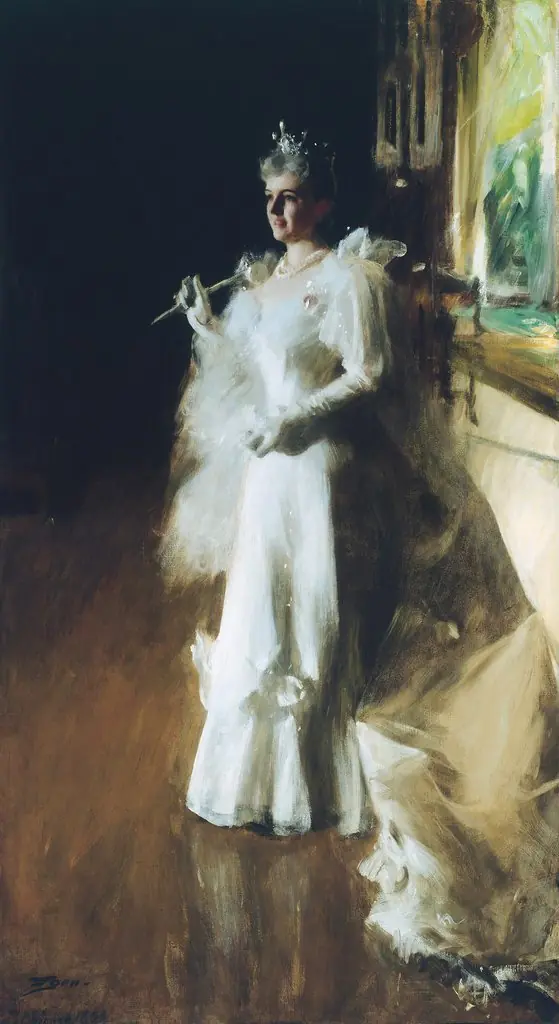 Mrs. Potter Palmer
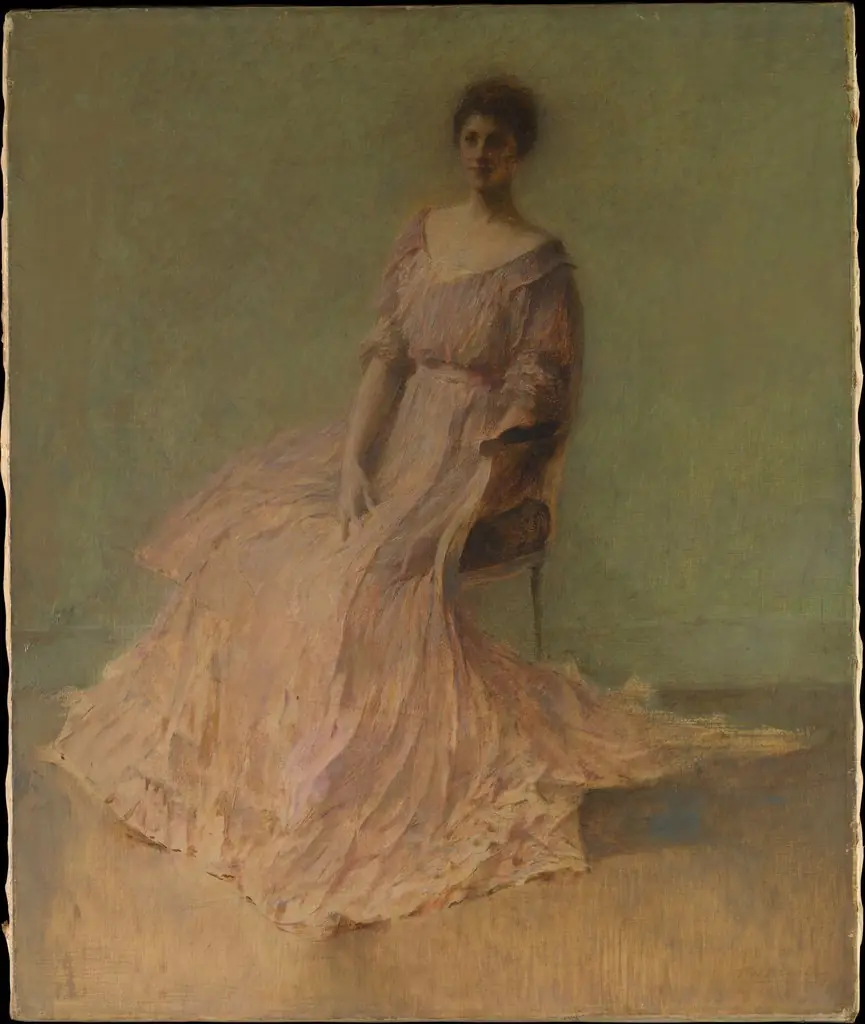 Lilac Dress
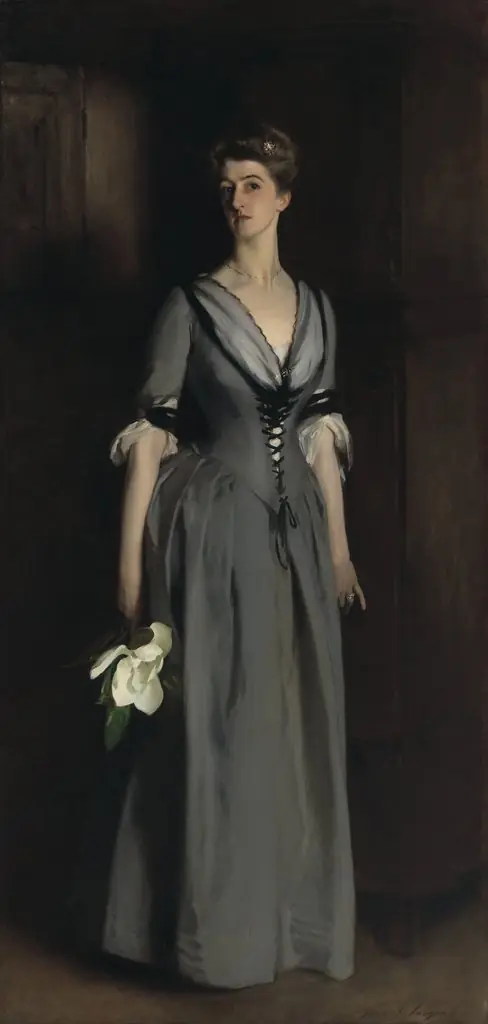 Mrs Albert Vickers (Edith Foster)
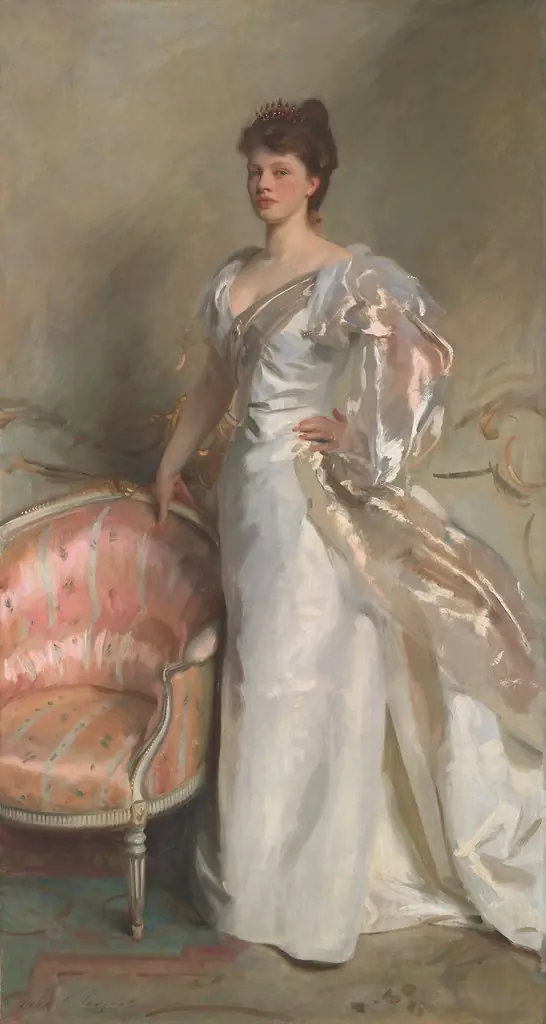 Mrs. George Swinton (Elizabeth Ebsworth)
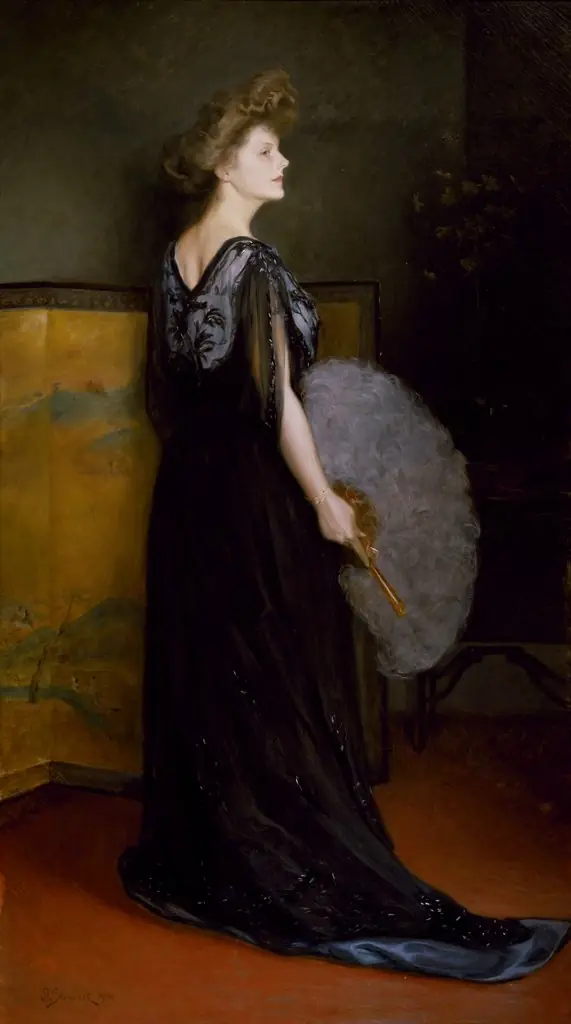 Portrait of Mrs. Francis Stanton Blake