Artwork
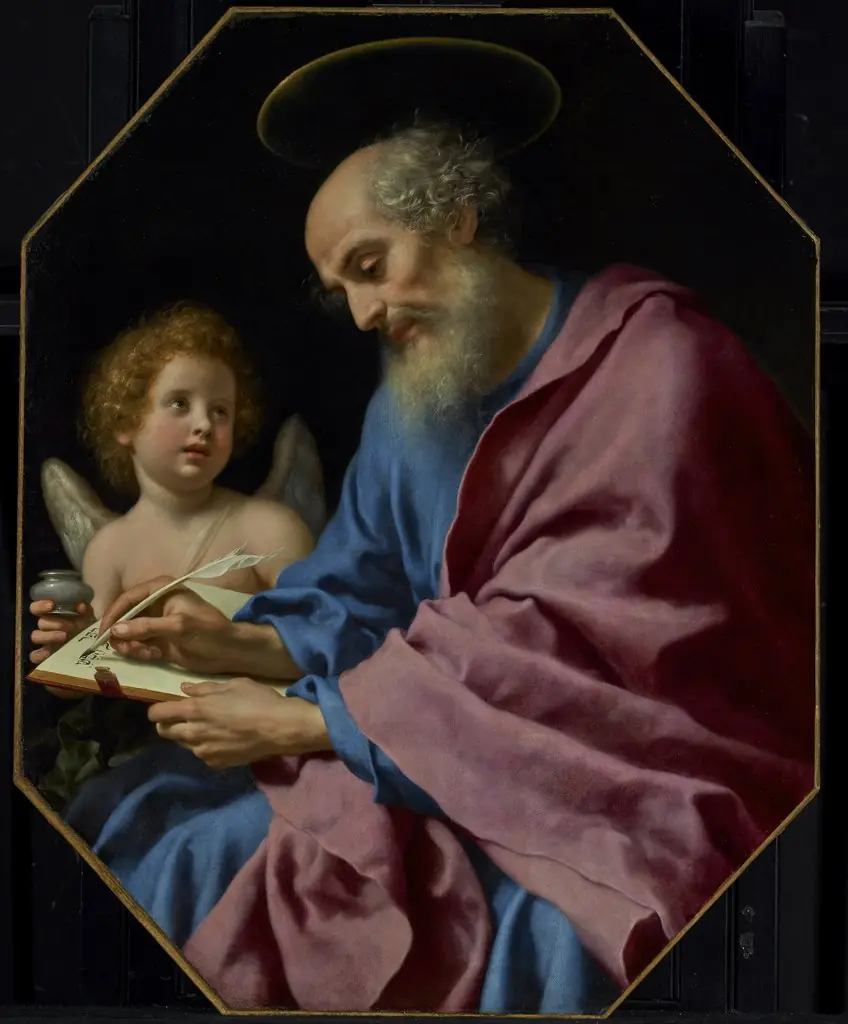
Evankelista Matteus enkelin kanssa
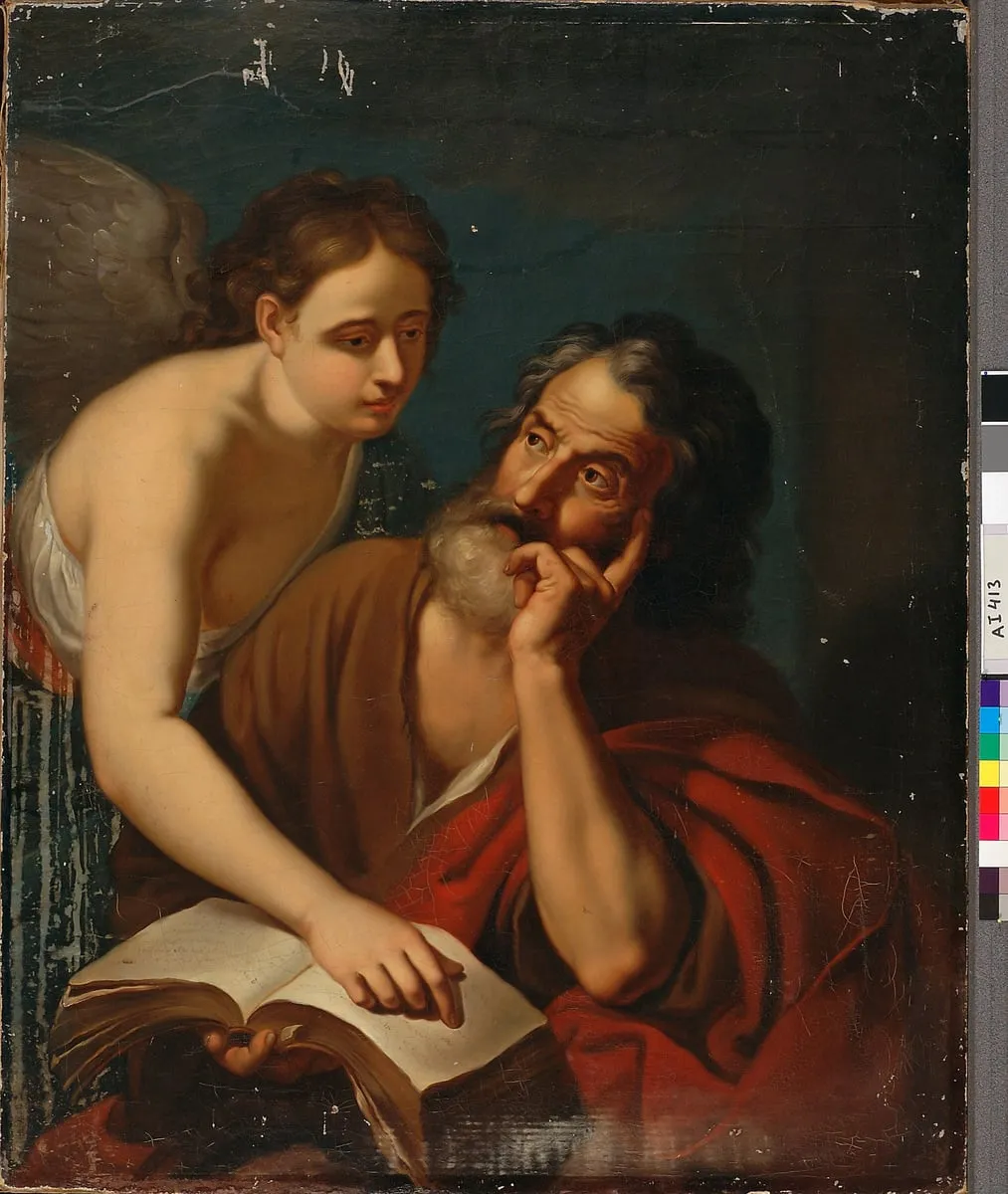
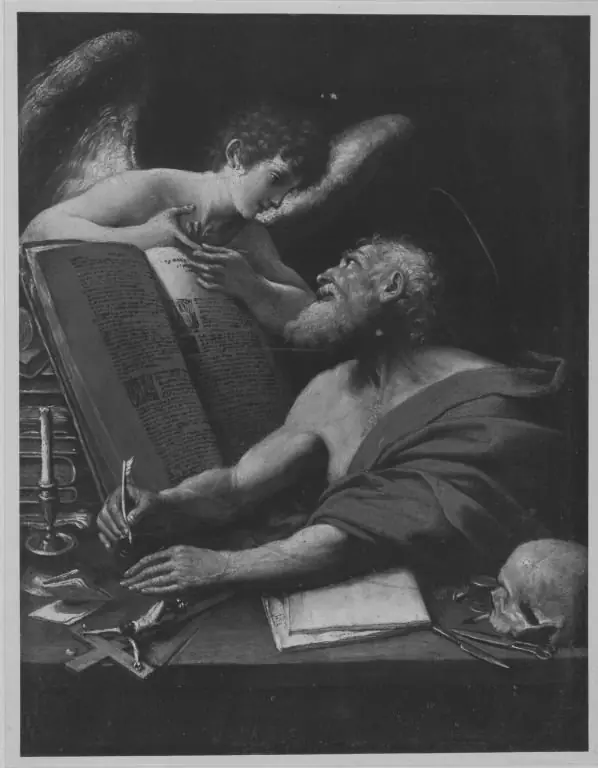
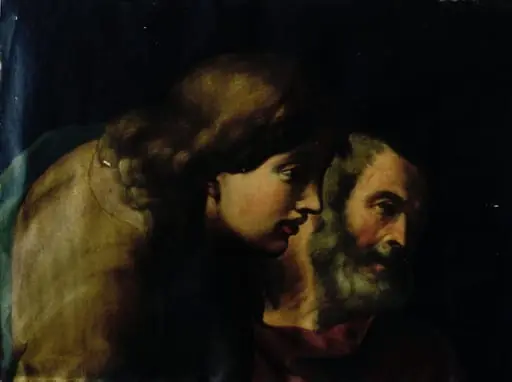
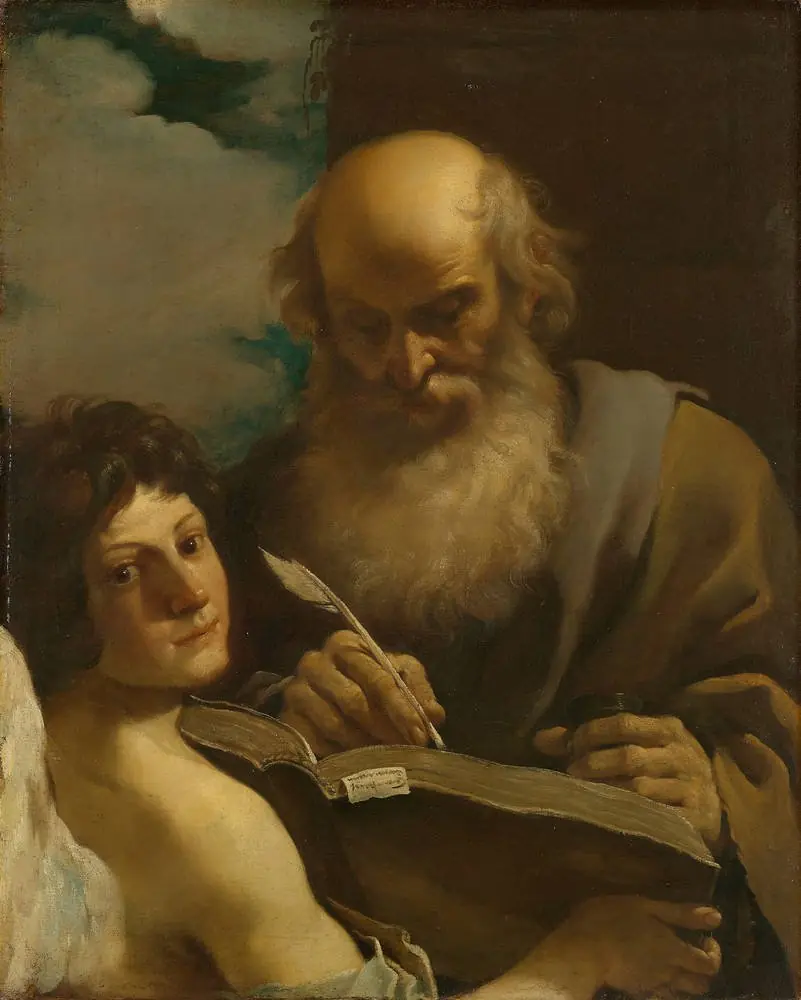
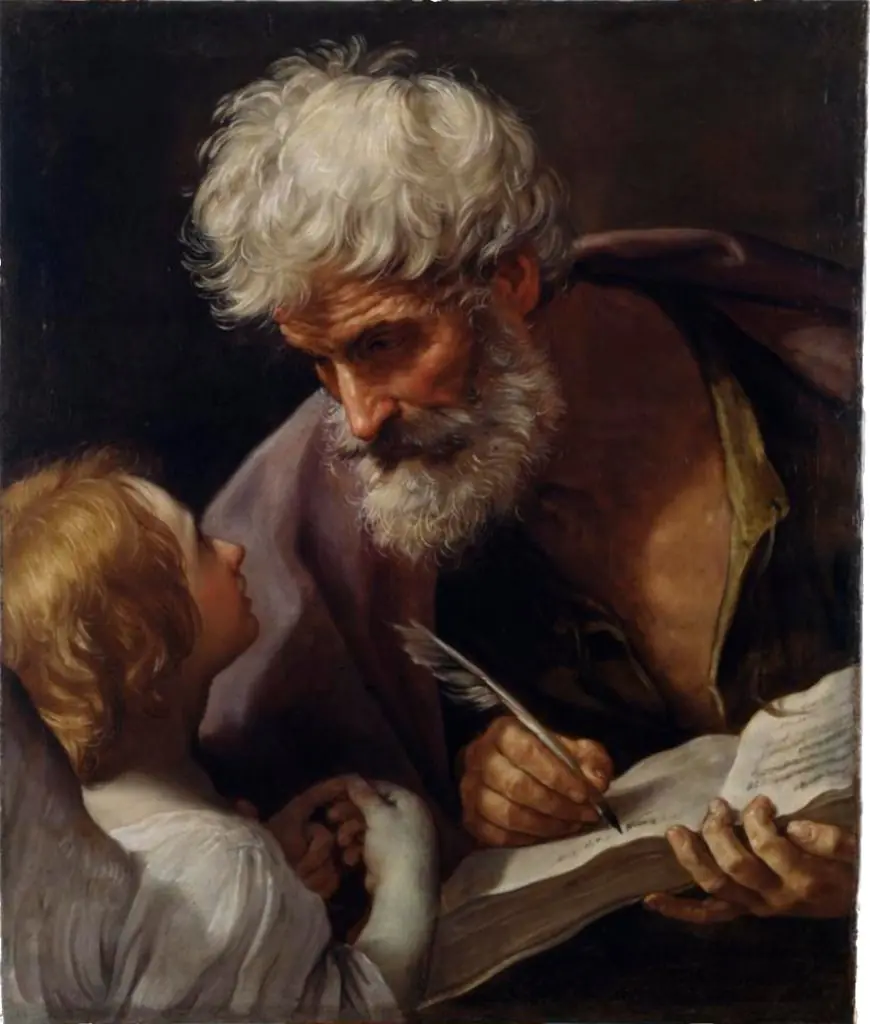
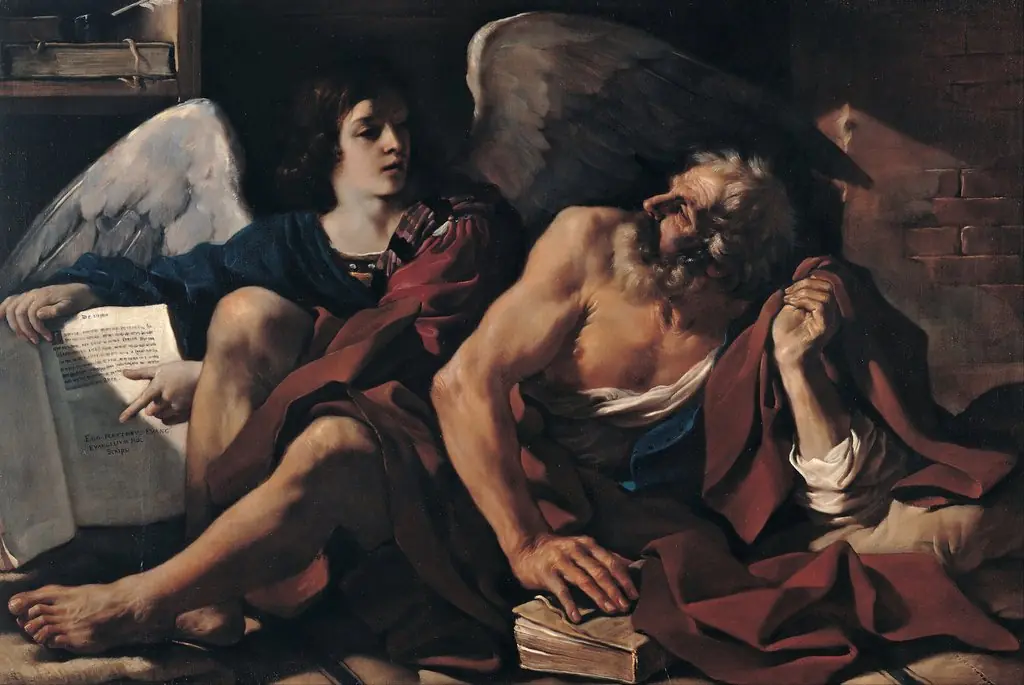
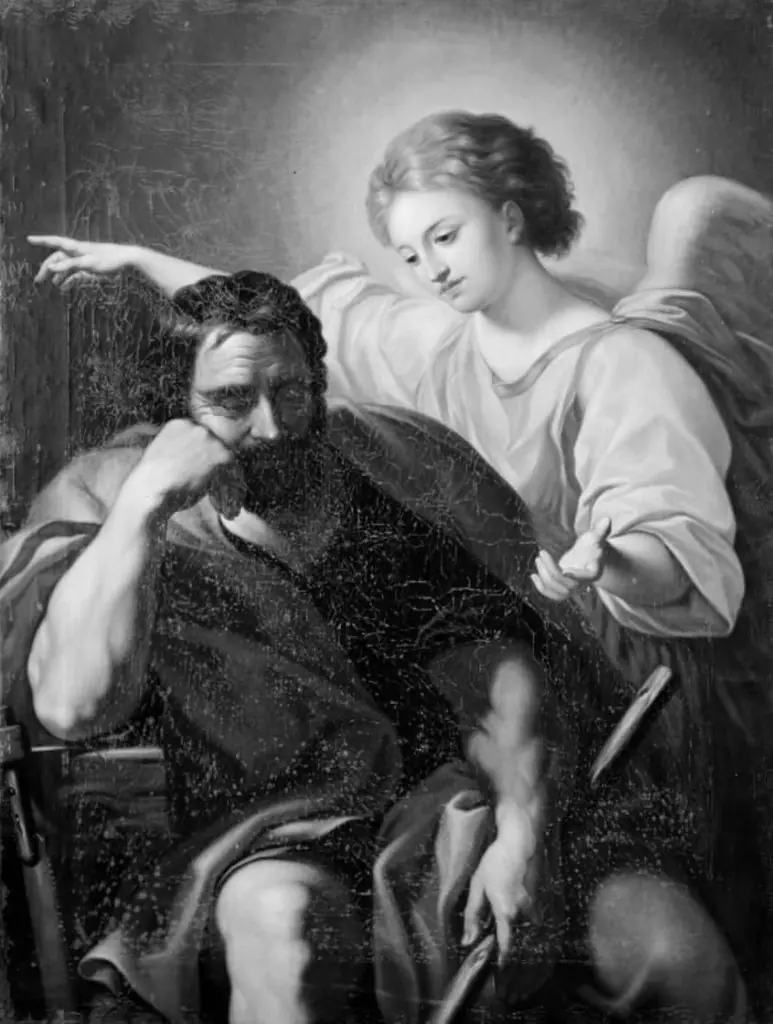
Evankelista Matteus enkelin kanssa is an unspecified painting by Salomon Andersson. It is held in the collection of the Finnish National Gallery. This painting depicts a moment of divine inspiration, featuring two figures engaged with a text.
About this work
Overview
One is a winged being with delicate features and draped fabric, the other a bearded man in a rich red garment.
This painting depicts a moment of divine inspiration, featuring two figures engaged with a text. One is a winged being with delicate features and draped fabric, the other a bearded man in a rich red garment. The dark background isolates them, drawing focus to their interaction. Light falls sharply across their faces and hands, emphasizing gesture and expression. The composition suggests a quiet, intimate encounter between human and celestial.
Subject & Meaning
The winged figure is likely an angel, traditionally associated with divine communication, while the older man is believed to be the Evangelist Matthew. Their shared attention to the open book implies the moment of revelation—Matthew receiving guidance to write his gospel. The angel’s presence signifies sacred inspiration, and the man’s contemplative posture reflects the weight of divine dictation. The scene captures the origin of sacred text through silent, focused exchange.
Technique & Style
The artist employs chiaroscuro to model form and direct attention, using strong contrasts between light and shadow. The figures emerge from a near-black background, their skin and fabrics rendered with subtle gradations. The angel’s wing and Matthew’s robe are defined by soft transitions, enhancing volume without overt detail. The lighting focuses on hands and faces, reinforcing the psychological gravity of the moment. Brushwork remains restrained, prioritizing emotional resonance over ornamentation.
History & Provenance
The painting’s origins are tied to late Renaissance devotional practices, likely created for private or ecclesiastical use. Its style aligns with Northern Italian or Venetian workshops of the 16th century, where religious subjects were rendered with psychological depth. While its early ownership is undocumented, it entered a public collection in the 19th century, where it has been studied as an example of spiritual narrative painting. No major alterations or restorations are recorded.
Context
During the Counter-Reformation, visual depictions of evangelists receiving divine inspiration were encouraged to affirm the authority of scripture. Artists responded with intimate, humanized scenes that emphasized the sacredness of writing and study. This work reflects a broader trend of moving away from grand altarpieces toward smaller, contemplative images suited for personal devotion. The emphasis on quiet concentration aligns with contemporary spiritual ideals.
Legacy
The painting contributes to a tradition of depicting evangelists in moments of divine encounter, influencing later religious imagery through its restrained emotional tone. Its use of chiaroscuro and psychological realism anticipates Baroque approaches to sacred narrative. Though not widely reproduced, it remains a reference in studies of 16th-century devotional art, valued for its quiet intensity and technical clarity rather than its fame.
Artist & collection
Artist
This Swedish painter worked in the 1800s and left behind small religious scenes full of quiet drama.